
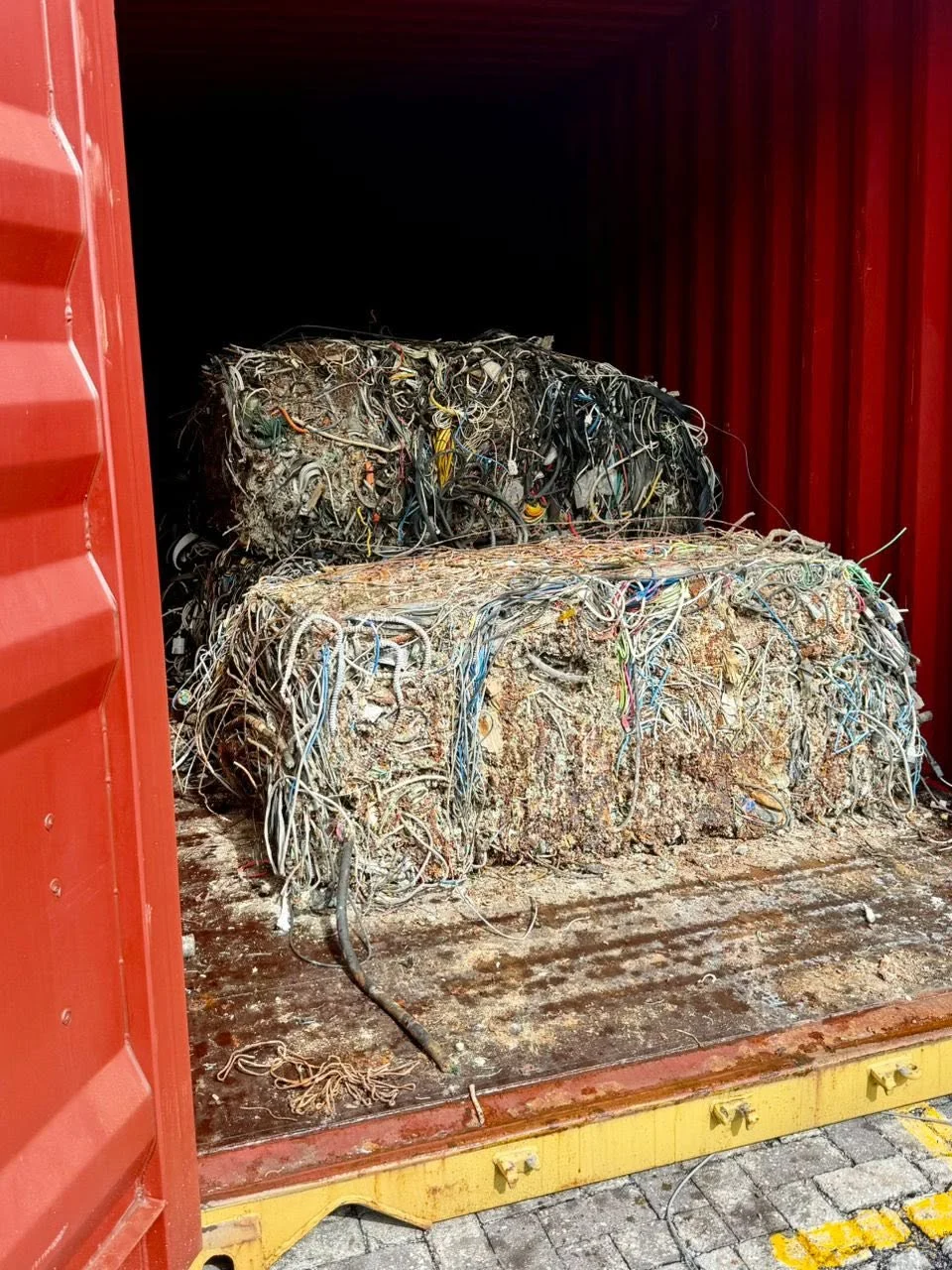
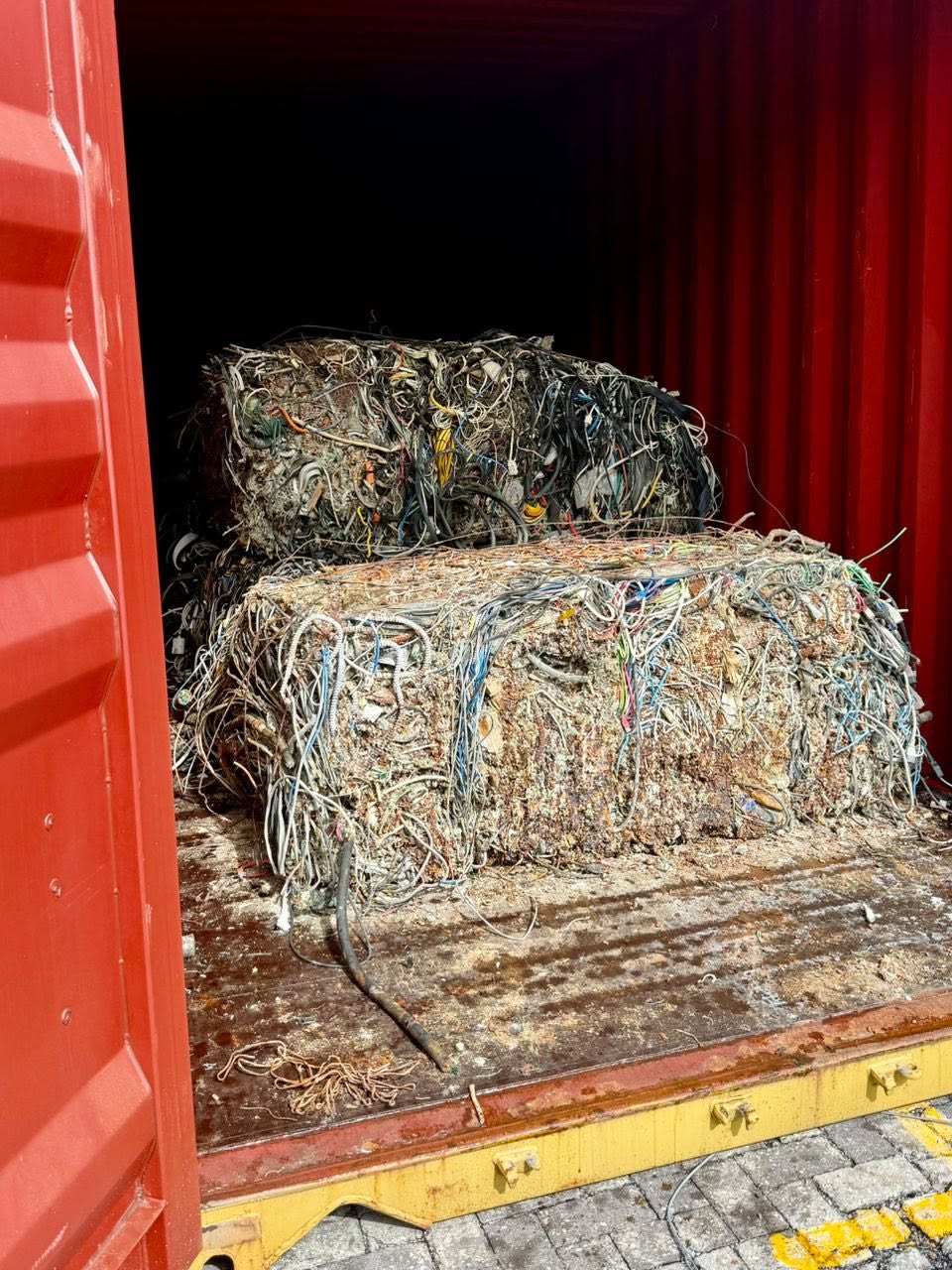
The early morning hours of July 7, 2026, at Port Klang, Malaysia’s busiest maritime gateway, were interrupted by an emergency that would reveal the persistent underbelly of the global waste trade. A shipping container, officially documented as carrying high-value tin ore, suddenly caught fire shortly after being offloaded from a vessel. As thick, acrid smoke billowed across the terminal, emergency responders from the local fire department were dispatched to douse the flames. Once the fire was extinguished and the steel doors were pried open, investigators did not find the industrial metals described in the manifest. Instead, they discovered a cargo bay packed with charred, molten remains of electrical and electronic waste, commonly known as e-waste. This incident serves as a stark reminder of the challenges facing Malaysia as it attempts to enforce a landmark absolute ban on the import of such hazardous materials.
The discovery at Port Klang is not an isolated occurrence but rather a symptom of a sophisticated international smuggling network. For years, environmental non-governmental organizations (NGOs) and federal investigators have warned that Malaysia has become a primary destination for the world’s discarded technology. To bypass customs and border protections, brokers frequently utilize "misdeclaration," a tactic where hazardous waste is labeled as legitimate raw materials such as plastic scrap, aluminum, or, in this most recent case, tin ore. These shipments are destined for unlicensed, informal recycling yards where precious metals are extracted using rudimentary and environmentally devastating methods.
The Legislative Shield: Understanding the April 2026 Absolute Ban
The July 7 fire occurred just three months after the Malaysian government implemented its most stringent measure to date against the influx of foreign trash. On April 1, 2026, a new Customs Order came into full effect, establishing an absolute ban on the import of e-waste. This policy shift was designed to terminate the legal ambiguities that previously allowed some forms of electronic scrap to enter the country under the guise of "recyclable material."

Prior to this ban, the regulatory landscape was a patchwork of permits and categories that savvy brokers often exploited. By moving to an absolute ban, the Malaysian government intended to send a clear signal to global waste exporters: the country would no longer serve as the world’s "dumping ground." However, the transition from policy to practice has proven to be a monumental logistical undertaking. Enforcement requires the meticulous screening of millions of containers, creating a high-stakes game of "whack-a-mole" against a black market that generates billions of dollars in illicit revenue globally.
Enforcement in Action: The Success and Scale of Op Green Shield
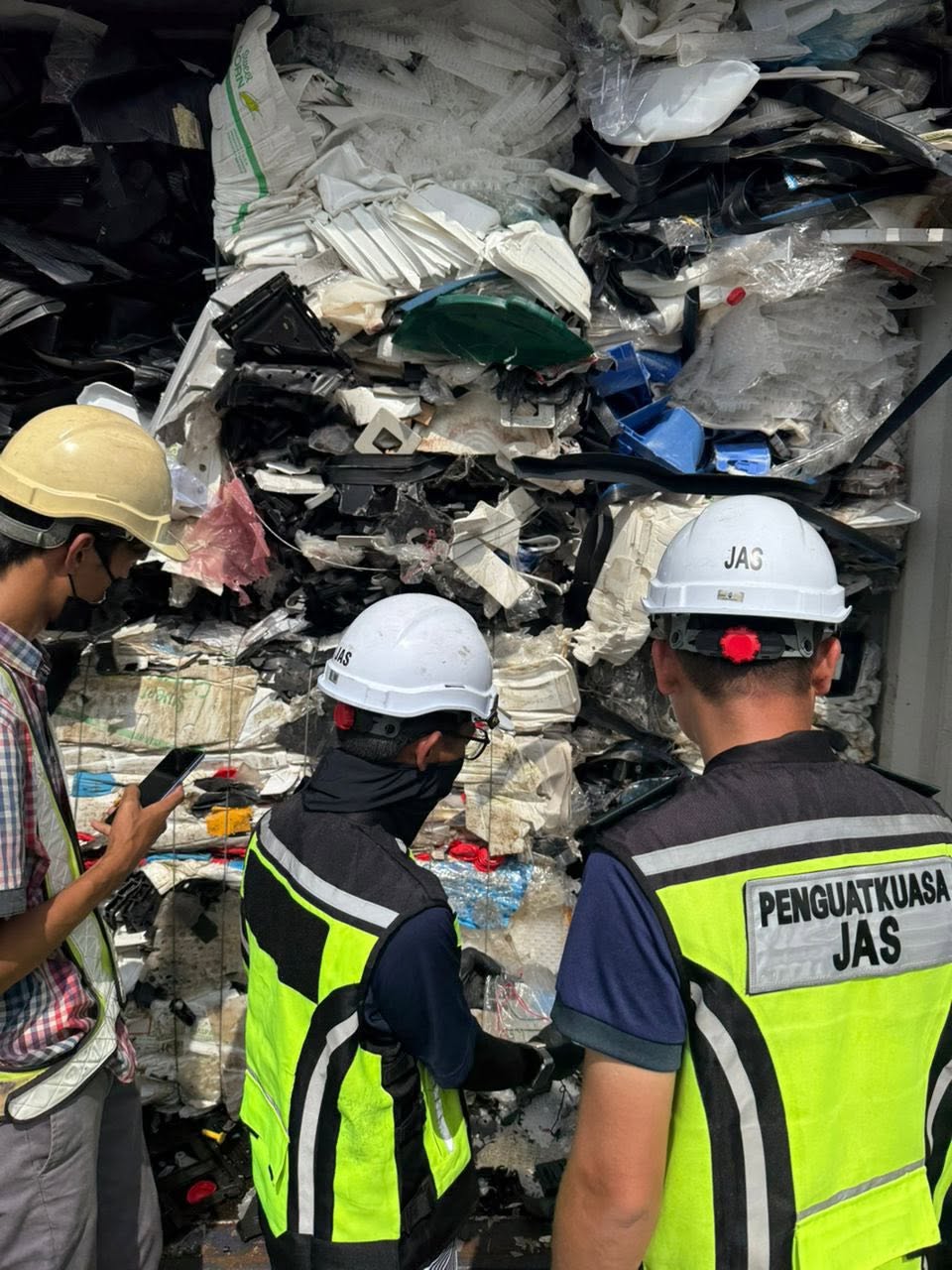
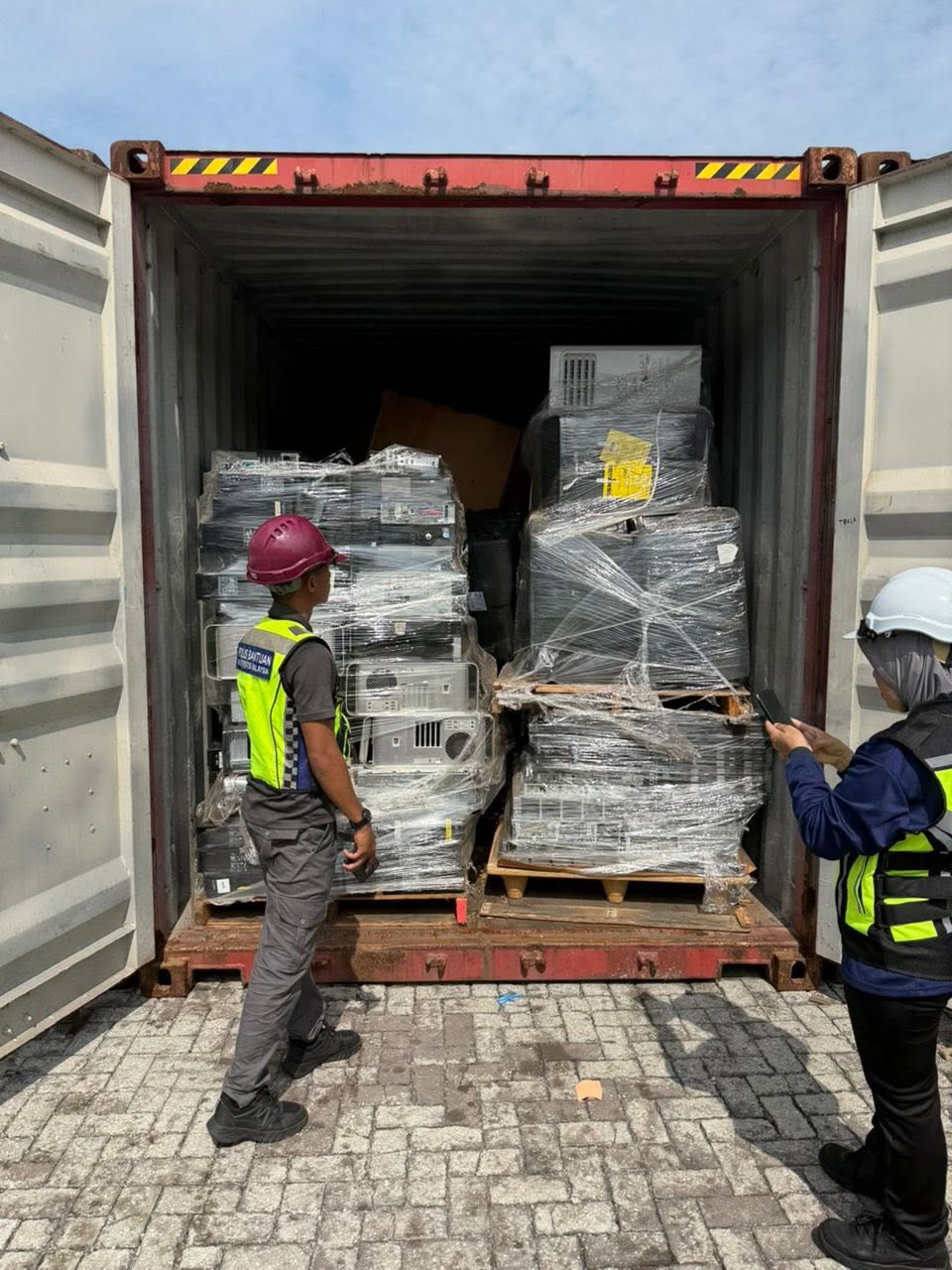
To operationalize the new ban, the Malaysian Border Control and Protection Agency (AKPS) launched a specialized joint task force known as Op Green Shield. This initiative brings together customs officials, environmental regulators, and port authorities to conduct targeted inspections based on intelligence and risk-profiling of shipping manifests.
According to data provided by an AKPS spokesperson, the task force has been remarkably active. Between January 26 and July 7, 2026, Op Green Shield inspected 685 suspicious containers. Of these, 143 containers—carrying approximately 3,370 short tons (3,057 metric tons) of e-waste—were intercepted and ordered to be repatriated to their countries of origin. As of July 8, another 531 containers remained in a backlog, earmarked for a phased repatriation process.
While these figures represent a significant victory for environmental enforcement, they must be viewed against the sheer scale of Malaysian maritime commerce. Between January and May 2026, Port Klang alone processed nearly 6.4 million twenty-foot-equivalent units (TEUs) of cargo. This equates to roughly 3.2 million standard 40-foot shipping containers. Nik Ezanee Mohd Faisal, the chief of AKPS, has noted that the volume of trade makes manual detection an almost impossible task. Without advanced scanning technology and international intelligence sharing, the vast majority of containers pass through the port without ever being opened.
The Global Context: A Shift in Waste Migration
The crisis in Malaysia is deeply rooted in the shifting dynamics of the global waste trade. Historically, China was the primary destination for the world’s plastic and electronic waste, processing nearly half of the global total since the early 1990s. However, in 2018, China implemented its "National Sword" policy, which banned the import of most plastics and other materials. This move fractured the global market, forcing waste brokers in wealthy nations to seek out "less regulated" shores in Southeast Asia.
As countries like Vietnam, Thailand, and now Malaysia have tightened their regulations, the trade has continued to migrate. Experts, including Jim Puckett, executive director of the Basel Action Network (BAN), suggest that the trade is now flowing toward the United Arab Emirates, India, Pakistan, Indonesia, and the Philippines. Furthermore, smugglers are becoming increasingly creative in concealing their tracks. "We suspect the brokers are trying new tricks to avoid detection," Puckett stated. This includes "triangulation," where a shipment is sent from its origin (such as the United States) to an intermediary hub like South Korea or Singapore before being re-shipped to Malaysia to obscure its true source.
The United States and the Basel Convention Loophole
A significant hurdle in the global fight against e-waste trafficking is the role of the United States. While the Basel Convention—an international treaty designed to regulate the transboundary movement of hazardous waste—governs most of the world, the U.S. remains one of the few developed nations that has not ratified the agreement.
This creates a "legal loophole" where U.S. e-waste brokers can export hazardous materials to developing nations without the U.S. government being obligated to intervene or accept the waste back if it is seized. Investigations by BAN have estimated that U.S. ports export nearly 2,000 containers of e-waste every month. Because the U.S. is not a Party to the Basel Convention, the burden of enforcement falls entirely on the receiving nations. Puckett described this situation as "shameful," noting that it places the Malaysian government in a vulnerable and unfair position.
Economic Implications: Boosting the Domestic Recycling Ecosystem
Despite the enforcement challenges, the absolute ban is having a transformative effect on Malaysia’s domestic recycling industry. For years, local, law-abiding recyclers struggled to compete with illegal operators who survived on high-value imported waste.
Mohamed Tarek El-Fatatry, founder of the local e-waste collection facility ERTH (Electronic Recycling Through Heroes), argues that the ban is essential for the growth of a sustainable domestic ecosystem. Imported e-waste is often "pre-sorted" by international syndicates, meaning a container might consist entirely of high-value motherboards. These components contain significant amounts of gold, silver, and copper, which can be extracted quickly for massive profits.
In contrast, domestic e-waste collection is labor-intensive. Recyclers must collect entire devices—old computers, televisions, and appliances—and manually dismantle them. This process involves handling lower-value plastics and metals that are less profitable. Before the ban, many facilities preferred "cherry-picking" the imported stock, leaving local waste to accumulate in landfills. By cutting off the supply of "easy" foreign waste, the government is forcing the industry to invest in the infrastructure needed to process Malaysia’s own growing mountain of electronic scrap.
The Human Cost: Health Hazards and Environmental Fallout
Beyond the economic and legal arguments lies a dire public health crisis. Illegal e-waste recycling yards are notorious for their lack of environmental oversight. When these operators receive a shipment of electronics, they often use "open-air burning" to melt away plastic insulation and access the valuable copper wiring or gold-plated circuits inside.
Residents in communities like Telok Panglima Garang, located near Port Klang, have long suffered the consequences. Tan Yu Jinh, a local resident, described the "biting stench" of burning plastic that frequently settles over his neighborhood at night. "It doesn’t smell like regular open burning," Tan told reporters. "It almost smells like burnt plastic… I find it difficult to breathe."
The health risks are scientifically documented. Older electronics are often treated with brominated flame retardants (BFRs) and contain heavy metals such as lead, mercury, and cadmium. When burned without industrial-grade filtration, these toxins are released into the atmosphere and settle into the soil and water table. Long-term exposure to these chemicals is linked to respiratory diseases, neurological damage, and increased cancer risks. For families like Tan’s, the ban on e-waste imports is not just a matter of policy—it is a matter of survival.
Analysis: The Path Forward for Malaysia
The fire at Port Klang on July 7 serves as both a warning and a call to action. While the absolute ban of April 2026 is a historic step, legislation alone cannot stop the flow of illicit waste. The success of Malaysia’s strategy will depend on three key pillars:
- Technological Investment: Ports must be equipped with advanced AI-driven scanning systems capable of identifying the density and composition of materials without opening every container.
- International Diplomacy: Malaysia must continue to pressure non-signatories of the Basel Convention, particularly the United States, to take responsibility for the waste generated within their borders.
- Community Vigilance: The reduction in burning reported by residents since April suggests that enforcement is working, but continued pressure from the public and NGOs is necessary to ensure that illegal yards do not simply relocate to more remote areas.
As the global production of e-waste continues to climb—reaching a record 62 million metric tons in 2022—the pressure on Southeast Asian nations will only intensify. Malaysia’s "Op Green Shield" and its absolute ban represent a bold attempt to break the cycle of environmental exploitation. However, as the charred remains of the "tin ore" shipment at Port Klang demonstrate, the battle for a cleaner, safer Malaysia is far from over. The international community must now decide whether it will support these efforts or continue to look the other way as its digital debris washes up on foreign shores.

