
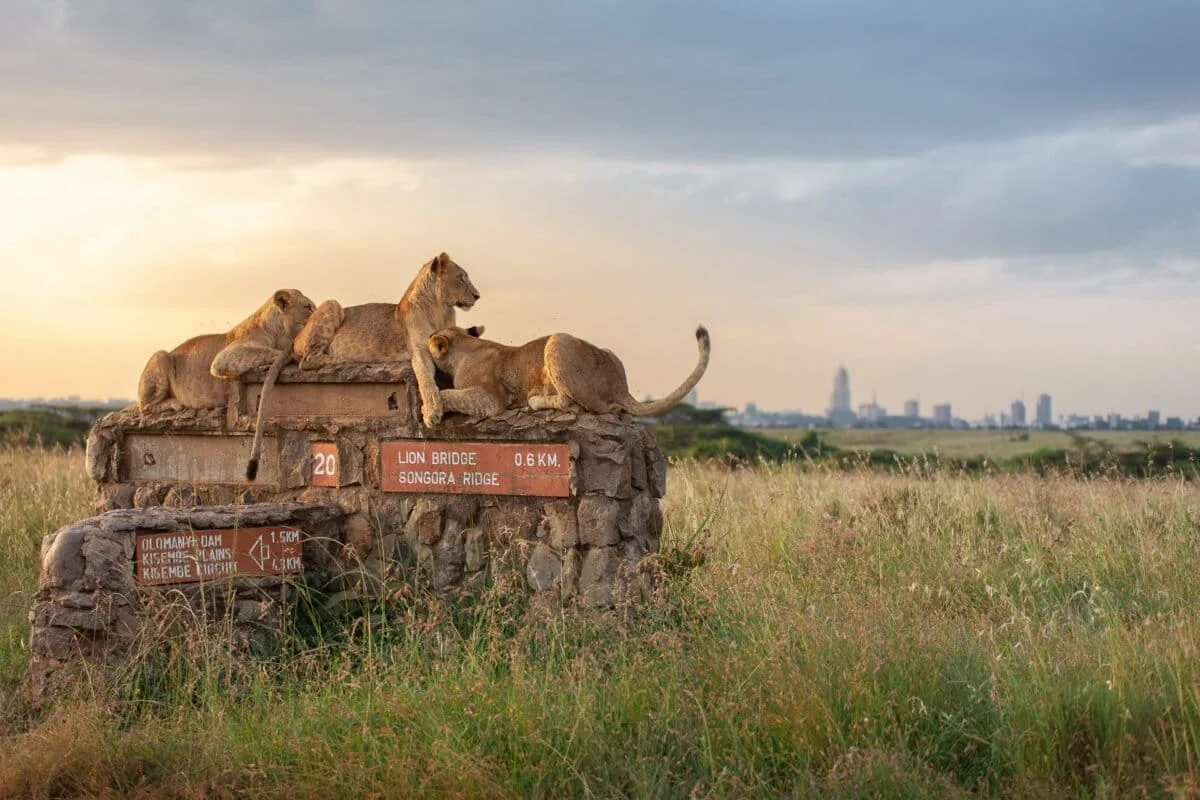
The long-standing tension between Kenyan environmental advocates and state development agencies has reached a new boiling point following allegations of harassment and obstruction during a court-mandated inspection of Nairobi National Park. At the heart of the dispute is a contentious government proposal to relocate the historic Nairobi Animal Orphanage and carve out a significant portion of the park’s land to facilitate the expansion of the Bomas International Conference Complex. The project, which has drawn fierce opposition from civil society, has now moved into the halls of the Environment and Land Court, where a legal battle is unfolding over the future of the world’s only national park located within a capital city.
The latest flashpoint occurred on July 16, when a court-ordered site visit was reportedly marred by interference from Kenya Wildlife Service (KWS) personnel. The inspection, led by Deputy Registrar Vincent Kiplagat, was intended to provide the judiciary with an objective report on the physical impact of the proposed upgrades. However, co-petitioners in the case, including the non-governmental organization Save the Nairobi National Park (SaveNNP), have publicly condemned what they describe as "threats and intimidation" aimed at preventing a transparent review of the site.
The Site Visit Controversy and Allegations of Obstruction
The Environment and Land Court in Nairobi had specifically ordered the visit to allow all parties involved—including activists, KWS officials, and legal representatives—to observe the area designated for the Bomas International Conference Complex expansion. The proposal seeks to utilize between 76 and 89 acres of land within the park’s boundaries to upgrade wildlife rescue and rehabilitation facilities, while also integrating the area into a larger commercial and hospitality hub.
According to a statement released by SaveNNP and JustAct, another Nairobi-based NGO, KWS personnel initially denied the groups access to the site, despite the court order. The activists alleged that the KWS attempted to "control the narrative" by limiting the presence of independent observers and the media during the most critical portions of the inspection. Similar reports were echoed by the Friends of Nairobi National Park (FoNNP), who claimed that the KWS was attempting to ensure the voice of the Kenyan public remained unheard by the court.
In response to these allegations, KWS spokesperson Duncan Wanyama denied any deliberate obstruction. Referring to local media reports, Wanyama maintained that the rangers on-site were simply enforcing standard security protocols. He stated that the visitors were eventually allowed to proceed and that the presence of security personnel was a routine measure within a protected area housing dangerous wildlife. However, the activists countered this, noting that they were only granted entry after the court officers, KWS representatives, and a limited pool of media had already completed their primary assessment.
The Bomas International Conference Complex: A Vision for Modernization
The Kenya Wildlife Service has remained steadfast in its defense of the project, framing it as a necessary modernization of aging infrastructure. The Nairobi Animal Orphanage, established in 1964, is one of the oldest facilities of its kind in Africa. KWS Director General Erastus Kanja has argued that the current facilities are no longer adequate for modern wildlife rescue and rehabilitation needs.
The proposed upgrades include the construction of a state-of-the-art wildlife hospital, enhanced visitor amenities, and expanded enclosures designed to provide a "semi-wild" environment. This, Kanja argues, will better prepare rescued animals for eventual reintroduction into the wild. Furthermore, the government highlights the economic potential of the project. The Bomas International Conference Complex is envisioned as a premier destination for "Meetings, Incentives, Conferences, and Exhibitions" (MICE) tourism. The KWS estimates that the facility will create roughly 500 jobs and provide a significant boost to the regional economy.
However, the scale of the proposed infrastructure has raised alarms. The inclusion of a parking facility designed to accommodate 1,300 vehicles is a particular point of contention. Conservationists argue that such a massive influx of traffic and human activity within the park’s borders will lead to noise pollution, increased carbon emissions, and the fragmentation of critical habitats.
Ecological Risks and the Threat to the Black Rhino
The primary concern for environmentalists is the potential impact on the Nairobi National Park’s unique biodiversity. The park is a sanctuary for the critically endangered black rhino, a species that has faced decades of poaching and habitat loss across the continent. Nairobi National Park serves as a vital "nursery" for the species, with rhinos often being translocated from the park to restock other conservancies across Kenya.

The 76 to 89 acres earmarked for development include sections of indigenous forest that provide essential cover and forage for the rhinos and other iconic species, including lions and leopards. Conservationists warn that encroaching on this habitat for commercial purposes sets a dangerous precedent for the management of protected areas.
"The park is not a vacant lot for infrastructure projects," said a representative from SaveNNP. "It is a complex ecosystem that provides essential services to the city of Nairobi, including climate regulation and water catchment. Carving out nearly 90 acres for a conference center and a massive parking lot is an existential threat to the park’s integrity."
A Chronology of Tensions and Legal Action
The legal challenge against the KWS and the government is the culmination of months of escalating tension. The following timeline outlines the key events leading to the current court battle:
- June 2024: Public outcry intensifies as details of the Bomas expansion plan are made public. Peaceful protests are held in Nairobi, leading to the high-profile arrest of Kenya’s former Chief Justice, David Maraga. The Law Society of Kenya (LSK) condemned the arrest, describing it as an assault on civic space and constitutional rights.
- July 6, 2024: A citizen-driven legal petition is filed in the Environment and Land Court. The petition, signed by over 4,600 Kenyans, asks the court to determine the legality of the construction and whether the government followed proper environmental impact assessment (EIA) protocols.
- July 16, 2024: The court-ordered site visit takes place, resulting in allegations of intimidation and obstruction by KWS rangers.
- Late July 2024: The court awaits the official report from Deputy Registrar Vincent Kiplagat to determine the next steps in the litigation.
The involvement of David Maraga has given the movement significant moral and legal weight. As the man who presided over the historic 2017 decision to nullify a presidential election, Maraga is a symbol of judicial independence in Kenya. His arrest during a conservation protest signaled to many that the government is willing to use heavy-handed tactics to push through development projects.
Broader Implications for Kenya’s Conservation Policy
The conflict over Nairobi National Park is reflective of a broader debate in Kenya regarding the balance between economic development and environmental stewardship. As the country seeks to modernize its infrastructure—exemplified by the Standard Gauge Railway (SGR) which already bisects the park on elevated pillars—the pressure on protected areas continues to mount.
The Law Society of Kenya has argued that national heritage sites are not state property to be "bartered behind closed doors." Under Article 37 of the Kenyan Constitution, citizens have the right to protest and petition the government on matters of public interest. Furthermore, the principle of "Public Trust" dictates that the government must manage natural resources for the benefit of all citizens, both present and future.
If the court allows the Bomas project to proceed in its current form, critics fear it will open the floodgates for further commercialization of Kenya’s national parks. There are concerns that other parks, such as Hell’s Gate or Amboseli, could face similar pressures for energy projects or hospitality infrastructure.
Conclusion and Future Outlook
As the Environment and Land Court prepares to review the findings of the site visit, the eyes of the international conservation community remain fixed on Nairobi. The outcome of this case will likely define the boundaries of executive power regarding the repurposing of protected lands.
For the 4,642 petitioners and the various NGOs involved, the fight is about more than just a few dozen acres of land; it is about the soul of Nairobi. The park is a unique global asset—a place where a visitor can photograph a rhino with the city’s skyscrapers as a backdrop. Whether that image remains a reality or becomes a relic of the past depends on the court’s upcoming deliberations.
While the KWS maintains that the upgrades are a boon for wildlife rehabilitation, the lack of transparency reported during the site visit has only deepened public mistrust. For now, the "Green Jewel" of Nairobi remains at the center of a tug-of-war between the vision of a modernized, high-revenue conference hub and the preservation of an irreplaceable natural heritage. The court’s decision will ultimately determine whether Kenya can truly harmonize its lofty development goals with its celebrated commitment to wildlife conservation.

