
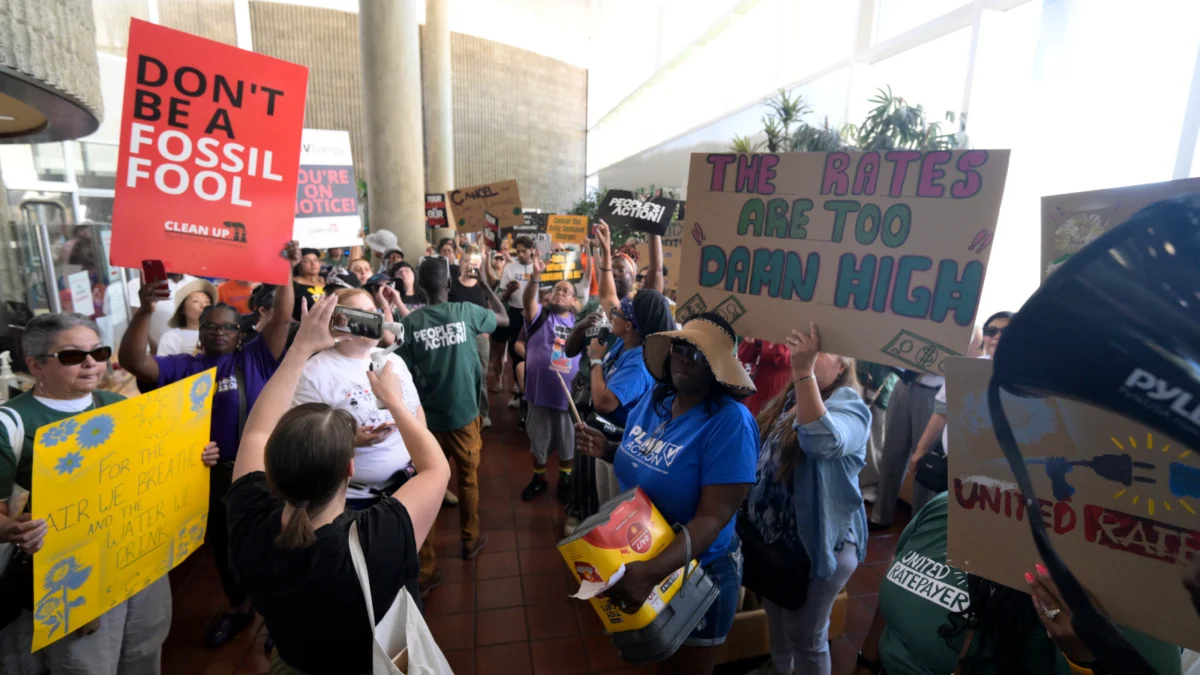
In a move that signals a significant shift in how states balance technological advancement with environmental and economic stability, New York Governor Kathy Hochul issued an executive order on Tuesday establishing a one-year moratorium on the construction of large-scale data centers across the state. This landmark decision makes New York the first state in the nation to implement a statewide pause on these energy-intensive facilities, reflecting growing anxieties over the impact of the "AI gold rush" on the public utility grid, consumer electricity rates, and the state’s ambitious climate goals.
The executive order directs the New York State Department of Public Service (DPS) to halt the issuance of new permits for hyperscale and large-scale data centers for a period of 12 months. During this hiatus, state agencies are tasked with conducting a comprehensive environmental and economic impact study. The Governor’s office stated that the pause is necessary to ensure that the rapid expansion of the digital economy does not come at the direct expense of New York residents, who are facing rising utility costs and a grid already under pressure from the transition to renewable energy.
The Impetus for the Moratorium: Energy and Economics
The rise of generative artificial intelligence and the expansion of cloud computing have triggered a global construction boom for data centers. These facilities, often spanning hundreds of thousands of square feet, house the servers and cooling systems required to process vast amounts of data. However, their physical footprint is matched by an even larger energy footprint.
Governor Hochul’s administration highlighted that the sheer volume of electricity consumed by these facilities threatens to undermine the state’s Climate Leadership and Community Protection Act (CLCPA), which mandates that New York’s electricity be 70% renewable by 2030. "As data center development threatens to hike up utility bills, deplete our natural resources, and create uncertainty for New Yorkers, it’s my responsibility to take action and lead," Governor Hochul said in an official statement accompanying the order.
The economic concern centers on "demand-side" pressure. When a massive data center connects to the grid, it often requires significant infrastructure upgrades. Under current regulatory frameworks, these costs are frequently passed down to residential and small-business ratepayers. Furthermore, by consuming a large share of the available energy supply, data centers can drive up wholesale electricity prices during periods of peak demand.
A Comprehensive Review and New Regulatory Frameworks
During the one-year moratorium, the Department of Public Service will lead a multi-agency proceeding to redesign the relationship between the state and the tech industry. A primary objective of this review is to develop a "pay-to-play" model for energy consumption. The Governor’s order suggests that future data center projects may be required to either pay a premium for their energy usage—which would be used to subsidize residential utility bills—or build their own dedicated renewable energy sources, such as on-site solar arrays or battery storage systems, to offset their draw from the public grid.
Additionally, Hochul has directed the state’s economic development agency, Empire State Development (ESD), to create a standardized framework for local municipalities. This framework is intended to empower towns and cities to negotiate more effectively with multinational tech corporations. The guidelines will focus on several key pillars:
- Infrastructure Investment: Requiring companies to fund local electrical and water infrastructure upgrades.
- Social Capital: Encouraging investments in community services, such as child care facilities and public parks.
- Labor Standards: Establishing prevailing wage requirements and local hiring mandates for the construction and operation of the facilities.
- Tax Reform: Governor Hochul explicitly called on the state legislature to repeal existing sales tax exemptions for large-scale data center equipment, arguing that the industry no longer requires such aggressive incentives to remain profitable.
Chronology of the Data Center Debate in New York
The road to this executive order has been marked by escalating tension between the tech industry and environmental advocates.
- 2023-2024: New York sees a 300% increase in permit applications for large-scale data centers, primarily in the Upstate region where land is cheaper and hydroelectric power from the Niagara River provides a lure for "green" computing.
- Early 2025: Community groups in Western New York and the Hudson Valley begin protesting proposed "hyperscale" sites, citing concerns over noise pollution from cooling fans and the massive consumption of local water supplies needed for server cooling.
- June 2026: The New York State Legislature passes a more permanent and restrictive data center moratorium bill (S10642). The bill seeks a three-year pause and stricter carbon-neutrality requirements.
- July 2026: Governor Hochul issues her executive order. While the order is shorter in duration than the legislative bill (one year versus three), it provides immediate legal weight while the Governor decides whether to sign the more extensive legislative version into law.
Supporting Data: The Scale of the Challenge
The scale of data center energy consumption is difficult to overstate. According to data from the International Energy Agency (IEA), data centers accounted for nearly 2% of global electricity demand in 2022, a figure expected to double by 2026. In the United States, Virginia’s "Data Center Alley" currently consumes more power than the entire city of San Francisco.
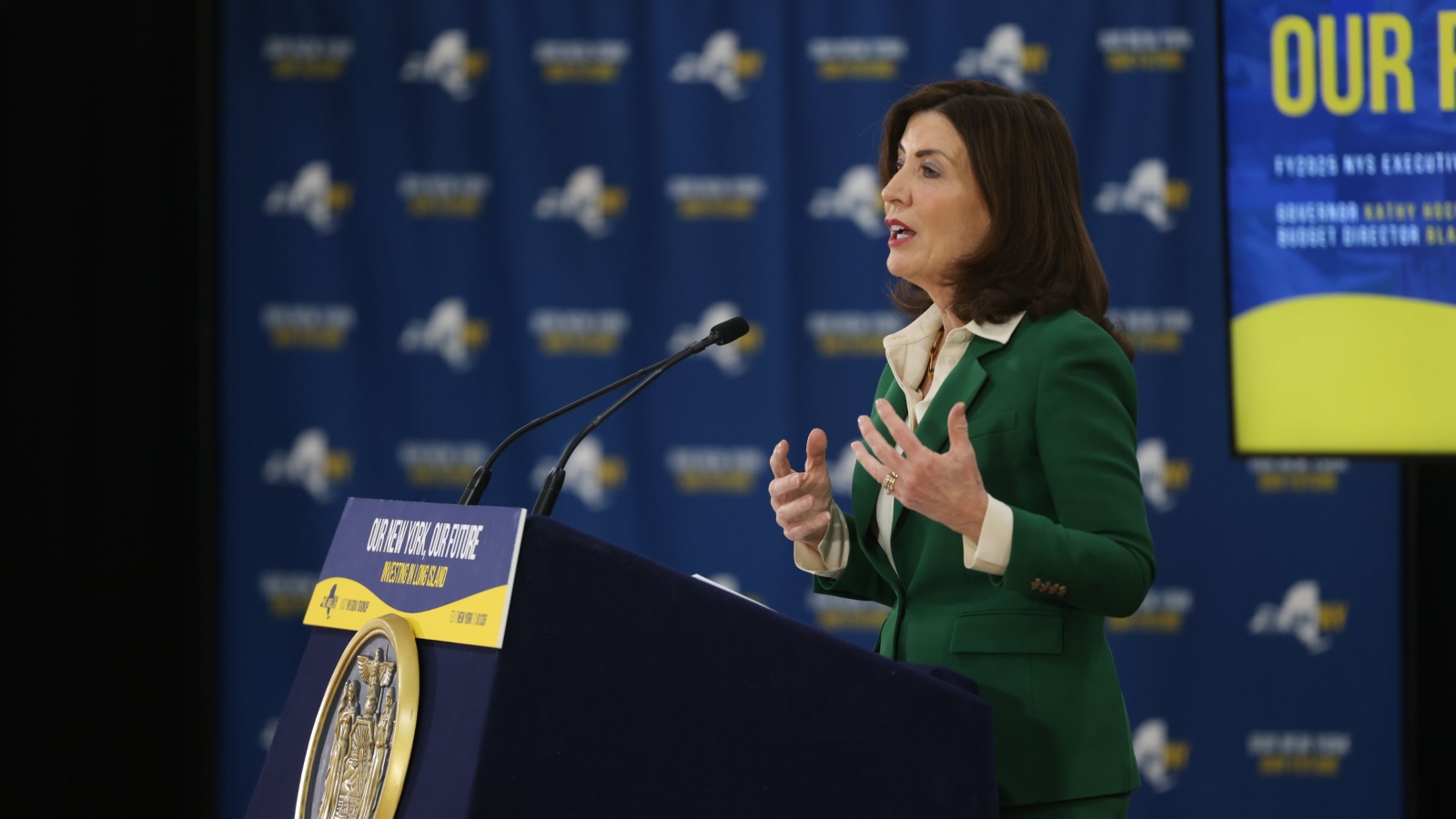
In New York, the New York Independent System Operator (NYISO) has warned in recent reports that the "reliability margin" of the state’s power grid is narrowing. The retirement of fossil-fuel plants, coupled with the delayed rollout of offshore wind projects, has left the grid sensitive to large, new industrial loads. A single hyperscale data center can require upwards of 100 to 500 megawatts of power—enough to electricity tens of thousands of homes.
Water usage is another critical factor. A typical large data center can consume up to 500,000 gallons of water per day for cooling purposes. In regions of New York that rely on sensitive aquifers, this consumption has raised alarms regarding long-term water security for agriculture and residential use.
Reactions from Stakeholders
The executive order has drawn a polarized response. Environmental advocacy groups, such as the Sierra Club and various local "No Data Center" coalitions, hailed the move as a necessary safeguard. "For too long, big tech has viewed our grid as an infinite resource," said a spokesperson for a coalition of Hudson Valley residents. "This pause allows the state to prioritize people over processing power."
Conversely, the technology industry and some business trade groups expressed concern that the moratorium could stifle innovation and drive investment to neighboring states. Industry analysts suggest that New Jersey, Pennsylvania, and Ohio—all of which are actively courting data center developers—could benefit from New York’s restrictive stance.
"Data centers are the backbone of the modern economy," said a representative for a major tech trade association. "By imposing a statewide moratorium, New York risks falling behind in the global AI race and losing out on billions of dollars in private infrastructure investment."
Broader Implications and National Context
New York’s decision is being watched closely by governors and legislators across the country. Earlier this year, Maine Governor Janet Mills vetoed a similar measure, citing concerns about the state’s business reputation. However, the tide appears to be turning as the reality of the energy transition sets in. In Virginia and Georgia, local officials are increasingly denying zoning requests for data centers, and several California municipalities have implemented their own localized pauses.
The New York moratorium highlights a fundamental tension in 21st-century governance: the desire to be a hub for high-tech industry versus the necessity of maintaining a stable, affordable, and green energy grid. If New York successfully implements a "pay-to-play" energy model and repeals tax breaks without completely alienating the tech sector, it could provide a blueprint for other states facing similar pressures.
As the DPS begins its year-long study, the tech industry will likely increase its lobbying efforts to ensure that the eventual regulations are not prohibitively expensive. Meanwhile, New Yorkers will be looking to see if this pause translates into more stable utility bills and a clearer path toward the state’s 2030 renewable energy targets.
The outcome of this "cooling-off period" will likely determine whether New York remains a viable destination for the infrastructure of the future or whether it becomes a cautionary tale of the limits of industrial growth in a climate-conscious era. For now, the hum of the server farms in the Empire State will wait for a clearer set of rules.

