
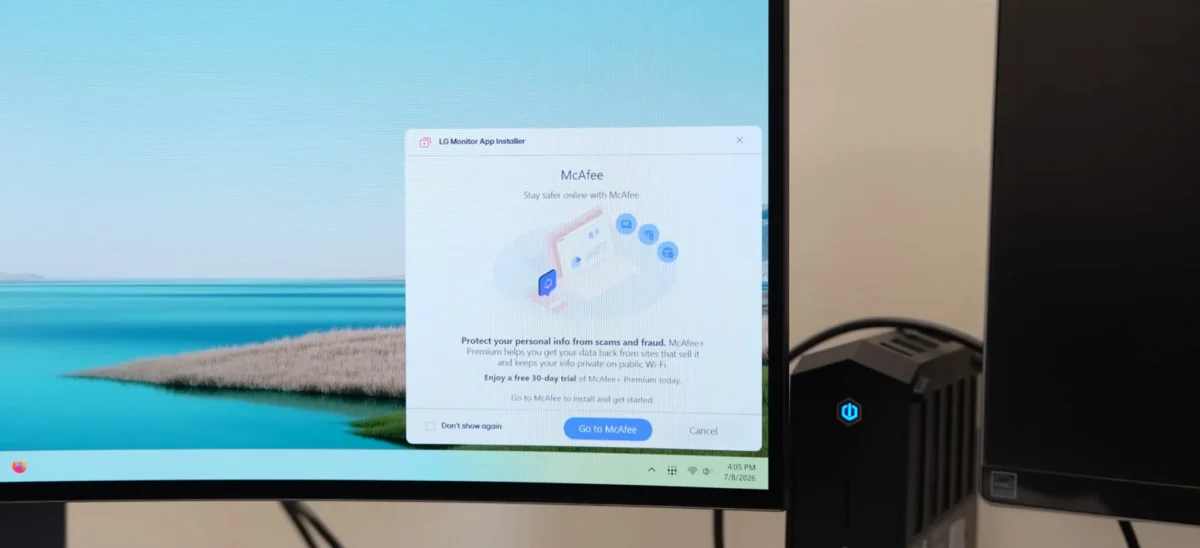
A growing number of users are expressing alarm over the unsolicited installation of LG’s "LG Monitor App Installer" on their Windows systems, a practice that occurs without explicit user consent or notification. This stealthy deployment, often disguised as a routine Windows Update, is raising significant privacy concerns and casting a shadow over the transparency of software installations, particularly for owners of LG’s premium monitor offerings.
The situation has been brought to light by various tech publications and content creators, most notably Gamers Nexus, who have documented instances of the app appearing on user PCs. The core of the issue lies in the apparent lack of a clear opt-in process. Users report that the LG Monitor App Installer, which is designed to facilitate the installation of monitor-specific applications and features, materializes on their systems without any prior prompt or request for permission. This is particularly troubling given the substantial investment many consumers make in LG’s high-end monitors, some of which can exceed $1,000. The unexpected appearance of advertising or bundled software on such expensive hardware is not only disruptive to user workflows but also raises fundamental questions about data privacy and control.
According to a statement attributed to an individual identified as Burke, the installation of the LG Monitor App Installer technically grants the software extensive permissions. Burke elaborated that once installed, the app "technically possesses permission to use ‘all system resources,’ as well as to ‘collect geolocation, device data, online activity, contacts, user credentials, transactions, and more.’" This broad access, especially when acquired without explicit user knowledge or consent, is a significant point of contention for privacy advocates and informed consumers. The potential for such a wide array of data collection, coupled with the silent installation method, creates a scenario where users may be unknowingly surrendering significant personal information.
The problem appears to be not a new, isolated incident, but rather a practice that has been ongoing for several years and may have recently seen an escalation or wider deployment. Burke noted that the pop-up advertisements associated with LG monitors have begun appearing on devices he purchased as far back as three years ago, suggesting a persistent strategy rather than a recent oversight. This historical context amplifies the concern, indicating that users may have been unknowingly subjected to this data collection and potential ad delivery for an extended period.
This incident also brings to the forefront broader questions about the permissions granted to peripheral device companion applications within the Windows ecosystem. The LG Monitor App Installer is listed on the Microsoft Store with a description stating its purpose is for users to "easily install and use apps supported by your monitor through LG Monitor App Installer." Among the listed applications that can be installed via this tool is McAfee, a well-known antivirus software. While the inclusion of antivirus software is not inherently problematic, the method of its potential installation – through an unsolicited background process – is where the controversy lies.
Delving deeper into the technical underpinnings, Microsoft’s Universal Windows Platform (UWP) device apps have a feature that allows for automatic installation. According to a Microsoft support page for Windows developers, UWP device apps can "automatically install when the user connects their device to the PC." This feature is active by default unless the user has specifically opted out of "Recommended Settings" during the Windows installation process, is connected to the internet, and is signed into the Microsoft Store. Crucially, the Microsoft documentation itself acknowledges a potential downside to this automatic installation: "The automatic installation feature does not provide a notification to the user when the app is installed. Some users may find this experience confusing and frustrating and give your app a bad rating." This candid admission from Microsoft highlights a design choice that prioritizes convenience for developers and the OS over explicit user awareness during the installation of companion software.
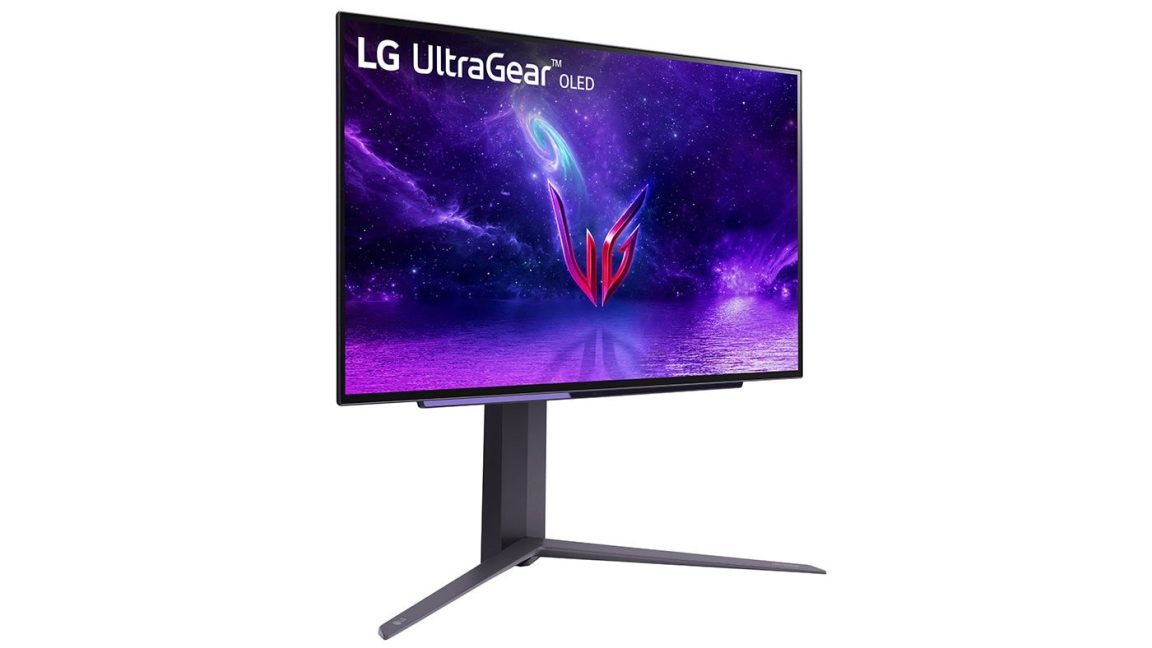
The practice of hardware vendors automatically installing software without clear consent is not unique to LG. Several other prominent technology companies have faced similar criticism in the past. This includes Razer, known for its gaming peripherals, Logitech, which offers a wide range of gaming and productivity devices, Asus, a major manufacturer of motherboards, and Gigabyte, another prominent motherboard vendor. These instances demonstrate a pattern across the industry where the lines between essential drivers, optional software, and potentially unwanted programs (PUPs) can become blurred, leading to user frustration and privacy concerns. However, given that many monitors do not inherently require a companion application to function correctly and are often substantial investments, the forcible installation of the LG Monitor App Installer, which can then facilitate further software installations, may be perceived as particularly egregious by consumers.
In response to these mounting concerns, Ars Technica reached out to LG for clarification. The company was reportedly asked about the specific purpose of the LG Monitor App Installer, which LG monitors are affected by this automatic installation, and the company’s stance on the privacy implications. As of the time of publication, an LG representative acknowledged receipt of these questions but had not yet provided a formal response. The lack of an immediate explanation from LG leaves users in a state of uncertainty and fuels further speculation about the company’s intentions and data handling practices.
Gamers Nexus, in its investigation, identified a list of LG monitors that have been reported by users as automatically installing the LG Monitor App Installer onto their PCs. This list, while informative for affected consumers, is not exhaustive. Given Microsoft’s allowance for UWP device apps to install automatically under certain conditions, it is plausible that a wider range of LG monitors, and potentially other device manufacturers’ products, could be subject to similar silent software deployments. The implications of this extend beyond just LG, potentially signaling a broader trend in how hardware manufacturers integrate their software with operating systems.
The ramifications of this situation are multifaceted. For consumers, it represents a loss of control over their digital environment and a potential erosion of privacy. The silent installation of software that collects personal data, even if for ostensibly beneficial purposes like optimizing monitor settings or providing access to additional features, undermines user trust. The inclusion of third-party software like McAfee, while a security tool, also adds another layer of potential data collection and program management that users may not have actively chosen.
From a broader industry perspective, this incident highlights a critical tension between ease of use, manufacturer-driven software integration, and user privacy. While automatic installation can streamline the setup process for some users, it can also lead to unintended consequences and security vulnerabilities if not managed with transparency and user control at the forefront. The reliance on Microsoft’s UWP automatic installation feature, even with its inherent lack of notification, suggests a need for clearer guidelines and potentially more robust opt-out mechanisms from both Microsoft and hardware manufacturers.
The timeline of this issue, with reports of silent installations potentially spanning years and recent observations of their resurgence, suggests a need for ongoing scrutiny. Consumers are increasingly aware of their digital footprint and demand greater transparency and control over their data. The LG Monitor App Installer controversy serves as a stark reminder that even seemingly innocuous software installations can have significant privacy implications, especially when they occur without the user’s explicit awareness. As the digital landscape evolves, the expectation for responsible data handling and transparent installation processes will only continue to grow, placing increased pressure on manufacturers and platform providers to align their practices with consumer trust and privacy rights. The eventual response from LG, and any potential actions taken by Microsoft to address the implications of its automatic installation policies, will be closely watched by consumers and the broader tech community.

