
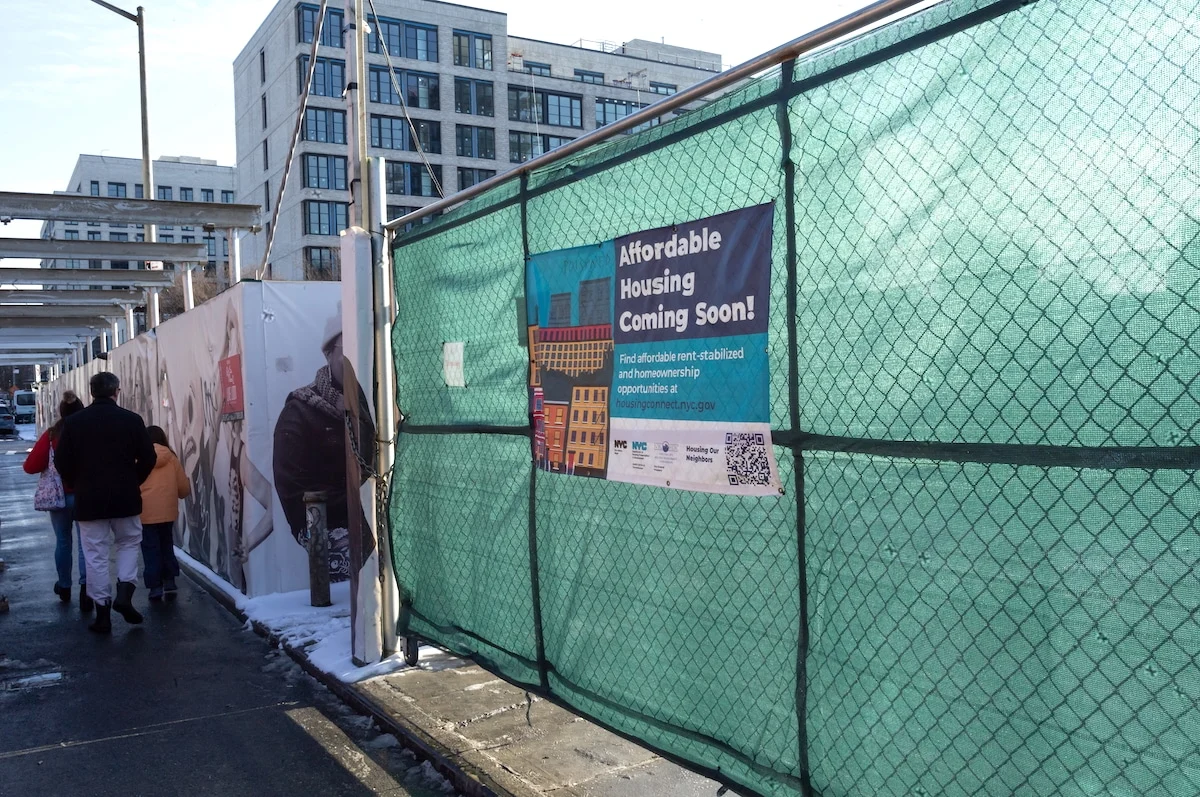
The finalized regulations establish a phased implementation schedule that differentiates between residential and commercial structures based on size and height. Under the new mandate, all new residential buildings up to seven stories tall, as well as new commercial or industrial buildings measuring less than 100,000 square feet, must be designed and constructed as all-electric if their building permit applications are approved on or after December 31, 2025. For larger structures, including commercial and industrial buildings exceeding 100,000 square feet, the compliance deadline is extended to 2029. This tiered approach is intended to allow the construction industry and the electrical grid to adapt to the increased demand for high-capacity electric heating and cooling systems in larger complexes.
A Decisive Legal Victory for Electrification
The path to finalization was fraught with legal challenges from fossil fuel advocates and construction trade groups. Earlier in July 2025, the U.S. District Court for the Northern District of New York delivered a landmark ruling that cleared the way for the state to enforce the All-Electric Buildings Act. The lawsuit, brought by a coalition of gas industry groups and building associations, sought to block the law by citing a federal appeals court decision that had previously overturned a similar gas ban in Berkeley, California.
In the Berkeley case, the court ruled that the city’s ban was preempted by the federal Energy Policy and Conservation Act (EPCA), which regulates the energy efficiency of appliances. However, the New York court found that the state’s approach—which focuses on the regulation of building codes rather than the direct prohibition of specific appliances—did not violate federal law. This legal distinction is viewed by legal experts as a crucial precedent that may empower other states to pursue similar electrification mandates without fear of immediate federal preemption.
Environmental and community advocates hailed the court’s decision as a triumph of public health over corporate interests. Dawn Wells-Clyburn, Executive Director of PUSH Buffalo, emphasized that the ruling sends a message that the well-being and affordability of communities take precedence over the profits of the fossil fuel industry. Despite this victory, the mandate faces ongoing scrutiny, as industry groups have reportedly petitioned the U.S. Department of Justice to intervene, though the law remains in full effect for the time being.
Environmental Necessity and the Role of Buildings
The push for all-electric buildings is driven by the stark reality of New York’s greenhouse gas inventory. According to the New York State Department of Environmental Conservation (DEC), the "built environment"—comprising residential and commercial buildings—is responsible for approximately 31% of the state’s total greenhouse gas emissions. This makes buildings the single largest source of emissions in the state, surpassing even the transportation sector.
Most of these emissions stem from the on-site combustion of fossil fuels, primarily natural gas and heating oil, for space heating, water heating, and cooking. By transitioning new construction to electric heat pumps and induction cooktops, New York aims to eliminate a primary source of carbon dioxide and methane leakage. Furthermore, the shift to electric systems is expected to significantly improve indoor air quality. Numerous studies have linked gas stove emissions to increased risks of respiratory issues, particularly childhood asthma, which is a significant public health concern in New York’s densely populated urban centers.
Economic Implications and Consumer Savings
While critics of the mandate have expressed concerns regarding the upfront costs of all-electric construction, data from the New Buildings Institute and other energy analysts suggest that the long-term economic benefits are substantial. Research indicates that building 100% electric single-family homes can lead to construction savings of between $7,500 and $8,200 compared to conventional homes that require the installation of gas lines, meters, and venting systems.

For the end-user, the financial outlook is equally positive. The All-Electric Buildings Act is projected to reduce energy usage in New York homes by approximately 17%. Over a 30-year period, this reduction in energy consumption is estimated to save the average household nearly $5,000 in utility costs. These savings are largely attributed to the superior efficiency of modern air-source and ground-source heat pumps, which can provide three to four times more heat energy than the electrical energy they consume.
Alex Beauchamp, Northeast Region Director at Food & Water Watch, noted that the success of the bill was the result of a grassroots effort to challenge the "limitless budget" of fossil fuel opponents. He emphasized that the focus will now shift toward addressing the state’s existing building stock, which remains a formidable challenge in the quest for total decarbonization.
Chronology of New York’s Electrification Journey
The finalization of the building code is the culmination of years of legislative and regulatory maneuvering. The following timeline outlines the key milestones in this process:
- July 2019: Governor Andrew Cuomo signs the Climate Leadership and Community Protection Act (CLCPA), setting a goal of an 85% reduction in greenhouse gas emissions by 2050.
- December 2021: New York City passes its own landmark legislation (Local Law 154), banning gas hookups in most new buildings under seven stories starting in 2024.
- May 2023: Governor Kathy Hochul and the State Legislature include the All-Electric Buildings Act in the state budget, making New York the first state to pass such a law.
- October 2023: Fossil fuel industry groups file a lawsuit in federal court to block the implementation of the act, citing the Berkeley precedent.
- July 2025: The U.S. District Court for the Northern District of New York rules in favor of the state, allowing the law to proceed.
- Late July 2025: The State Fire Prevention and Building Code Council finalizes the technical rules and implementation dates for the mandate.
- December 31, 2025: The first phase of the mandate takes effect for small residential and commercial buildings.
- 2029: The second phase takes effect for large-scale commercial and industrial buildings over 100,000 square feet.
Strategic Exemptions and Infrastructure Challenges
Recognizing the technical limitations of current electric technology in certain sectors, the state has included several specific exemptions in the mandate. Facilities that require high-intensity heat or specialized equipment that cannot yet be efficiently powered by electricity are permitted to maintain fossil fuel hookups. These include:
- Hospitals and Medical Facilities: Where backup power and specific sterilization processes are critical.
- Laboratories: Often requiring precise temperature controls and high-heat burners.
- Commercial Kitchens and Restaurants: Where gas-powered equipment remains a standard for certain culinary techniques, though induction technology is increasingly being adopted.
- Agricultural Buildings and Crematoriums: Due to the specific thermal requirements of their operations.
- Emergency Standby Power: Buildings are still permitted to use fossil fuel generators for emergency backup systems.
Despite these exemptions, the vast majority of new construction will be required to utilize electric heat pumps for space heating and cooling. This transition places a significant emphasis on the reliability of New York’s electrical grid. State officials and utility providers are currently working to upgrade transmission infrastructure and increase the share of renewable energy—such as offshore wind and solar—in the state’s power mix to ensure that the "all-electric" mandate results in true zero-emission operation.
Analysis: A Blueprint for the Nation
New York’s move is being watched closely by policymakers across the United States. While California and Washington have implemented similar measures through building codes, New York is the first to do so via direct state legislation. The successful defense of the law in federal court provides a "stress-tested" model for other states, such as Massachusetts and Illinois, which are considering similar paths.
The shift toward electrification is not merely an environmental policy; it is an industrial transformation. It signals to developers, architects, and manufacturers that the future of New York’s real estate market is electric. This certainty is expected to drive innovation in heat pump technology and cold-climate efficiency, potentially lowering costs for the rest of the country as the market scales.
As New York moves toward the December 2025 deadline, the focus of the construction industry will shift from debate to implementation. While the transition will require a period of adjustment for tradespeople and developers, the state has positioned this mandate as a necessary evolution to ensure the long-term viability of its urban centers in a warming world. The All-Electric Buildings Act stands as a testament to New York’s intent to lead the national transition away from fossil fuels, one floor at a time.

