
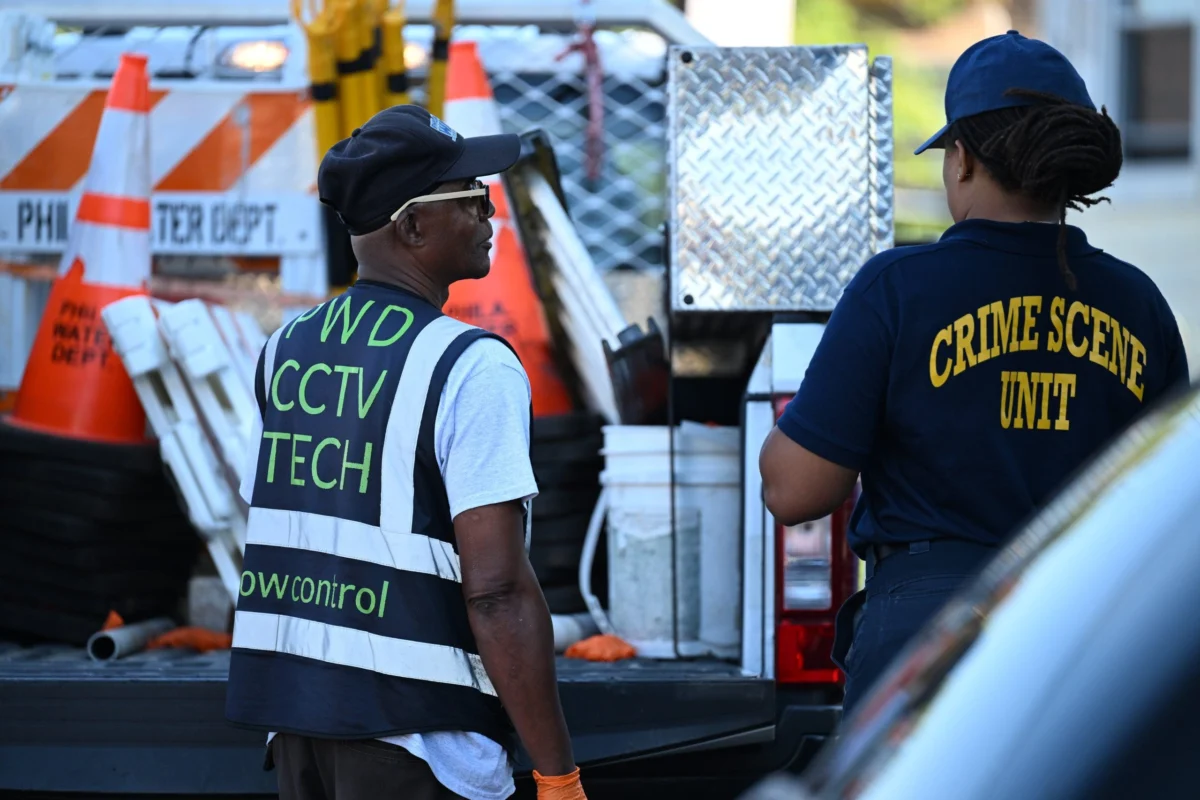
The quiet residential neighborhood of Olney in Philadelphia has become the epicenter of a sprawling, multi-agency federal and local investigation that investigators warn could expose an underground network of sadistic content distribution. What began as a routine police call involving unlawful firearms and forgery has unspooled into a nightmarish potential serial killer probe centered on a single family home on the 400 block of West Chew Avenue. Inside the property, authorities have uncovered over a million pieces of digital evidence, suspected human remains, industrial chemical apparatuses, and disturbing video footage linking the location to at least seven missing women.
As forensic experts and investigators meticulously comb through the fortified residence, the case is drawing intense national scrutiny. Prominent forensic psychologists and law enforcement officials suggest that the grim discoveries made at the property may extend far beyond isolated acts of violence, pointing toward a deeply entrenched commercial enterprise tied to the production and illicit trafficking of extreme graphic media.
The Initial Arrest and the Discovery of West Chew Avenue
The investigation erupted into public view following the June arrest of 44-year-old Eugene Horsch. Initially detained on charges related to weapons violations and forgery, Horsch’s apprehension immediately triggered heightened interest from law enforcement. When police executed search warrants at the family home on West Chew Avenue, the scope of the inquiry widened dramatically.
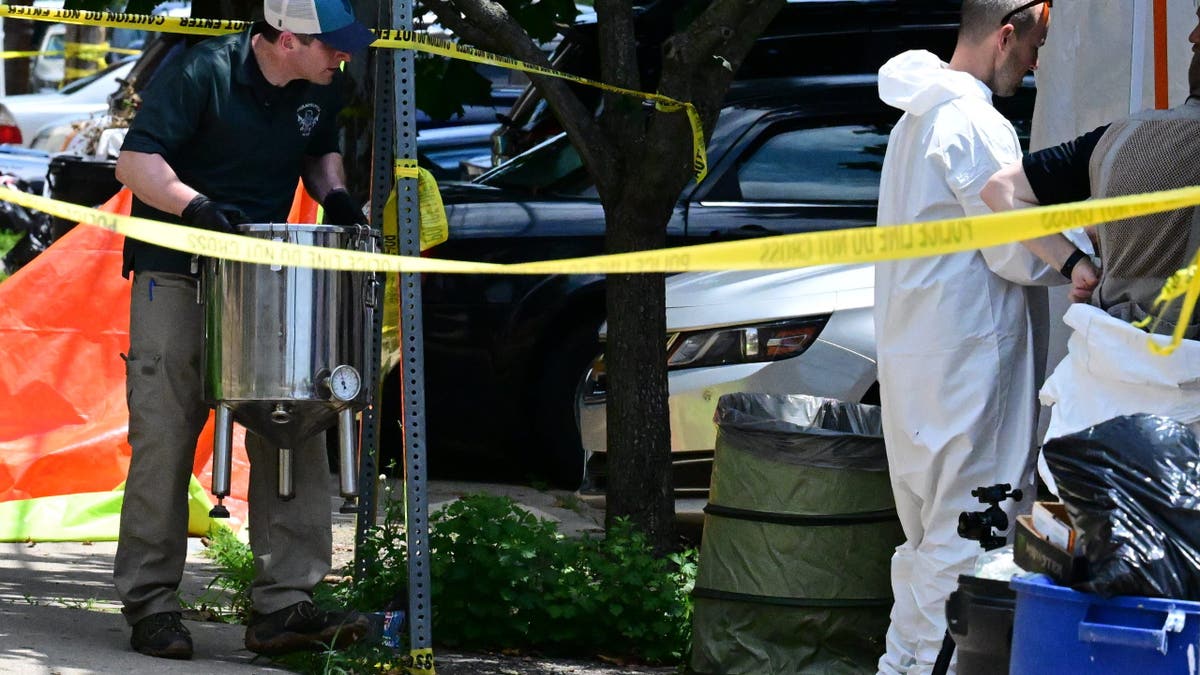
Inside the residence, investigators encountered an environment that suggested meticulous preparation for violent acts and evidence destruction. Among the initial findings were specialized tools, including an autoclave—a device typically used for sterilizing medical equipment or, in illicit contexts, destroying biological evidence—alongside a drum of industrial chemicals directly hooked into the home’s residential water system.
Most alarming to investigators was the sheer volume of digital media uncovered. Philadelphia Police Department officials confirmed that the home contained more than one million digital files, consisting of photographs and video recordings. Sifting through this staggering mountain of data has required extensive technological resources and collaboration with federal partners, including the FBI. As of recent updates, investigators have reviewed less than a third of the recovered digital archive, yet that partial examination has already yielded chilling connections to missing persons cases.
The Shadow of R.C. Horsch: A Dark Legacy of Methamphetamine and Violent Fiction
To understand the grim infrastructure discovered at the Chew Avenue home, investigators have intensely scrutinized the background of Eugene’s father, Raymond "R.C." Horsch. The elder Horsch, who died the previous year at the age of 82, was a convicted methamphetamine producer whose life and purported creative output mirrored the macabre realities now being uncovered by police.
R.C. Horsch operated within underground circles as a producer of brutally themed pornography and an author of explicitly violent fiction. His 2014 self-published novel, titled "Empathy," featured a narrative arc detailing the systematic dissolution of a murdered woman’s body using boiling chemicals—a chilling detail that has drawn direct comparisons by investigators to the physical evidence and chemical drums found connected to the home’s plumbing infrastructure. In response to the unfolding investigation, major distributors including Amazon and Goodreads swiftly delisted the volume from their platforms.
Forensic experts note that the elder Horsch’s background in the illicit adult entertainment industry provides a crucial behavioral framework for understanding the alleged crimes. According to professionals who analyze violent offender profiles, the intersection of commercialized pornography production and sadistic violence creates a unique risk factor for financial exploitation through illegal acts.
Forensic Analysis: The Specter of Underground Snuff Film Networks
The recovery of suspected "snuff" videos from the property has escalated concerns regarding the potential monetization of extreme violence. Dr. Kris Mohandie, a board-certified forensic psychologist, emphasized the financial and structural implications of the digital evidence recovered from the Horsch household.
"The fact that the father was involved in the pornographic industry indicates that there may have been, in addition to the sadistic motives that we usually see in serial murders, that there may have been profit in distribution of so-called snuff films," Dr. Mohandie explained. "This may very well be in addition to all the heinous alleged crimes that seem to be part of this—abduction, rape, torture, and so forth, things that sadistic offenders will do to victims—there may very well also have been a participation in distributing so-called snuff films to underground networks of people that are into this stuff."
Law enforcement agencies are currently examining whether the digital files were shared, traded, or sold across encrypted dark web forums or specialized peer-to-peer networks catering to extreme fetishes. The presence of such a vast digital repository suggests that the operation may have involved accomplices or consumers outside the immediate Philadelphia area, prompting a broader federal inquiry into potential domestic and international distribution rings.
The Victims: Linking Missing Women to the Chew Avenue Residence
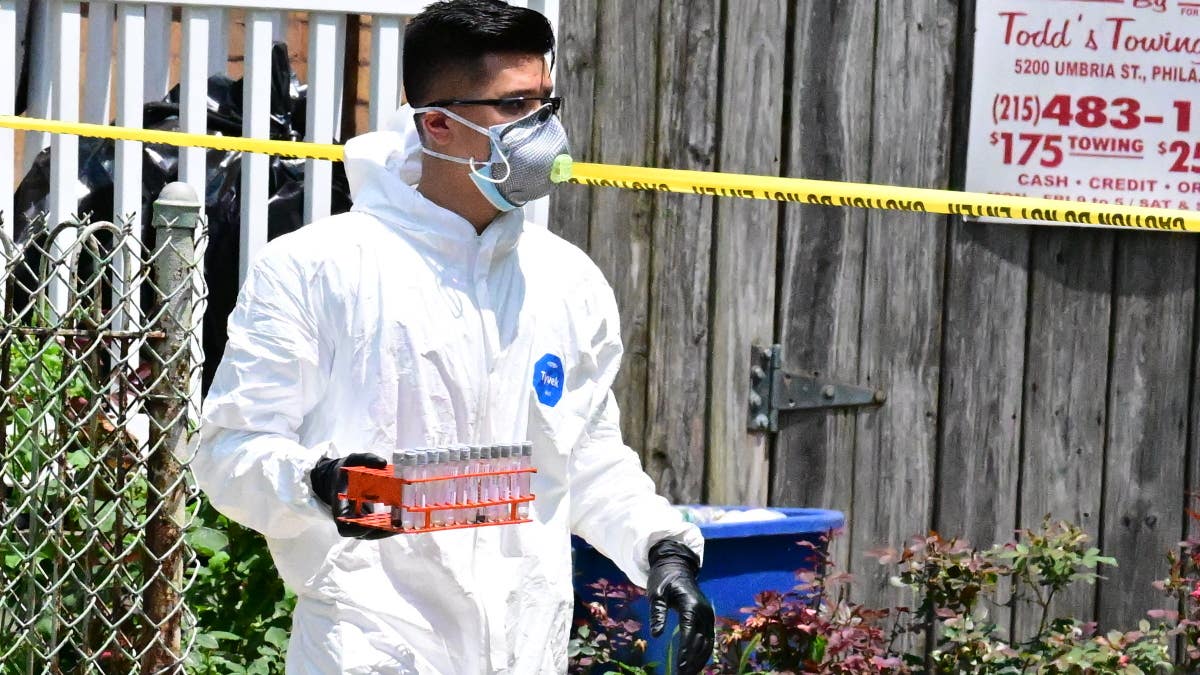
While Eugene Horsch has not been formally charged with homicide or kidnapping in connection with the missing women, local and federal authorities have formally linked the Chew Avenue address to seven distinct missing persons cases. At least five of these individuals are currently presumed dead by investigators.
Through the meticulous review of the digital files recovered from the residence, police have successfully identified four of the missing women within the graphic imagery. Thus far, authorities have publicly released the names of two identified victims: Gabrielle Amarando and Maribel Fresses.
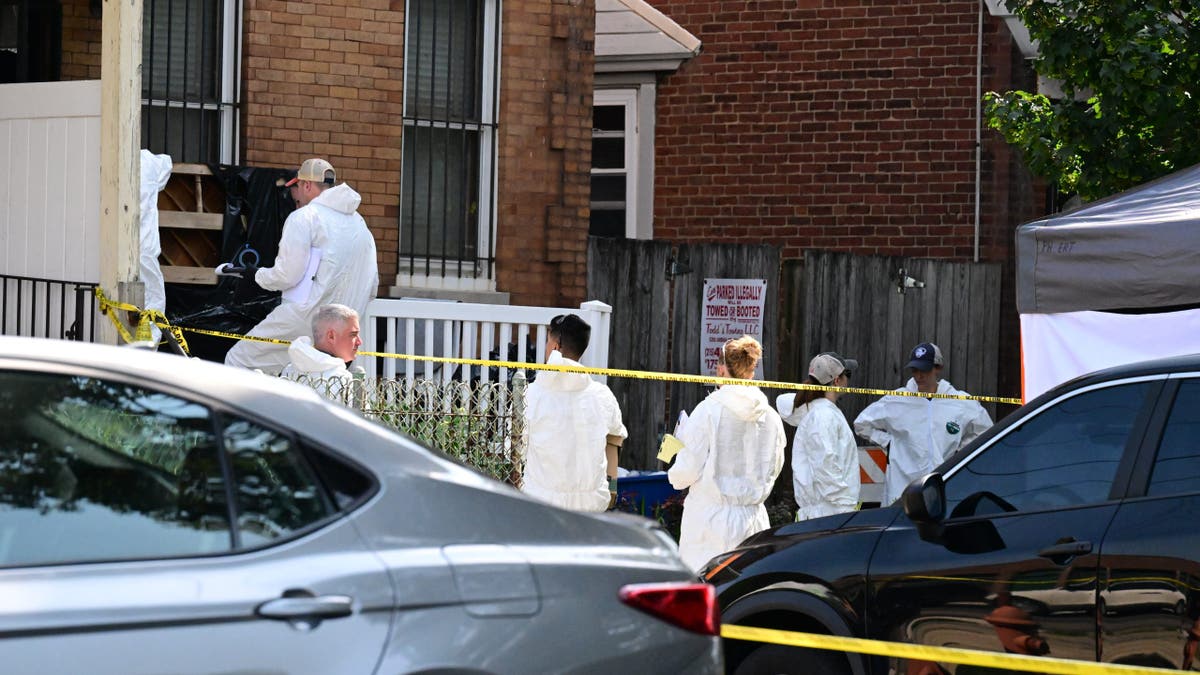
The breakthrough in identifying the victims began during Eugene Horsch’s initial arrest in the spring, when a female associate detained alongside him was reportedly found in possession of identification belonging to one of the missing women. This single piece of physical evidence served as a vital catalyst, prompting judges to grant expansive search warrants that allowed tactical teams, forensic anthropologists, and utility excavation crews to dismantle portions of the property.
Exhaustive Excavation and Ongoing Law Enforcement Operations
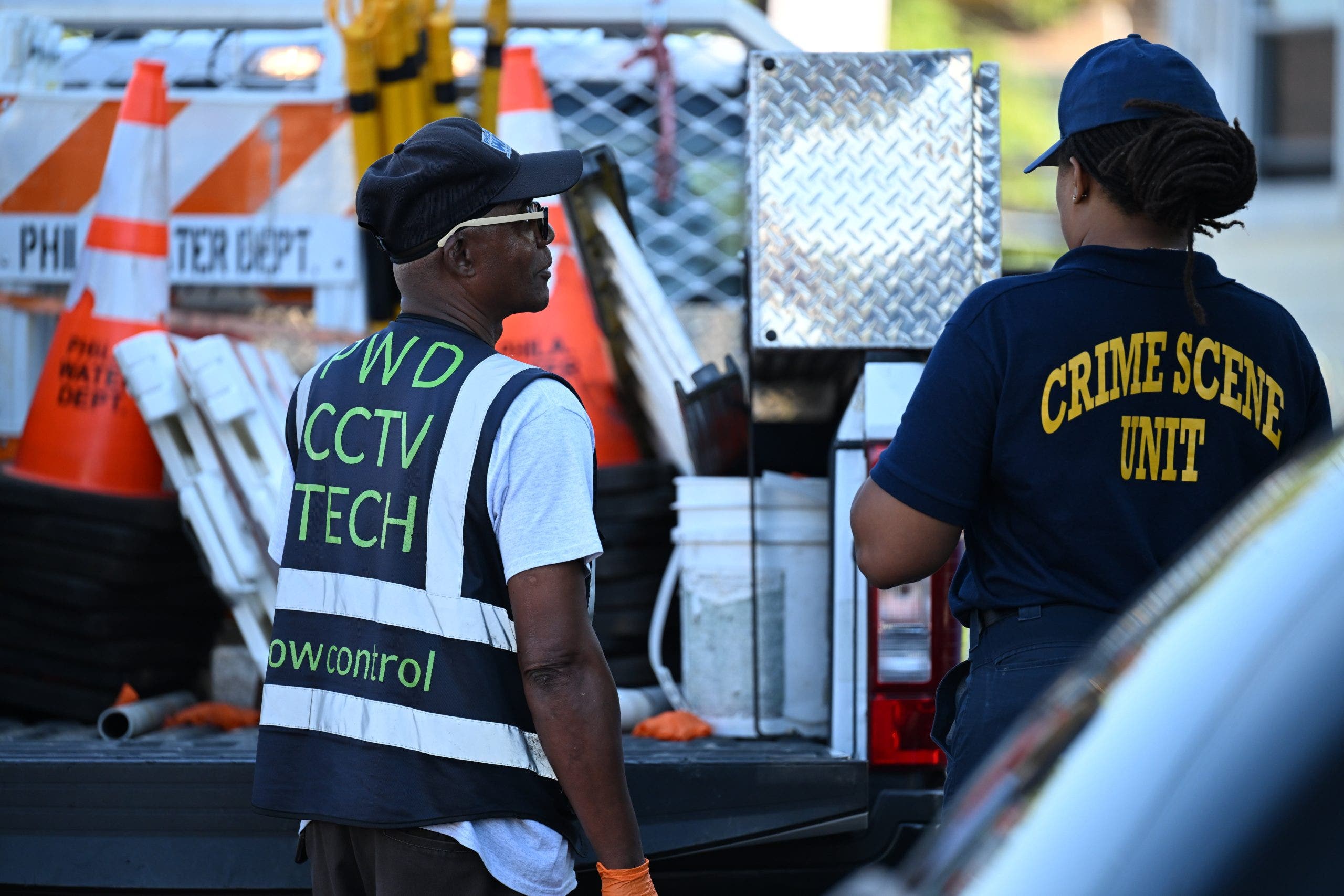
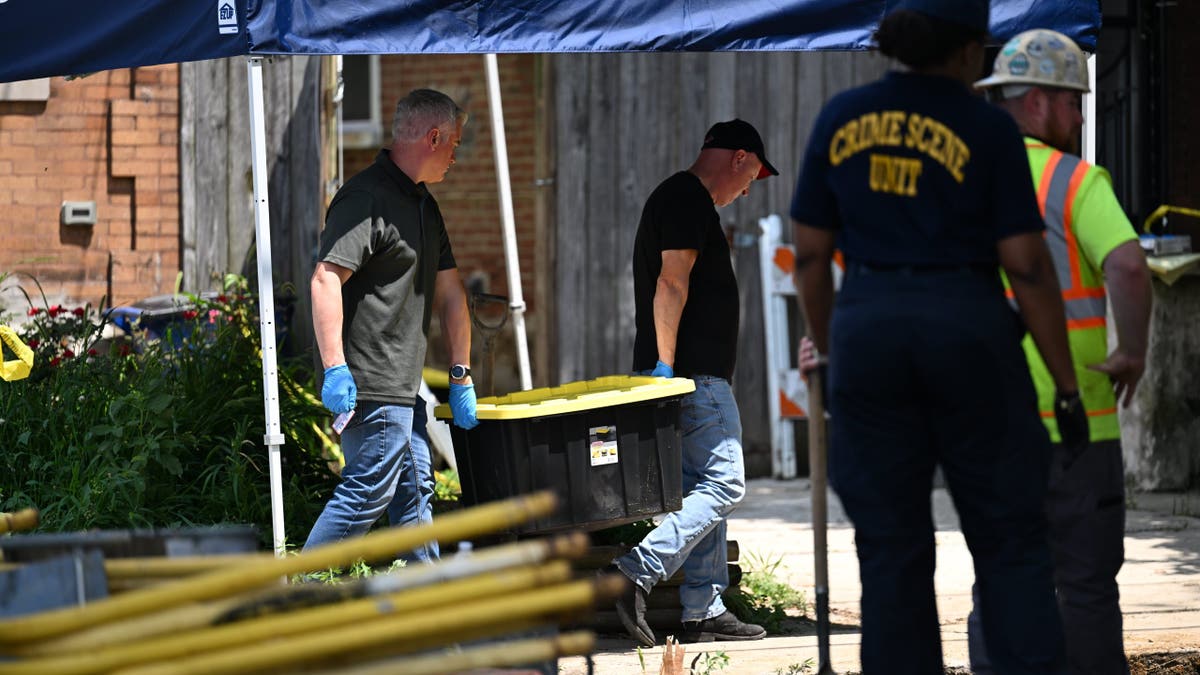
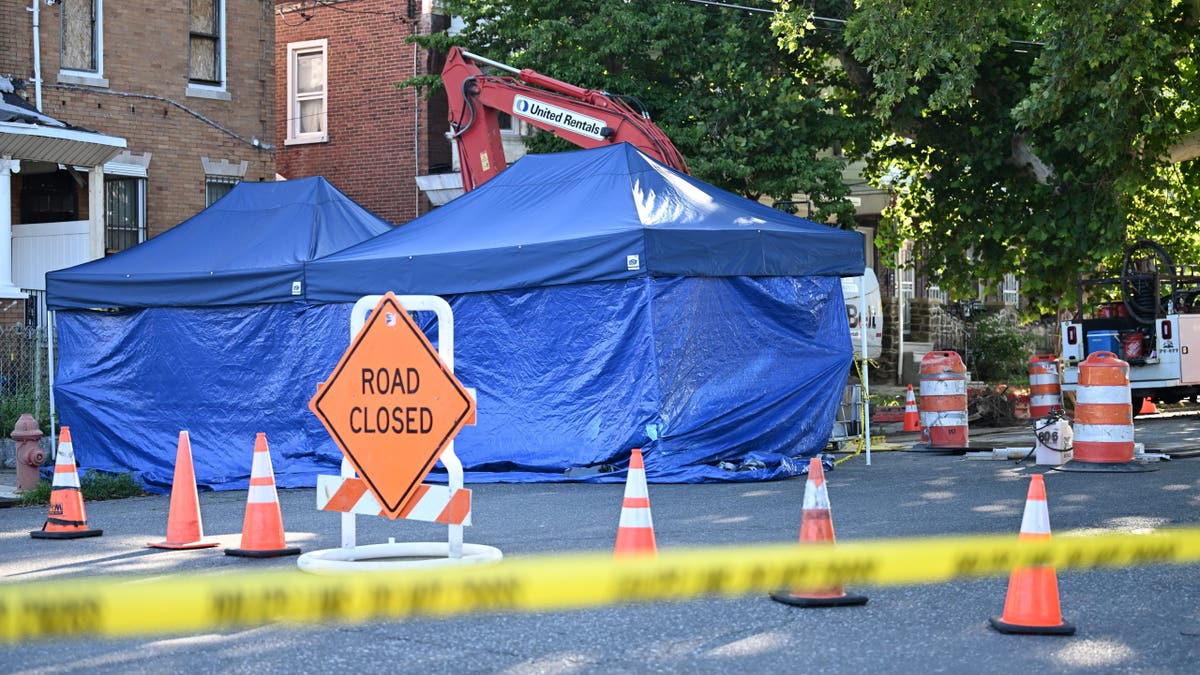
The investigation on West Chew Avenue has resembled an industrial recovery site rather than a standard residential search. Over multiple weeks, specialized law enforcement units, supported by municipal utility crews, deployed heavy excavation equipment to inspect the structural integrity of the home, its surrounding soil, and the municipal sewer lines connected to the property.
Crews have systematically dug up portions of the yard and basement foundations, utilizing ground-penetrating radar and cadaver dogs to locate potential subterranean burial sites or chemical disposal points. Forensic teams have also recovered possible human ashes and biological fragments from various locations within the home’s infrastructure.
Despite the intense physical search and the volume of recovered evidence, the Philadelphia District Attorney’s Office has proceeded methodically, ensuring that every piece of forensic data undergoes rigorous chain-of-custody verification before bringing forward additional charges. Legal analysts note that building a comprehensive multi-count homicide and racketeering case involving historical missing persons requires meticulous DNA confirmation and digital forensics, which accounts for the measured pace of formal indictments.
Broader Societal and Legal Implications
The unfolding tragedy on West Chew Avenue has cast a harsh spotlight on the darker corners of the internet and the vulnerabilities of missing persons tracking systems. The case underscores the challenges law enforcement faces in monitoring recidivistic offenders who operate within insular familial or social networks, shielding their activities behind layers of digital encryption and obscurity.
Furthermore, the involvement of published literature depicting methods of body disposal highlights critical questions regarding the oversight of self-published violent content and the ease with which extreme instructional material remains accessible prior to active criminal investigations. As cybersecurity and true crime investigators continue to parse through the remaining two-thirds of the digital evidence archive, the full extent of the network connected to the Horsch residence remains to be seen.
Federal and local authorities have urged anyone with information regarding the missing women, or individuals who had contact with R.C. or Eugene Horsch over the past several decades, to come forward as the comprehensive investigation continues.

