
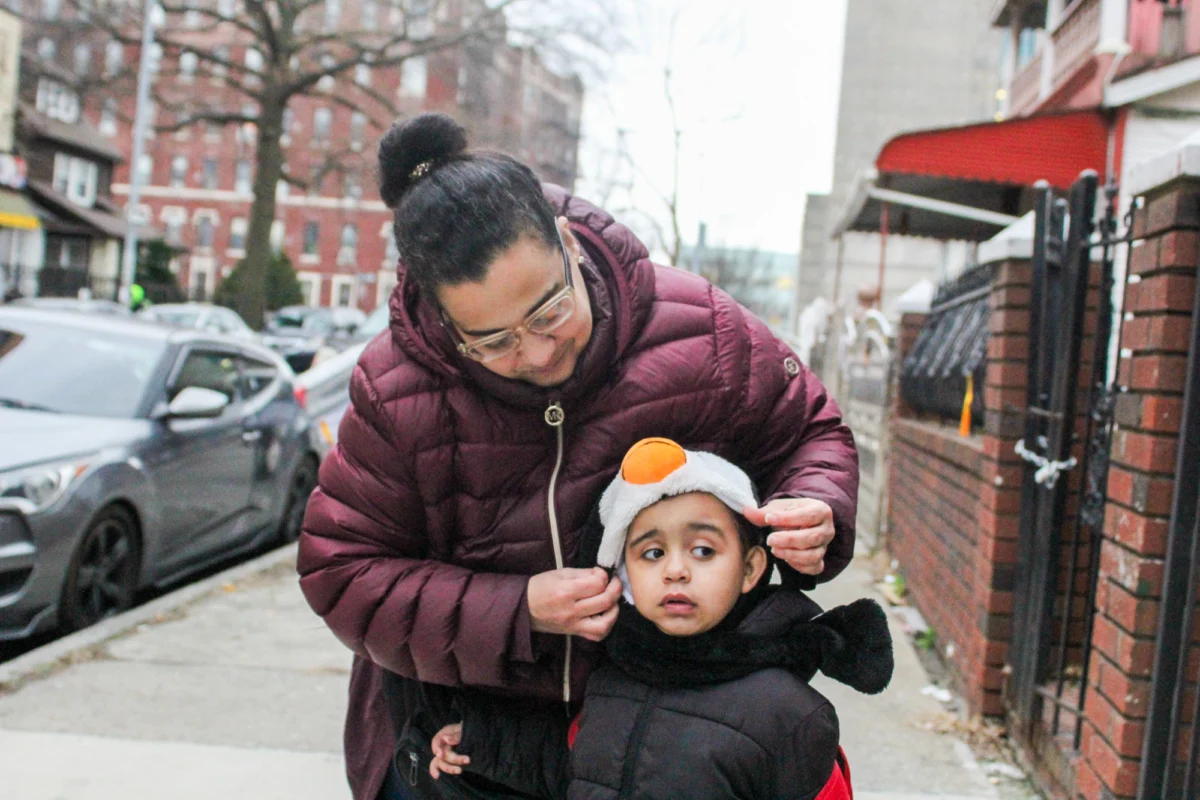
The landscape of American child care policy stands at a precarious crossroads as the Trump administration considers a radical restructuring of the $12 billion Child Care and Development Block Grant (CCDBG). While the program has served for decades as a lifeline for low- and moderate-income working families, a new proposal championed by Vice President JD Vance seeks to pivot federal support away from traditional daycare centers and toward stay-at-home parents. This potential policy shift, which would prioritize families where one spouse remains home while the other works at least 35 hours a week, has ignited a fierce debate over the government’s role in supporting working mothers versus promoting a traditional domestic model.
The current system is already failing to meet the overwhelming demand. Across the United States, parents are facing record-high waitlists that effectively lock thousands of families—particularly single mothers—out of the workforce. For many, the dream of reliable, affordable child care is deferred by years of bureaucratic hurdles, leaving them to choose between underpaid employment and the constant threat of financial insolvency.
The Human Cost of Systemic Delay
For many single parents, the struggle to secure a spot in a subsidized child care program is a defining feature of their daily lives. Bonnie Albrecht of Texas endured nearly two years on a waitlist, navigating a labyrinth of red tape that required seven distinct pay stubs and persistent administrative follow-up. In Syracuse, New York, Edythe Smith found herself trapped in an impossible cycle, juggling full-time employment while providing full-time care for her infant daughter at home, simply because the state-funded assistance she qualified for was unavailable. Barbara Aranda, an Austin resident, saw her economic stability evaporate as she was forced to miss work repeatedly due to a lack of reliable care, eventually relying on food pantries to sustain her three children.
These cases are not anomalies; they are the statistical reality of a system stretched to its breaking point. Roughly 80 percent of subsidy recipients are single parents. When these individuals are unable to secure child care, the downstream effects are immediate: lost wages, missed career promotions, and a deepening cycle of poverty. The delay in accessing aid does not just impact the parent; it affects the developmental trajectory of the children, who may be placed in unregulated, informal care environments while their parents scramble to make ends meet.
The Political Impasse: A Clash of Ideologies
The debate over the future of the CCDBG reflects a deeper ideological divide within the Republican party. Vice President JD Vance has positioned himself as a vocal critic of the current universal child care framework. On social media platforms, Vance has characterized the existing model as a "massive subsidy to the lifestyle preferences of the affluent," arguing that "normal Americans care more about their families than their jobs." His critique suggests a fundamental shift in philosophy: the belief that the federal government should not facilitate the entry of parents into the paid labor force if that process involves placing children in institutionalized day care.
However, this perspective is far from universal among conservative lawmakers. Earlier this year, a cohort of 40 Republicans in Congress broke ranks to advocate for "robust" funding of the existing CCDBG program. Their position reflects an acknowledgment that child care is an essential component of labor market participation. Furthermore, influential conservative voices, including organizations founded by former Vice President Mike Pence, have voiced opposition to the Vance proposal. Critics from within the conservative movement argue that providing government-funded subsidies for stay-at-home parents risks "punishing work" and introduces an unprecedented level of government intrusion into the sanctity of the private family unit.
Chronology of a Policy Struggle
The current tension is the culmination of years of mounting pressure on the American child care sector.
- 2020-2022: The COVID-19 pandemic exacerbated existing cracks in the child care infrastructure. As daycare centers shuttered permanently, waitlists ballooned, and the labor force participation rate for mothers of young children plummeted.
- 2023: Federal data confirmed that waitlist times for CCDBG subsidies reached historic highs in states across the South and Midwest.
- Early 2026: A bipartisan group of 40 Congressional Republicans formally requested increased funding for child care, signaling a push for infrastructure stability.
- September 2026: Reports surfaced detailing Vice President Vance’s plan to prioritize married, stay-at-home households, effectively moving to rewrite the criteria for federal assistance.
- Present: The proposal remains a subject of intense legislative debate, with no clear path to implementation but significant influence on the current political discourse.
Economic and Societal Implications
If enacted, the proposed shift to prioritize stay-at-home parents would represent the most significant federal change to family policy in decades. Economists have noted that such a policy could have profound implications for the labor market. By incentivizing one parent to leave the workforce, the government could inadvertently decrease the available labor pool in sectors already struggling with staffing shortages.
Furthermore, the "marriage requirement" attached to the proposal presents a potential legal and social obstacle. By creating a tiered system where married households receive preferential treatment over single-parent households, the policy could be vulnerable to constitutional challenges regarding equal protection. From an administrative standpoint, verifying the employment status and marriage status of millions of applicants would require a massive expansion of government oversight, directly contradicting the small-government platform often favored by the current administration’s base.
The View from the Front Lines
For parents like Amy Lee Funes, a New York City resident who struggled to obtain assistance despite earning only $35,000 annually, the political maneuvering in Washington feels detached from the realities of survival. The policy debate, while framed in terms of "family values" and "lifestyle preferences," ignores the necessity of the dual-income or single-earner struggle.
Experts in child development and labor economics suggest that the current focus on "stay-at-home versus working" is a false dichotomy. Instead, they argue that the focus should be on increasing the supply of high-quality child care. Without significant investment in the infrastructure of care—training workers, increasing wages for providers, and upgrading facilities—waitlists will continue to grow, regardless of which demographic the government chooses to prioritize for subsidies.
Conclusion: A Uncertain Path Forward
As the Trump administration continues to weigh the potential for a fundamental overhaul of child care funding, the future of the CCDBG remains in limbo. The proposal has succeeded in generating national conversation, but it has also highlighted the lack of consensus on what "family support" means in a modern economy.
For the millions of parents currently waiting on the periphery of the system, the priority is not the philosophical debate over daycare versus home-based care; it is the immediate need for a stable, reliable environment that allows them to maintain their livelihoods and provide for their families. Whether the administration proceeds with this structural change or reverts to traditional funding models, the outcome will have a lasting impact on the economic mobility of American families for years to come. The struggle for child care access remains one of the most pressing issues in the American education and social policy landscape, serving as a litmus test for the administration’s commitment to both fiscal discipline and the stability of the working class.

