
Construction crews began the systematic removal of President Donald Trump’s name from the facade of the John F. Kennedy Center for the Performing Arts in Washington, D.C., this week, marking the culmination of a high-profile legal battle over the branding of federal landmarks. The action follows a definitive ruling by a federal appeals court that rejected a last-minute emergency petition filed by the center’s board of trustees, which had sought to maintain the modified signage. The court’s decision reaffirmed that the naming of such national monuments falls exclusively under the jurisdiction of the United States Congress, effectively nullifying the board’s December decision to append the president’s name to the institution.
The Legal Conflict and Court Mandate
The controversy originated in December 2025, when the board of the Kennedy Center—a group largely appointed by the current administration—voted unanimously to include President Trump’s name alongside the late President John F. Kennedy. The move prompted immediate backlash from historical preservationists, lawmakers, and institutional advocates who argued that the rebranding politicized a non-partisan cultural center.
The legal challenge reached a fever pitch when plaintiffs argued that the board’s decision bypassed statutory naming conventions established when the center was founded as a living memorial to the 35th president. In his ruling, the presiding federal judge noted that the Kennedy Center was established by the National Cultural Center Act, and any significant alteration to its identity requires explicit legislative action. Because Congress never passed a measure to rename the center, the board’s actions were deemed an unauthorized overreach of administrative authority.
A Chronology of Renaming Efforts
The effort to attach the president’s name to the Kennedy Center is part of a broader, recurring pattern observed since President Trump returned to the White House last year.
- December 2025: The Kennedy Center board votes to change the name, initiating installation of new signage.
- January 2026: Public outcry grows as the signage is installed; legal challenges are filed by watchdog groups and former staff members.
- February 2026: A federal judge issues an injunction, ordering the removal of the signage pending a final decision on the board’s authority.
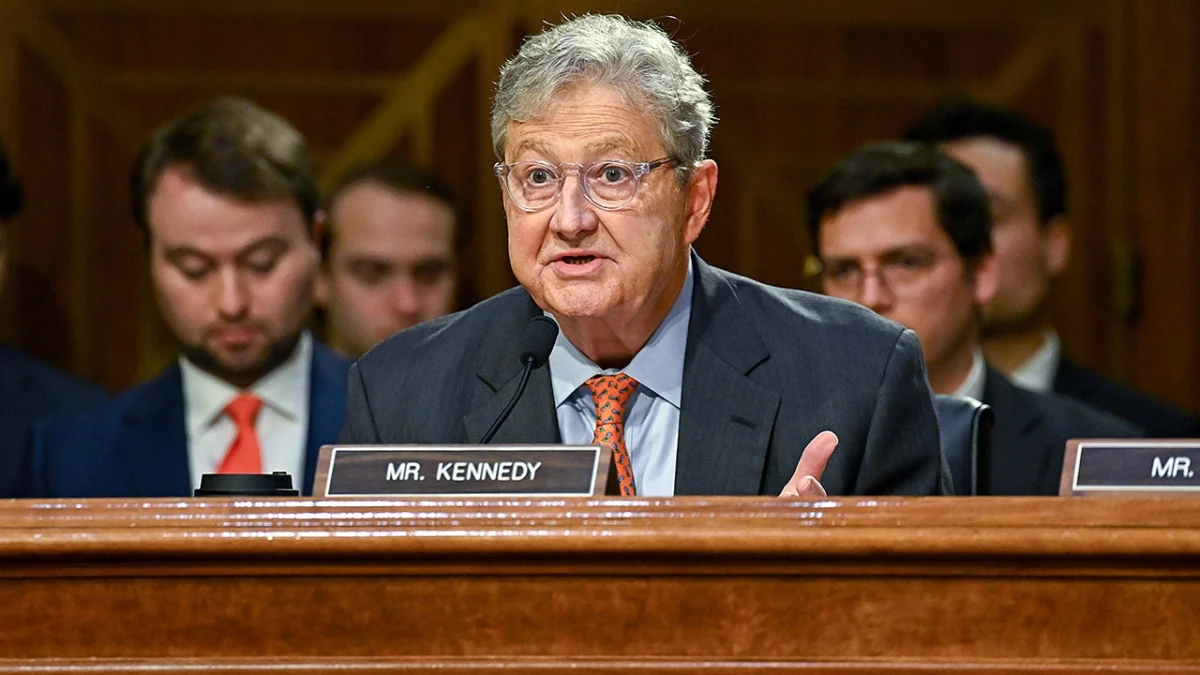
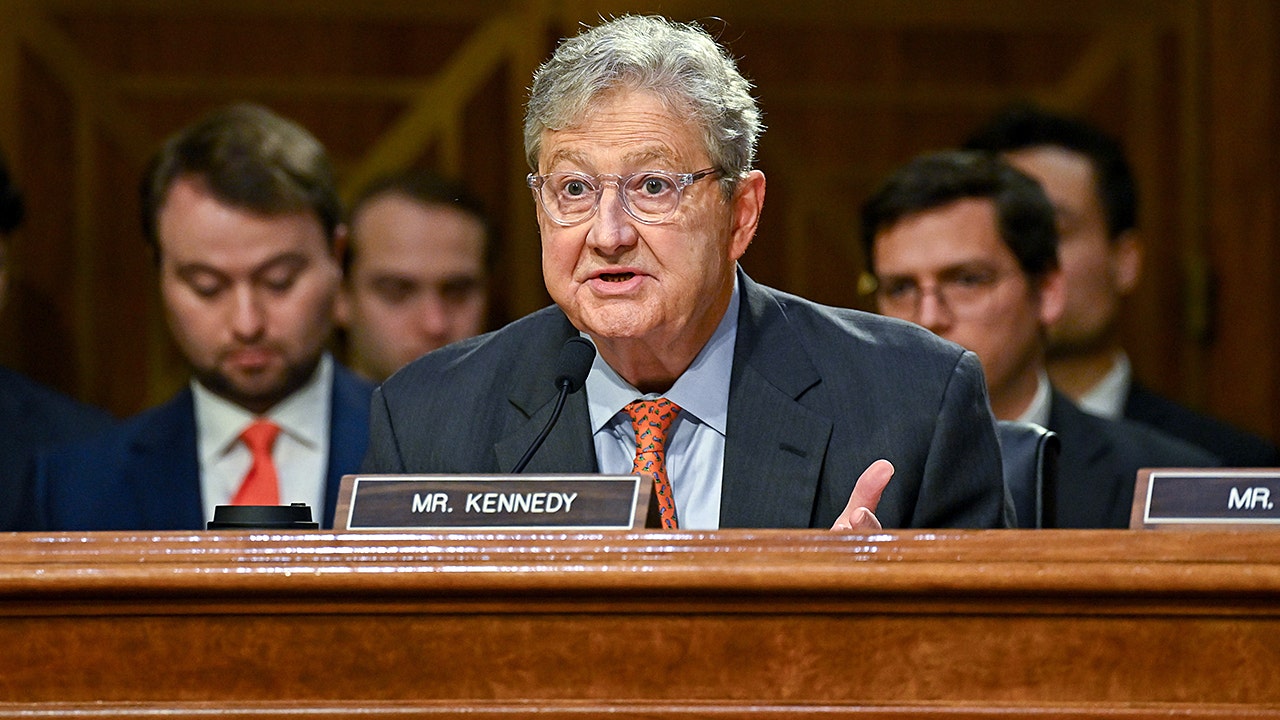
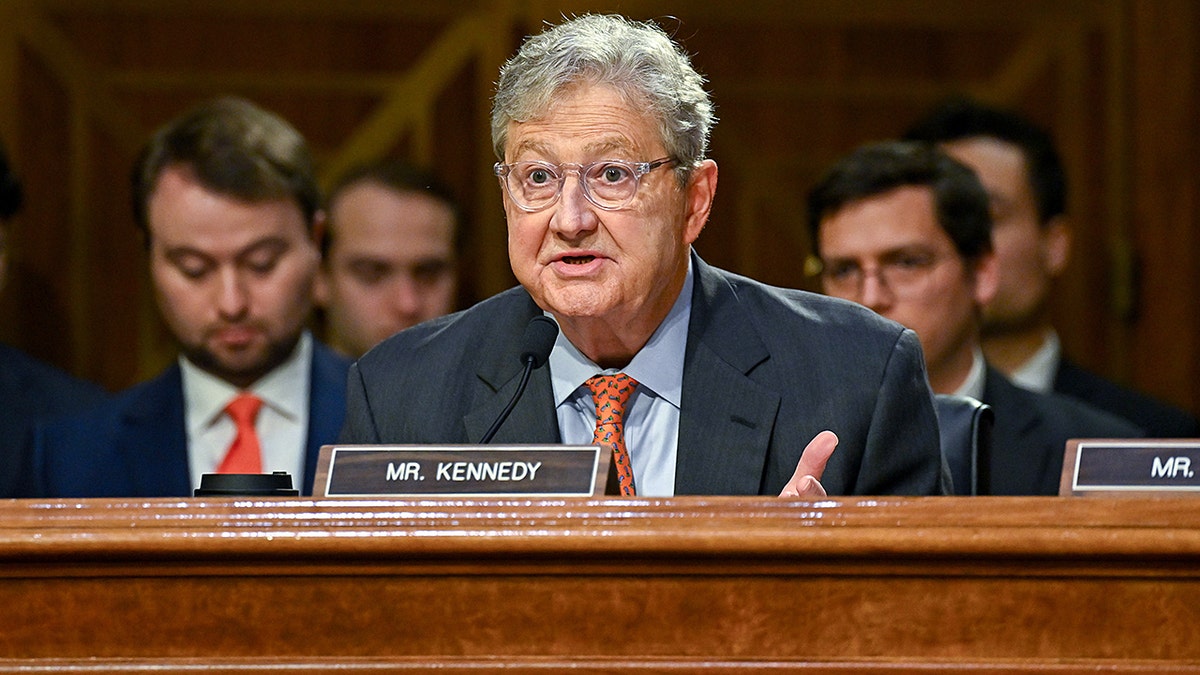
- March 2026: Senator John Kennedy (R-La.) publicly proposes legislation to prohibit the naming of federal buildings after living politicians.
- June 2026: A federal appeals court denies an emergency appeal from the board, cementing the order for removal.
This sequence of events has drawn comparisons to similar efforts involving other federal assets. For instance, at the U.S. Institute of Peace, the State Department attempted a similar re-titling effort. That move was met with immediate resistance from former institute officials, who filed a motion to halt construction crews from affixing the president’s name to the exterior of that building as well.
Legislative Pushback: The Proposed "Save America Act"
The ongoing saga has spurred legislative action on Capitol Hill. Senator John Kennedy of Louisiana has become a vocal critic of the administration’s strategy, arguing that the practice of naming federal facilities after sitting officials creates a dangerous precedent of self-promotion using taxpayer dollars.
During an appearance on CBS News’ "Face the Nation," Senator Kennedy outlined his intent to sponsor legislation that would bar any politician from having a building named in their honor while they remain in office. "I may end up with a sombrero on my head, but I also think we ought to have a rule that no politician can have a building named after him when he’s alive," Kennedy stated. His reference to the "sombrero" comment addressed the president’s past use of AI-generated imagery to mock political opponents, signaling the deep-seated partisan tension surrounding the issue.
Kennedy further argued that the White House’s insistence on these naming rights constitutes a misuse of public funds. "The White House sees it differently, but you can’t spend public money to promote yourself," he told the host. As of mid-2026, the proposed bill is gaining traction among members of the Senate Judiciary Committee, who are concerned that the institutional integrity of national landmarks is being eroded by partisan branding.
Broader Implications for Federal Landmarks
The dispute over the Kennedy Center is not an isolated incident. Throughout his second term, the president has frequently proposed renaming iconic American infrastructure to reflect his legacy. Earlier this year, reports emerged that the administration had tied funding for the modernization of New York’s Penn Station and Washington Dulles International Airport to the inclusion of the "Trump" brand in their official titles.
Furthermore, the administration has floated the "Trump Promenade," a proposed architectural project intended to connect the Lincoln Memorial to the banks of the Potomac River. While the project remains in the conceptual phase, the president has spoken fondly of the potential for a lasting physical monument to his administration, telling supporters, "They want to call it the Trump Promenade… it’s going to be beautiful."
Critics argue that these efforts are part of a larger strategy to reshape the historical narrative of the D.C. landscape. By systematically placing the president’s name on prominent federal sites, the administration is effectively asserting a dominance over public space that traditional norms have long discouraged. Proponents, however, view the actions as a prerogative of the executive branch to define the legacy of a successful administration.
Financial and Operational Context
The controversy is compounded by the financial instability currently facing the Kennedy Center. Recent reports indicate that the facility is grappling with structural issues—most notably a partial ceiling collapse—which led the Trump-appointed board to advocate for a two-year closure of the main building.
The coincidence of the name-removal order and the facility’s structural woes has led to speculation about the long-term viability of the current board. Independent analysts point out that the cost of installing and subsequently removing the signage, combined with the legal fees incurred during the court battles, has diverted significant resources away from the maintenance and preservation of the arts center. Data suggests that the Kennedy Center’s operational budget has been under unprecedented strain due to these administrative disputes, raising questions about whether the current board can prioritize infrastructure safety over political vanity.
Analysis: Institutional Norms vs. Executive Power
The standoff between the judiciary and the executive branch in this case highlights a fundamental question regarding the separation of powers. By ruling that only Congress has the authority to rename federal institutions, the courts have signaled a resistance to the executive branch unilaterally altering national landmarks. This legal precedent is expected to serve as a significant check on future attempts to rebrand government property.
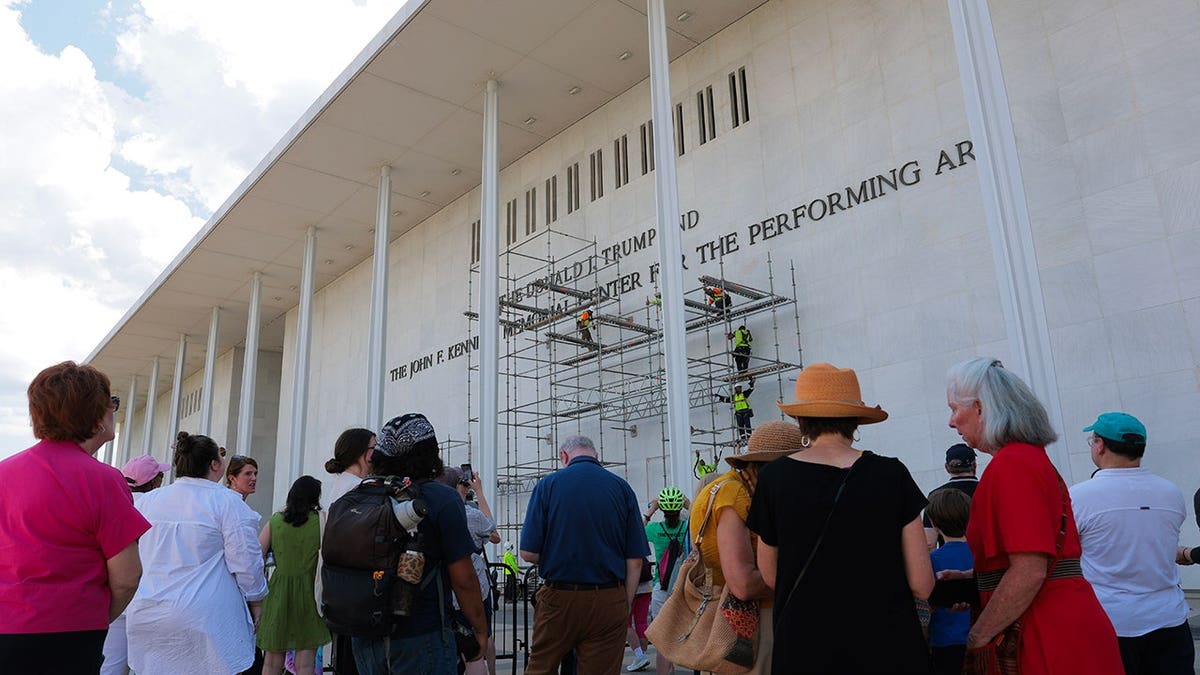
From a public relations perspective, the removal of the signs serves as a visual rebuke of the administration’s attempts to cement its legacy through physical monuments. As construction workers disassemble the lettering, the event acts as a symbolic restoration of the center’s original identity. For many, the Kennedy Center stands as a memorial to the 35th president; the court’s decision to keep it that way is seen as a victory for those who advocate for the preservation of historical intent.
However, the administration has shown little sign of backing down. With the U.S. Institute of Peace case still pending and the potential for new legislative battles over the "Trump Promenade," the debate over who "owns" the identity of public buildings in Washington is far from over. The coming months will likely see a clash between the president’s desire for a lasting physical footprint and a Congress increasingly intent on legislating strict boundaries for the naming of federal assets.
Conclusion
As the workers remove the final pieces of the signage from the Kennedy Center, the incident serves as a definitive case study in the tension between executive ambition and established legislative processes. Whether the administration will pivot to alternative ways of securing a physical legacy or continue to fight through the courts remains to be seen. What is clear, however, is that the legal framework governing federal property in Washington has been stress-tested, and for the moment, the judiciary has held the line in favor of congressional oversight.
The episode has energized critics who argue that the dignity of public office should be reflected in the preservation of shared national spaces, free from the influence of partisan branding. As the nation watches, the focus will now shift to the Senate floor, where the potential passage of the "Save America Act" could permanently codify the restrictions that the courts have temporarily enforced, potentially ending the era of political rebranding for federal infrastructure.

