
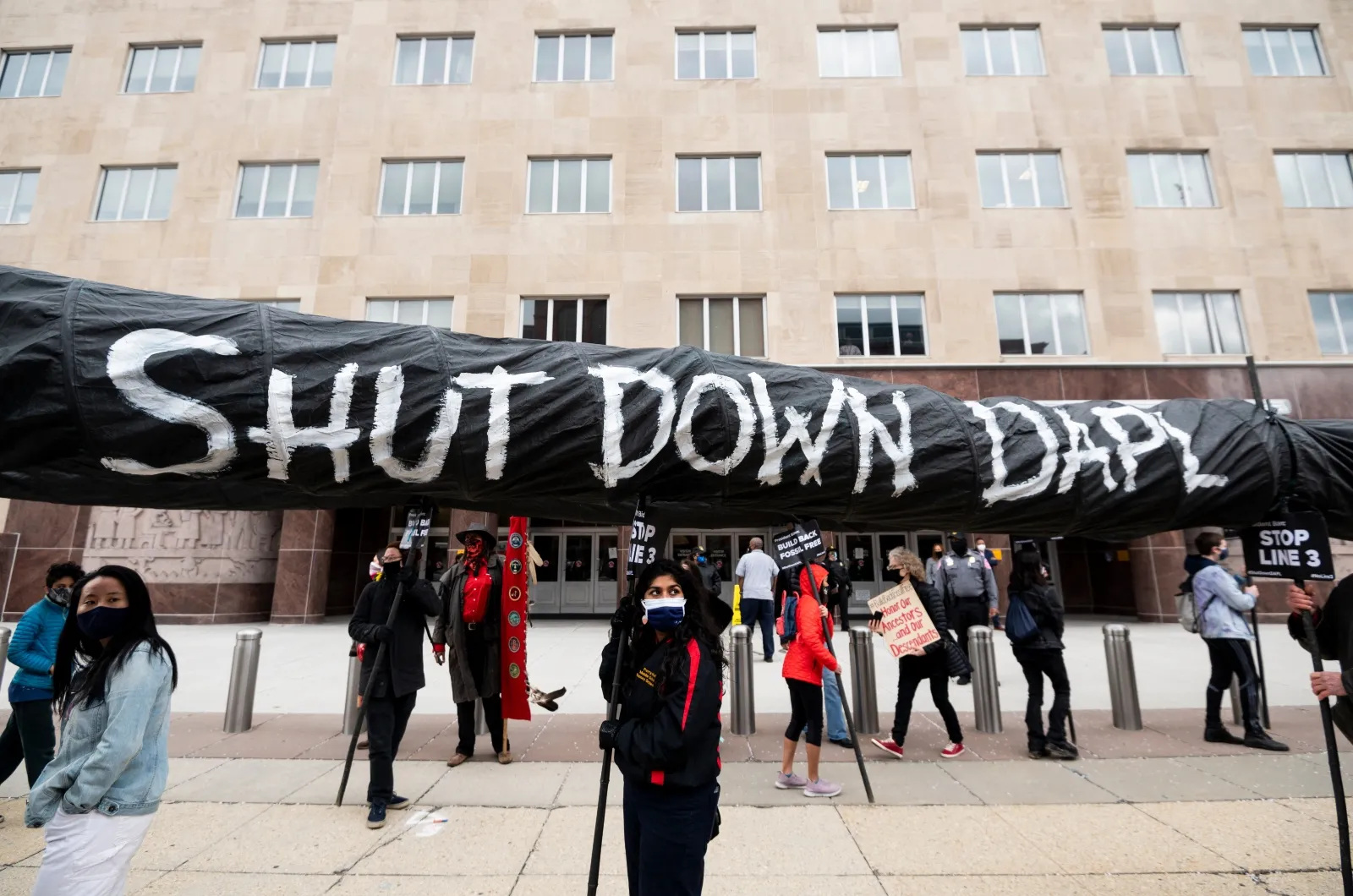
The central paradox of the modern American climate strategy has long been a tug-of-war between the imperative to dismantle fossil fuel infrastructure and the technical necessity of rapidly scaling a carbon-free energy grid. For decades, the climate movement has functioned as a broad, if sometimes uneasy, coalition. However, the introduction of the Bipartisan American Affordability and Jobs Act (BAAJA) has effectively shattered this unity, forcing a public reckoning between the "blockers"—those who prioritize stopping fossil fuel projects through litigation and regulatory oversight—and the "builders"—a faction of policy experts and renewable energy developers who believe that procedural reform is the only viable path to a net-zero future.
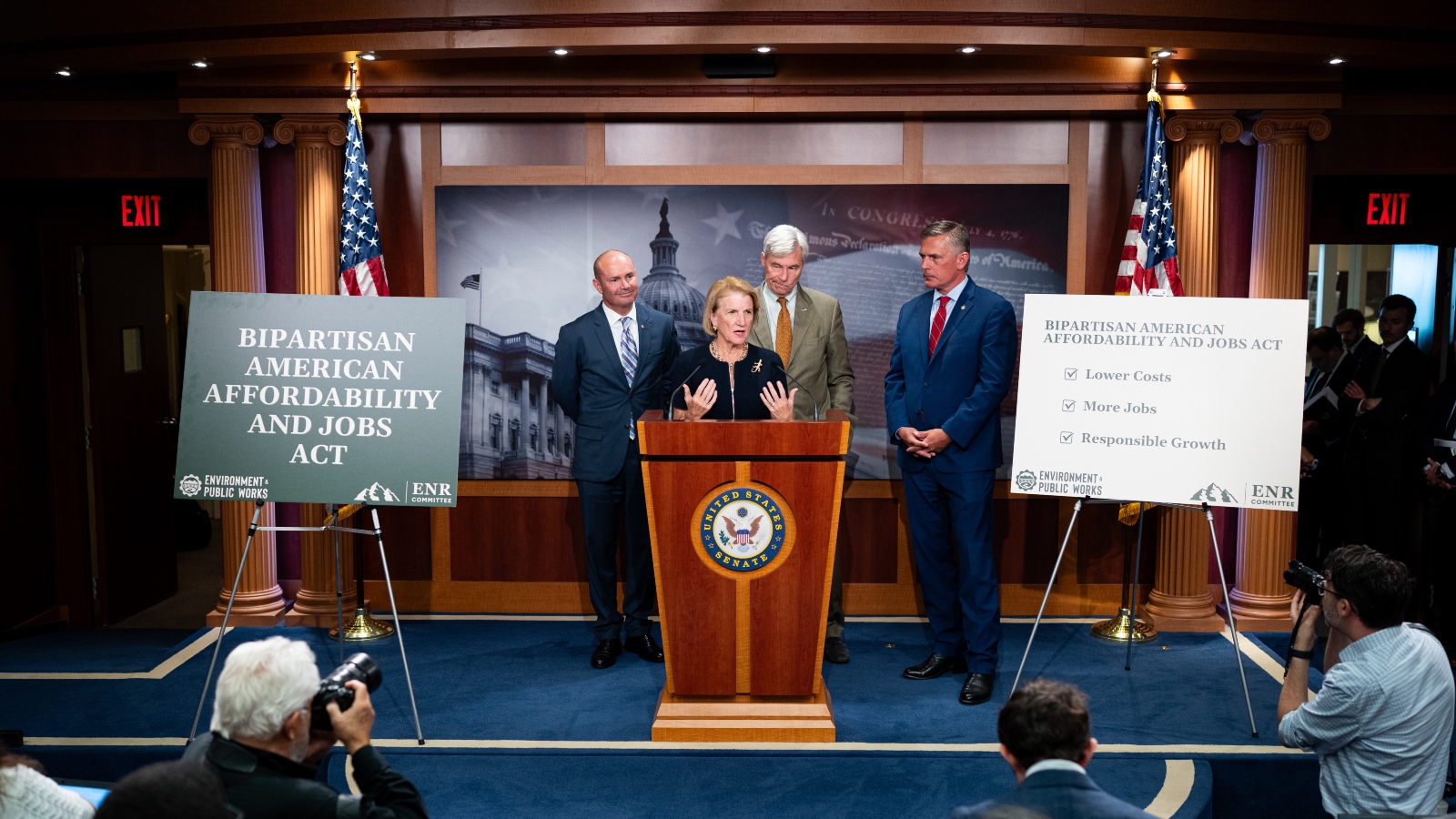
The BAAJA, a sprawling 400-page legislative package, represents a seismic shift in federal energy policy. Crafted by a bipartisan group of senators—Democrats Sheldon Whitehouse of Rhode Island and Martin Heinrich of New Mexico, alongside Republicans Mike Lee of Utah and Shelley Moore Capito of West Virginia—the bill seeks to accelerate the deployment of power plants, high-voltage transmission lines, and energy infrastructure. To achieve this, the legislation proposes significant modifications to the National Environmental Policy Act (NEPA), aiming to truncate government permitting timelines and establish strict limitations on the ability of third parties to challenge federal approvals in court.
The Chronology of a Policy Schism
The origins of the current divide can be traced back to the early 2010s, a period marked by high-profile campaigns against projects like the Keystone XL pipeline. During this era, the environmental movement found immense success by utilizing the legal framework of NEPA to stall or terminate fossil fuel projects. For years, this strategy of "delay and deny" became the cornerstone of climate advocacy.
However, the political landscape shifted dramatically following the 2024 elections. With the subsequent administration actively seeking to roll back climate regulations and impose hurdles on renewable energy, the strategic calculus of many climate hawks began to change. By 2025, it became clear that the slow pace of green infrastructure development—hamstrung by the very same permitting laws that had successfully blocked pipelines—was becoming a fatal bottleneck for the clean energy transition.
The BAAJA emerged from this climate of frustration. Following months of closed-door negotiations among the "four corners" of the Senate committee leadership, the bill was introduced just prior to the fall congressional recess. With the Senate slated to return only after the midterms, the intervening weeks have devolved into a frantic lobbying cycle, as both industry groups and grassroots activists fight for the soul of the climate movement.
Data-Driven Realities: The Case for Reform
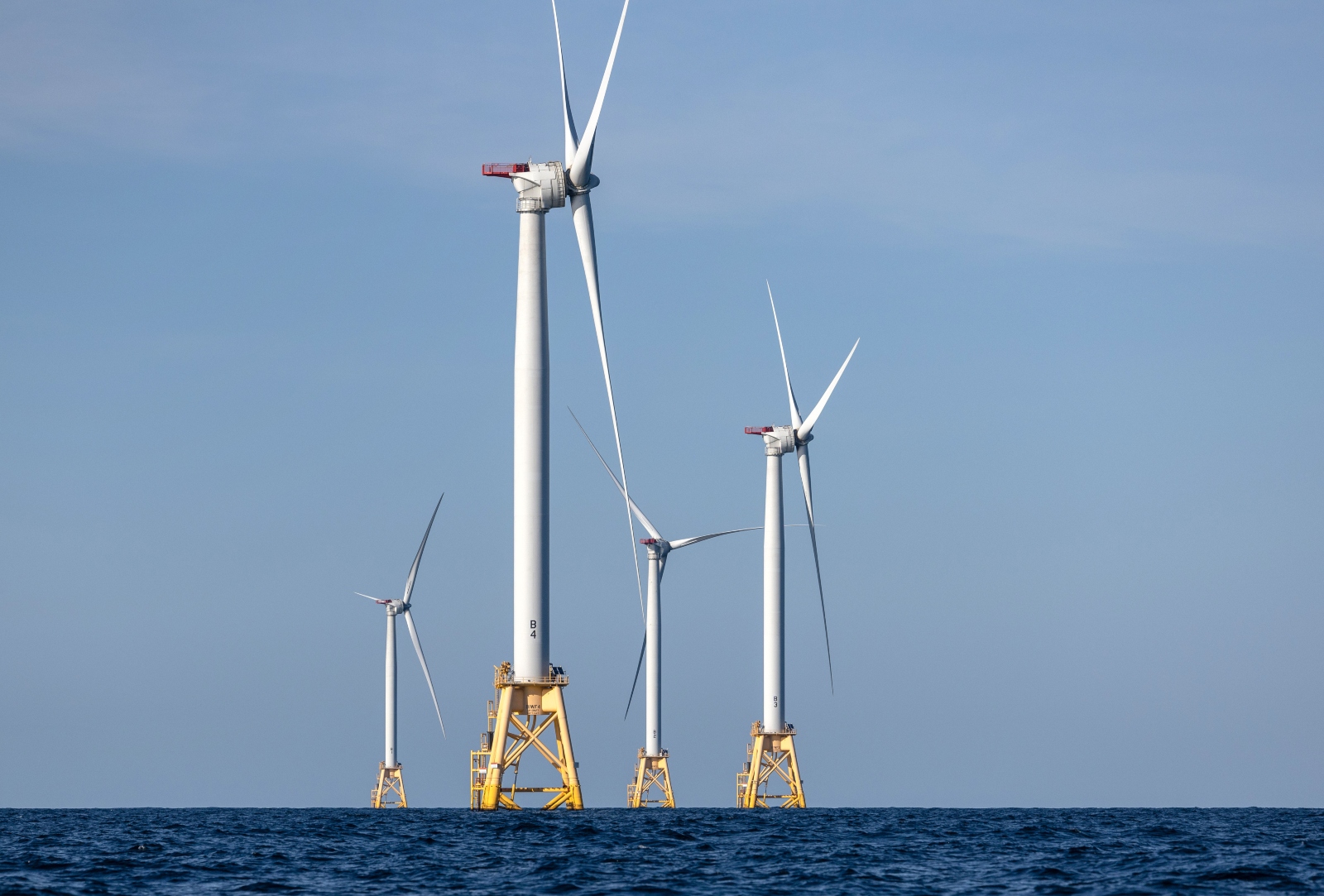
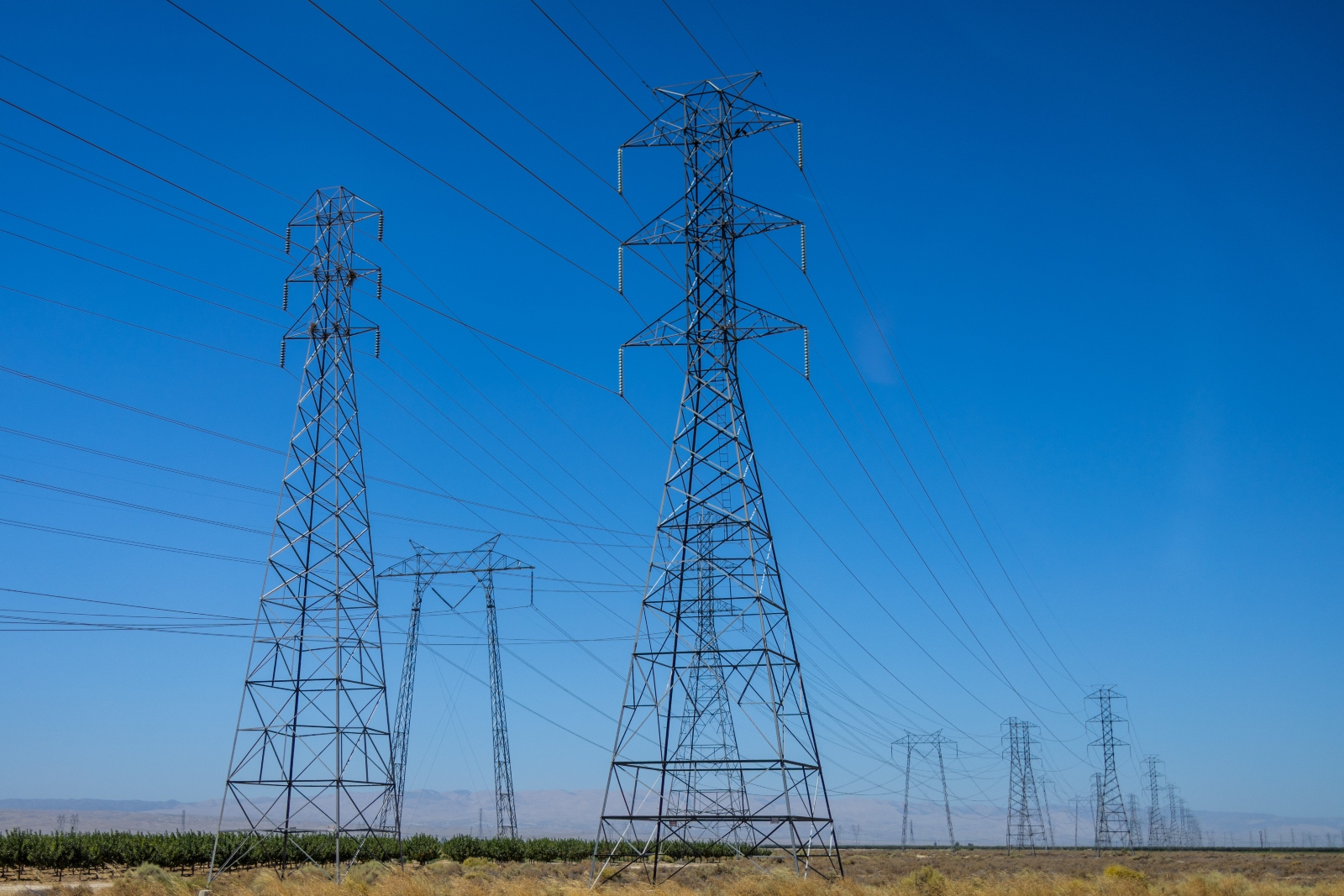
The primary argument for the BAAJA is rooted in the physical requirements of the energy transition. Unlike coal or natural gas plants, which can be sited near load centers, wind and solar resources are often geographically constrained. Accessing the wind potential of the Great Plains or the solar irradiance of the desert Southwest requires an unprecedented expansion of long-distance, high-voltage transmission lines.
Current data underscores the scale of the challenge. A 2025 study examining the impact of NEPA litigation found that 64 percent of solar projects and 38 percent of wind projects experienced significant delays due to lawsuits. These legal challenges often persist for years, frequently questioning the sufficiency of environmental impact statements on grounds that experts sometimes categorize as marginal.
For the renewable energy industry, the status quo is untenable. Ray Long, president of the American Council on Renewable Energy (ACORE), has been a vocal proponent of the legislation, arguing that without a fundamental overhaul of the permitting process, the U.S. will fail to meet the climate targets established in previous cycles. Supporters point out that the legislation does not eliminate environmental review but rather creates a "statute of limitations" on litigation—setting a 150-day window for filing challenges—and prevents the automatic, indefinite pausing of construction while agencies address minor procedural deficiencies.
Opposition and the Cost of Compromise
Despite the technical arguments in favor of speed, the opposition from environmental justice groups and grassroots organizations is fierce. The core of their argument is that the BAAJA represents a "Faustian bargain." Critics argue that by weakening NEPA and the Clean Water Act, the bill strips vulnerable, marginalized communities of their most effective tools to prevent industrial encroachment.
"This isn’t just about building wind farms," says a representative from a leading environmental law firm. "It is about the systematic dismantling of the guardrails that prevent the sacrifice of tribal lands and local ecosystems."
Indigenous groups have been particularly vocal, noting that the bill’s shortened timelines and reduced public comment periods will inevitably lead to a lack of meaningful tribal consultation. Furthermore, the legislation contains provisions that would limit a state’s ability to use the Clean Water Act to block projects, a power that has historically been used to remove obsolete, environmentally damaging dams and stop hazardous pipeline construction.
There is also the concern regarding the "lock-in" effect. By creating a regulatory environment that prohibits the government from "discriminating" against specific energy sources, opponents fear the bill will make it legally impossible for future administrations to pause or block fossil fuel projects, such as liquefied natural gas (LNG) terminals or oil pipelines, even if a future administration views them as antithetical to climate goals.
The Political Calculus: Builders vs. Blockers
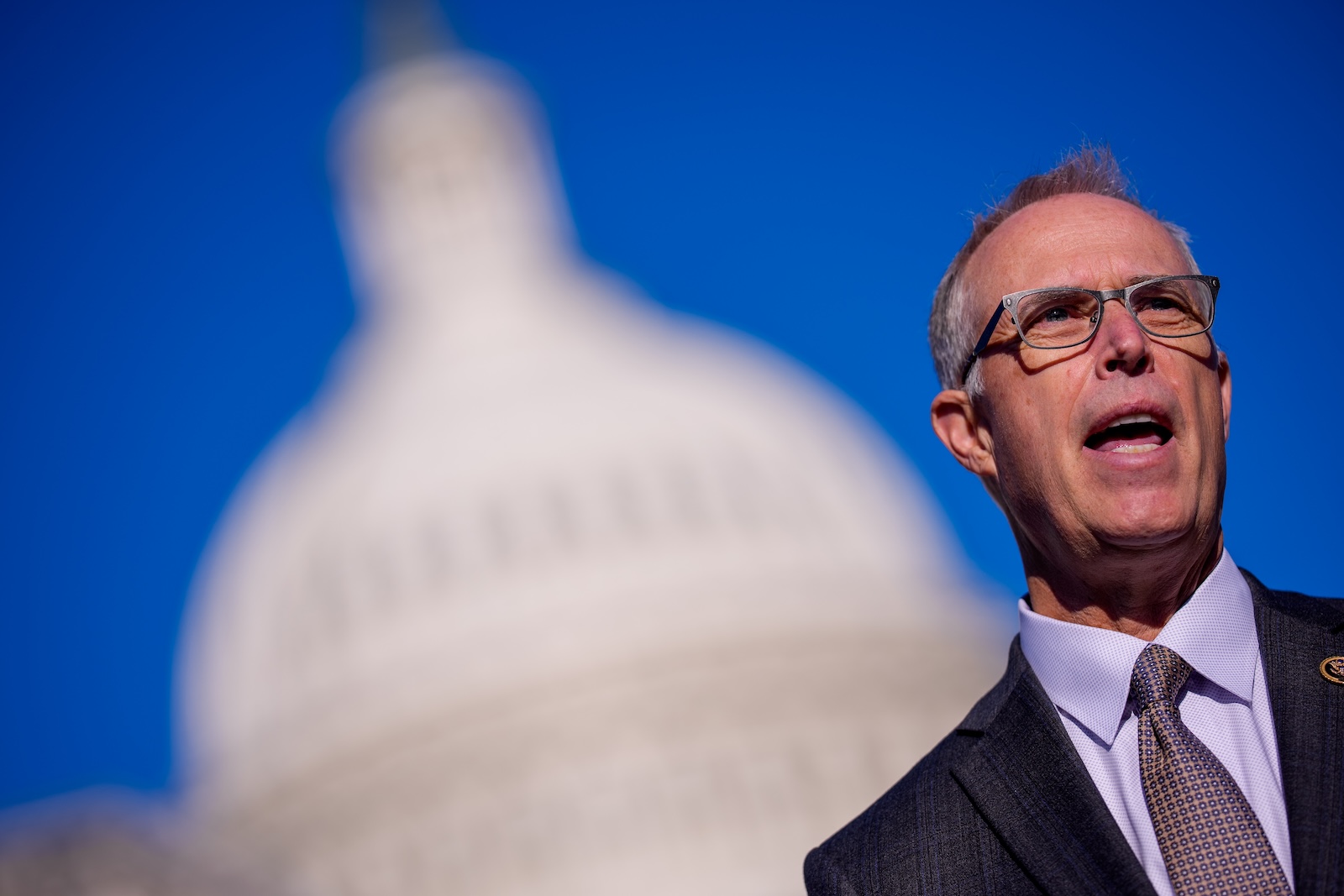
The legislative future of the BAAJA remains highly uncertain. Even if the bill survives the committee process, it faces a daunting path in the House of Representatives. Representative Jared Huffman of California has emerged as a key skeptic, labeling the bill a "Trojan horse" for the fossil fuel industry. Huffman’s position reflects a growing segment of the Democratic caucus that believes a more favorable legislative compromise could be reached if the party were to consolidate power in the next legislative session.
Conversely, some of the nation’s largest environmental NGOs have adopted a "wait and see" approach. Organizations such as the Natural Resources Defense Council (NRDC) have declined to join the chorus of total opposition, acknowledging the "hard questions" the bill raises while conceding the potential for significant clean energy advancement. This hesitation underscores a profound shift in the movement: the realization that the urgency of the climate crisis may require a sacrifice of purity in exchange for speed.
Broader Implications for the American Energy Grid
The outcome of the BAAJA debate will likely define the trajectory of U.S. energy policy for the next decade. If the bill passes, it will signal a transition to a "construction-first" philosophy, prioritizing the rapid expansion of physical infrastructure over the historical focus on litigation-based resistance. While this could theoretically unleash a boom in solar and wind capacity, it risks alienating the grassroots base that has provided the political energy for the climate movement for over a decade.
If the bill fails, the U.S. will likely remain trapped in a state of energy paralysis, where the cost of capital for renewable projects continues to rise due to regulatory uncertainty, and the fossil fuel industry maintains its dominant position through existing, entrenched infrastructure.
As the debate reaches its zenith, the central question remains: can the United States build a clean energy future without eroding the democratic and environmental protections that define its legal system? For the "builders," the answer is a pragmatic "no." For the "blockers," the answer is an existential "we cannot afford the alternative." The Bipartisan American Affordability and Jobs Act is not merely a piece of legislation; it is a mirror reflecting the fundamental conflict of an era forced to reconcile its past reliance on carbon with its desperate need for a sustainable future.

