
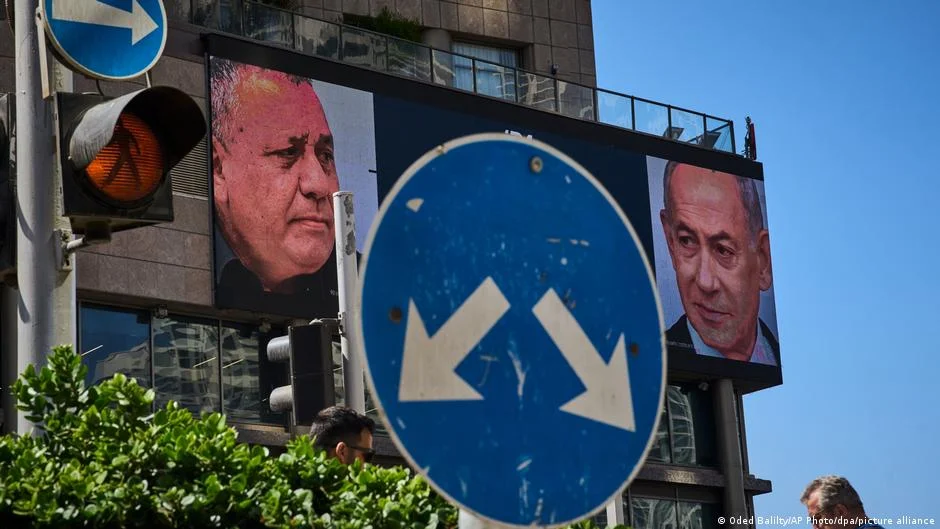
Israel heads to the polls this Tuesday in what is arguably the most consequential general election in the nation’s history. For the first time since the devastating Hamas attack of October 7, 2023, the Israeli electorate will decide the composition of a government tasked with managing an unprecedented security crisis. The incumbent Prime Minister, Benjamin Netanyahu, is fighting a high-stakes political battle to retain his office, positioning his leadership as essential to the ongoing war against Iran. However, the election is not merely a referendum on Netanyahu’s tenure; it is a critical pivot point that will determine how the state addresses the multifaceted regional warfare that has engulfed the Middle East over the past three years.
The Shadow of October 7 and the Escalation into Iran
The political landscape of 2026 is defined by the lasting trauma of the October 7, 2023, terrorist attacks. Before that date, Israeli security doctrine largely relied on the "mowing the grass" strategy—managing the threat from Iran and its regional proxies through limited, targeted operations. That paradigm collapsed three years ago, forcing a fundamental shift in how Israel perceives its existential security.
The conflict has since evolved from a localized struggle against Hamas into a broad regional war against the Islamic Republic of Iran. This escalation has drawn in global powers, fundamentally altered the economic landscape of the Middle East, and placed the Israeli military on a war footing for the duration of three consecutive years. The current electoral discourse is dominated by questions regarding the efficacy of this "total war" strategy and whether the state’s current trajectory toward deepening conflict with Tehran is sustainable.
Chronology of the 2026 Election Context
- October 7, 2023: Hamas launches a massive terror attack on Israel, triggering the most significant security crisis in the nation’s history.
- Early 2026: The Islamabad Framework is established, briefly offering a diplomatic window for a US-Iran ceasefire, though the agreement ultimately fails to hold.
- October 10, 2026: Media reports emerge suggesting the Israeli military was prepared to strike Iranian nuclear and energy infrastructure, an operation purportedly stalled by US political considerations.
- November 3, 2026: The date of the upcoming US midterm elections, which have served as a critical external variable in Israeli military planning.
- Present Day: Israel enters its first post-attack general election, with Benjamin Netanyahu facing a stiff challenge from Gadi Eisenkot, the former chief of staff of the Israel Defense Forces (IDF).
The Political Duel: Netanyahu vs. Eisenkot
The race has effectively crystallized into a binary choice between Benjamin Netanyahu’s right-wing coalition and the centrist "Yashar" party, led by Gadi Eisenkot. Eisenkot, whose campaign focuses heavily on his background as a top military commander, has attempted to peel away security-minded voters who are frustrated with the current administration’s management of the war.
Despite the intense rhetoric on the campaign trail, experts suggest that the policy gap between the two sides regarding Iran is narrower than it appears. Raz Zimmt, lead researcher for the Iran program at the Institute for National Security Studies (INSS), notes that there is a broad, cross-factional consensus on the nature of the Iranian threat. Whether the government is headed by a conservative or a centrist, the strategic approach—focused on neutralizing Iran’s nuclear ambitions and regional proxy network—remains largely unchanged.
External Influence: The US Factor
The role of the United States has become an explicit feature of the 2026 campaign. US President Donald Trump has offered an unequivocal endorsement of Netanyahu, framing the Prime Minister as a "warrior" and warning that any change in Israeli leadership could jeopardize the strategic alliance between Washington and Jerusalem. In a pointed statement, Trump asserted that if Israel chooses a different leader, the United States would be forced to take a more direct, unilateral role in the conflict with Iran—a scenario he signaled he is keen to avoid.
However, behind the scenes, the relationship between the two governments has been marked by significant friction. Reports from the Financial Times suggest that the Israeli military had drafted plans to conduct a major strike against Iranian infrastructure earlier this month, but those plans were delayed due to pressure from the Trump administration, which sought to avoid a regional explosion ahead of the US midterm elections. While the Jerusalem Post has cast doubt on the existence of a formal military directive for such an operation, the reports underscore the delicate, often strained, nature of the US-Israel security relationship.
Strategic Vectors and the Threat of Asymmetric Warfare
Current Israeli and US military strategy against Iran, according to geopolitical analysts like Damon Golriz of the Hague Institute, operates along three primary vectors: the removal of current regime leadership, the systemic collapse of industrial and energy infrastructure, and the exploitation of internal ethnic fissures within Iran, such as supporting Kurdish and Baluch separatist movements to create a "geographic scissors" effect.
Tehran, however, has signaled its own retaliatory capabilities. Recent intelligence and reports from Reuters indicate that Iran has developed a comprehensive plan for asymmetric counter-attacks. These include, but are not limited to, the sabotage of undersea fiber-optic cables in the Persian Gulf and the Strait of Hormuz—a move that would devastate global digital infrastructure—as well as the targeting of US-dependent data centers and artificial intelligence hubs throughout the region. The inclusion of AI infrastructure as a primary target marks a significant shift in the theater of war, moving from traditional military targets to the backbone of the modern digital economy.
The Diplomatic Mirage
While the focus remains on kinetic conflict, some observers point to the "Islamabad Framework" as a missed opportunity for a de-escalation that could have fundamentally altered the regional balance. Six months ago, in a historic negotiation mediated in Pakistan, Iranian and US officials drafted an agreement wherein Iran pledged to cease all military operations against Israel.
The collapse of this agreement has left a vacuum where diplomacy once stood. Analysts like Danny Citrinovitch of the INSS argue that the current political climate in Israel is hostile to any return to nuclear negotiations or broader diplomatic outreach to Tehran. "Even if Netanyahu were to step down," Citrinovitch observes, "the structural policies and the strategic mindset developed over the last three years are deeply embedded in the Israeli political establishment."
Implications for the Future
The outcome of Tuesday’s election will have immediate repercussions for Israel’s domestic stability and its international standing. A victory for Netanyahu would likely signal a continuation of the current "maximum pressure" strategy, bolstered by the hope of continued support from the Trump administration. A victory for Eisenkot could lead to a shift in tone, potentially favoring a more integrated regional coalition and a revised military doctrine, but, as analysts suggest, it is unlikely to result in a total abandonment of the firm stance against Iran.
Ultimately, the Israeli public is voting in an environment where the lines between political governance and national survival have become blurred. The winner of this election will inherit a nation that has been forced to confront the limits of its own security, the complexities of its alliance with the United States, and the evolving, high-stakes nature of modern regional warfare. As the polls open, the international community watches closely, aware that the decisions made in the next few weeks in Jerusalem will reverberate across the Middle East for years to come. The era of managing regional threats through containment appears to have ended, replaced by a period of profound uncertainty where the next move—whether on the battlefield or at the negotiating table—remains shrouded in the fog of a volatile, shifting geopolitical landscape.

