
The escalating geopolitical crisis in the Middle East reached a dangerous new crescendo on Thursday as explosions rocked the Saudi Arabian capital of Riyadh following the interception of two ballistic missiles by air defense systems. The attack, attributed to the Iran-backed Houthi movement in Yemen, unfolded just hours after deadly strikes hit residential and commercial zones in western Yemen. The rapid succession of cross-border violence highlights the fragility of the regional security architecture as ongoing conflicts along multiple fronts continue to defy international mediation efforts.
The latest kinetic exchanges compound months of relentless hostilities that have disrupted global trade corridors, strained diplomatic channels between Washington and Tehran, and exacerbated economic anxieties across Western nations. As regional capitals brace for potential military escalations following upcoming electoral cycles in the West and Israel, the specter of a broader conflagration looms larger than ever.
Aerial Assault on Riyadh and Escalation in the Red Sea Theater
According to statements released by coalition spokesman Turki al-Malki on X, Saudi air defenses successfully intercepted and destroyed two ballistic missiles targeted at Riyadh. Residents across the capital reported hearing at least eight distinct explosions shortly before emergency civil defense notifications warned of a "hostile aerial threat" directed at Riyadh, Kharj, and the southern city of Najran. Though authorities lifted the alerts shortly thereafter, the psychological impact on the civilian populace and the disruption to national infrastructure have been profound.
This aerial assault follows a troubling pattern of Houthi escalations against Saudi territory. In recent weeks, the group launched deadly strikes targeting Riyadh’s international airport, forcing a two-week closure that disrupted flagship national events and posed a direct challenge to the kingdom’s Vision 2030 economic diversification programs.
The renewed hostilities in Saudi Arabia are inextricably linked to the collapsing security environment in Yemen. Houthi health authorities reported that a Saudi strike on a residential area in the western Taiz province left 12 civilians dead and three critically injured. Simultaneously, the Houthi movement claimed responsibility for strikes in the northwestern Jawf province, which reportedly killed 14 people at a market and petrol station, and targeted the perimeter of the strategic Aden International Airport. Yemen’s Ministry of Transport has subsequently issued severe warnings regarding civil aviation safety, noting that repeated attacks on Aden’s aviation infrastructure threaten to completely isolate the internationally recognized government.
Maritime Chokepoints Under Siege: Strait of Hormuz Crisis
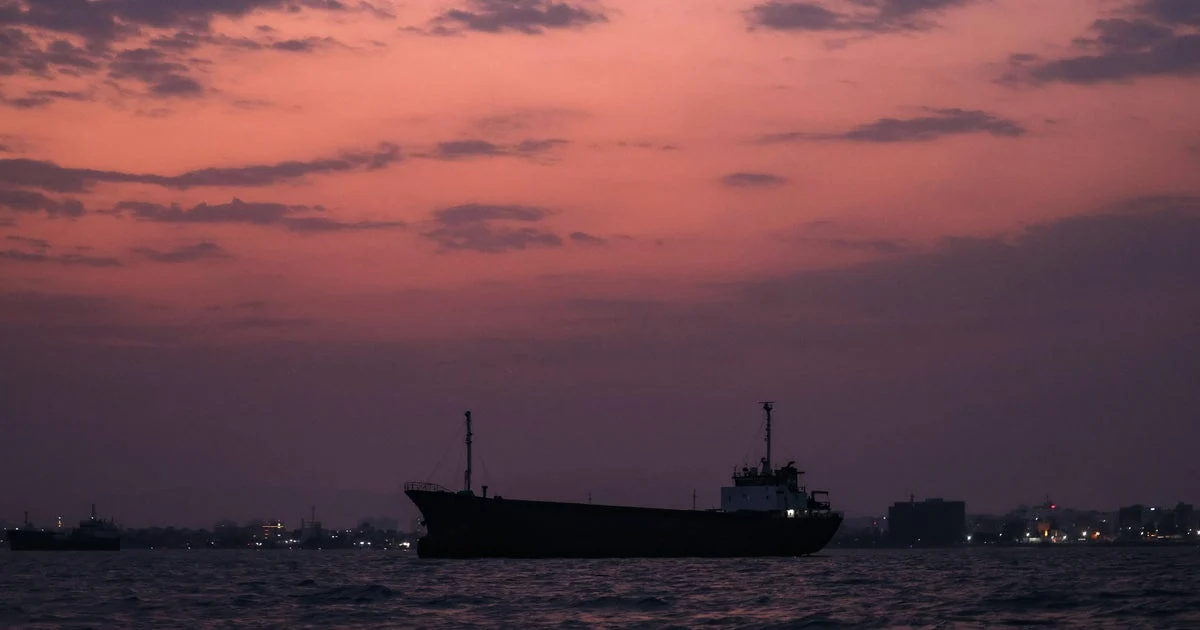
While the skies over the Arabian Peninsula remain contested, the maritime domain has transformed into an active theater of economic warfare. The United Kingdom Maritime Trade Operations Centre (UKMTO) reported that an oil tanker was struck by a projectile while exiting the Strait of Hormuz along the southern route championed by the United States. Although initial reports indicated no crew injuries or immediate environmental catastrophes, the incident underscores the severe dangers facing commercial shipping in the world’s most vital energy artery.
The situation in the strait has deteriorated into a war of narratives and operational restrictions. Iran’s Islamic Revolutionary Guard Corps (IRGC) Navy claimed responsibility for disabling three oil tankers over a 24-hour period after the vessels allegedly struck sea mines while navigating unauthorized southern shipping lanes. Tehran maintains that commercial vessels must utilize northern routes administered directly by Iranian authorities, while dismissing U.S. assertions that the primary transit corridors have been successfully demined.
Brig. Gen. Abolfazl Mohebi, an IRGC spokesperson, publicly challenged U.S. Central Command (CENTCOM) to provide independent verification of its mine-clearing operations, stating that reality in the strait is dictated "in the skies, on land and at sea—not on social media or in America’s media-warfare rooms."
The maritime confrontation has also featured high-tech intelligence warfare. The IRGC Navy announced that its electronic warfare units successfully intercepted and landed an American MQM-170 reconnaissance drone operating west of the strait along the Persian Gulf coastline. Meanwhile, Rear Admiral Jalil Moghadam claimed that the Iranian navy has executed over 20 operations against U.S. warships and roughly 300 operations targeting American interests throughout the conflict, figures that contrast sharply with Washington’s assertions of degraded Iranian naval capabilities.
Diplomatic Maneuvers and the Stalled Peace Process
Against this volatile backdrop, diplomatic overtures have yielded mixed and largely frustrating results. Reports emerged earlier in the week that Vice President JD Vance had dispatched a direct letter to Mohsen Rezaei, secretary of Iran’s Supreme National Security Council, in an effort to jumpstart stalled peace negotiations. While international media outlets interpreted the outreach as a serious bid to avert renewed military conflict, President Donald Trump clarified to reporters that the communication was narrowly focused on facilitating the delivery of vital medical supplies to the Iranian population rather than immediate political normalization.
Tehran’s response to Western diplomatic initiatives has remained uncompromising. According to the semi-official Tasnim News agency, Iran’s leadership is unwilling to abandon its core preconditions for a sustainable ceasefire. These demands include the complete lifting of the American naval blockade on Iranian ports, the easing of comprehensive economic sanctions, and the unfreezing of billions of dollars in sovereign financial assets held abroad. A senior Iranian official further dismissed a recent draft deal presented by Qatari mediators as containing "unacceptable" ideas, signaling that Tehran intends to hold firm on its nuclear and economic positions.
In tandem with its diplomatic posture, Iran’s domestic security apparatus has claimed significant internal victories. The Iranian Intelligence Ministry announced the dismantling of four alleged terrorist cells and the arrest of 16 suspects in Sistan and Baluchestan Province, alleging connections to U.S. and Israeli intelligence networks. Authorities reportedly seized a cache of weaponry, including M4 rifles and Kalashnikovs, alongside detaining individuals accused of transmitting sensitive defense site information to foreign entities.
Global Economic Fallout and Regional Ripples
The protracted nature of the conflict continues to extract a heavy toll on global financial markets, national treasuries, and regional diplomacy. CENTCOM estimates place the direct financial cost of the war at approximately $47 billion, with $29 billion dedicated solely to replenishing expended munitions. Independent projections from the Congressional Budget Office estimate that ongoing operations drain between $2 billion and $3 billion monthly.
The economic shockwaves are reverberating far beyond the Middle East. In the United Kingdom, Treasury Chief John Healey unveiled a winter budget designed to provide households and businesses with "breathing space" amid soaring energy prices and inflationary pressures driven by the Persian Gulf crisis. The package includes targeted financial relief for millions of lower- and middle-income families, alongside tax adjustments on electricity and gas bills.
Political turbulence has also gripped U.S. allies in the region. In Israel, the aftermath of a contentious national election has resulted in a parliamentary stalemate. Prime Minister Benjamin Netanyahu’s Likud party emerged as the largest faction, but his right-wing bloc fell short of a majority in the Knesset. Netanyahu has faced fierce domestic opposition, including sharp rebukes from former military chief Gadi Eisenkot, who urged armed forces commanders to resist post-election political pressure regarding potential new military strikes against Iran. Concurrently, regional tensions spilled over into Kuwait, which summoned the Iranian ambassador to protest what it termed "blatant interference" following death sentences handed down to individuals linked to an alleged assassination plot against senior Kuwaiti officials.
Chronology of Recent Events
- Late February 2026: Outbreak of open hostilities between the United States, Israel, and Iran, leading to widespread disruptions in the Strait of Hormuz and regional naval blockades.
- September 2026: Iran submits a proposed "seven-day plan" for a ceasefire and the phased reopening of the Strait of Hormuz, which is initially rejected by Washington.
- Late October 2026: Israel holds national elections, resulting in a parliamentary stalemate with neither major political bloc securing an outright majority.
- October 27–28, 2026: Qatari mediators present a new draft peace deal to Tehran; Iranian officials subsequently dismiss the framework as unacceptable. U.S. defense officials warn Middle Eastern allies to prepare for a potential brief, intense military campaign following upcoming Western midterm elections.
- October 29, 2026:
- Ballistic missiles fired by Houthi forces are intercepted over Riyadh, triggering emergency civil defense alerts.
- A commercial oil tanker is struck by a projectile in the Strait of Hormuz, while the IRGC claims three tankers were disabled by sea mines.
- Reports reveal a vast covert network utilized by Iran to import military hardware past the U.S. naval blockade.
Strategic Implications and Future Outlook
As international observers monitor the impending electoral deadlines in the United States and navigate the political paralysis in Israel, the risk of miscalculation remains exceptionally high. U.S. military planners have reportedly advised regional partners to prepare for a renewed, albeit short and intense, operational campaign against Iranian assets, prompting defensive repositioning of Patriot missile batteries and naval strike groups.
Conversely, Tehran has warned that any renewed military adventure will inflict devastating repercussions on global energy markets and gas supplies. With supply chains fractured, maritime transit routes militarized, and proxy networks actively engaging in multi-front attrition, the path toward a durable diplomatic resolution remains narrow. The coming weeks will test the resilience of international mediation efforts and determine whether the region can step back from the brink of an even wider catastrophic war.

