
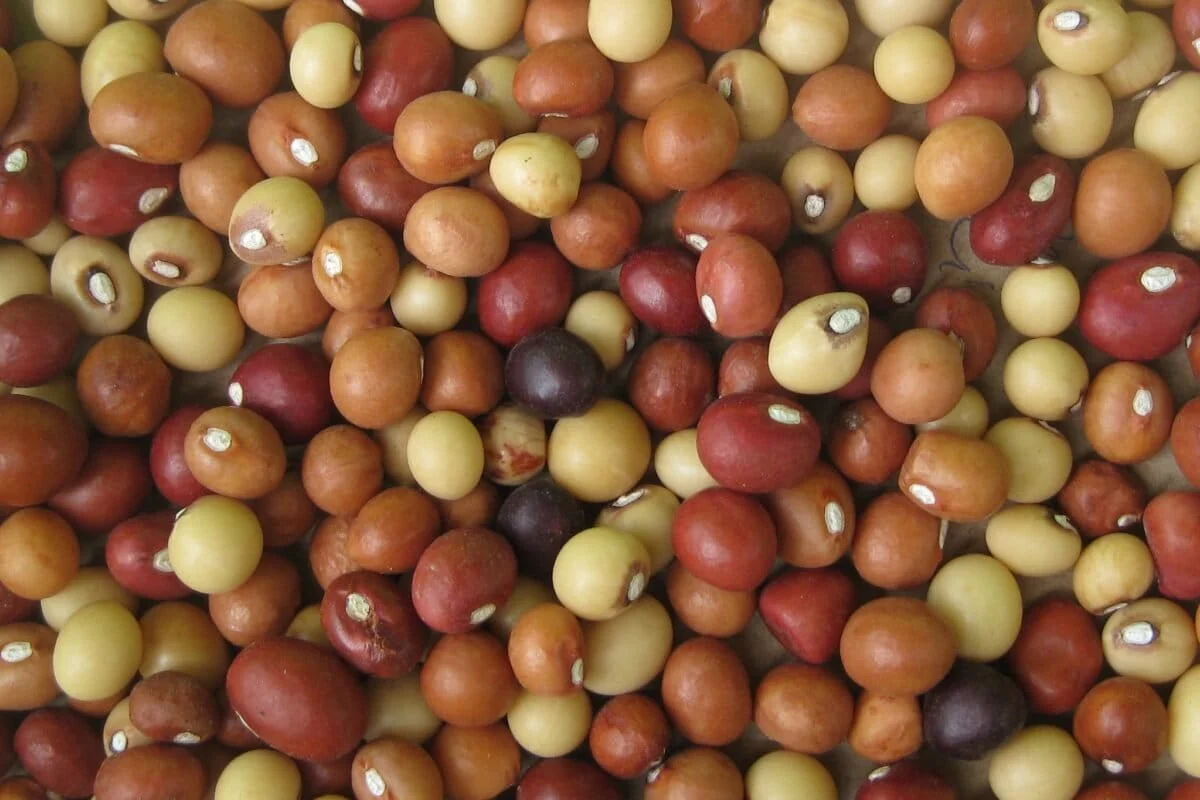
The agricultural landscape of Southern Africa is undergoing a critical transformation as climate change increasingly threatens the viability of conventional, water-intensive staple crops. Scientists have recently concluded an extensive study, published in the journal Frontiers in Sustainable Food Systems, which offers a data-driven blueprint for the cultivation of the bambara groundnut (Vigna subterranea). This underutilized indigenous legume, often sidelined in favor of imported maize or wheat, is being positioned as a cornerstone for future food sovereignty. By leveraging 50 years of climate and soil data, researchers have developed high-precision models that provide smallholder farmers with the exact timing and geographic suitability required to maximize yields, effectively turning the tide against the region’s growing climate volatility.
The Crisis of Monoculture in a Warming Climate
For decades, the agricultural output of Southern Africa—specifically within South Africa, Lesotho, and Eswatini—has been tethered to a narrow selection of non-native crops. Maize, wheat, and rice dominate the landscape, yet these species are increasingly vulnerable to the shifting rainfall patterns and rising temperatures associated with the climate crisis. The reliance on these "big three" staples has left millions of smallholder farmers susceptible to total crop failure when drought conditions persist or when unseasonal weather events occur.
The recent study highlights that the path toward genuine climate resilience does not lie in the further optimization of these conventional crops, but in the diversification of the agricultural base. Indigenous plants like the bambara groundnut have evolved over millennia to thrive in the specific, often harsh conditions of the African continent. They possess innate drought tolerance and the ability to flourish in low-fertility soils where modern hybrids often fail. Beyond their environmental resilience, these crops serve as a nutritional powerhouse. Bambara groundnuts are exceptionally rich in essential dietary components, including high-quality plant protein, dietary fiber, and vital micronutrients such as zinc, iron, and calcium. Despite these benefits, they have historically suffered from a lack of systematic research, leaving farmers without the empirical guidance needed to integrate them into commercial or subsistence cycles effectively.
Methodology: A Half-Century of Climate Modeling
To bridge the knowledge gap, the research team employed the Food and Agriculture Organization’s (FAO) sophisticated AquaCrop model. This analytical framework allowed the team to simulate 49 distinct growing seasons, spanning from 1950 to 1999. The study was not a superficial assessment; it was a granular, high-resolution simulation that processed data across 5,838 specific altitude zones.
The model integrated a complex array of environmental variables, including:
- Daily precipitation patterns: Essential for determining the precise onset of the rainy season.
- Thermal fluctuations: Accounting for air temperature impacts on germination and plant health.
- Soil water retention: A critical factor in assessing the viability of the crop in varied terrains.
- Planting density and timing: Calibrated to optimize canopy cover and nitrogen fixation.
Crucially, the research team implemented a rigorous filter to exclude land segments that were unsuitable for agriculture. Areas designated as urban, commercial forestry, mining, or existing orchards were scrubbed from the suitability maps. By accounting for the threat of frost—which can decimate bambara groundnut yields—the researchers moved beyond generalized regional maps to create localized, actionable advice. This methodology ensures that farmers are not merely planting based on hope, but on a statistically backed projection of successful harvest cycles.

The October Advantage and the Risks of Delay
The core finding of the research is definitive: the optimal planting window for the bambara groundnut in the study region is October. This timing aligns with the onset of the primary rainy season. The study demonstrates that sowing seeds during this month provides the crop with the necessary moisture to establish a robust root system before the peak heat of mid-summer.
Conversely, the model warns against the common practice of delayed planting. When farmers sow seeds later in the year, the crop’s development cycle is pushed into the autumn and winter months, exposing the legumes to frost. Even a single frost event can cause irreversible damage to the plant, leading to significant yield reductions that jeopardize the season’s return on investment. By identifying this "October window," the research provides an essential management tool for agricultural extension officers, who can now offer precise instructions to local communities, thereby mitigating the financial risks that often keep smallholders from experimenting with indigenous alternatives.
Expert Perspectives on Biodiversity and Resilience
Richard Kunz, a lead researcher on the project, emphasized that the transition to indigenous crops is a matter of long-term survival rather than agricultural preference. "You cannot build climate resilience by planting and relying on only a few crops," Kunz noted in correspondence regarding the study. He argues that the primary hurdle to adoption is not the lack of willingness among farmers, but the lack of "where and when" information. Without clear, data-backed guidance, farmers are essentially gambling their livelihoods when they switch from established staples to native varieties.
The implications of this research extend far beyond the borders of South Africa. Leonard Manda, a specialist in neglected and underutilized crops at Mzuzu University in Malawi, notes that the current dependence on conventional crops is a precarious strategy. "Most conventional crops are likely to fail in future climatic conditions," Manda observed. He views the study as an essential planning tool that addresses the systemic lack of technical support for native legumes. According to Manda, the value of the bambara groundnut lies not only in its contribution to environmental sustainability—through improved soil health and nitrogen fixation—but in its direct impact on human health outcomes in regions struggling with chronic malnutrition.
Broader Implications for African Food Sovereignty
The application of this model is not limited to the bambara groundnut. The research framework is highly scalable and can be readily adapted to evaluate other underutilized crops that are vital to African food sovereignty, such as amaranth, cowpea, pearl millet, sorghum, spider flower, Swiss chard, and taro.
Furthermore, the study provides a strategic map for the placement of community seed banks. These institutions are the front line of defense against the loss of agricultural biodiversity. By identifying the exact regions where these crops are most likely to thrive, policymakers can establish localized seed banks that ensure farmers have reliable access to indigenous varieties. This approach promotes food sovereignty by reducing reliance on expensive, imported, and climate-sensitive seed stocks.
As Southern Africa faces the prospect of more frequent and intense climate-induced shocks, the integration of indigenous knowledge with high-tech simulation models represents a vital synthesis. By transforming traditional farming practices into a data-informed, sustainable industry, the region may find that the solution to its most pressing food security challenges has been waiting in the soil all along. The shift toward the bambara groundnut and its counterparts is more than an agricultural trend; it is a calculated response to the realities of a changing planet, providing a pathway to stable yields, improved nutrition, and a more secure future for millions of smallholder farmers across the continent.

