
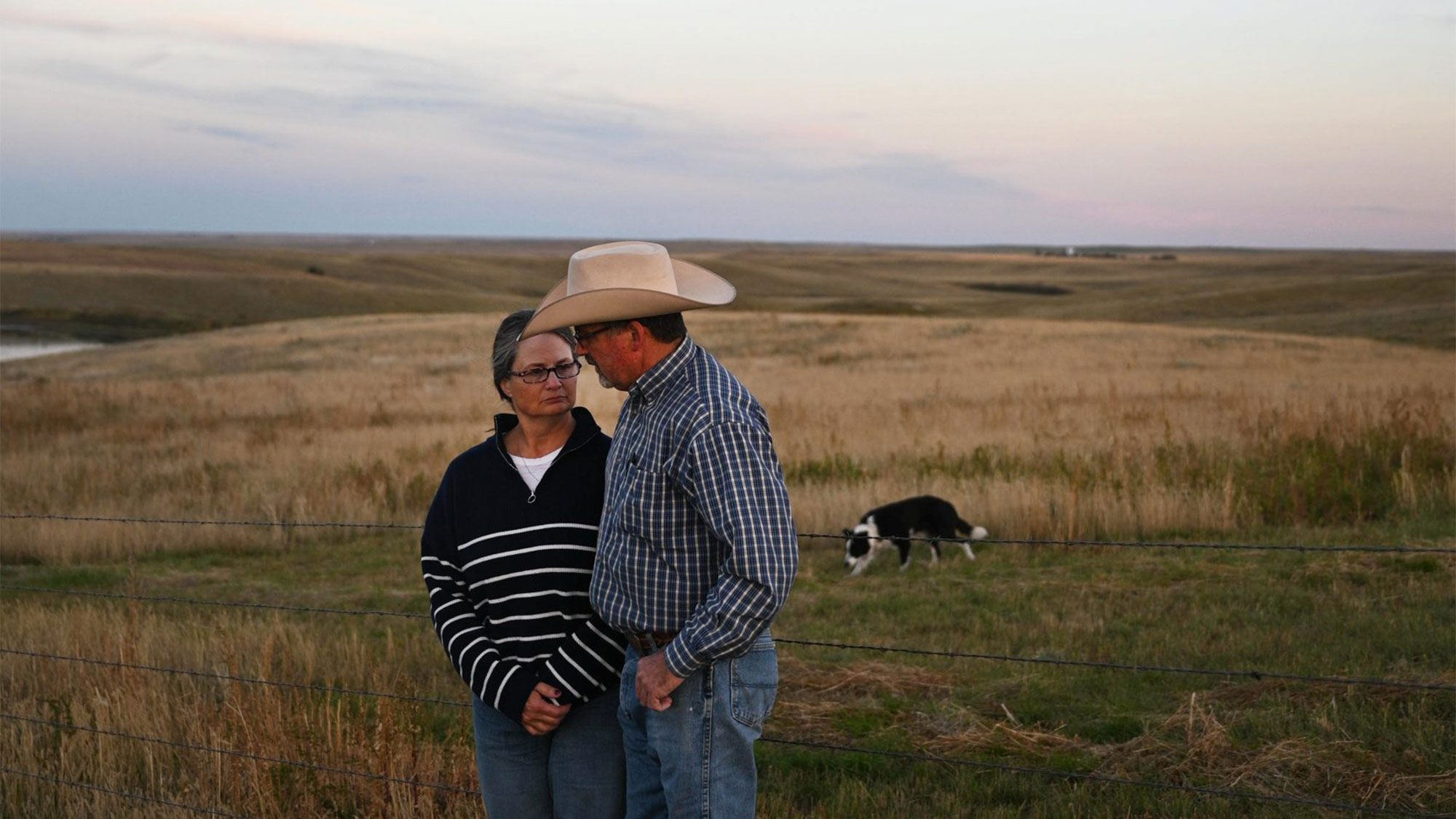
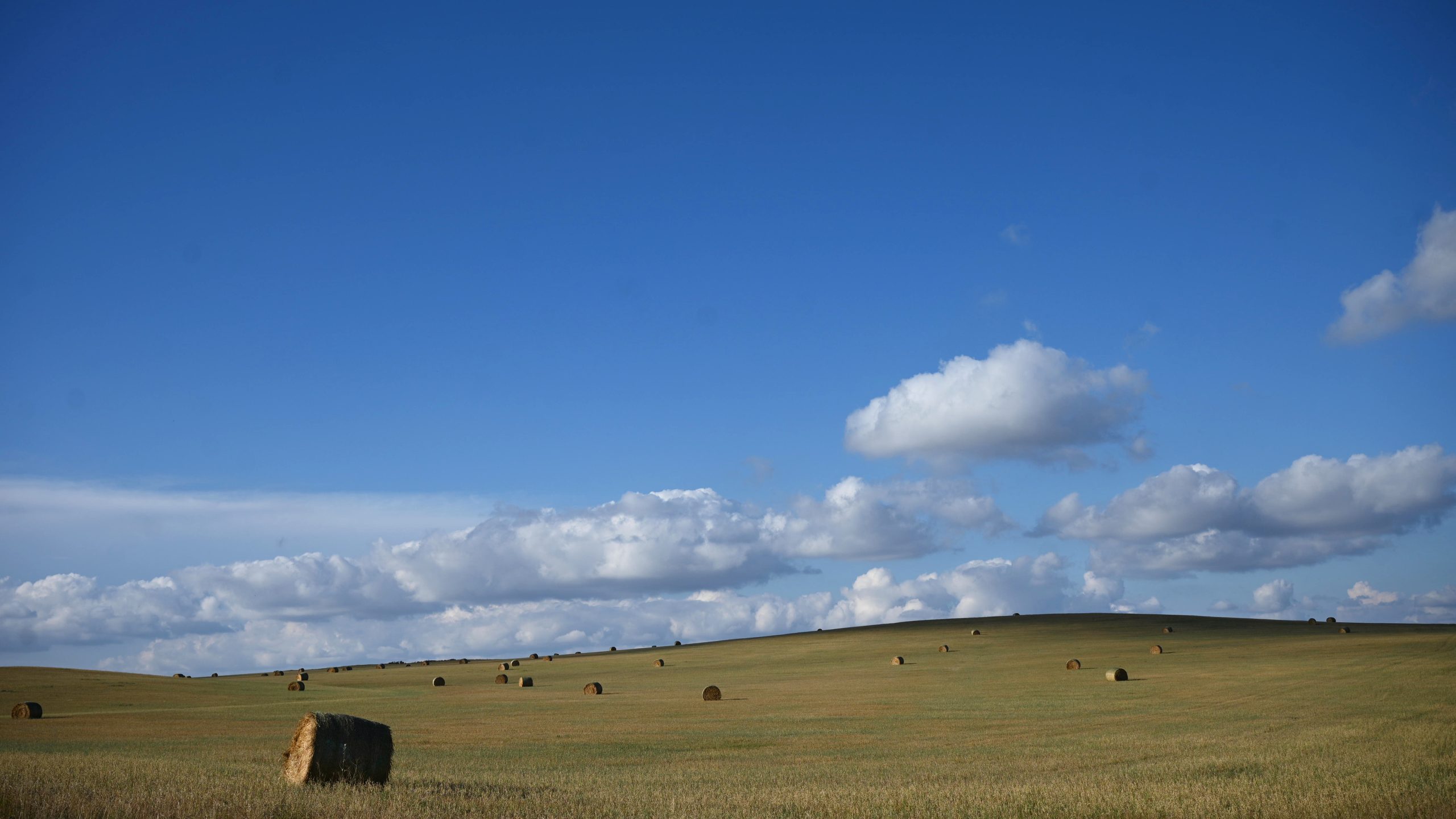
Jerry Arnold stands in a patch of cleared land, his combine idling behind him. To the west, acres of freshly cut grain reveal the rolling, parched hills of the high plains, and to the east, 3-foot stalks of wheat pulse in the wind. Arnold’s sweat-stained baseball cap is coated with a fine layer of golden dust—the residue of a grueling harvest near Opheim, Montana, a remote town of 72 people situated just miles from the Canadian border. For farmers like Arnold, the landscape represents both a livelihood and a relentless battle against volatile markets and a changing climate.
Last year’s exceptionally warm, dry winter took a significant toll on Arnold’s unirrigated acreage. Record-low snowpack left soil moisture in short supply, resulting in stunted crop yields. However, as he surveys his fields, he sees the potential for a different kind of harvest. Arnold is one of nearly 300 Montana landowners currently navigating the complex, high-stakes negotiations associated with the proposed Bridger Pipeline, a 650-mile infrastructure project designed to transport tar sands oil from the Canadian border through eastern Montana and into the energy-refining hub of Guernsey, Wyoming.
The Economic Mirage of Rural Infrastructure
For many in this economically depressed region, the pipeline is viewed as a financial lifeline. "We’re coming off of two, three bad years," Arnold explained, referencing the cumulative impact of drought and fluctuating commodity prices. "And that’s going to be a good-size check."
The project, spearheaded by Wyoming-based Bridger Pipeline LLC, aims to move bitumen—a dense, molasses-like mixture of sand, clay, and water—across a vast swath of the American West. This specific type of crude is notoriously carbon-intensive, generating approximately 20 percent more greenhouse gas emissions than conventional crude oil during the extraction and refining processes. Despite the environmental concerns, the promise of immediate cash payouts for land easements is a powerful incentive in a region where farming margins are razor-thin.
The history of pipeline development in the area provides context for this enthusiasm. In the 1980s, when a combination of drought and a grasshopper infestation threatened his family’s future, Arnold found salvation through the Northern Border Pipeline. The compensation he received for granting an easement allowed him to stabilize his operation. Decades later, when the Keystone XL pipeline was proposed, the community held similar hopes, only to be left disappointed when the project was terminated in 2021. For residents like Arnold, the Bridger project represents a second chance at the economic stability promised by massive infrastructure investments.
A Chronology of Conflict and Compliance
The road to construction for the Bridger Pipeline is paved with regulatory hurdles and historical precedent. This spring, the project received a critical boost when President Donald Trump granted a presidential permit authorizing the company to cross the international border. While this federal approval is a milestone, it is far from the final step.
The company must now navigate a multi-layered permitting process:
- Route Identification: Bridger has proposed three potential paths, with a "preferred route" currently under intense scrutiny.
- Environmental Review: The Bureau of Land Management (BLM) is tasked with conducting an environmental analysis, a process that is currently stalled as the agency waits for the company to provide necessary logistical data.
- Easement Negotiations: Individual landowners are currently in various stages of private contract negotiations. While the exact figures are kept confidential, industry standards for such projects often involve substantial signing bonuses and one-time payments that can reach into the six figures for larger parcels.
- State and Federal Permitting: Beyond the federal permit, the project requires a suite of state-level compliance approvals.
The Disparity of Rural Benefit
The economic desperation in counties like Daniels County, where 11 percent of the population lives in poverty, cannot be overstated. County Commissioner Tammi Fladager describes the local sentiment with blunt realism. "We’re kind of desperate," she noted, emphasizing that for a community with no existing pipelines to draw property tax revenue from, the project is a rare opportunity to bolster the local tax base.
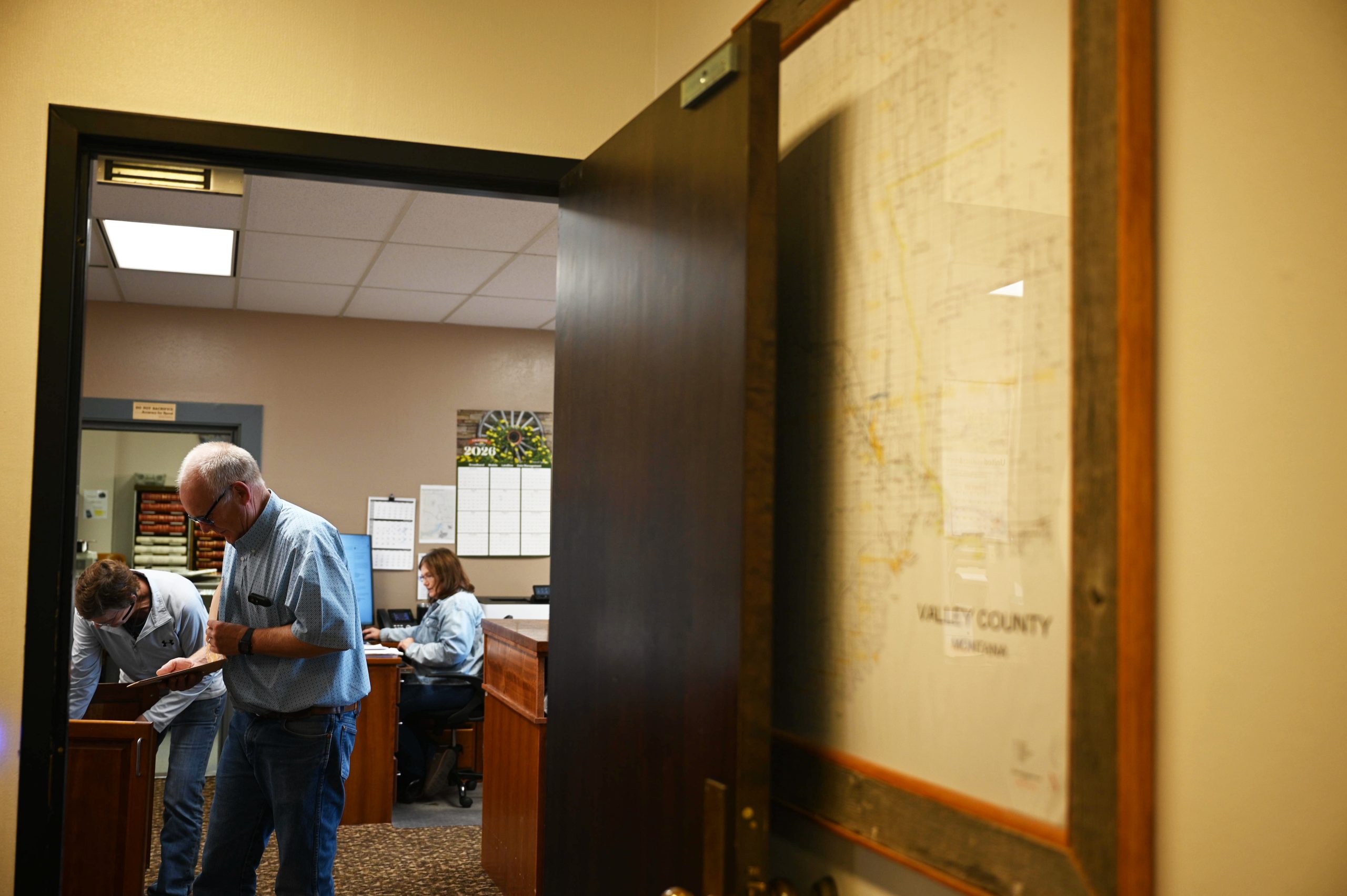
In neighboring Valley County, the contrast is stark. The county has previously leveraged energy infrastructure to fund critical community projects, including a $16.8 million school bond. When the Keystone XL project was canceled, the blow to the local economy was profound. For these communities, the pipeline is not just a conduit for oil; it is a primary revenue stream that could sustain schools, roads, and emergency services for decades.
However, this enthusiasm is not universal. Rancher Bob Thielen, who owns land along the preferred route near Plevna, echoes the sentiments of many who are weary of the "annoying stages" of development. Beyond the disruption of surveyors and environmental teams, Thielen questions the long-term utility of the pipeline for the American public. "What is the benefit to the American people?" he asked. "The counties might get a little revenue, us ranchers are going to get a little revenue—the American people are going to get absolutely zero from it if it’s just coming in and going out."
Environmental Risks and Tribal Sovereignty
While landowners weigh financial benefits, the broader environmental risks remain a point of contention. The Bridger Pipeline’s track record adds weight to these concerns. In 2015, a Bridger-owned pipeline spilled at least 30,000 gallons of Bakken crude into the Yellowstone River, contaminating the water supply for thousands in Glendive. The company ultimately paid a $2 million settlement to the state and has faced multiple enforcement actions, including a $12.5 million penalty in 2023 for safety violations in Montana and North Dakota.
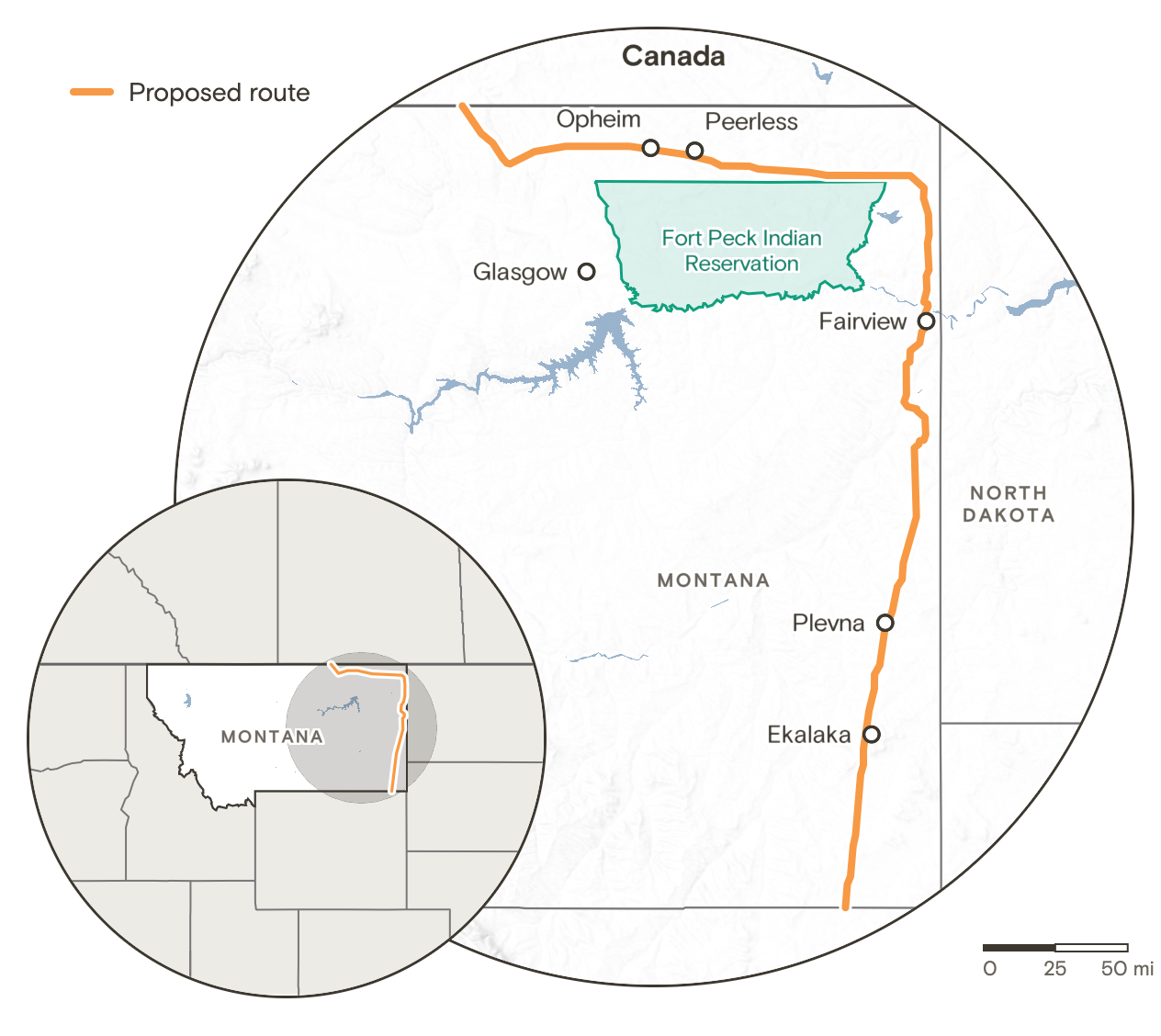
Spokesperson Bill Salvin maintains that the company has evolved, citing modern safety protocols and an AI-driven leak detection system. Yet, for the Fort Peck Tribes, the risks are existential. The pipeline’s route skirts the northern border of the Fort Peck Reservation, coming within two miles of critical water treatment systems that serve both tribal and non-tribal members.
Krystal Two Bulls of Honor the Earth argues that this placement is a deliberate tactical choice. "It’s an extremely common practice," she said. "They put the pipeline just close enough where you don’t have rights… but it’s close enough where it’s going to have an impact."
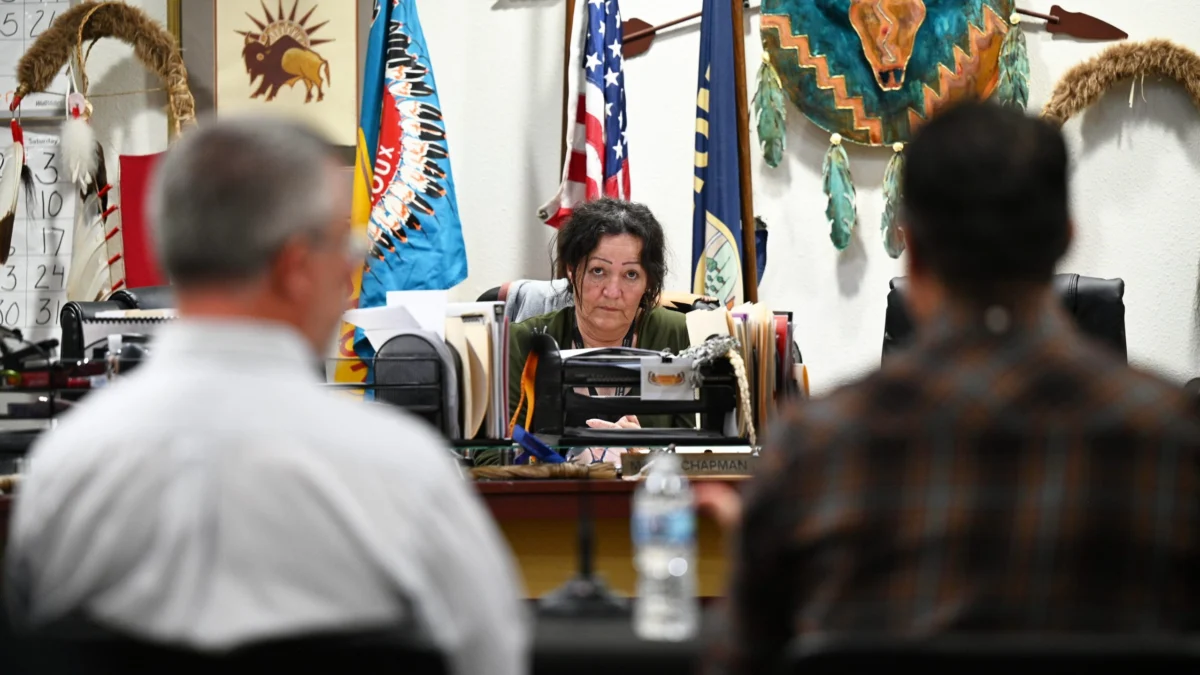
During a tense September meeting with the BLM, Tribal Executive Board member Jestin Dupree demanded answers regarding "worst-case scenarios" and potential mitigation strategies. The response from the federal agency was dismissive of broader climate concerns; project lead Phillip Blundell noted that, per a recent Supreme Court decision, the BLM’s environmental analysis will focus strictly on construction-related emissions, excluding the lifetime climate impact of the tar sands oil itself.
Future Implications
As the project approaches its projected ground-breaking date, the disconnect between local economic hope and regional environmental anxiety continues to widen. Bridger Pipeline LLC maintains that the project will provide 2,000 to 2,500 temporary construction jobs and 50 to 100 permanent maintenance positions, while simultaneously enhancing energy security by moving 550,000 barrels per day.
Yet, the questions raised by landowners and tribal leaders persist. Will the pipeline actually lower domestic fuel costs, or will it merely facilitate the global export of Canadian tar sands? How will the rural landscape hold up under the pressure of "man camps" and the potential for industrial accidents? For Jerry Arnold, the math is simple: the check helps him stay on his land. For the region at large, however, the Bridger Pipeline represents a gamble where the immediate payouts for some may be outweighed by the long-term, unquantified risks to the water, soil, and climate of the American heartland. As winter approaches and the bureaucratic process crawls forward, the only certainty is that the divide between the promised prosperity and the potential for catastrophe remains as vast as the Montana prairie itself.

