
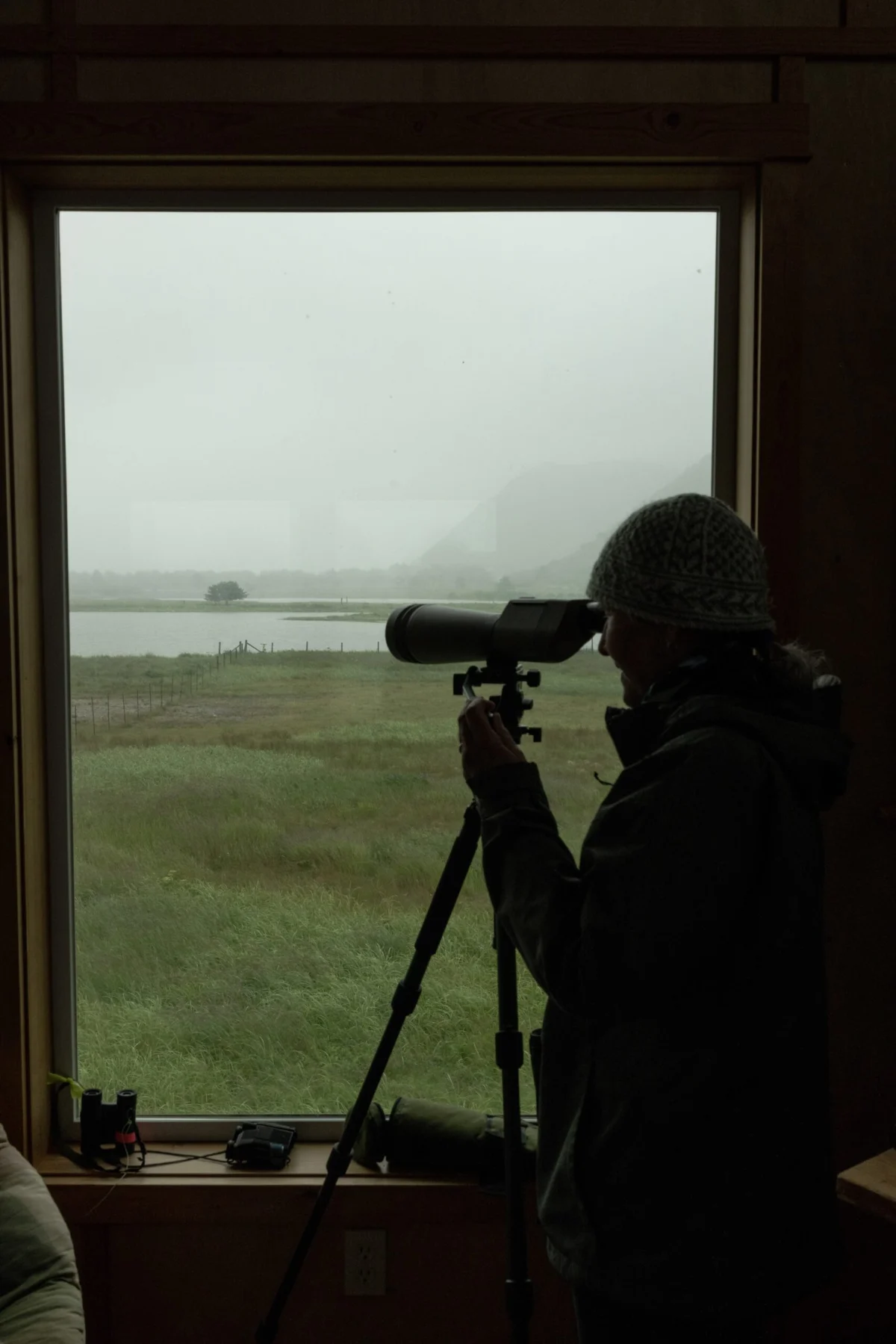
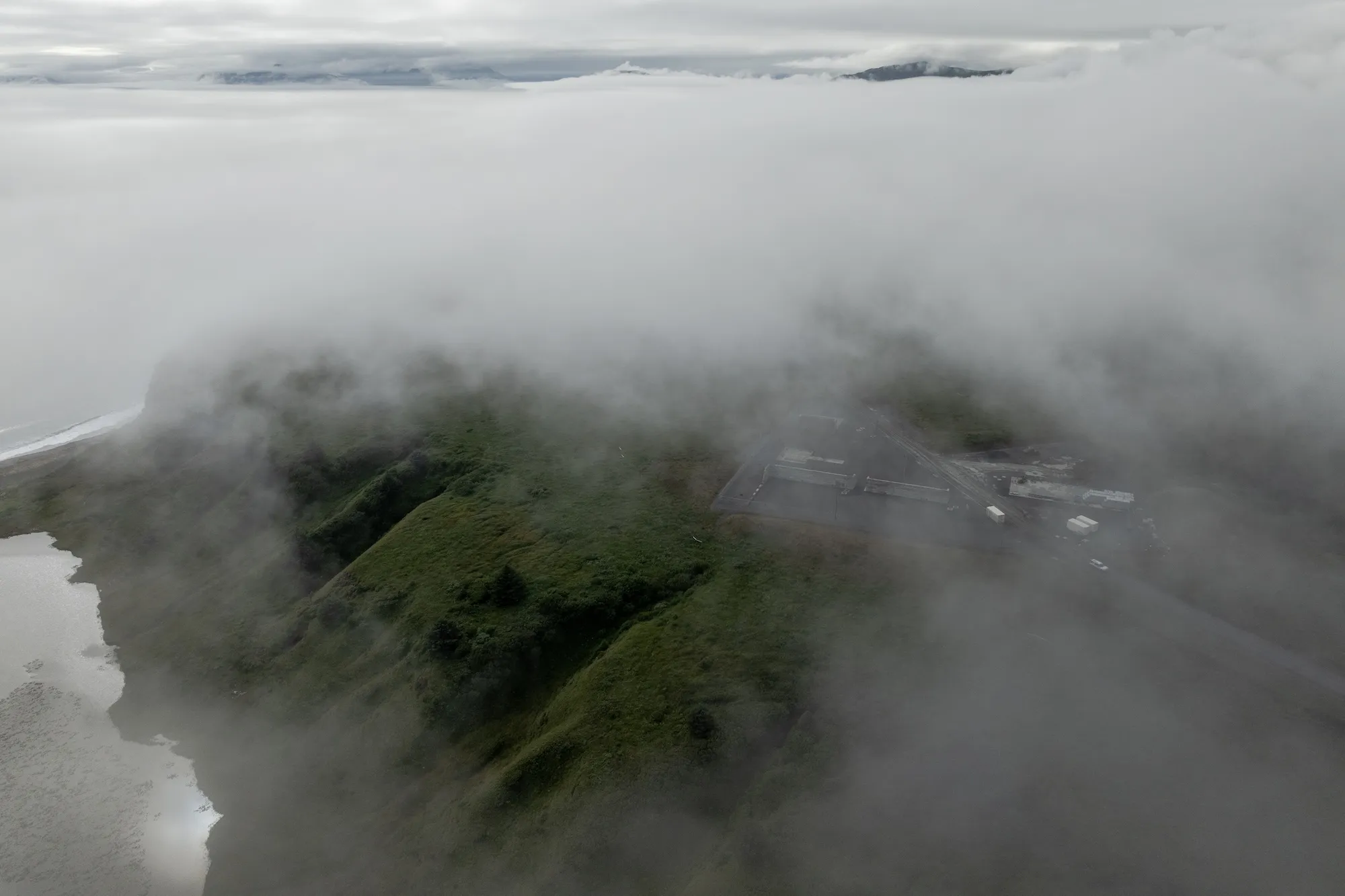
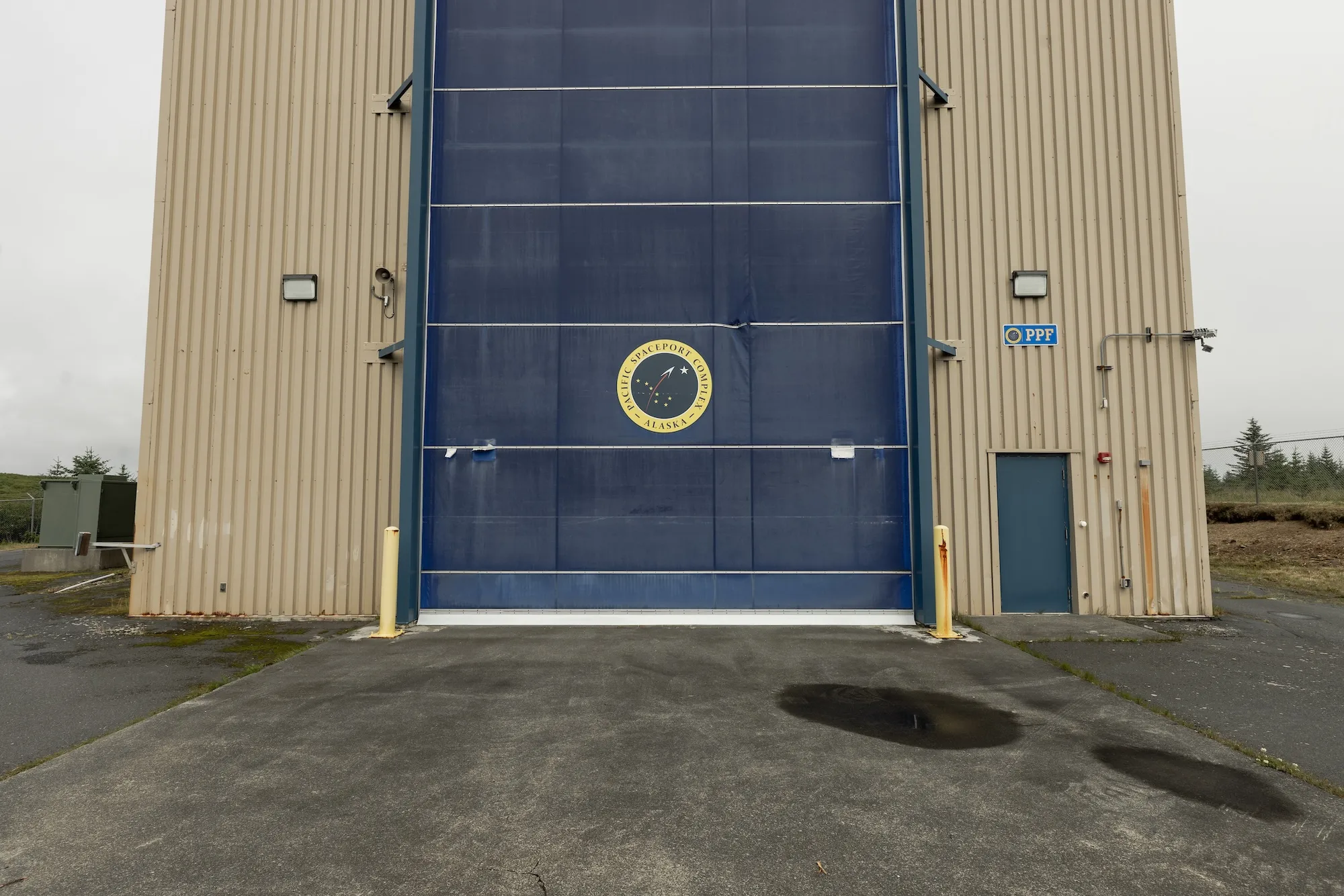
The tranquil landscape of Narrow Cape, Alaska, once defined by the grazing of bison and the seasonal migration of gray whales, has undergone a profound transformation. As the United States accelerates its strategic pivot toward Arctic dominance, the Pacific Spaceport Complex in Kodiak has shifted from a state-run commercial enterprise into a critical, high-security node in the American missile defense architecture. This transition has brought the residents of this remote island into the crosshairs of a global geopolitical rivalry, sparking concerns over environmental safety, civil liberties, and the rapid, often opaque, expansion of military infrastructure.
The Midnight Lockdown
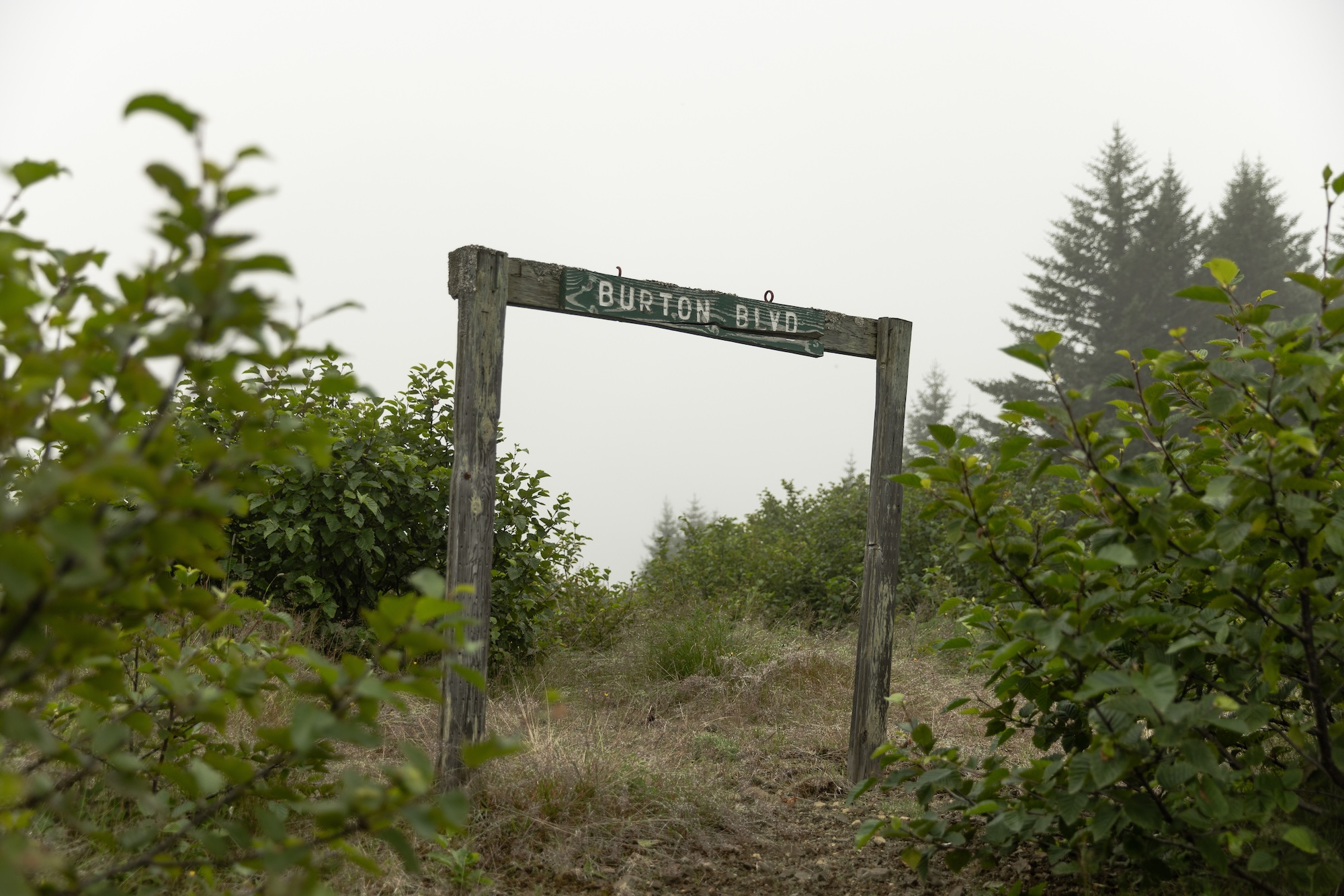
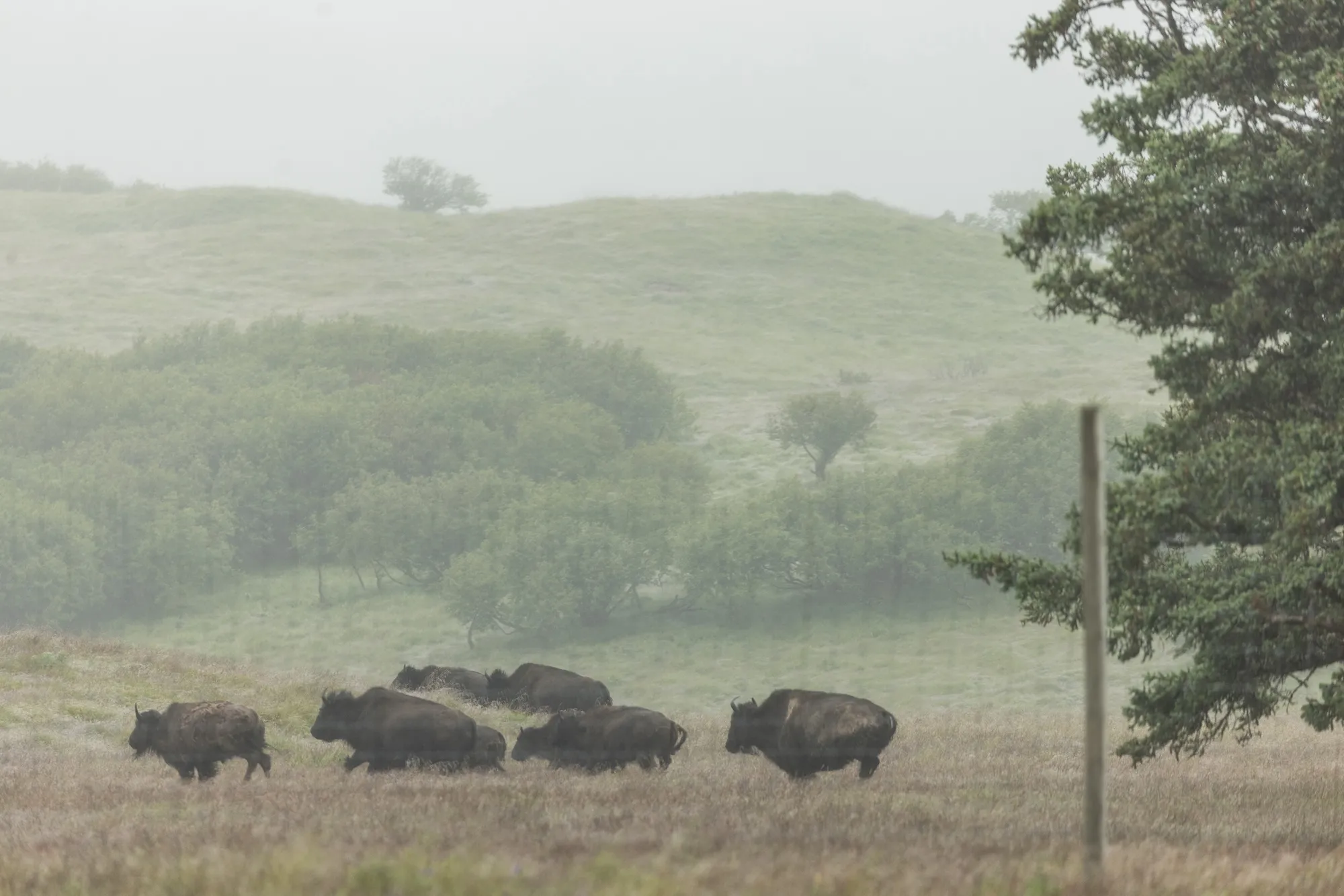
Last August, the reality of this new era arrived at the doorstep of the Burton family. Christine and Buck Burton, owners of a 140-acre bison ranch bordering the spaceport, received a frantic call from a relative employed at the facility. A launch—suspected to be a hypersonic missile test—was imminent, and the only road connecting their property to town was to be sealed off.
The Burtons were accustomed to the disruptions of space travel: road closures, the noise of rocket fire, and the occasional failure that scattered debris across the pristine landscape. However, this time was different. Upon arriving home, Christine found an unmarked security vehicle barring her driveway. With a sick child inside her home, the sudden enforcement of a total lockdown without public notice underscored the creeping reach of federal military mandates over local life. The launch, delayed by 24 hours, eventually lit up the night sky, triggering a wave of confusion and fear across social media platforms as residents questioned whether they were witnessing the opening salvos of a foreign conflict.
A Legacy of Secrecy
The Alaska Aerospace Corporation (AAC), founded in 1991, was initially envisioned as a catalyst for economic growth, education, and research. Unlike the massive, federally controlled installations at Cape Canaveral or Vandenberg, the Kodiak facility was marketed as a commercial spaceport. Yet, the recent mandate from the federal government has effectively stripped away that public-facing identity.
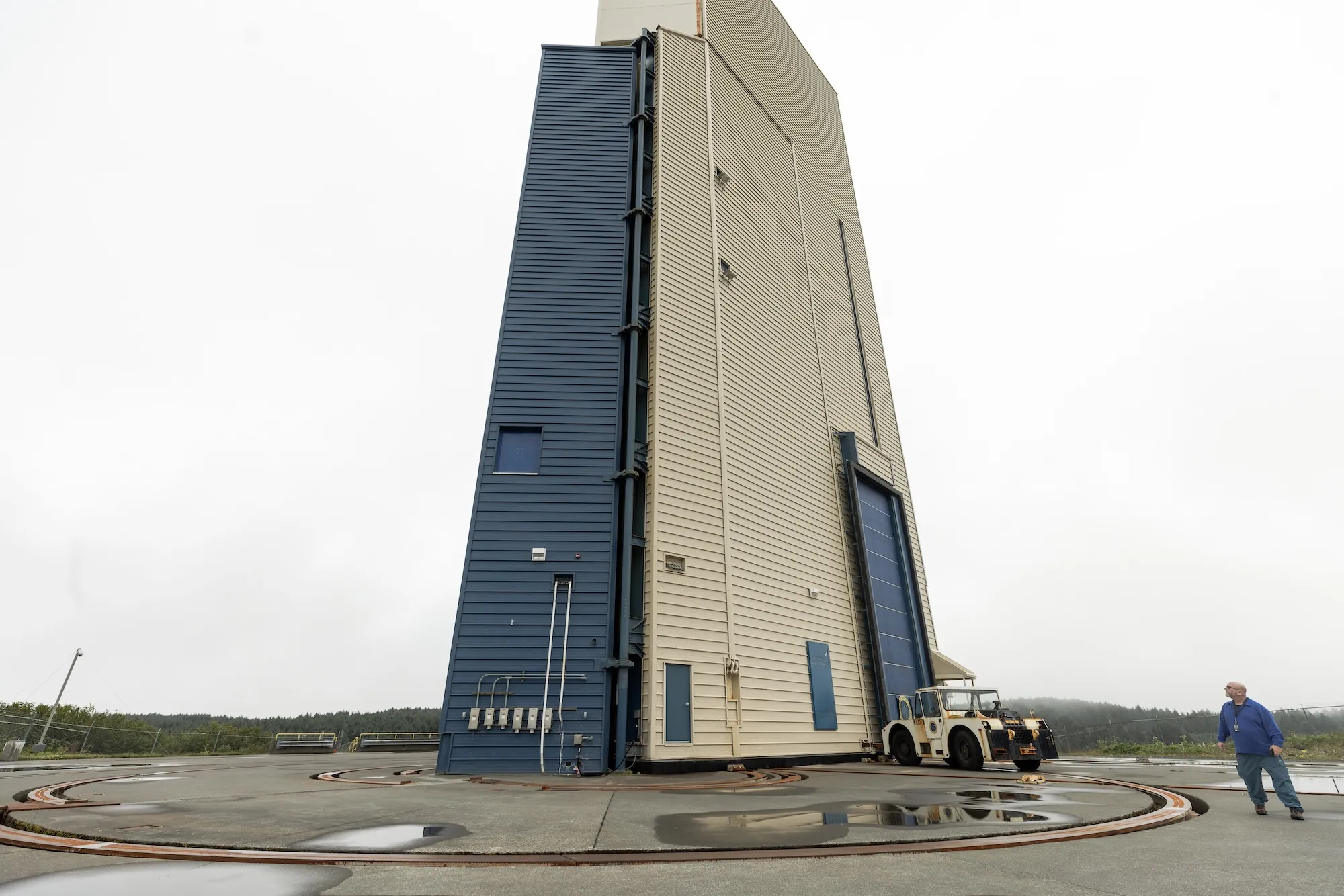
Internal documents and accounts from AAC board meetings suggest a palpable tension between local administrators and federal handlers. In the weeks following the August launch, AAC CEO John Oberst admitted to colleagues that the company had been effectively "handcuffed" by government orders, barred from issuing even routine public notices to the Alaska Department of Transportation. This shift represents a broader trend: the militarization of civilian infrastructure in the name of national security.
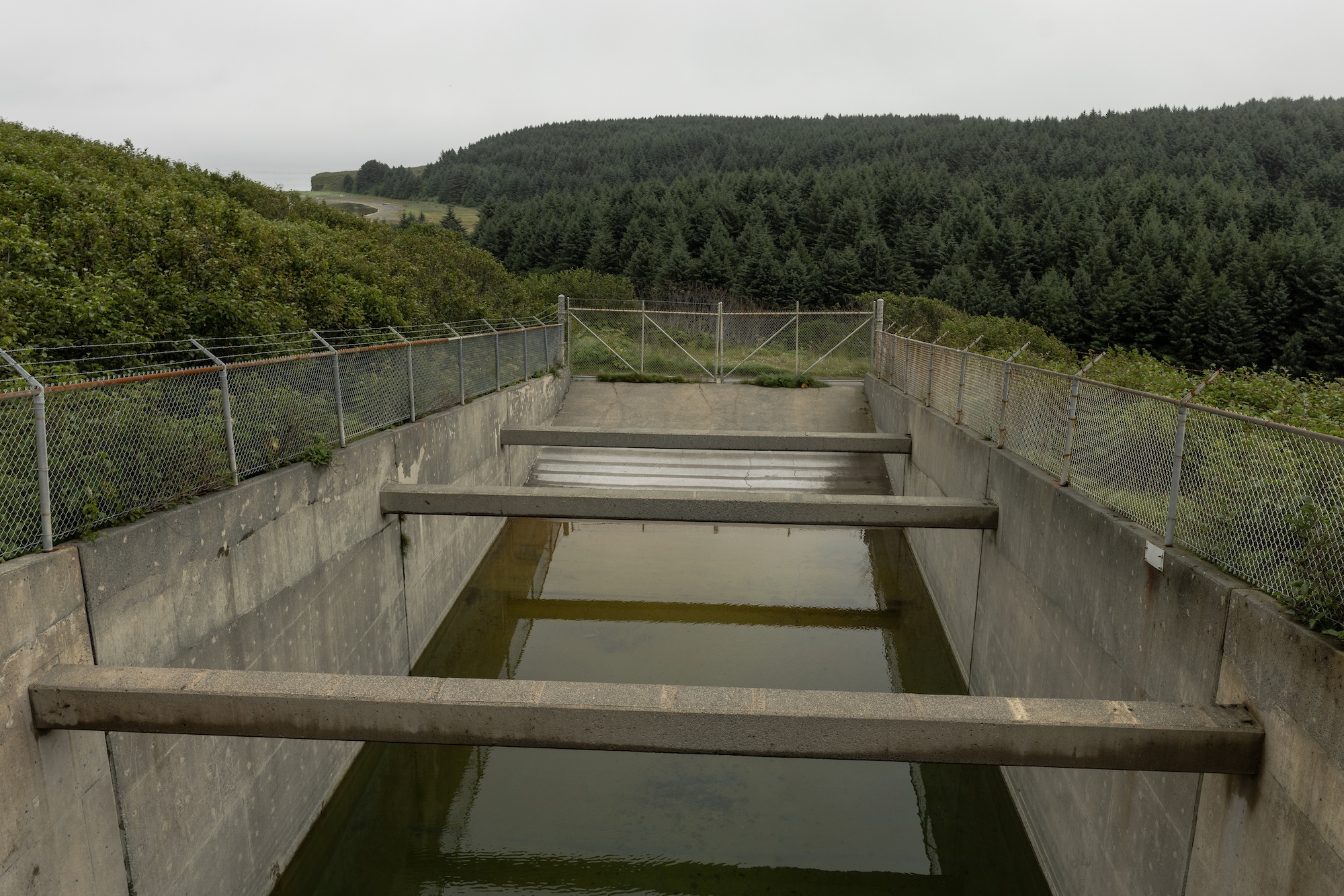
The Golden Dome and the Arctic Arms Race
At the center of this buildup is the "Golden Dome," a multi-layered, $1 trillion missile defense shield designed to counter emerging hypersonic threats from near-peer adversaries. The project, which involves an intricate network of space-based sensors and ground-based interceptors, has become the primary driver of development at Kodiak.
The geopolitical context is stark. As climate change renders the Arctic more accessible, it has become a theater for competition over shipping lanes, rare earth minerals, and energy reserves. The U.S. government, under the current administration, has prioritized "Arctic dominance," viewing the region’s proximity to Russia and China as an existential security challenge.
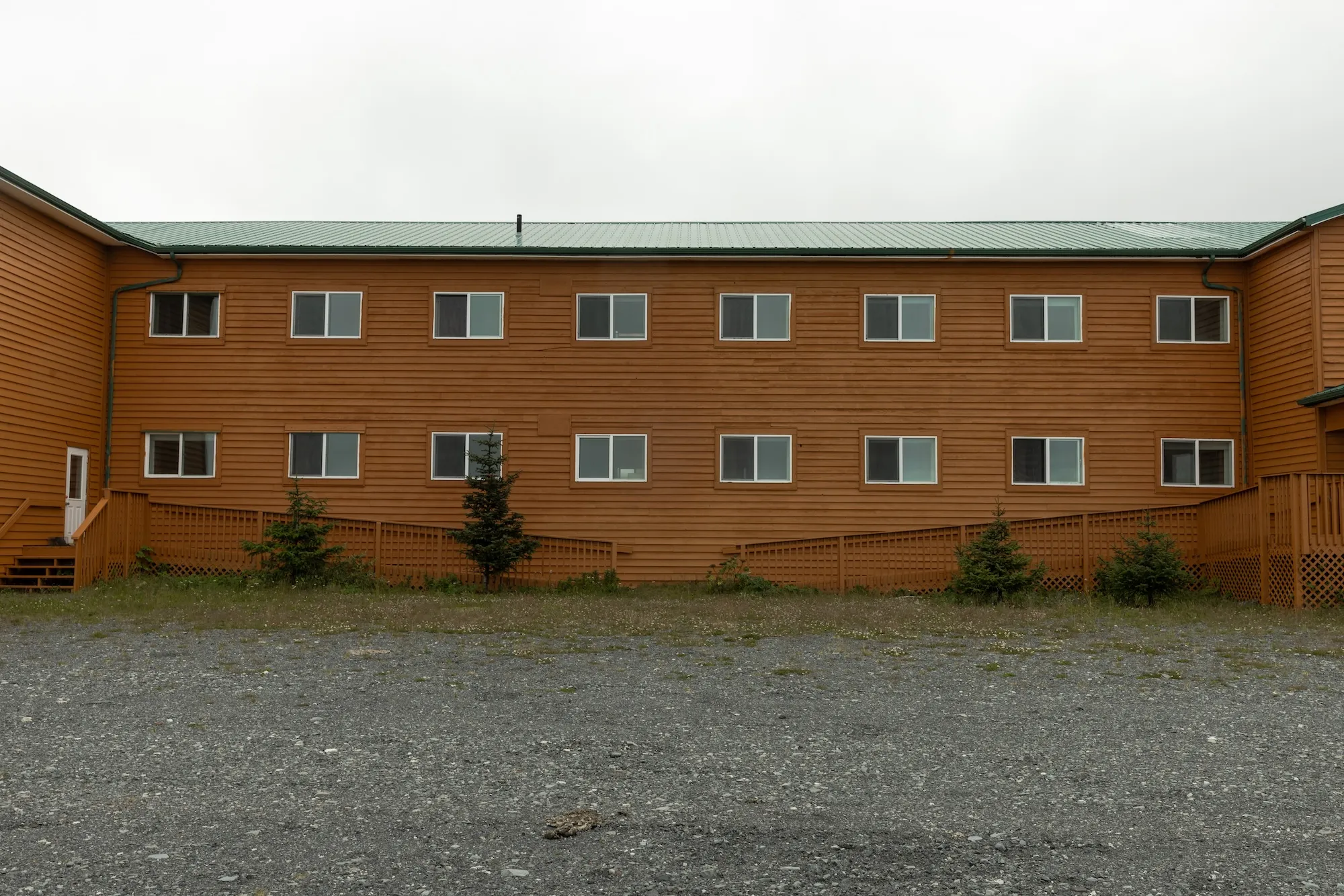
This policy shift has translated into massive federal funding. In 2026, the facility was allocated $45.5 million for infrastructure upgrades, including a new 10,000-foot airstrip and expanded lodging for contractors. Projections indicate a massive increase in launch cadence—potentially moving from three launches a year to three a month—to meet the requirements of the national defense apparatus.
Environmental and Community Impacts
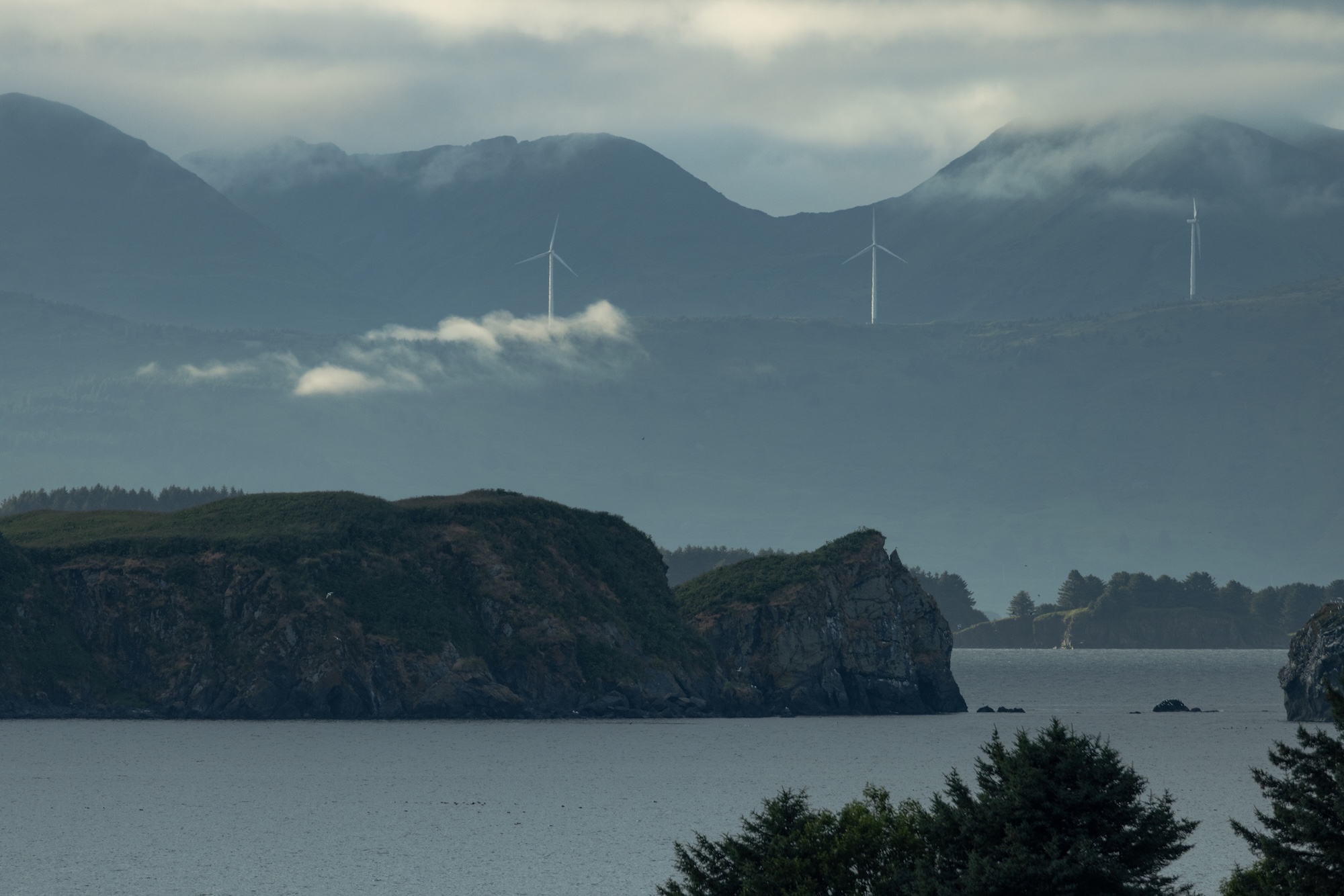
The rapid expansion of the facility has outpaced both local infrastructure and environmental oversight. Kodiak’s electrical grid, which has long relied on a stable mix of hydroelectric and wind power, is now nearing maximum capacity due to the influx of military personnel and construction activity.
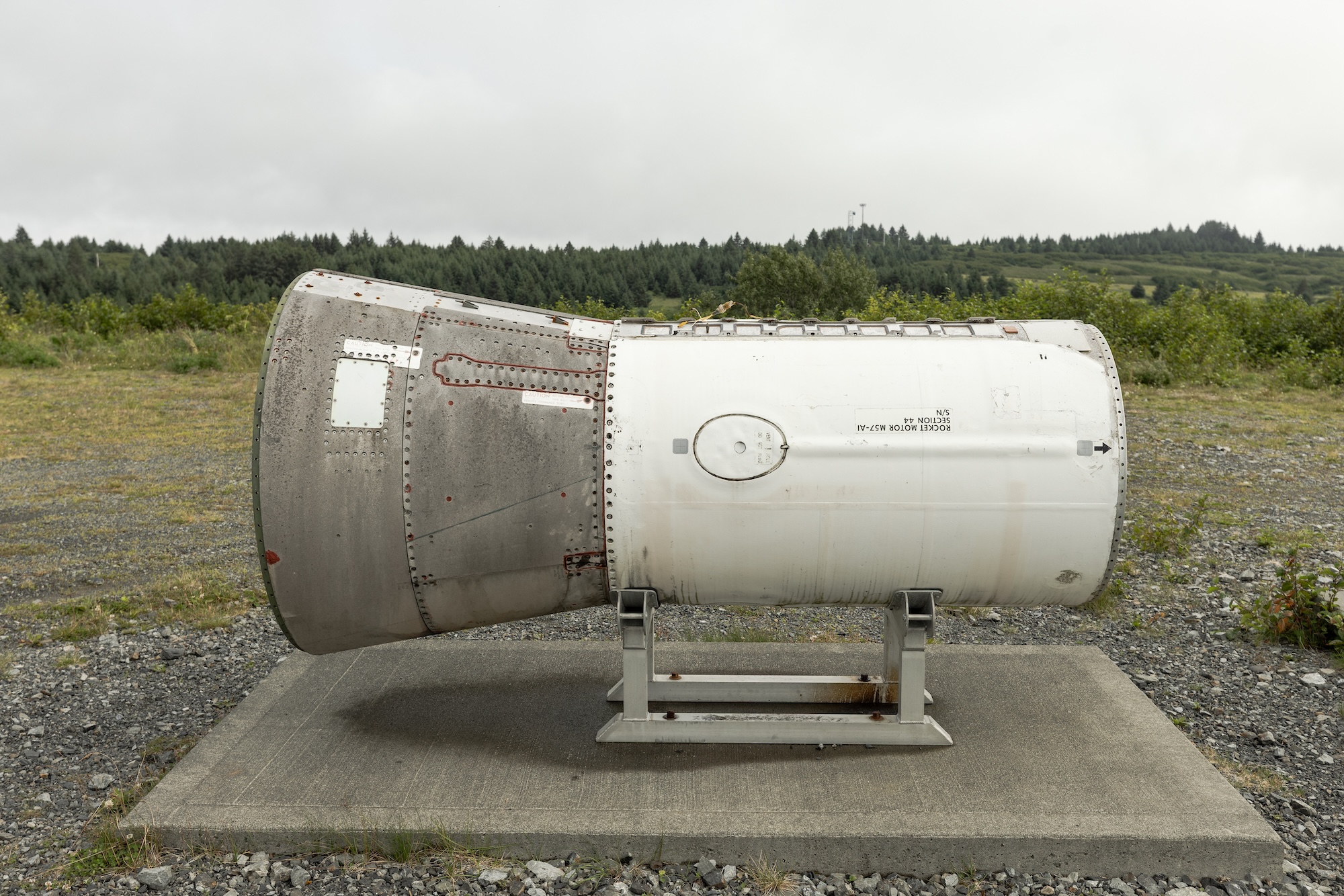
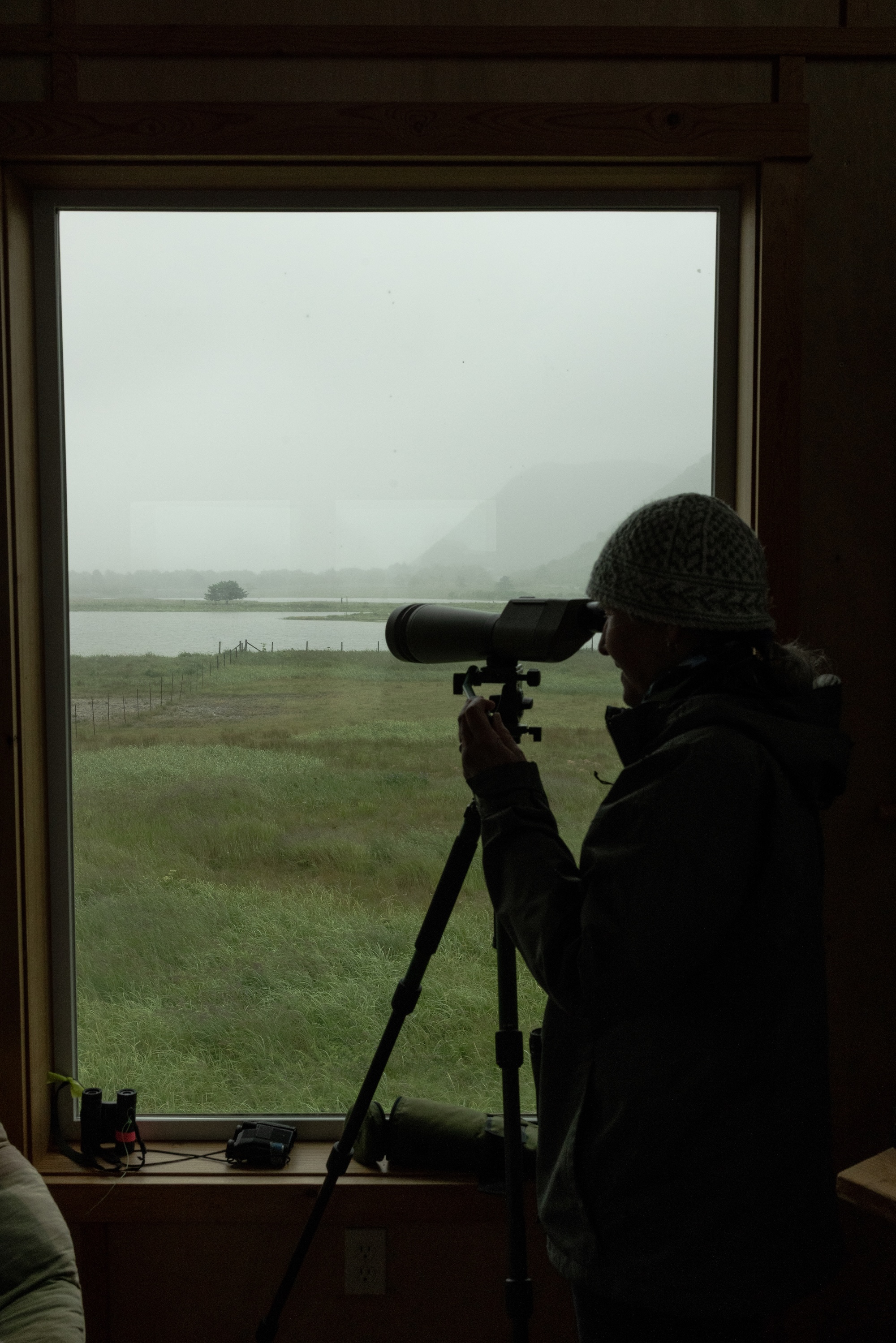
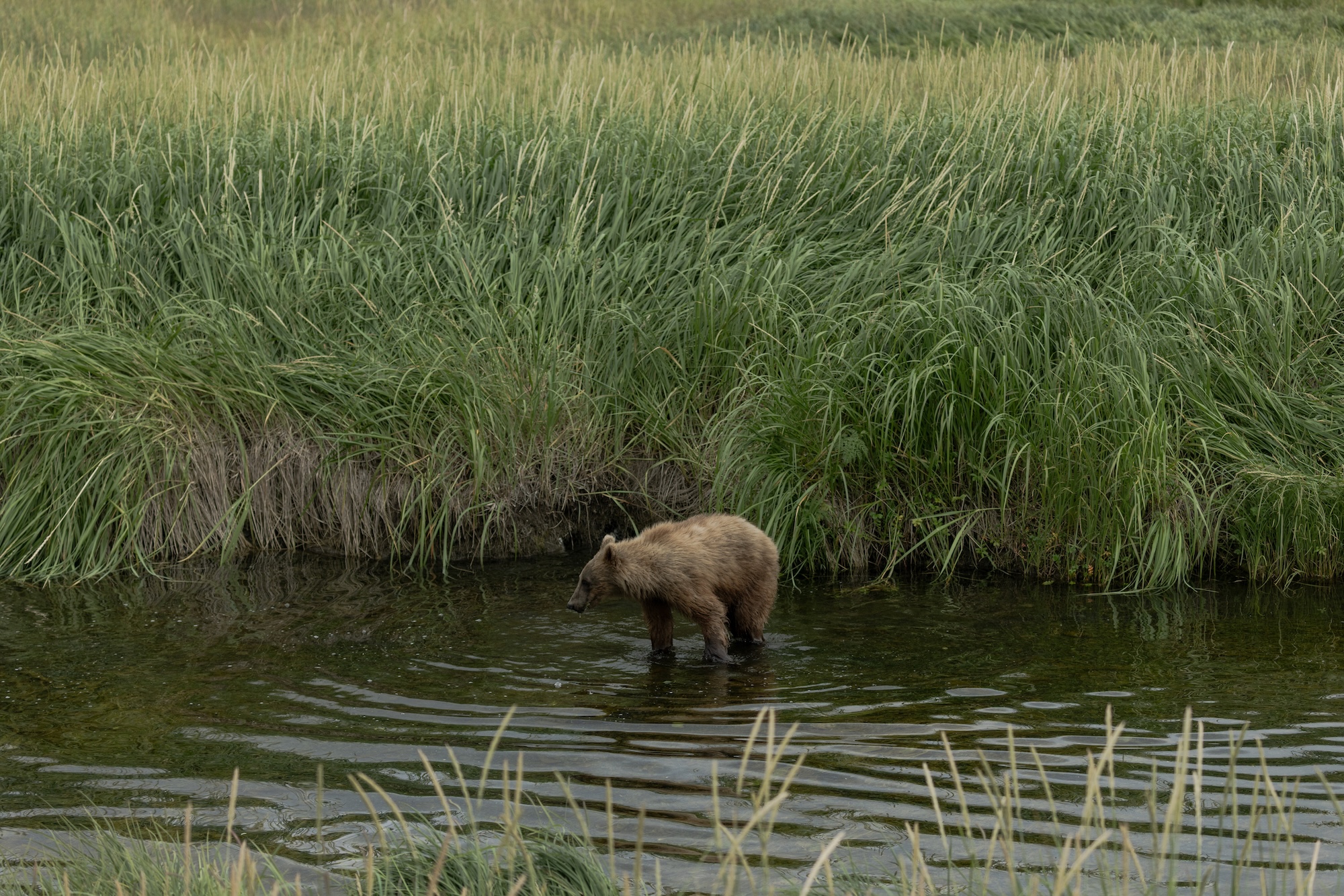
Environmental advocates, including the local chapter of Audubon Alaska, have raised alarms regarding the impact on biodiversity. Narrow Cape is a critical habitat for over 180 species of birds and serves as a corridor for marine life. The prospect of increased rocket exhaust, toxic fuel spills from failed launches, and the construction of a proposed barge dock at the Pasagshak River has fueled local opposition.
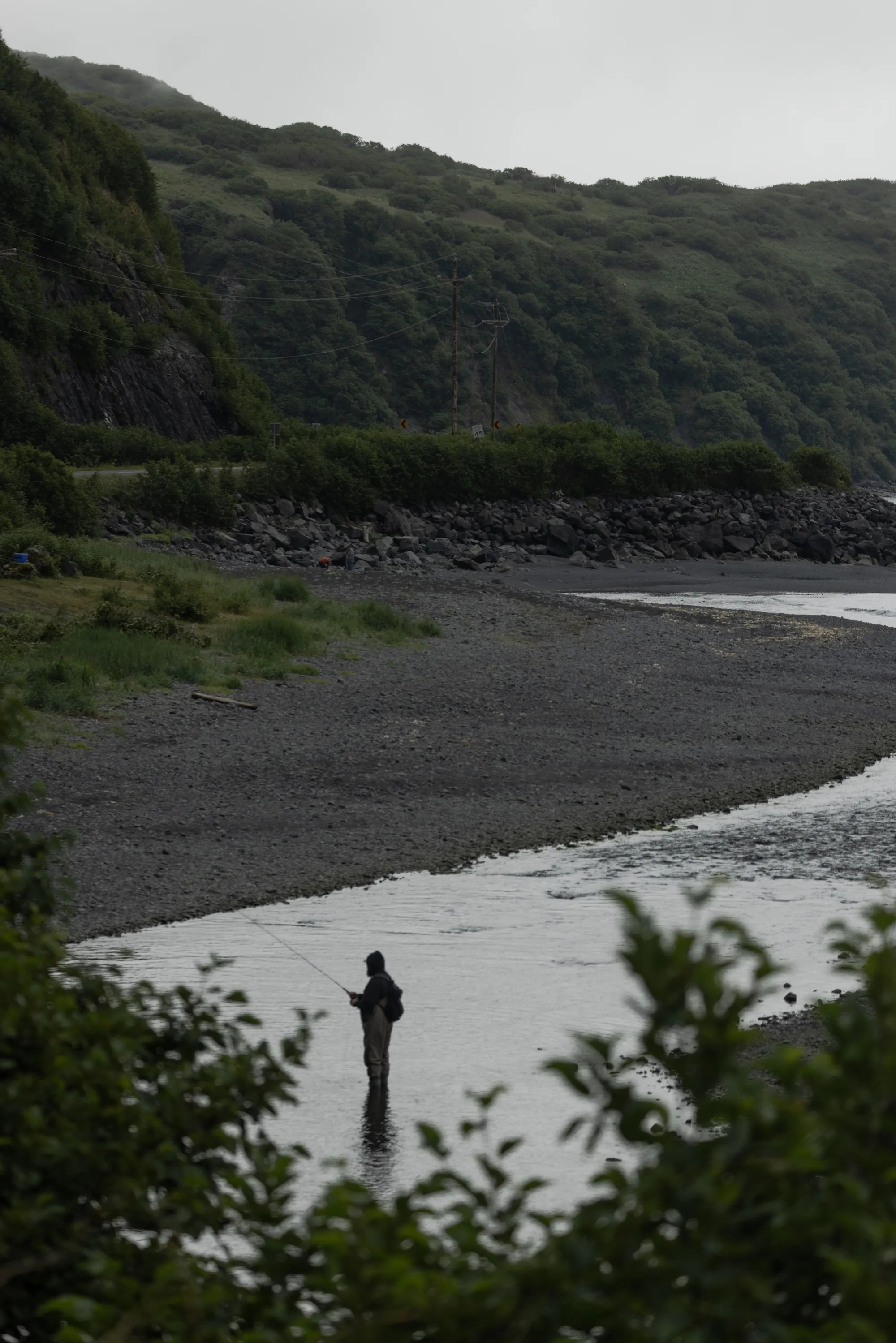
Furthermore, the environmental review process, once a safeguard for local ecosystems, is being systematically dismantled. Recent federal rules now allow private aerospace firms to bypass significant provisions of the National Environmental Policy Act and the Clean Water Act, ostensibly to "streamline" the path toward a "golden age of space transportation." Critics, including attorneys at Earthjustice, argue that such deregulation ignores the cumulative impacts of high-frequency rocket launches on the atmosphere and the local environment.

A History Repeating
For many Alaskans, the current atmosphere of secrecy recalls the Cold War era. The legacy of underground nuclear testing on Amchitka Island in the 1970s—which caused significant ecological damage and was met with widespread public protest—serves as a cautionary tale. The current administration’s push for a "Pacific Test Range" along the Aleutian chain evokes similar concerns regarding the prioritization of military objectives over the preservation of the land and the health of local communities.
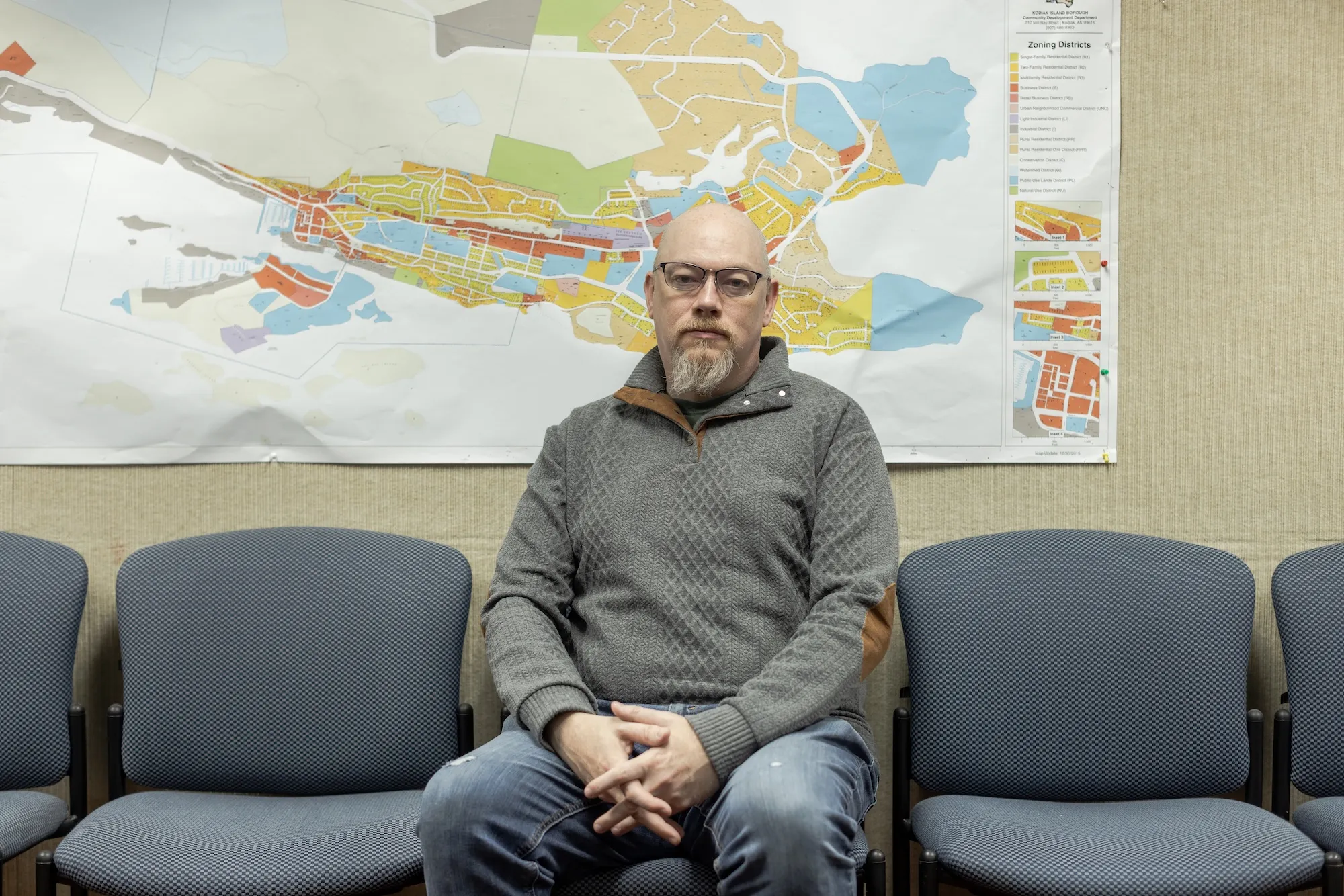
Senator Dan Sullivan has publicly championed the revitalization of military bases on islands like Adak, framing the buildup as the most significant since World War II. While local officials like Mayor Jared Griffin acknowledge the potential for economic stimulation, there is a growing realization that this growth comes with a cost. The "sleepy fishing town" of Kodiak is being forced to adapt to a reality where federal security priorities dictate the terms of local existence.
Economic Realities and the Future of the Ranch
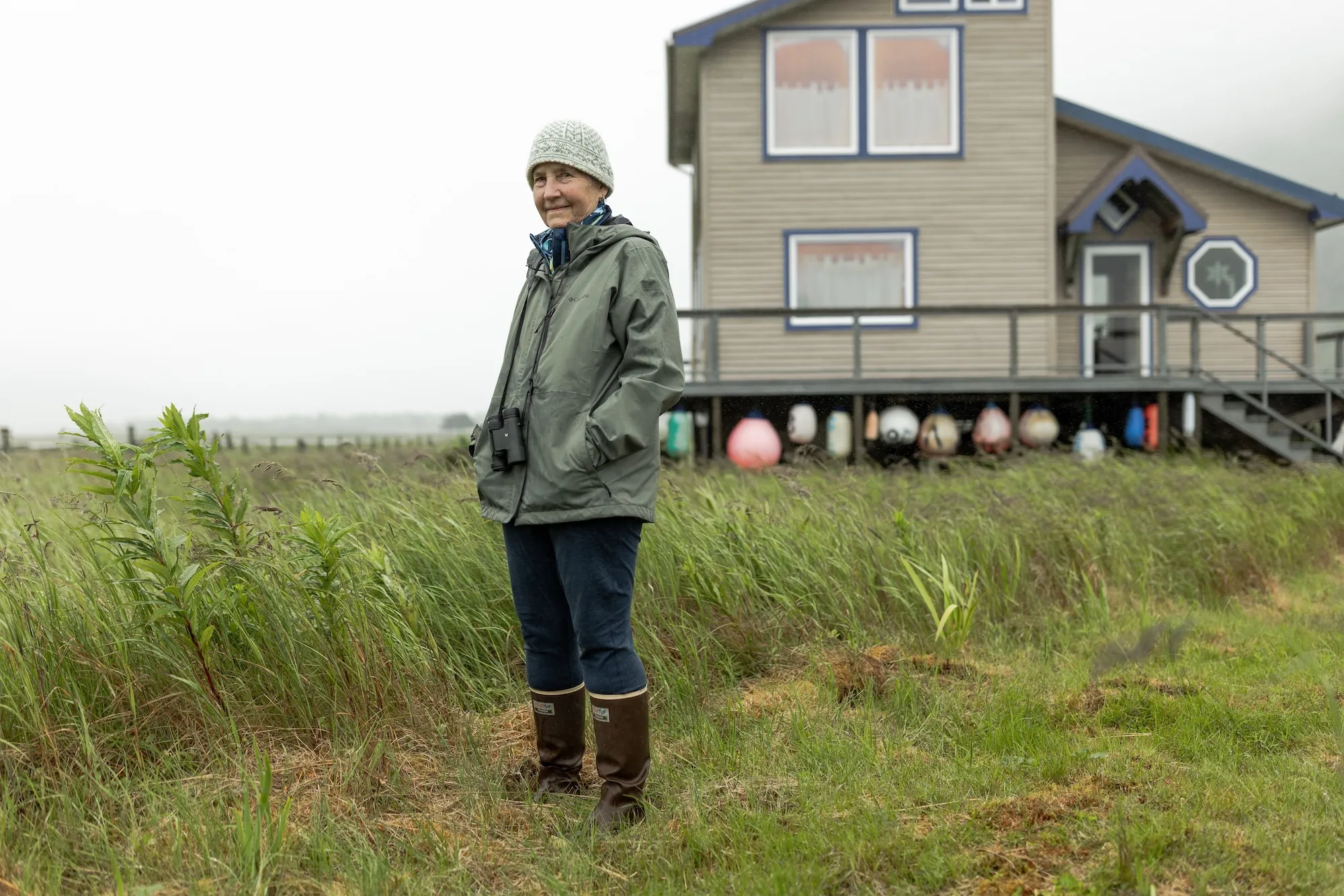
The Burton family’s decision to sell the majority of their property to the Alaska Aerospace Corporation in early 2026 for $2.4 million reflects a broader surrender to the inevitability of the military buildup. For the Burtons, the move was a pragmatic calculation: they anticipated that the expansion would eventually lead to the seizure of their land through eminent domain.

As the facility eyes further expansion, including partnerships with Israeli aerospace firm Moonshot Space and the University of Alaska, the "beachfront property" of space launch sites will only become more crowded. The irony remains that while the federal government invests billions in sophisticated defense shields, the very communities intended to be shielded are experiencing a degradation of the stability and environmental quality they once enjoyed.
Looking Ahead
The path forward for Kodiak is uncertain. The Pentagon has scheduled a major test of the Golden Dome system before the 2028 presidential election, creating a high-pressure deadline that leaves little room for public consultation or local grievances. While AAC leadership, including John Oberst, maintains a desire for transparency, the reality of the defense sector’s "black box" approach to technology development suggests that the residents of Kodiak will remain largely in the dark about the activities occurring in their own backyard.
As the U.S. continues its quest for strategic primacy in the Arctic, the residents of Kodiak find themselves serving as the front-line witnesses to a global shift in power. Whether this island, with its rich fishing culture and fragile ecosystems, can survive its transformation into the "tip of the spear" remains an open question. For now, the rockets continue to climb, the road continues to close, and the silence of the Arctic is increasingly replaced by the roar of an accelerating arms race.

