
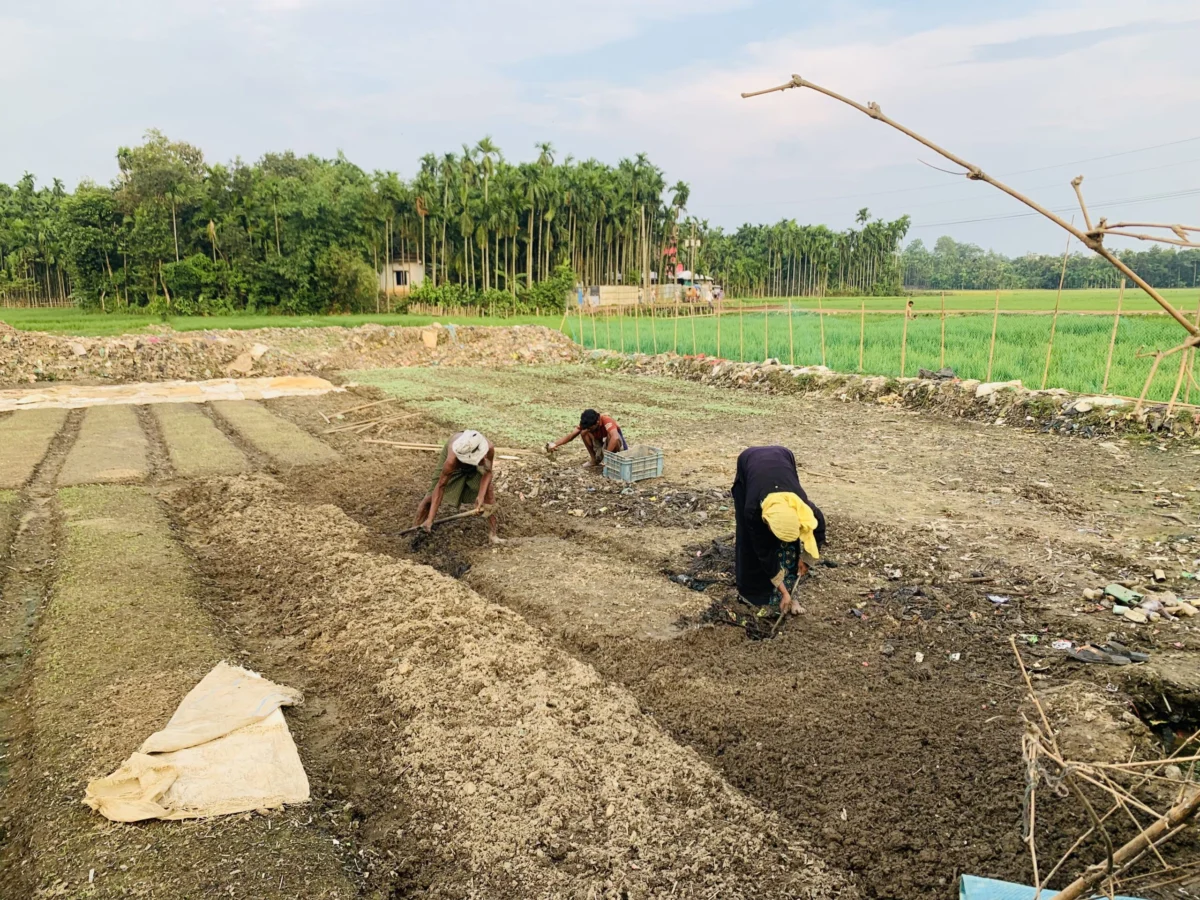
The Kutupalong-Balukhali Expansion Site in Cox’s Bazar, Bangladesh, stands as the largest refugee settlement in the world, housing more than 1.1 million Rohingya people who fled state-sponsored violence and persecution in Myanmar. For the residents of this sprawling, high-density settlement, the landscape is defined by the stark absence of the lush, fertile farmlands they left behind in Rakhine State. In a paradoxical effort to reclaim their heritage while navigating the constraints of displacement, thousands of refugees have turned to agroecology—a farming practice that mirrors the traditional, multi-layered cultivation techniques of their ancestors. By integrating these methods into the camp’s barren, erosion-prone terrain, they are not only supplementing their nutrition amid dwindling international aid but are actively participating in the ecological restoration of a region that was once a vibrant tropical forest.
A Chronology of Displacement and Ecological Transformation
The environmental crisis in Cox’s Bazar began in earnest following the 2017 influx, when over 700,000 Rohingya fled Myanmar in a matter of months. To accommodate the sudden arrival of hundreds of thousands of families, the government of Bangladesh allocated approximately 2,500 hectares of protected forest land. This area was formerly dominated by Dipterocarpus species and served as a vital corridor for endangered Asian elephants (Elephas maximus).

Between 2017 and 2018, the immediate survival needs of the displaced population—shelter, cooking fuel, and sanitation—necessitated the clearing of over 1,500 hectares of forest. The removal of the vegetation canopy and the leveling of hills for tent placement stripped the land of its ability to retain water. Consequently, the monsoon seasons of the following years brought catastrophic landslides, turning the camp into a hazardous zone where the geography itself posed a constant threat to human life.
By 2020, as the initial humanitarian emergency shifted into a protracted crisis, NGOs and international agencies recognized that humanitarian aid alone was insufficient. The focus began to shift toward environmental rehabilitation, incorporating the refugees’ own agricultural expertise. Since 2021, the emphasis has moved toward "nature-based solutions," integrating tree planting with subsistence gardening to stabilize the loose, sandy soil of the hillsides.
The Science of Survival: Agroforestry and Slope Stabilization
Agroforestry in the camp is not merely a hobby; it is a sophisticated, strategic response to the local geology. In a landscape where steep slopes and sandy soil are prone to liquefaction during heavy rains, the root systems of native trees act as structural anchors. Refugees utilize a multi-tiered approach that maximizes the limited space available between shelters.

Tall fruit trees, such as mango and papaya, are planted to provide a high-level canopy, which mitigates the impact of tropical rain on the soil surface. Beneath these, climbers like bottle gourds and pumpkins are trained along bamboo trellises, utilizing vertical space that would otherwise be wasted. At the ground level, traditional vegetables like Indian spinach and amaranth are grown, enriched by composted household waste and animal manure, effectively bypassing the need for expensive and potentially harmful chemical fertilizers.
According to the Food and Agriculture Organization (FAO), this method of intercropping has proven remarkably effective. The strategy of using fast-growing species for rapid ground cover, combined with slow-growing native species for long-term stability, has significantly reduced the frequency and impact of minor landslides within the camp’s garden sectors. Furthermore, pilot projects utilizing water-efficient, dry-season plantation technology have reported up to 100% seedling survival rates, demonstrating that the camp’s environment is slowly recovering its ecological function.
The Human Element: Traditional Knowledge and Gender Dynamics
For refugees like 47-year-old Roshid Ahamed Bin, agriculture is a bridge to his past. "Our land may be far away, but the farming passion of our ancestors remains part of our lives," he notes. This sentiment is echoed across the camp, where the transmission of agricultural knowledge—seed saving, pest control, and soil management—has become a form of cultural preservation.

Perhaps the most significant shift has been the emergence of women-led nurseries. In a culture where labor has traditionally been gendered, women such as 58-year-old Amina Khatun and 38-year-old Mabia Khatun have organized community gardening groups. These women manage small, authorized plots, filling seedling bags and meticulously tending to crops. By selling their surplus produce to other camp residents, they have achieved a measure of financial independence that was previously unattainable.
This shift has not been without social friction. Some community members initially viewed the public labor of women with disapproval, adhering to traditional social norms. However, as these gardens have become essential to the camp’s food security and the women’s income, the perception is gradually changing. The act of growing food has become a powerful expression of resilience and collective agency.
Official Responses and International Oversight
The United Nations High Commissioner for Refugees (UNHCR), through projects like the Sustainable Land Management and Environmental Rehabilitation (SuLMER) initiative, has been instrumental in formalizing these efforts. By providing tools, seeds, and training, these programs have integrated the refugees’ traditional techniques into the larger disaster risk reduction strategy of the camp.

However, the scale of the challenge remains immense. The UNHCR and other agencies acknowledge that the long-term success of these programs is contingent upon sustained funding and, crucially, land-use policy. Under current Bangladeshi law, refugees cannot own the land they cultivate. This legal limbo presents a major obstacle to long-term investment in the soil. As the Joint Response Plan (JRP) for the Rohingya crisis continues to emphasize the temporary nature of the camp, there is a lack of clarity regarding the future of the reforested slopes if repatriation to Myanmar occurs.
Broader Implications and Future Risks
The environmental restoration of the Kutupalong camp serves as a global case study for the intersection of refugee management and climate resilience. The ability to stabilize degraded landscapes through community-driven agroforestry offers a model for other humanitarian crises worldwide. Yet, the implications of this work are double-edged.
While the gardens provide hope and food, they exist within a system that is inherently fragile. The environmental gains—the returned greenery, the stabilized soil, and the restored local moisture—are vulnerable to both extreme weather events and the political uncertainty of the region. There is a persistent risk that if these areas are abandoned or if funding for maintenance dries up, the progress made over the last few years could be reversed within a single monsoon season.

Moreover, the dependence on NGOs for seed supply and technical support underscores the refugees’ ongoing lack of self-sufficiency. While the agroforestry plots provide vital nutrition, they cannot replace the full-scale agricultural livelihoods that the Rohingya people were forced to abandon.
As the international community grapples with the protracted nature of the displacement, the story of these gardens remains a testament to human adaptability. The refugees are not merely surviving; they are actively working to heal a landscape that was transformed by the necessity of their arrival. Whether these hillsides will continue to bloom remains a question of both environmental management and international political will, but for the women and men tending them today, every planted seed represents a profound act of resistance against erasure.

