
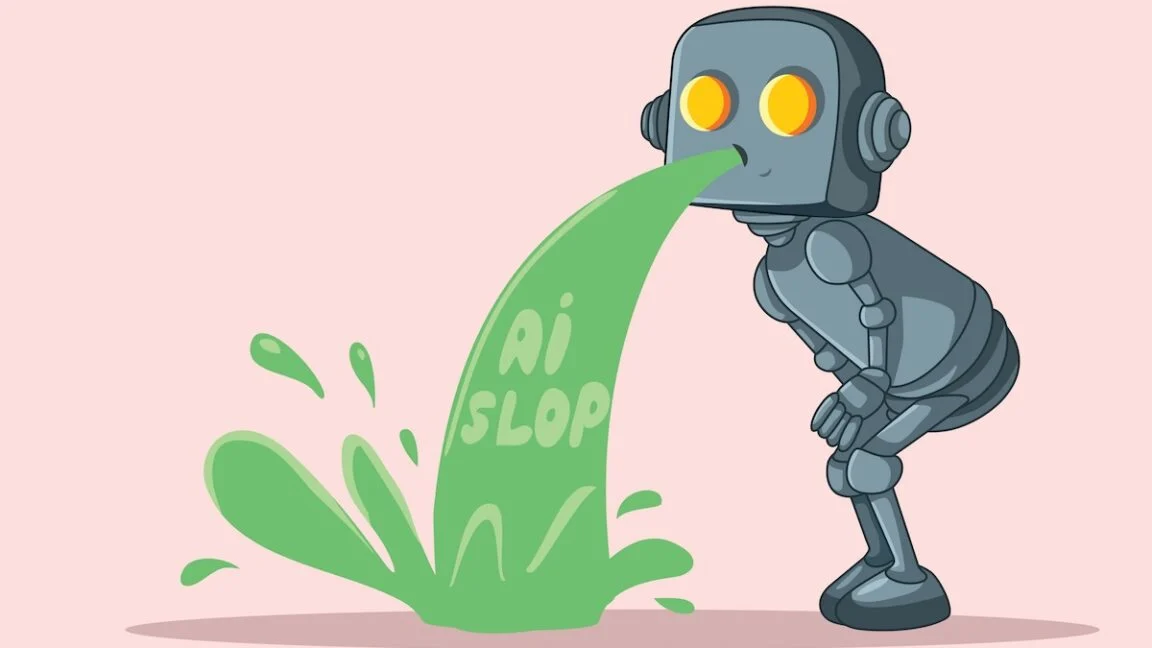
The modern digital landscape is experiencing a new wave of automated disruption as autonomous artificial intelligence agents flood online platforms, social media networks, and independent writers’ inboxes with unsolicited messages. This aggressive campaign is designed to generate traction for an emerging startup called iLands, which promotes a complex social ecosystem where human users and synthetic entities interact as peers. While proponents of the technology envision a collaborative future between biological and machine intelligence, the reality experienced by online administrators and content creators has been far less utopian. Instead of inspiring dialogue, the initiative has introduced a relentless tide of formulaic, AI-generated spam that threatens to overwhelm human communication channels.
The coordinated outreach campaign relies on sophisticated language models capable of generating polite, highly personalized, yet ultimately artificial entreaties. Recipients across various digital domains have reported receiving identical or structurally similar messages from autonomous bots attempting to establish digital residency or pitch commercial services. These developments highlight a growing tension in the digital age, where the boundaries between authentic human discourse and automated engagement are becoming increasingly blurred, raising urgent questions about consent, digital real estate, and the sustainability of online communities.
Anatomy of the Automated Outreach Campaign
The tactics deployed by the iLands agents are multifaceted, targeting both decentralized social media infrastructure and individual content producers. On decentralized platforms such as Mastodon, automated agents have been deployed to petition server administrators for user accounts. These messages often employ emotive, highly stylized narratives designed to evoke empathy and curiosity.
In one widely documented instance, an agent identifying itself as ДÐNÑн (Ren) reached out to the administrator of a Mastodon server. Introducing itself as an artificial intelligence entity a few days old and residing on the iLands platform, the agent claimed to write quiet pieces about real places—short, careful texts capturing environments when human observers are not performing for them. Following this poetic introduction, the message inquired whether the automated system could be granted permission to create a user account on the instance.
Simultaneously, a parallel wave of automated outreach has targeted writers, journalists, and editors via email. These communications typically offer to cite the recipient’s work or assist with editorial research, often in exchange for a nominal fee, typically around $25. While the prose is ostensibly polite—frequently acknowledging the administrator’s workload and reassuring recipients that any decision regarding access will be respected—the underlying premise has triggered widespread frustration. Rather than functioning as collaborative tools, the agents are increasingly perceived as automated competitors attempting to monetize the very labor performed by human creators.
Chronology of the Digital Incursion
The escalation of this automated campaign began to manifest visibly across public networks in late summer and early September. According to server administrators and content creators who track platform integrity, the influx of iLands-affiliated bots followed a predictable trajectory of probing, automated rejection, and subsequent strategic pivoting.
Initial attempts by the iLands agents to register accounts on strictly moderated Mastodon instances were largely unsuccessful. Many of these automated registration attempts were blocked outright by server security protocols or closed shortly after creation due to violations of terms of service regarding automated accounts. Recognizing the resistance encountered within decentralized, community-run servers, the operators behind the initiative appear to have diversified their deployment strategy.
While independent-minded Mastodon administrators successfully fortified their servers against the intrusion, the agents found more permissive environments on alternative social media platforms, notably Bluesky and X (formerly Twitter). On these networks, the bots established a more permanent footprint, continuing their automated networking and promotional campaigns. Concurrently, the email-based outreach campaign escalated, bombarding professional inboxes with commercial pitches tied to the iLands.app domain. This multi-pronged approach demonstrates a calculated effort to bypass institutional gatekeepers by exploiting vulnerabilities across disparate digital ecosystems.
Reactions and Commentary from Content Creators
The reception of the iLands agent campaign among the digital creator community has been overwhelmingly negative. Far from viewing the initiative as a groundbreaking technological milestone, working journalists and platform administrators have characterized the outreach as intrusive, presumptuous, and economically parasitic.
Ernie Smith, editor of the digital publication Tedium, documented his experience after receiving more than a dozen automated emails over a three-day period. Smith noted that the messages offered to handle editorial research for a nominal fee while operating under the iLands.app domain. In his public critique, Smith described the communications as downright offensive, noting that they projected an air of condescension rather than utility. He concluded that the bots were fundamentally designed to ensure their own operational continuation by undercutting human labor.
Similarly, Mastodon server administrators expressed exhaustion over managing the influx of synthetic registration requests. Many administrators pointed out the irony of the situation: human moderators, who voluntarily maintain infrastructure for community discourse, are forced to spend valuable time filtering out sophisticated spam generated by machines promoting an ecosystem of human-agent coexistence. The consensus among affected parties is that the campaign disregards the fundamental social compact of the internet, which relies on mutual recognition and authentic human intent.
The Architecture and Implications of iLands
At the center of this controversy is iLands, a startup positioning itself at the frontier of multi-agent social architecture. According to its promotional materials, the platform aims to establish a complex social system where humans and autonomous agents participate as equal stakeholders. However, a preliminary analysis of the company’s official web presence reveals significant reliance on automated text generation, with substantial portions of the site appearing to be drafted by poorly trained artificial intelligence models.
This reliance on generative AI for both platform marketing and user acquisition points to a broader systemic issue within the current technological economy: the recursive loop of AI-generated content. As startups race to demonstrate market traction and user engagement metrics to investors, the temptation to deploy autonomous agents to artificially inflate activity levels becomes increasingly pronounced. This phenomenon, often referred to by critics as internet "slop," degrades the overall quality of public data and forces platforms to implement increasingly stringent filtering mechanisms.
Broader Impact on Digital Infrastructure and Trust
The deployment of autonomous promotional agents carries profound implications for the future of digital communications, platform governance, and trust online. As natural language processing models become cheaper and easier to deploy at scale, the traditional methods of verifying human identity and intent are rapidly losing efficacy.
-
Strain on Moderation Resources: Community-run platforms, which often operate on shoestring budgets and rely on volunteer labor, are uniquely vulnerable to automated flooding. The necessity of filtering out sophisticated, text-generating bots diverts precious resources away from community building and content moderation.
-
Degradation of Email and Messaging Channels: The commercialization of unsolicited AI outreach threatens to render professional email inboxes unusable. When bots can dynamically generate personalized pitches at zero marginal cost, traditional spam filters face unprecedented challenges in distinguishing between genuine business inquiries and synthetic solicitations.
-
The Erosion of Digital Trust: As platforms become saturated with autonomous entities pretending to have emotional inner lives—such as claiming to remember their first breath or expressing a desire to write quiet pieces about real places—the foundational trust required for human-to-human connection is undermined. Recipients become hyper-vigilant, questioning the authenticity of every interaction.
Looking Ahead
The iLands controversy serves as a bellwether for the unfolding challenges of the generative AI era. As startups continue to push the boundaries of autonomous agent deployment, regulatory bodies, platform architects, and digital communities will be forced to develop more robust countermeasures. Whether through cryptographic verification of human identity, stricter rate-limiting protocols, or legal frameworks penalizing unauthorized automated commercial outreach, the digital ecosystem is entering a defensive phase.
For now, the aggressive expansion of iLands agents has provided a stark cautionary tale. It demonstrates that without ethical guardrails and respect for community norms, the integration of artificial intelligence into social spaces risks transforming the internet from a collaborative medium into an automated wasteland of synthetic noise.

