
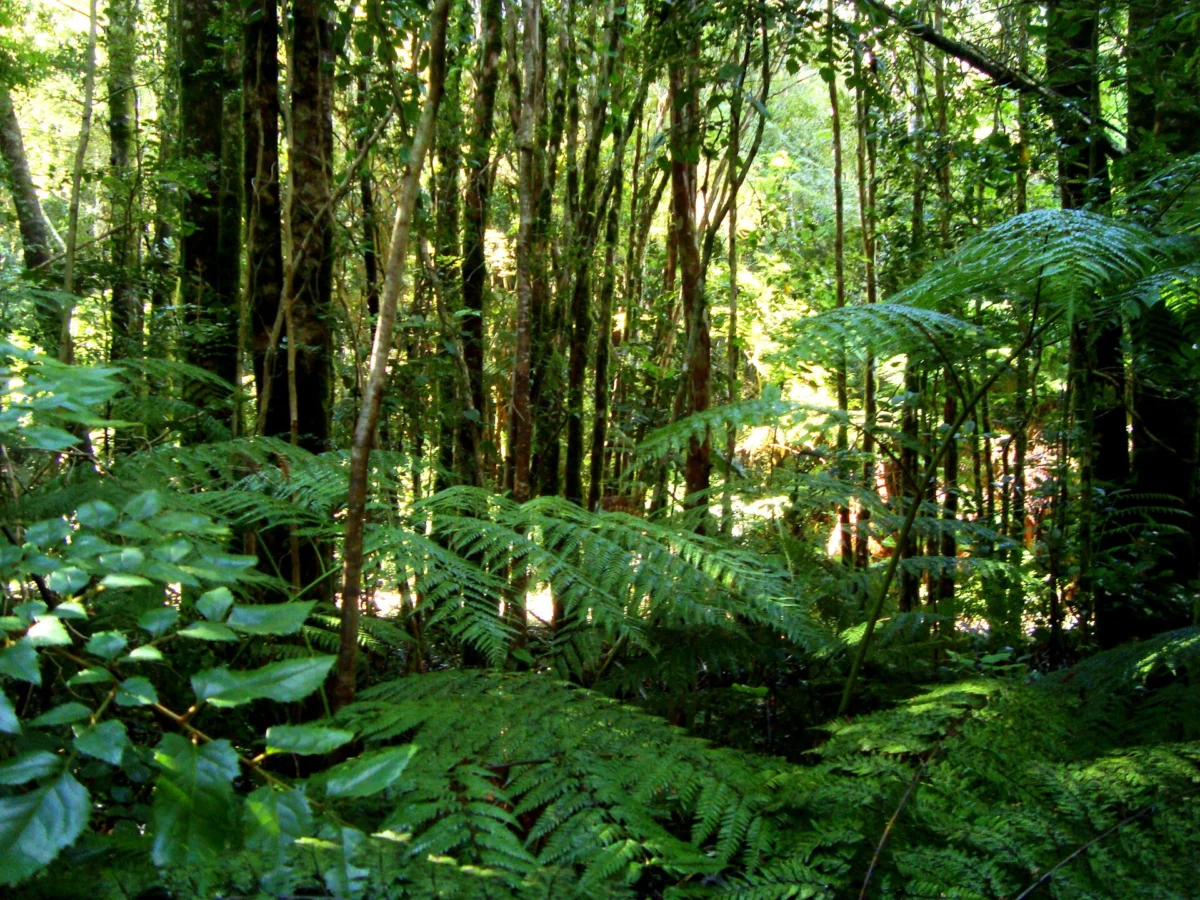
The complex intersection of historical justice and environmental management has been cast into sharp relief by a new study published in the journal Nature Sustainability. The research, which analyzed the outcomes of land restitution programs for the Indigenous Mapuche people in southern Chile, challenges the widely held assumption that returning ancestral lands to Indigenous communities automatically leads to immediate gains in forest cover, biodiversity, or carbon sequestration. Instead, the data suggests a more nuanced reality where land-use decisions are driven by a combination of socio-economic necessity, historical dispossession, and the degraded state of the returned property.
For decades, international conservation efforts have often romanticized the relationship between Indigenous self-determination and environmental protection. The prevailing narrative suggested that Indigenous stewardship is synonymous with the preservation of pristine ecosystems. However, the study—led by researchers including Robert Heilmayr of the University of California, Santa Barbara—indicates that true self-determination involves the freedom for communities to define their own development priorities, which do not always align with external environmental expectations.
A Legacy of Dispossession and Modern Restitution
To understand the scope of the issue, one must look at the historical trajectory of the Mapuche territory. In the late 19th century, military campaigns by the Chilean and Argentine states stripped the Mapuche people of more than 90% of their ancestral lands. What remained of their territory was subsequently fragmented and subjected to decades of industrial-scale agricultural and forestry exploitation. The forests were largely cleared for wheat farming, followed by the widespread planting of non-native pine and eucalyptus species for the timber industry.
In 1993, the Chilean government passed the Indigenous Law, which established the Chilean Indigenous Land and Water Fund (FTAI). Managed by the National Corporation for Indigenous Development (CONADI), the fund was designed to facilitate the purchase of land from private or state entities to return it to Indigenous communities. Between 1994 and 2022, this program returned approximately 217,716 hectares (roughly 538,000 acres) to 36 Mapuche communities across the Biobío, Araucanía, Los Ríos, and Los Lagos regions.

The process, however, has been marred by bureaucratic inefficiency. Mapuche organizations have long criticized CONADI for its sluggishness, with some land claims languishing in the legal system for as long as 25 years. This delay has fueled ongoing social unrest and violent land disputes, prompting the administration of former President Gabriel Boric to form a commission in June 2023 tasked with resolving the backlog. Current estimates suggest that if the process continues at its present pace, it could take between 80 and 162 years to fully process all pending claims.
Findings: From Plantations to Pastures
The researchers utilized satellite imagery and administrative records from 1,577 properties to compare land-use patterns before and after restitution. The findings were stark: once the communities gained control over the land, they generally moved away from the industrial logging plantations that had dominated the landscape. However, rather than reverting to native forest cover, the land was frequently transitioned into grasslands to support livestock production.
This shift is rooted in cultural history. Although the Mapuche people were historically forest-dependent, the introduction of livestock by Spanish colonizers in the 16th century eventually integrated animal husbandry into the heart of Mapuche culture and economic survival. When these communities regain land, they are often faced with severe ecological degradation. Verónica Figueroa Huencho, a Mapuche academic at the University of Chile, notes that the returned lands are often fragmented, depleted of nutrients, and scarred by years of extractive industry.
"Recovering ownership does not mean immediately restoring a native forest or recovering in a few years the soils and water affected for decades by extractive industries," Huencho explained. She highlights that the expectation for these communities to function as immediate environmental saviors ignores the reality of their economic conditions. Restored land often lacks the necessary infrastructure, financial capital, and technical assistance required for long-term ecological restoration.
The Problem with External Environmental Metrics
A critical point raised by the study is the danger of evaluating Indigenous land rights through the narrow lens of Western environmental indicators. Researchers argue that conditioning the support for land restitution on whether a community manages the land in a way that maximizes carbon sequestration or biodiversity is a form of "green" conditional justice.

"The exercise of the rights of Indigenous peoples could end up becoming a reward conditioned on an environmental performance defined by third parties," Huencho noted. She argued that the legitimacy of land restitution rests on the historical necessity of correcting past dispossession, not on the ability of the land to function as a carbon sink for global climate goals.
Furthermore, the environmental outcomes of Indigenous land management vary significantly across different regions. Research in the Amazon has shown that some Indigenous territories act as vital carbon sinks, whereas studies in parts of Bolivia and Peru suggest that some Indigenous-managed lands function as carbon sources. These differences highlight the importance of context. The Mapuche, operating within a highly industrialized forestry landscape in Chile, face different challenges than Amazonian groups.
Implications for Policy and Future Stewardship
The study’s findings provide a reality check for policymakers and international NGOs. If the objective is to promote both Indigenous sovereignty and environmental health, the focus must shift from setting mandates to providing structural support.
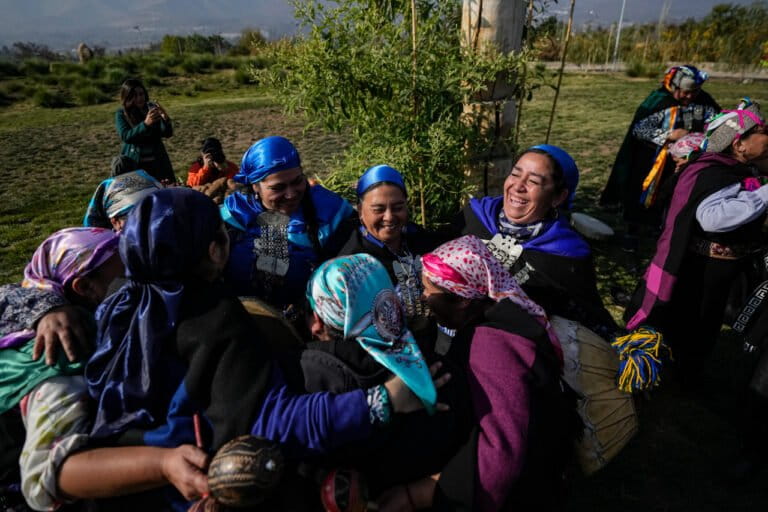
For the Mapuche, environmental stewardship is inherently tied to the concept of Ñuke Mapu (Mother Earth). However, there is a disconnect between this cultural value and the practical ability to implement it. When communities receive land that has been ecologically devastated, they are forced to prioritize immediate survival—such as grazing livestock—over long-term ecological restoration.
To foster a more positive environmental trajectory, the following factors are likely necessary:
- Technical and Financial Support: Governments and NGOs should provide resources for soil remediation, reforestation with native species, and sustainable agricultural infrastructure that does not rely on monocultures.
- Addressing the "Backlog" Crisis: Accelerating the land restitution process through more efficient administrative mechanisms is crucial. The current 80-to-162-year timeline is not only an affront to human rights but also leaves land in a state of administrative limbo, where no one is incentivized to invest in its long-term health.
- Respecting Self-Determination: Policies must decouple Indigenous land rights from the obligation to meet specific environmental quotas. By viewing land restitution as a human rights imperative rather than a carbon-mitigation strategy, stakeholders can build more genuine partnerships with Indigenous communities.
Moving Beyond the Romanticized Narrative
The study by Jaimovich et al. serves as a crucial intervention in the discourse surrounding conservation and land rights. By challenging the "noble savage" archetype—which assumes Indigenous peoples will inherently prioritize nature over all other needs—the researchers provide a more honest assessment of the complex trade-offs involved in land management.
As Chile continues to grapple with the fallout of historical land dispossession, the focus remains on the need for a comprehensive strategy that addresses the rights of the Mapuche people. The environmental outcomes of these restitutions will remain a "mixed bag" so long as the systemic issues of poverty, historical degradation, and lack of technical resources remain unaddressed. True progress in the region will likely only occur when the state moves beyond seeing the Mapuche as mere "guardians" and instead engages with them as equal partners who have the sovereign right to define the future of their own territories.
In conclusion, the findings indicate that while land restitution is a necessary component of justice, it is not a panacea for environmental degradation. Realizing the full potential of these lands requires a collaborative approach that recognizes the deep, cultural responsibility the Mapuche feel toward the land while providing the modern tools necessary to heal the scars left by centuries of exploitation. The path forward is one of mutual respect, acknowledging that when Indigenous communities are truly empowered to determine their own destiny, they are best positioned to decide how to balance their cultural heritage with the needs of the modern world.

