
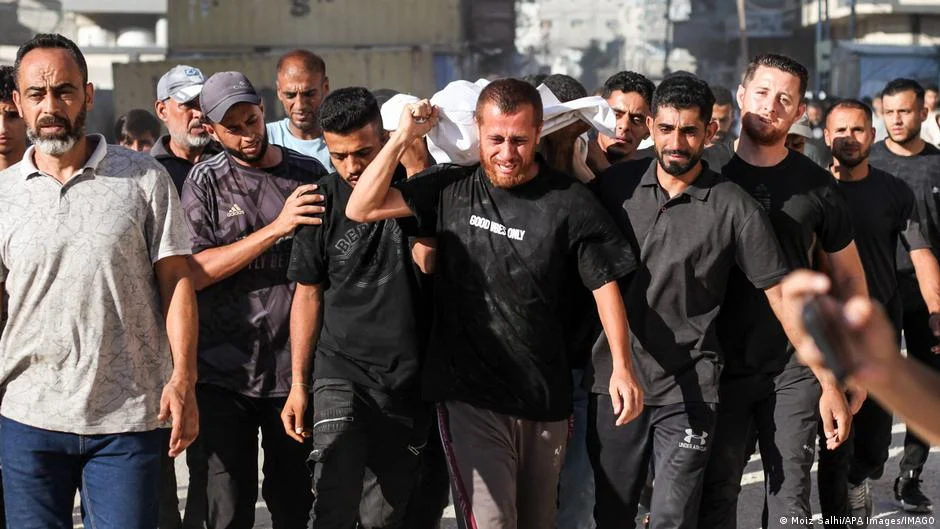
An Israeli military strike in the densely populated Nuseirat refugee camp in central Gaza on Friday resulted in the deaths of at least eight individuals and left another 22 wounded, according to local officials operating under Hamas authority. The incident, which Gaza’s civil defense agency described as targeting "a gathering of civilians" in the Al-Balata market area, underscores the persistent danger to non-combatants in the embattled strip, even amidst international calls for de-escalation and a permanent ceasefire.
The Nuseirat Strike: Details and Immediate Aftermath
The strike occurred on Friday, with initial reports rapidly emerging from local sources. Gaza’s civil defense agency, which functions as a vital rescue service within the Hamas-controlled territory, was among the first to report the casualties. Their statement indicated that "eight people were killed after Israeli warplanes struck a gathering of civilians in the Al-Balata market area of the Nuseirat refugee camp in central Gaza." This description suggests a civilian presence at the site, raising immediate concerns about the protection of non-combatants in conflict zones.
Witnesses and local media, including the AFP news agency, further reported that the strike took place during a funeral procession, amplifying the gravity of the incident and the potential for a high civilian toll. Such gatherings, often solemn and public, are particularly vulnerable in active conflict zones. The imagery accompanying initial reports, including a photograph of a bloodied hand of a wounded Palestinian at Al-Awda Hospital, visually underscored the immediate human cost of the strike.
Medical Response and Civilian Impact
Following the strike, the wounded were rushed to Al-Awda Hospital, one of the medical facilities struggling to cope with the overwhelming demand for care in Gaza. Hospital officials confirmed they had received the eight deceased individuals and were treating 22 people wounded in the attack. The influx of casualties places additional strain on an already fragile healthcare system, which has been severely degraded by months of conflict, blockades, and shortages of essential medical supplies, staff, and functional infrastructure. Many hospitals across Gaza have been rendered inoperable or are operating at a fraction of their capacity, making every new wave of casualties a critical challenge. The ability of medical teams to respond effectively is hampered by damaged roads, fuel shortages, and ongoing security risks, making immediate emergency response increasingly difficult and dangerous.
Conflicting Narratives: Israeli Military’s Statement
The Israeli military (IDF) issued a statement acknowledging the strike but offered a differing account of the target. The IDF asserted that it had struck a "terrorist cell" belonging to the Palestinian Islamic Jihad (PIJ) militant group in the central Gaza Strip. "A short while ago, the IDF struck a terrorist cell of the Islamic Jihad terrorist organisation in the central Gaza Strip," the military statement read. This declaration aligns with Israel’s stated objective of dismantling militant infrastructure and eliminating combatants in Gaza.
However, the IDF also acknowledged the possibility of civilian harm, stating: "The IDF is aware of the claims that several uninvolved individuals were harmed as a result of the strike. The results of the strike are under review." This customary phrase indicates that an internal assessment will be conducted to determine the circumstances of the strike and whether established rules of engagement and international humanitarian law were adhered to. Such reviews are often subject to scrutiny by international bodies and human rights organizations, which frequently call for independent investigations into incidents involving civilian casualties. The discrepancy between local reports of a strike on a civilian gathering and the IDF’s claim of targeting a "terrorist cell" highlights the inherent challenges in verifying information in a conflict zone and the often-conflicting narratives presented by warring parties.
Nuseirat Refugee Camp: A Densely Populated Area
The Nuseirat refugee camp, established in the aftermath of the 1948 Arab-Israeli War, is one of eight historical refugee camps in the Gaza Strip. It is located in the central part of the enclave, south of Gaza City. Originally set up to house Palestinian refugees displaced from areas like Beersheba and Jaffa, Nuseirat has evolved into a densely packed urban area, home to tens of thousands of registered refugees and a significant number of internally displaced persons (IDPs) who have sought refuge there during the current conflict. Before the recent escalation, the camp’s population density was already among the highest globally, a characteristic shared with other refugee camps in Gaza.
Historical Context and Demographics
The camp’s population has grown exponentially over decades, with generations of families residing in increasingly cramped conditions. Infrastructure, including housing, sanitation, and public services, has long been strained. The economic conditions in Nuseirat, like much of Gaza, have been dire due to years of blockade and limited opportunities. The camp’s narrow alleys, multi-story buildings, and crowded markets make it incredibly challenging to conduct military operations without risking significant civilian harm. The Al-Balata market area, where the strike reportedly occurred, is a bustling commercial hub within the camp, further underscoring the potential for a large civilian presence.
Humanitarian Conditions
Since the onset of the current conflict in October 2023, the humanitarian situation in Nuseirat has deteriorated dramatically. The camp has seen a massive influx of internally displaced persons fleeing hostilities in northern Gaza, pushing its population and resource demands to unprecedented levels. Access to food, clean water, shelter, and medical care has become critically scarce. UN agencies and humanitarian organizations have repeatedly warned of impending famine, widespread disease outbreaks, and a collapse of civil order due to the lack of basic necessities. Hospitals, like Al-Awda, are overwhelmed, and aid deliveries remain insufficient and often obstructed, making life inside the camp a daily struggle for survival for its residents.
Broader Conflict Context and Escalation
The strike in Nuseirat is a grim reminder of the relentless nature of the conflict that has gripped the Gaza Strip since October 7, 2023. This date marks the beginning of the current intense phase of hostilities, triggered by unprecedented attacks on Israel led by Hamas. These attacks resulted in the deaths of approximately 1,200 people, primarily civilians, and the abduction of over 250 individuals, many of whom remain captive.
The October 7 Attacks and the War’s Genesis
In response to the October 7 attacks, Israel launched a large-scale military operation aimed at dismantling Hamas’s military and governance capabilities, securing the release of hostages, and preventing future attacks. This operation has involved extensive aerial bombardment, ground incursions, and naval operations across the Gaza Strip. The Israeli military has repeatedly stated its intention to eliminate all militant groups, including Hamas and Palestinian Islamic Jihad, which it designates as terrorist organizations.
Ongoing Hostilities and Ceasefire Attempts
Despite multiple rounds of international mediation and intense diplomatic efforts, a lasting ceasefire has remained elusive. While temporary humanitarian pauses and truces were implemented in late 2023, allowing for some hostage-prisoner exchanges and increased aid deliveries, these have largely failed to halt the broader conflict. The article’s original reference to "a ceasefire deal in October aimed at halting a two-year-long war" appears to be a misstatement, as the current conflict began in October 2023. Instead, the situation has been characterized by ongoing hostilities, punctuated by brief periods of reduced violence. Each new strike, particularly those resulting in civilian casualties, further complicates efforts to achieve a more permanent cessation of hostilities and reach agreements on hostage releases and humanitarian access.
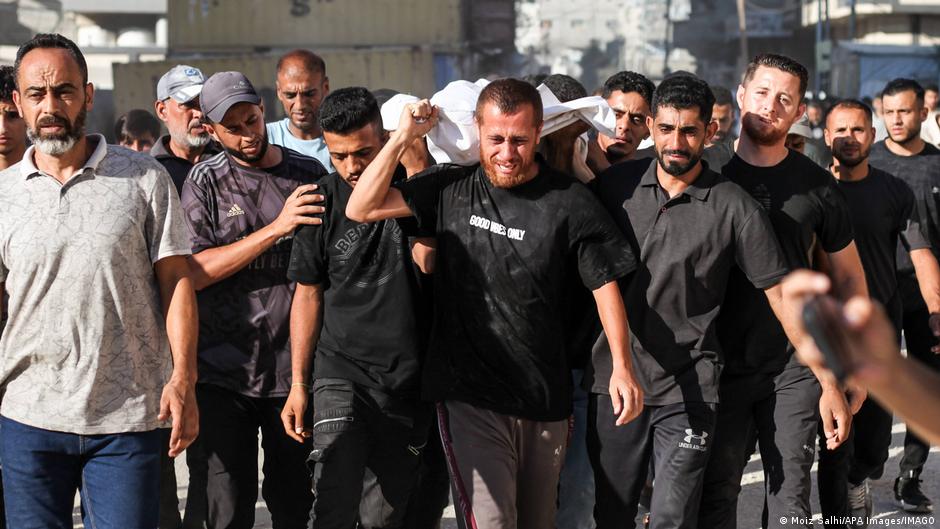
According to Gaza’s Health Ministry, operating under Hamas authority, at least 1,127 Palestinians have been killed since the referenced "truce" took effect, indicating the high death toll even during periods of supposed reduced conflict. This figure is part of a much larger total, with over 35,000 Palestinians reportedly killed since October 7, 2023, the vast majority of whom are women and children, according to the ministry. The IDF, for its part, states that at least five Israeli soldiers have been killed in Gaza over the corresponding period, highlighting the dangers faced by military personnel in ground operations.
Previous Operations in Central Gaza
Central Gaza, including Nuseirat, Bureij, and Maghazi refugee camps, has been a focal point of Israeli military operations throughout the conflict. These areas, like other parts of the Gaza Strip, are believed by Israel to harbor militant infrastructure, including tunnels, rocket launchers, and command centers. Consequently, they have been subjected to repeated strikes and ground incursions, leading to widespread destruction and displacement. The dense urban environment of these camps makes them particularly challenging battlegrounds, where the risk of collateral damage and civilian casualties is inherently high. Residents of these camps have endured multiple cycles of violence, displacement, and reconstruction, only to face renewed devastation.
The Human Toll: Statistical Overview
The human toll of the conflict in Gaza has been catastrophic. Beyond the immediate casualties reported in the Nuseirat strike, the broader statistics paint a grim picture of widespread suffering and destruction.
Civilian Casualties in Gaza
The Gaza Health Ministry reports that over 35,000 Palestinians have been killed since October 7, 2023. These figures, which do not differentiate between combatants and non-combatants but consistently highlight a large proportion of women and children, are frequently cited by international organizations and governments. While Israel disputes the methodology of these counts and maintains that a significant number of those killed are militants, the sheer scale of deaths among the civilian population has drawn condemnation and calls for greater protection of civilians from global bodies and human rights advocates. The UN Office for the Coordination of Humanitarian Affairs (OCHA) regularly publishes updates on casualties, displacement, and humanitarian needs, largely corroborating the severity of the crisis.
Impact on Infrastructure and Services
The conflict has also led to unprecedented levels of destruction. Satellite imagery and ground reports indicate that a vast percentage of Gaza’s housing stock, infrastructure, and public services have been damaged or destroyed. Over 70% of homes have reportedly been damaged or destroyed, displacing nearly 1.7 million people – over 75% of Gaza’s population – many multiple times. Critical infrastructure, including water treatment plants, sewage systems, roads, and communication networks, has been severely degraded, leading to a breakdown of essential services. The education system has collapsed, with most schools damaged and many converted into shelters for the displaced. Hospitals and healthcare facilities have been systematically targeted or rendered non-functional due to lack of supplies, electricity, and staff. This widespread destruction creates a long-term humanitarian crisis, making recovery and reconstruction efforts daunting even if hostilities were to cease immediately.
International Law and Civilian Protection
The strike in Nuseirat, like many incidents throughout the conflict, reignites critical discussions about international humanitarian law (IHL), also known as the laws of armed conflict. IHL aims to limit the effects of armed conflict for humanitarian reasons, particularly by protecting those who are not participating in hostilities and by restricting the means and methods of warfare.
Principles of Distinction and Proportionality
Two fundamental principles of IHL are distinction and proportionality. The principle of distinction requires parties to a conflict to distinguish between combatants and civilians, and between military objectives and civilian objects. Attacks must be directed only against military objectives. The principle of proportionality dictates that even if a military objective is valid, an attack is prohibited if it is expected to cause incidental loss of civilian life, injury to civilians, or damage to civilian objects that would be excessive in relation to the concrete and direct military advantage anticipated.
Human rights organizations and international bodies frequently scrutinize military actions in Gaza against these principles, especially given the strip’s extreme population density. When strikes occur in civilian areas, such as a market or a funeral procession in a refugee camp, questions are immediately raised about whether adequate precautions were taken to avoid civilian casualties and whether the anticipated military gain justified the potential harm to civilians. The IDF’s acknowledgment of potential civilian harm and its ongoing review process are standard responses to such incidents, but they do not always satisfy demands for independent and transparent accountability.
International Reactions and Concerns
While specific international reactions to the Nuseirat strike itself might not be immediately available, the broader international community has consistently expressed deep concern over the escalating civilian death toll and the humanitarian crisis in Gaza. The United Nations Secretary-General, the High Commissioner for Human Rights, and various UN agencies have repeatedly called for the protection of civilians, adherence to international humanitarian law by all parties, and unimpeded humanitarian access. Many countries, including allies of Israel, have also voiced apprehension about the scale of civilian suffering and the long-term implications for regional stability. These calls often emphasize the imperative to avoid targeting civilian infrastructure and to ensure that military operations are conducted with the utmost regard for civilian life, particularly in densely populated areas like refugee camps.
Implications for Future Negotiations and Regional Stability
The continued occurrence of strikes resulting in civilian casualties, such as the one in Nuseirat, has profound implications for ongoing efforts to secure a lasting peace and for the broader stability of the region.
Challenges to Peace Efforts
Each incident of civilian harm further entrenches animosity, fuels cycles of violence, and complicates the already arduous process of ceasefire negotiations. Trust between warring parties, and indeed between local populations and external mediators, erodes with every perceived violation or act of aggression. The humanitarian crisis, exacerbated by such strikes, creates an environment of desperation that makes long-term political solutions even more challenging to achieve. For any future peace agreement to be sustainable, it must address the fundamental issues of security for both Israelis and Palestinians, ensure accountability for alleged war crimes, and provide a viable path for the reconstruction and governance of Gaza.
Long-term Humanitarian Crisis
Beyond the immediate human tragedy, the destruction and displacement caused by the conflict are creating a protracted humanitarian crisis that will require decades to resolve. The psychological trauma inflicted on generations of Palestinians, particularly children, is immeasurable. The collapse of civil society, the destruction of educational and healthcare systems, and the severe economic downturn threaten to destabilize the region for years to come. The international community faces the monumental task of providing sustained aid, supporting reconstruction efforts, and fostering conditions for a lasting peace, all while navigating the complexities of an entrenched conflict and deeply divided political landscapes. The Nuseirat strike serves as a stark reminder of the urgent need for a cessation of hostilities and a robust framework for protecting civilians in this devastating conflict.

