
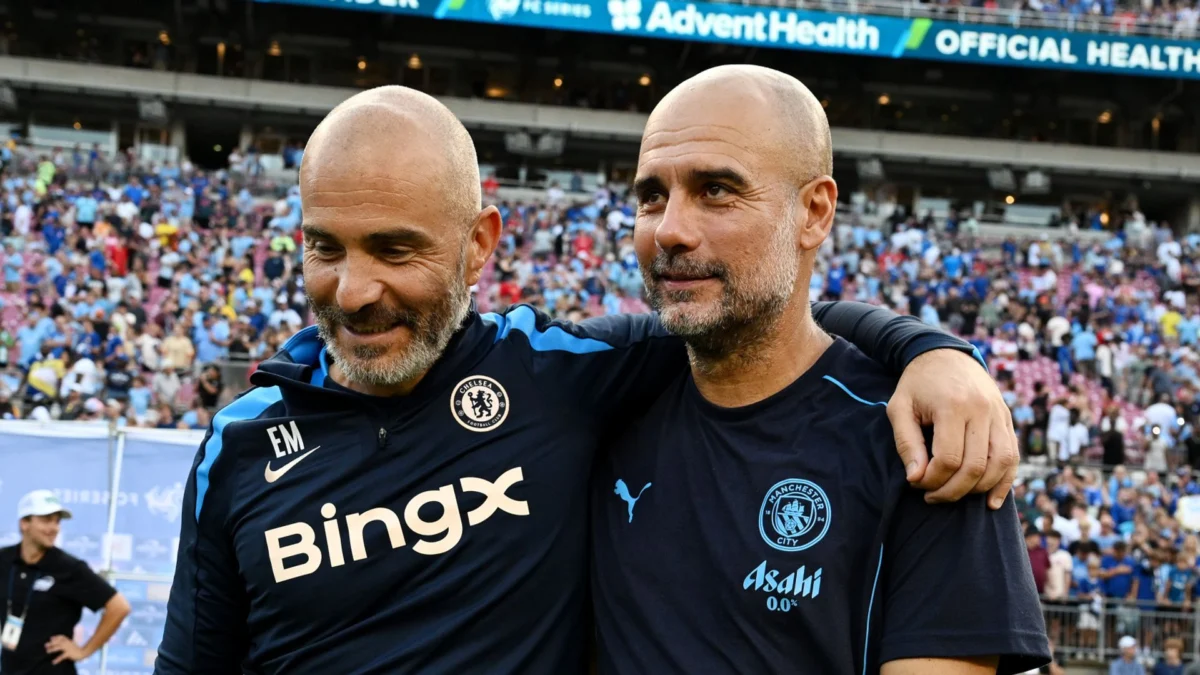
The landscape of English football is set for its most significant transformation in a decade as Manchester City prepares to navigate life after Pep Guardiola. Following the departure of the most successful manager in the club’s history, the Manchester City board has turned to a familiar face to spearhead this new chapter: Enzo Maresca. The 46-year-old Italian tactician returns to the Etihad Stadium for his third stint, inheriting a squad that has defined an era of dominance but now finds itself at a critical crossroads of generational change and external institutional pressure.
Maresca’s appointment marks the culmination of a meticulously planned succession strategy. Having served as the club’s Elite Development Squad (EDS) coach during the 2020-21 season and later as Guardiola’s primary assistant during the historic 2022-23 Treble-winning campaign, Maresca is viewed by the hierarchy as the ideological heir to the "City Football Group" philosophy. However, as he steps into the role for the 2026-27 season, he faces the daunting task of maintaining a standard that has seen City claim multiple Premier League titles and a UEFA Champions League trophy under his predecessor.
The Chronology of a Rising Tactical Mind
Enzo Maresca’s journey to the Manchester City hot seat has been characterized by a blend of elite apprenticeship and high-pressure management. After a distinguished playing career that spanned clubs like Juventus, Sevilla, and Malaga, Maresca transitioned into coaching with a clear focus on positional play.
His first significant impact at Manchester City came in 2020, when he led the Under-23s to their first-ever Premier League 2 title. His ability to translate Guardiola’s first-team principles to the youth level caught the eye of the executive board, leading to a brief, albeit challenging, managerial stint at Parma. He returned to the Etihad in the summer of 2022, providing the tactical sounding board Guardiola required to secure the Premier League, FA Cup, and Champions League in a single season.
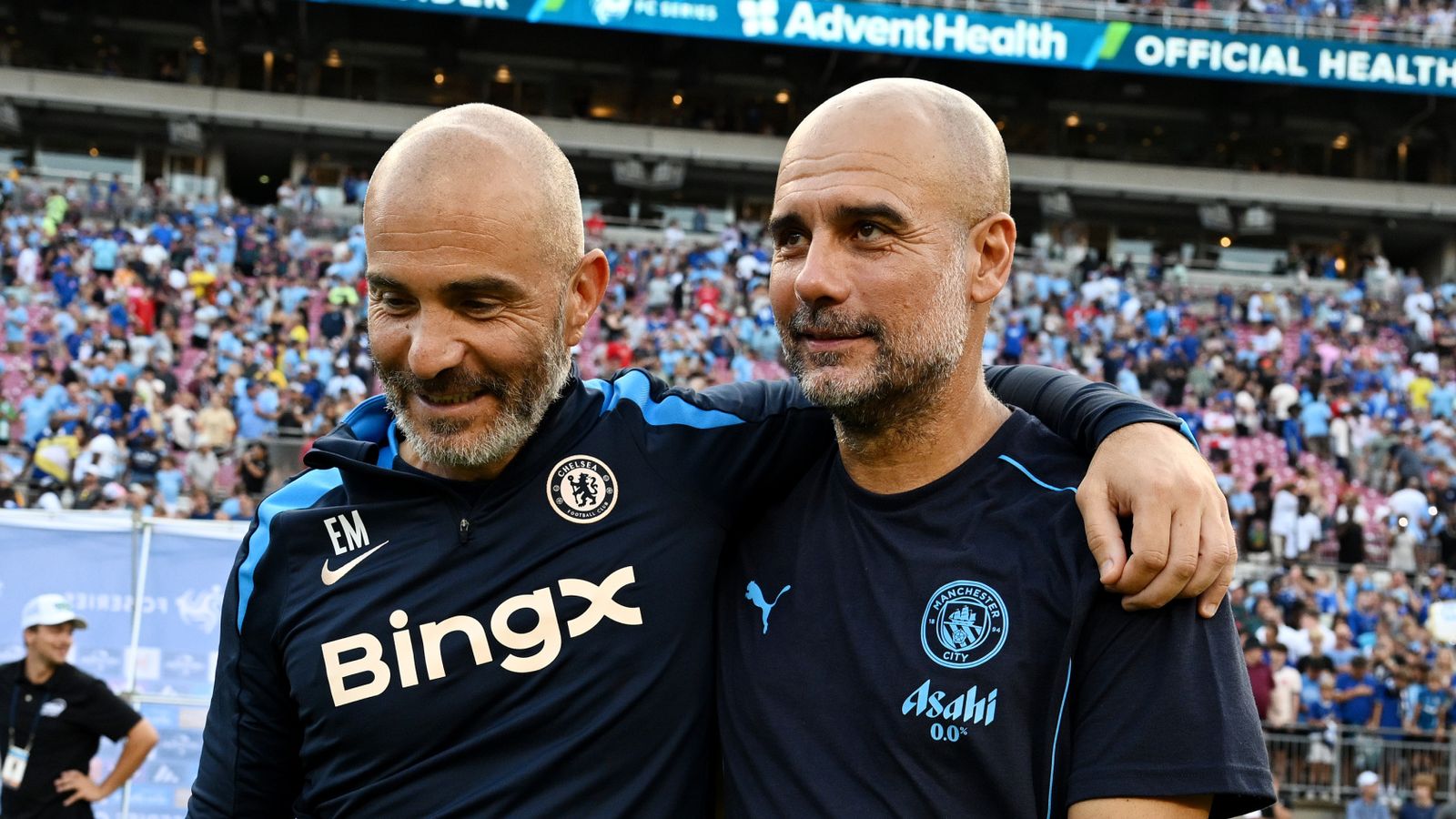
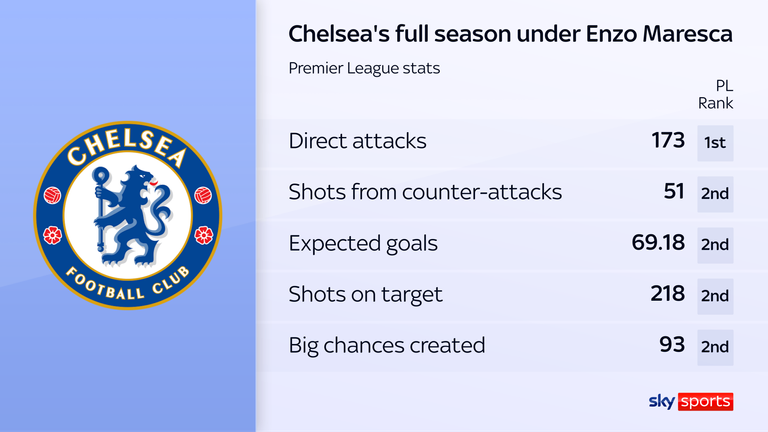
Maresca’s subsequent move to Chelsea provided him with the "front-line" experience necessary to lead a club of City’s stature. Despite the volatile environment at Stamford Bridge, Maresca implemented a possession-based system that highlighted both his rigid adherence to structure and his ability to develop young talent—qualities that City’s Sporting Director, Hugo Viana, considers essential for the club’s current trajectory.
Squad Evolution and the Hugo Viana Influence
The arrival of Maresca coincides with a broader structural shift within the club. Under the guidance of Hugo Viana, who took over the sporting director duties from Txiki Begiristain, Manchester City has undergone a concerted effort to lower the average age of the first-team squad. Data indicates that the squad’s average age has plummeted from 29 to just over 25 in the space of three transfer windows.
This "youth movement" has been necessitated by the departures of several legendary figures. The summer of 2026 saw the exit of stalwarts Bernardo Silva and John Stones, following the earlier departure of midfield maestro Kevin De Bruyne. To fill this leadership and talent void, the club has engaged in record-breaking recruitment. The marquee signing of the window remains Elliot Anderson, who arrived from Nottingham Forest for a staggering £116 million—a fee that makes him the most expensive British player in history. Anderson is expected to provide the physical robustness and technical versatility required in Maresca’s engine room.
Furthermore, the poaching of young Jeremy Monga from Leicester City and the continued pursuit of Lille’s teenage sensation Ayyoub Bouaddi signal a shift toward long-term sustainability. While the spine of the team remains world-class—anchored by Ruben Dias, Josko Gvardiol, and Erling Haaland—Maresca must integrate these newer, younger components without sacrificing the immediate results demanded by Chairman Khaldoon Al Mubarak.
Tactical Departures: From Fluidity to Structure
While Maresca is an ideological disciple of Guardiola, tactical analysts expect a subtle but firm shift in City’s on-pitch identity. Guardiola’s later years were defined by "total fluidity," where defenders like John Stones or Manuel Akanji would routinely invert into midfield, and wingers would tuck inside to create central overloads.
In contrast, Maresca has historically favored a more traditional 4-2-3-1 or a rigid 4-3-3 that emphasizes "high and wide" wingers. This approach is designed to stretch the opposition’s defensive block, creating space for a high-functioning No. 10. With Phil Foden reaching his prime and the potential addition of Rayan Cherki, City’s attack may become more direct and structured.
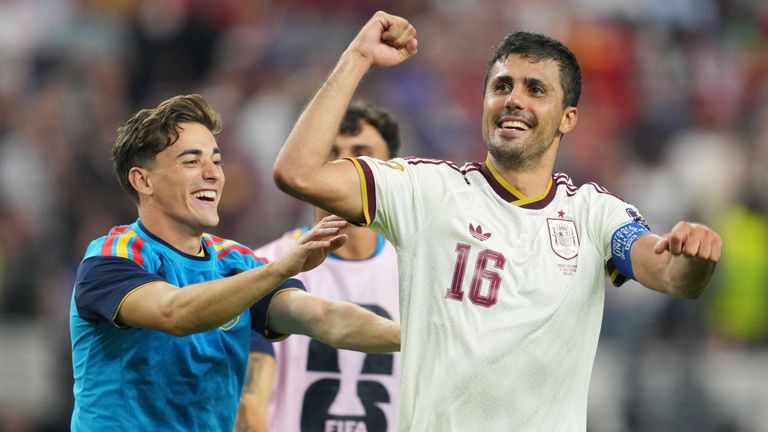
The "Rodri Factor" remains the most significant tactical variable. The Spanish midfielder, who played nearly every minute of Spain’s successful 2026 World Cup campaign, is the linchpin of the transition. Maresca’s challenge will be managing Rodri’s inevitable fatigue. In the Guardiola era, Rodri was often the "immovable object," but Maresca may be forced to utilize the depth provided by Mateo Kovacic and the newly acquired Anderson to ensure the squad does not burn out by the crucial spring months.
A Changing Premier League Landscape
Maresca enters the fray during a period of unprecedented managerial turnover among the Premier League’s elite. The "natural order" of the league is currently in flux, providing what Manchester City officials view as a unique window of opportunity.
Liverpool has entered a new phase under Andoni Iraola, whose high-pressing style brought success at Bournemouth but remains untested at the Champions League level. Chelsea has turned to Xabi Alonso, whose tactical brilliance at Bayer Leverkusen made him the most sought-after coach in Europe, while Manchester United has entrusted Michael Carrick with their long-term project.
This "era of unknowns" means that Maresca is not the only high-profile manager navigating a period of adaptation. This collective transition across the "Big Six" could provide Maresca with the breathing room necessary to implement his ideas without the immediate threat of a runaway leader, provided he can capitalize on a relatively sympathetic opening fixture list.
Institutional Clouds: The 115 Charges
Beyond the pitch, the most significant challenge facing Maresca is the shadow of the 115 Premier League financial charges leveled against the club. While the legal proceedings have been ongoing, a verdict is widely anticipated within the first twelve months of Maresca’s tenure.
Guardiola was a master at navigating the media’s scrutiny regarding the club’s finances, often acting as a shield for the institution. Maresca, while experienced, has yet to face the relentless "trial by media" that accompanies such a high-stakes legal battle. His ability to maintain focus within the dressing room while answering difficult questions in the press room will be a litmus test for his leadership.
The club maintains its innocence, citing "irrefutable evidence" of their compliance with financial regulations. However, the potential for significant sporting sanctions—ranging from points deductions to expulsion—remains a background noise that Maresca cannot ignore.
The 2026-27 Outlook: Success or Survival?
The immediate priority for the new manager is a strong start. The fixture computer has been kind to the Italian, with City facing Bournemouth, Crystal Palace, and newly promoted Coventry City in their opening three matches. These fixtures are viewed as essential "rhythm-builders," allowing the squad to adapt to Maresca’s instructions before the high-stakes encounters against Manchester United and Liverpool in September.
However, the barometer for success at the Etihad remains unchanged. The Abu Dhabi United Group has invested billions to create a culture where silverware is the only acceptable currency. While Maresca has a strong personal bond with the hierarchy, the "unique job security" afforded to Guardiola—a manager who essentially operated on his own terms—is unlikely to be extended to his successor.
Maresca’s "dream situation" of inheriting a world-class squad is tempered by the reality that there is very little room for error. In a league where rival clubs are also reinventing themselves, the 2026-27 season will determine whether Manchester City can sustain their dynasty or if the departure of Pep Guardiola signaled the end of an era.
As Maresca prepares for his first official press conference on July 24, the eyes of the footballing world are on Manchester. The Italian has the pedigree, the familiarity, and the resources to succeed. Whether he has the transformative "magic" of his predecessor remains the billion-pound question. For Manchester City, the goal is clear: prove that the system is greater than any individual, even one as influential as Pep Guardiola.

