
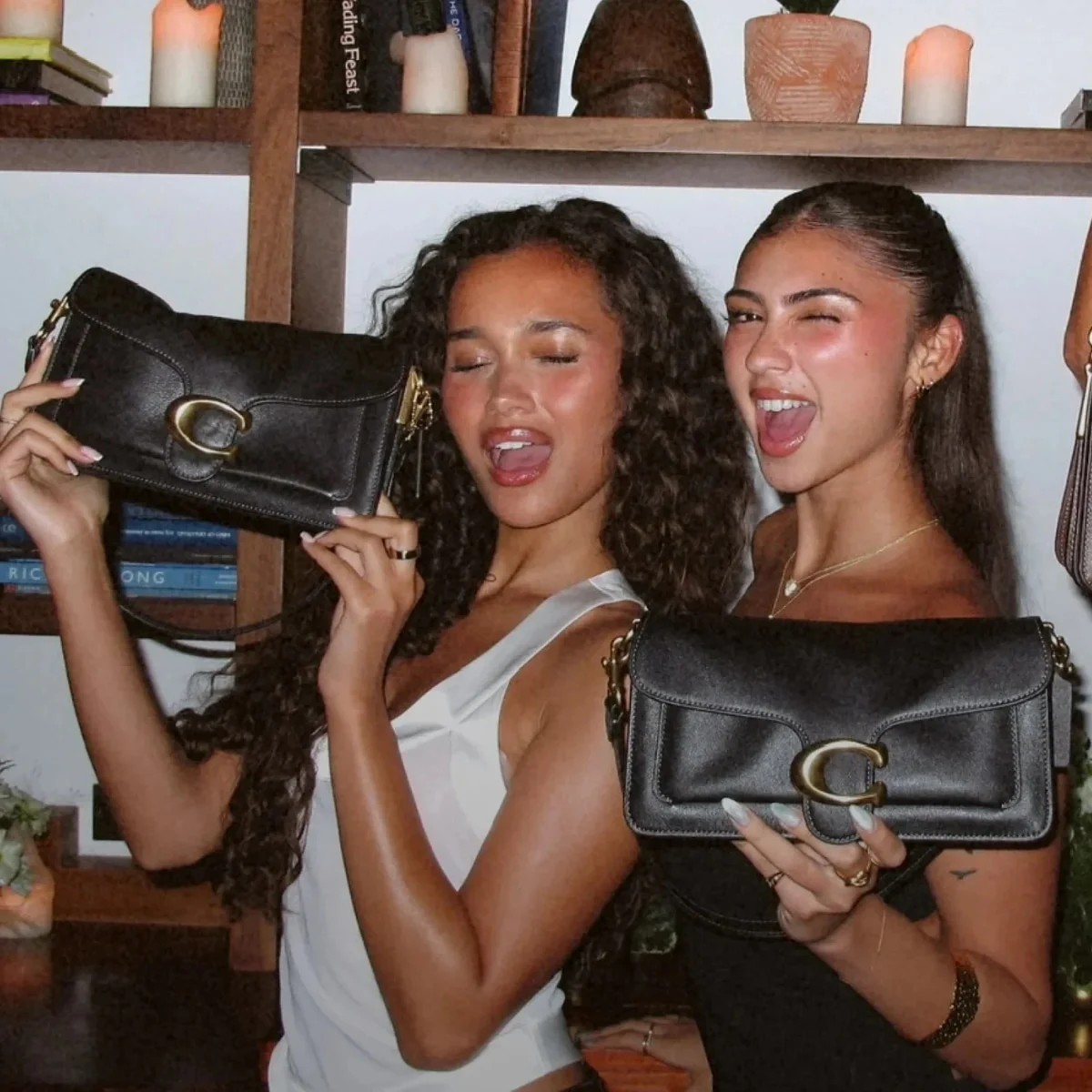
The modern landscape of luxury fashion has undergone a significant transformation, shifting away from the rigid exclusivity of previous decades toward a more fluid, expressive, and personalized aesthetic. As Gen Z—a demographic now wielding significant influence over global retail trends—continues to prioritize individuality and "dopamine dressing," heritage brands are responding by retooling their accessory lines. Coach Outlet, a segment of the Tapestry, Inc. portfolio, has strategically expanded its inventory to include a robust selection of bag charms, interchangeable straps, and leather goods, tapping into the rising consumer desire for modular fashion.
This shift in strategy represents a broader movement within the retail sector to monetize the "bag charm" phenomenon, which has seen a resurgence in popularity across social media platforms like TikTok and Instagram. By allowing consumers to attach unique, whimsical, or functional items to their primary handbags, brands are enabling a level of customization that was once reserved for high-end bespoke services.
The Evolution of the Modular Accessory Trend
The resurgence of the bag charm is not a sudden occurrence but rather the result of a multi-year trend toward personalizing everyday items. Historically, luxury handbags were viewed as static status symbols, meant to be carried in their original state. However, the current fashion cycle, characterized by a preference for eclectic, "maximalist" styling, has inverted this standard.
Market research indicates that younger consumers are increasingly seeking products that offer high utility alongside aesthetic versatility. According to industry analysis, the personalized accessories market has seen consistent growth as brands move to integrate "add-on" revenue streams. By offering charms and straps that can be swapped depending on the occasion, brands like Coach are effectively extending the lifecycle of a single handbag, allowing it to function as a chameleon that adapts to various social environments.
Chronology of the Personalization Movement
The trajectory of this trend can be traced back to the early 2020s, coinciding with the global post-pandemic desire for self-expression.
- Early 2021: The initial rise of "bag-tok" emerged, with creators sharing videos of their vintage and modern bag collections, often featuring DIY or thrifted charms to differentiate their looks.
- 2022: Mainstream luxury brands began to notice the shift, with runway shows featuring more playful, experimental hardware and attachments.
- 2023: Coach and similar heritage houses began to scale their accessory lines, moving from classic leather goods into novelty shapes—such as animals, vehicles, and food-themed charms—to appeal to a younger audience.
- 2024 to Present: The market has hit a saturation point where the "accessorized bag" is now a standard requirement for Gen Z street style. Brands have transitioned from reactive to proactive, building these modular features directly into their seasonal collections.
Supporting Data and Retail Strategy
The decision to focus on bag accessories is backed by clear retail data. Accessories generally carry higher profit margins than larger leather goods, and they offer a lower barrier to entry for younger consumers who may not be ready to invest in a full-priced handbag. By offering items like the Motif Chain Bag Charm or the Taxi Bag Charm, Coach provides a "gateway" product.
A study on luxury consumption suggests that Gen Z consumers prioritize "identity signaling" through their purchases. When a consumer buys a neutral-toned bag—such as the Teri Shoulder Bag or the Jet Shoulder Bag—they are effectively purchasing a canvas. The subsequent acquisition of a floral-print strap or a shearling-lined charm serves as a secondary, highly personalized purchase that cements the consumer’s loyalty to the brand. This strategy reduces churn and fosters a community of collectors who engage with the brand on a recurring basis.

Analyzing the Product Assortment
The current range of offerings at the Coach Outlet reflects a balance between traditional craftsmanship and contemporary whimsy. The collection can be categorized into three distinct functional tiers:
- Functional Modularity: Items such as the Strap with Floral Print. These serve a dual purpose of providing comfort (the strap) and an aesthetic update (the print). The use of refined pebbled leather ensures that the product maintains the brand’s standard for quality while introducing a more vibrant visual palette.
- Novelty and Narrative: The Taxi Bag Charm, which honors the brand’s New York City heritage, and the Carroty Bag Charm in Shearling, function as "conversation pieces." These items are designed to evoke an emotional response, tapping into the "cozy" and "playful" aesthetics currently trending in digital spaces.
- Collectibility: The Motif Chain Bag Charm and the Dinosaur Bag Charm are designed to be layered. Because they are often sold at lower price points (frequently under $50), they are highly effective as impulse purchases. The inclusion of playful icons—like the purple dinosaur—appeals to the "kidcore" and nostalgic aesthetics that remain popular with younger demographics.
Official Retail Perspective and Market Impact
While official statements from luxury conglomerates often emphasize the preservation of brand heritage, the move toward playful, modular accessories is a calculated response to shifting market demographics. Industry analysts suggest that by embracing the "charm" trend, heritage brands are avoiding the trap of becoming "stuffy" or outdated.
The implications for the broader retail industry are significant. First, this trend forces a change in inventory management. Retailers must now stock a wider variety of smaller, seasonal items that require frequent updates to keep pace with rapid micro-trends. Second, it shifts the marketing focus from the "hero product" (the bag itself) to the "total look" (the bag plus its accessories). This provides marketing teams with more content-rich opportunities for social media engagement, as users share their unique combinations online.
Broader Implications for Luxury Retail
The democratization of luxury through smaller, customizable accessories represents a fundamental change in how high-end brands interact with their customers. By lowering the entry price point, these brands can capture a wider demographic without diluting the prestige of their flagship products.
Furthermore, this trend suggests a move toward a "circular" fashion mindset. By updating an older bag with a new strap or a fresh charm, consumers can revitalize their existing wardrobe without purchasing a completely new item, aligning with the growing consumer preference for sustainable fashion practices.
As the holiday season approaches and the year-round gifting cycle continues, the demand for these items is expected to remain high. The success of the current Coach Outlet accessory line serves as a blueprint for other heritage brands looking to balance traditional craftsmanship with the fast-paced, highly individualistic demands of the modern consumer.
In summary, the transition toward modular, personalized luxury is a reflection of a consumer base that values the ability to curate their own visual narrative. Through the strategic use of bag charms and straps, brands are no longer just selling accessories; they are selling the tools for personal expression. As this trend matures, it is likely that personalization will move from an "add-on" feature to a core component of the luxury shopping experience, forever changing the way consumers engage with their accessories.

