
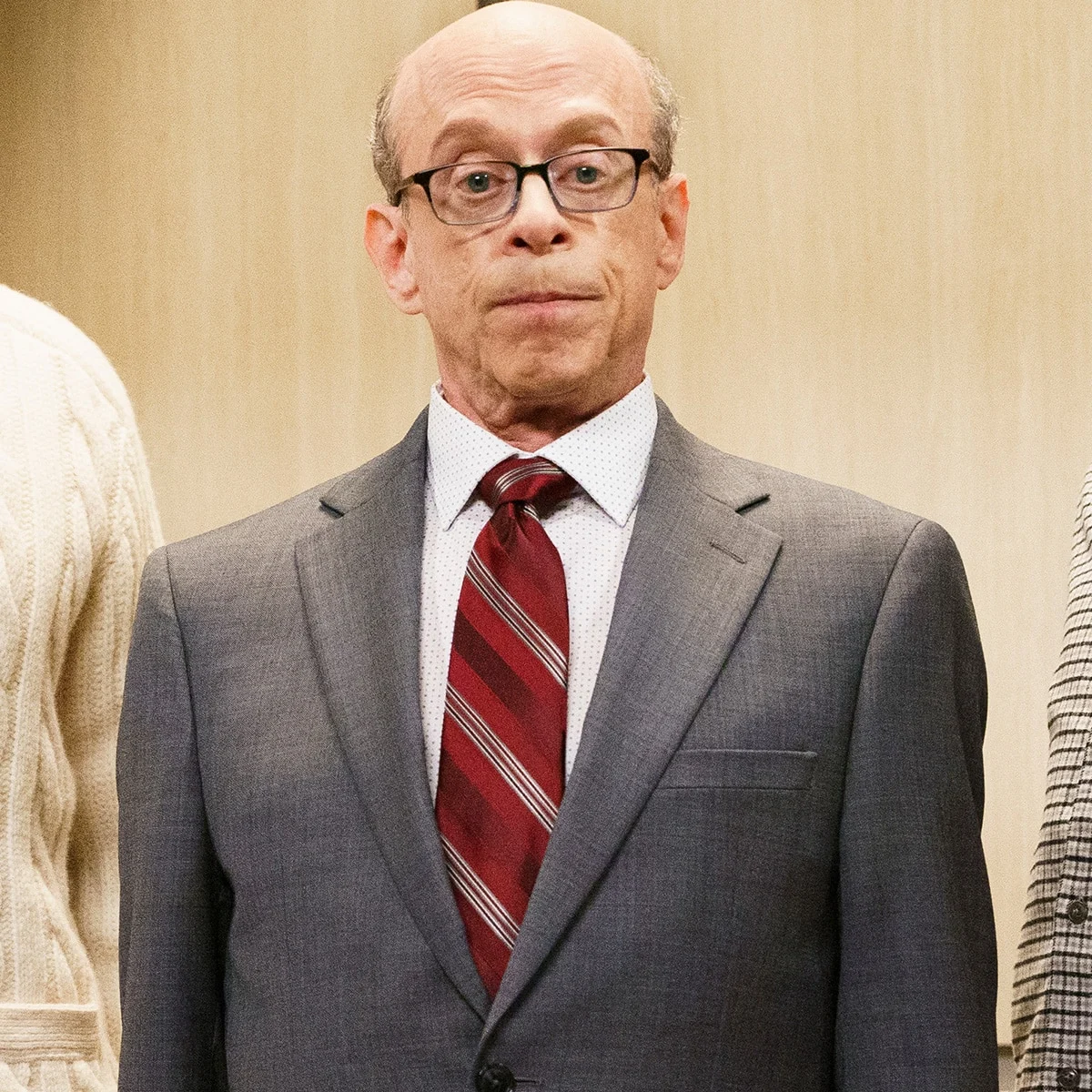
The entertainment industry is in mourning following the sudden passing of Steven Hack, a versatile and esteemed character actor whose career spanned over four decades across Broadway, film, and television. The Los Angeles-based Interact Theatre Company, where Hack served as a foundational member, officially confirmed that the 68-year-old performer died at his home following an unexpected cardiac event. According to the County of Los Angeles Medical Examiner, the cause of death was identified as atherosclerotic cardiovascular disease, a condition characterized by the buildup of fats, cholesterol, and other substances in and on the artery walls.
A Career Defined by Versatility
Born in St. Louis in 1958, Hack’s journey into the arts began with a rigorous education at the California Institute of the Arts and the American Academy of Dramatic Arts. His early professional years were marked by a dedication to the stage, where he found success as a Broadway dancer. His resume during this formative era included a performance in the original production of the legendary musical CATS and a national tour with the iconic A Chorus Line. These roles established the discipline and physical precision that would later define his approach to screen acting.
Hack’s transition to the screen was as seamless as it was prolific. His cinematic debut occurred in 1978, when he appeared as a teenage dancer in the seminal film Grease. Over the following decades, his ability to inhabit a wide array of roles—from high-profile blockbusters to nuanced television dramas—solidified his reputation as a "working actor’s actor." His filmography includes appearances in major studio productions such as Fantastic Four, Thor: The Dark World, and The Happytime Murders.
Television audiences, meanwhile, became intimately familiar with Hack’s work through his consistent appearances on some of the most influential programs of the modern era. His credits list reads like a history of American television, featuring roles in Seinfeld, The West Wing, The Newsroom, Scrubs, Days of Our Lives, General Hospital, Criminal Minds, Marvel’s Agent Carter, and American Horror Story: 1984.
Medical Context and Cardiovascular Health
The revelation that Hack’s death was caused by atherosclerotic cardiovascular disease (ASCVD) brings renewed attention to a condition that remains a leading cause of mortality globally. The American Heart Association (AHA) defines ASCVD as the underlying pathology behind most heart attacks and strokes. It occurs when plaque—a combination of cholesterol, fat, and inflammatory cells—builds up in the arteries, narrowing the passage and restricting blood flow to the heart muscle or brain.
Medical experts often emphasize that ASCVD can be asymptomatic for years, making sudden cardiac events particularly tragic. While medical science has made significant strides in managing cholesterol and blood pressure, the prevalence of heart disease in the United States remains high. According to the Centers for Disease Control and Prevention (CDC), heart disease is the leading cause of death for men and women in the U.S., claiming the lives of approximately 700,000 Americans annually. Hack’s passing serves as a somber reminder of the importance of regular cardiovascular screenings, particularly for those in high-stress industries like entertainment, where erratic schedules and physical demands can sometimes mask underlying health concerns.
The Interact Theatre Company Legacy
The impact of Hack’s life extended far beyond his on-screen credits. As a founding member of the Interact Theatre Company in Los Angeles, he was instrumental in shaping the organization’s artistic identity. In an official statement posted to social media, the company expressed the profound loss felt by the artistic community.
"It is with great sadness that we share the news that Steven Hack, a founding member of Interact Theatre Company, recently passed away at home following a sudden and unexpected cardiac event," the statement read. "Steven was a gifted and versatile performer, a superb graphic artist, and a cherished member of our artistic family. His creativity and talent helped shape Interact in its earliest years, and his artistry, humor, warmth, and generous spirit enriched everything he touched."
The theatre company also highlighted his multifaceted nature, noting that his talents were not confined to performance. Beyond his acting, Hack was a skilled graphic artist, a skill set that he utilized to contribute to the aesthetic and administrative development of the company during its foundational period. The organization concluded their tribute by expressing that Hack would "always hold a special place in Interact’s history and in the hearts of those who knew him," and stated their hope that his "memory be a blessing."
A Timeline of Artistic Contribution
To understand the breadth of Steven Hack’s influence, one must look at the chronology of his contributions to the arts:
- 1958: Born in St. Louis, Missouri.
- Late 1970s: Attends the California Institute of the Arts and the American Academy of Dramatic Arts.
- 1978: Makes his screen debut as a dancer in the blockbuster film Grease.
- Early 1980s: Tours with the original production of CATS and A Chorus Line, establishing his reputation in the Broadway community.
- 1990s–2000s: Transitions into a prolific television career, securing guest and recurring roles in high-rated series including Seinfeld, General Hospital, and The West Wing.
- 2010s–2020s: Continues working in major feature films and high-concept television, culminating in his role in American Horror Story: 1984.
- 2026: Passes away at age 68 due to complications from atherosclerotic cardiovascular disease.
Broader Implications for the Industry
The death of a seasoned character actor like Steven Hack leaves a distinct void in the television and film landscape. While lead stars often receive the headlines, the sustainability and quality of the entertainment industry rely heavily on the versatility of character actors. These performers provide the texture, credibility, and continuity required to build immersive worlds in episodic television.
Hack’s ability to transition from the comedic timing required for Seinfeld to the dramatic gravity needed for The West Wing and The Newsroom highlights the depth of training that defined his generation of actors. His passing also reflects the aging of a cohort of performers who came of age during the golden era of musical theatre and transitioned into the expansion of the cable and streaming television markets.
Furthermore, the industry is currently grappling with how it honors its "unsung heroes." As platforms like E! News and other media outlets track the losses of the year—including figures like Catherine O’Hara and Eric Dane—the collective recognition of talent like Hack’s provides a moment of reflection for the industry to acknowledge the depth of talent that exists beneath the A-list.
Commemoration and Condolences
In the days following the announcement of his death, an outpouring of condolences has come from former colleagues, friends, and fans. The consensus among those who worked with him is one of admiration for his unwavering professionalism and his ability to elevate any production he joined, regardless of the size of the role.
The Interact Theatre Company has indicated that they are currently planning a memorial service to celebrate his life and contributions. For those looking to honor his memory, the company suggested acknowledging his long-standing commitment to the arts. As the entertainment community moves forward, the legacy of Steven Hack remains firmly embedded in the history of the institutions he helped build and the countless performances that remain available for future audiences to discover.
His life serves as a testament to the pursuit of artistic excellence—a journey that began on the stages of St. Louis and culminated in a career that touched millions of viewers across the globe. As he is laid to rest, the industry continues to honor his memory, recognizing that while the "bright light" of his career has dimmed, his artistic influence remains a permanent fixture of the theatrical and cinematic canon.

