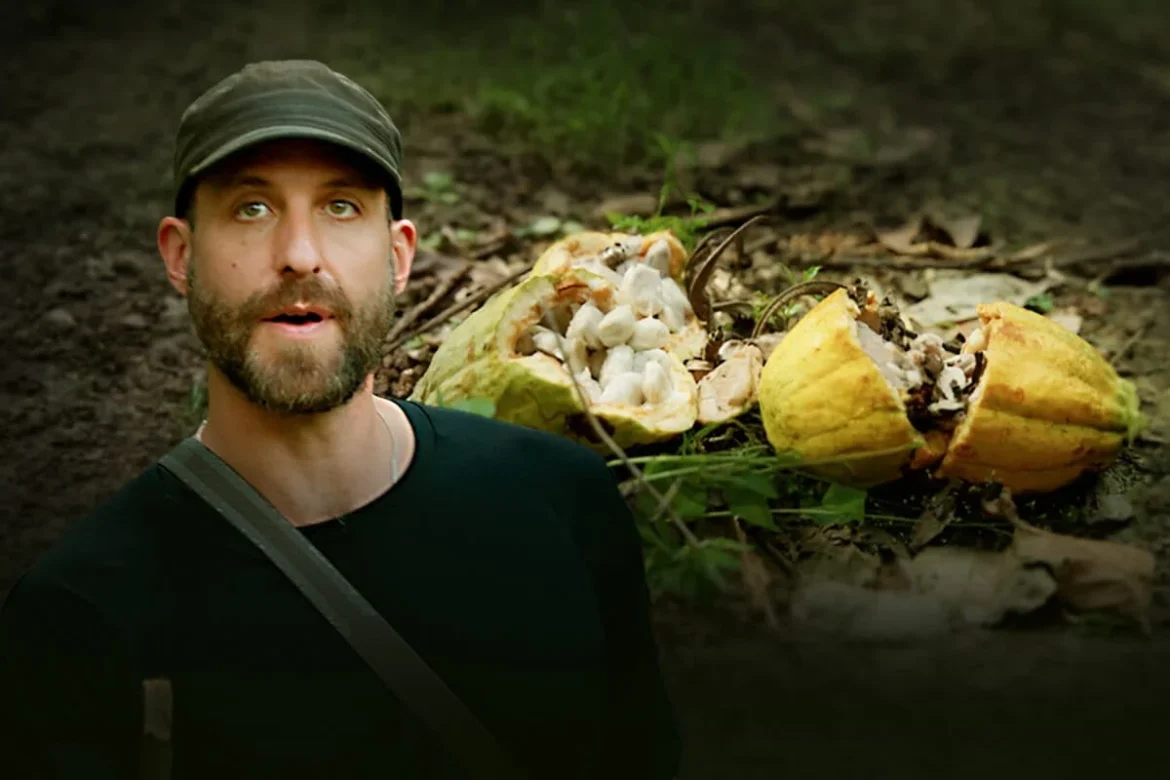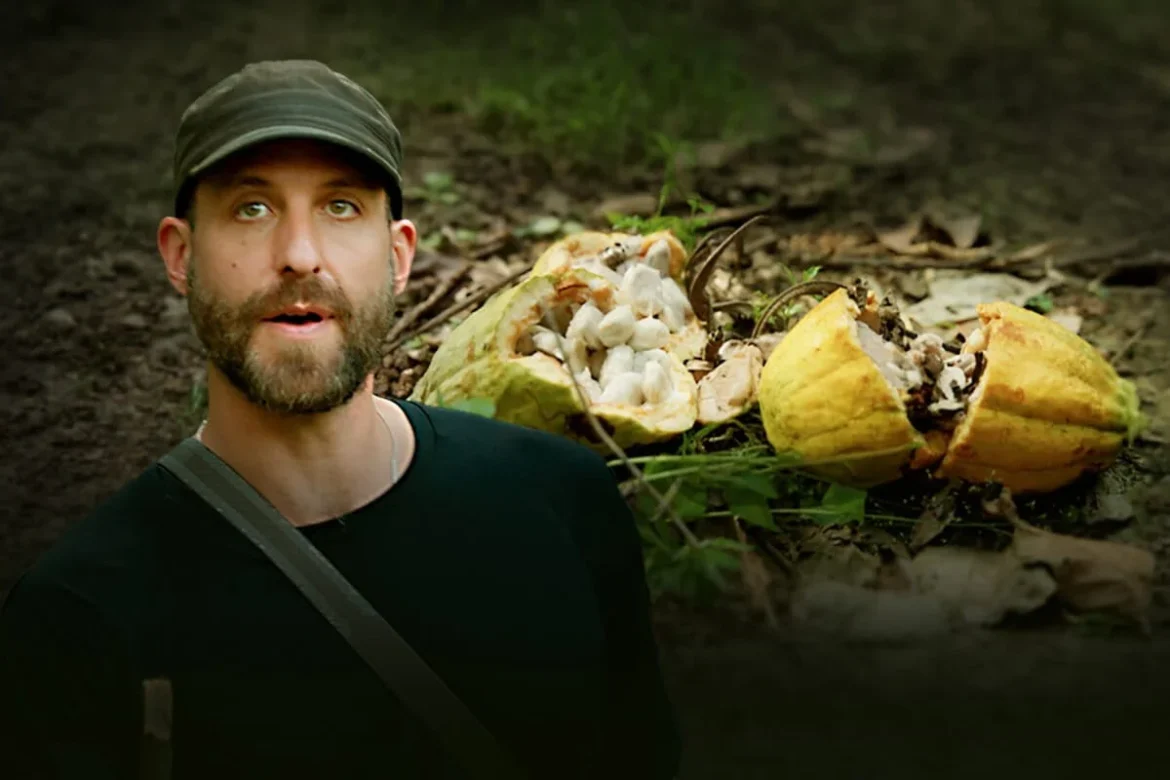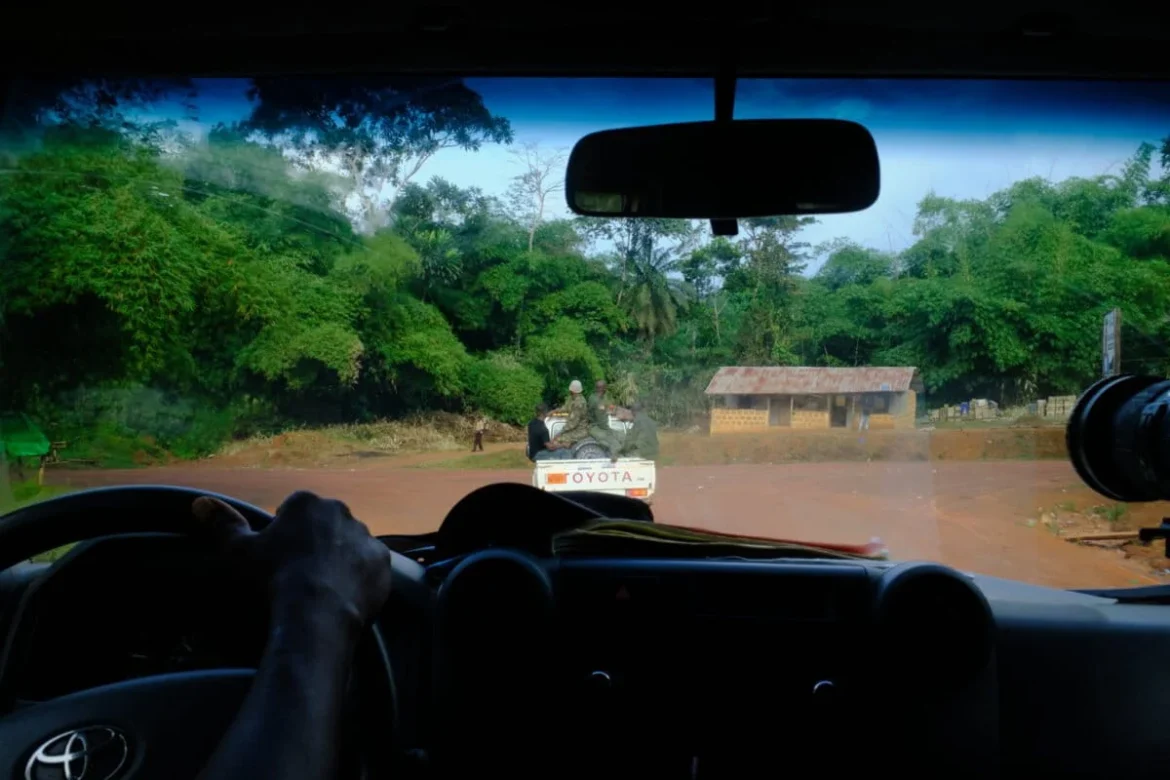
Liberia is currently grappling with an environmental crisis as its primary rainforests, which constitute a significant portion of the remaining Upper Guinean forest ecosystem, are being cleared at an unprecedented rate to make way for illegal cocoa production. Recent satellite imagery and on-the-ground investigations have confirmed that the expansion of the cocoa frontier is no longer confined to traditional agricultural zones but has penetrated deep into protected areas and indigenous territories. This surge in deforestation is fueled by a complex web of global demand, historical migration patterns, and economic desperation, placing Liberia at a critical crossroads between short-term agricultural gain and long-term ecological survival.
The Rapid Decline of the Upper Guinean Forest
The Upper Guinean forest once stretched across West Africa, from Guinea and Sierra Leone through Liberia to Côte d’Ivoire and Ghana. Today, Liberia is home to approximately 40 percent of what remains of this vital ecosystem. Unlike its neighbors, who have seen the vast majority of their forest cover vanish over the last five decades, Liberia managed to retain large, contiguous blocks of primary forest. However, this "green lung" is now under direct threat from an industry that has already decimated the landscapes of its neighbors: cocoa.
Data from Global Forest Watch and satellite monitoring services indicate that forest loss in southeastern Liberia has accelerated sharply over the last three years. The drivers are clear—small-scale and mid-sized farmers are clearing primary forest to plant cocoa trees, often operating within the boundaries of national parks or "Proposed Protected Areas" (PPAs). The lure of cocoa is simple: it is a cash crop with a ready global market, and as soil fertility declines in older cocoa-producing regions of West Africa, the untouched, nutrient-rich soils of Liberia’s rainforests become an attractive target for expansion.
The Ivorian Precedent: A Cautionary Tale
To understand the current trajectory in Liberia, environmental analysts point toward the history of Côte d’Ivoire. In the 1960s, Côte d’Ivoire was covered in dense tropical forests. Following a government-led push to become a global leader in cocoa production, the country saw a massive influx of internal and regional migrants who cleared forests to plant "brown gold." While the strategy succeeded in making Côte d’Ivoire the world’s largest cocoa producer—currently accounting for about 40 percent of global supply—it came at a staggering environmental cost.
Estimates suggest that Côte d’Ivoire has lost more than 80 to 90 percent of its forest cover since independence. As the land became exhausted and the climate began to shift due to the loss of tree cover, the cocoa frontier began to move. Experts observe that the same pattern of migration and land clearance is now replicating itself in southeastern Liberia. Migrant workers from Côte d’Ivoire, often possessing the technical knowledge of cocoa cultivation but lacking land in their home country, are crossing the border into Liberia. They often form agreements with local community landowners who, living in extreme poverty, see the influx of farmers as a source of immediate income or "development."
The Mechanics of Illegal Cocoa Expansion
The expansion into Liberia’s forests is rarely a corporate-led endeavor in its initial stages. Instead, it is characterized by a "pioneer" model of settlement. Small groups of workers enter the forest, clear the understory, and fell the largest trees to allow sunlight to reach the young cocoa saplings. This process often takes place in remote areas where government oversight is minimal or non-existent.
In many cases, these plantations are established within protected habitats, such as the areas surrounding Sapo National Park or the Grebo-Krahn National Park. These regions are globally recognized for their biodiversity, serving as the last strongholds for the Western Chimpanzee, an endangered species, as well as the elusive pygmy hippopotamus. The fragmentation of these forests not only destroys habitat but also opens up once-inaccessible areas to commercial bushmeat hunting, further endangering local wildlife.
Forest rangers in Liberia report that they are severely outmatched. With limited personnel, lack of vehicles, and insufficient funding, the Forestry Development Authority (FDA) struggles to patrol thousands of square kilometers of dense terrain. Rangers often encounter established villages and thousands of hectares of cocoa where there should be nothing but primary forest. Evicting these communities is a logistical and humanitarian nightmare, as many of the workers have lived there for years and have no other means of support.
A Chronology of the Cocoa Frontier Shift
The movement of the cocoa industry into Liberia has followed a distinct timeline:

- 1960s–1990s: Côte d’Ivoire and Ghana dominate the global cocoa market, utilizing their own forest reserves for expansion. Liberia remains largely forested, though impacted by civil conflict.
- 2000s: Post-conflict Liberia sees a slow return to agricultural activity. Meanwhile, Côte d’Ivoire begins to face a "land crunch" as primary forest disappears and soil productivity drops.
- 2010–2015: Early signs of cross-border migration appear. Small-scale Ivorian farmers begin moving into the Liberian counties of Grand Gedeh, River Gee, and Maryland.
- 2017–2020: Satellite data begins to pick up "hotspots" of deforestation in southeastern Liberia. International NGOs warn that the cocoa frontier is shifting westward.
- 2021–Present: The rate of clearance accelerates. The European Union introduces new regulations to combat deforestation, prompting a scramble to secure land before stricter traceability requirements are fully enforced.
International Regulation: The EU Deforestation Regulation (EUDR)
The global community has not been blind to these developments. The European Union, which is the world’s largest importer of cocoa, recently adopted the EU Deforestation Regulation (EUDR). This landmark legislation requires companies to prove that products such as cocoa, coffee, palm oil, and timber were not produced on land deforested after December 31, 2020.
For Liberia, the EUDR is a double-edged sword. On one hand, it provides a powerful incentive for the government and international buyers to clean up the supply chain. If Liberian cocoa is flagged as "high risk" due to deforestation, it could be barred from the lucrative European market, devastating the country’s legitimate agricultural sector. On the other hand, the difficulty of implementing traceability systems in remote, unregulated forests means that illegal cocoa may simply be laundered into the "clean" supply chain or sold to markets with less stringent environmental standards.
Critics argue that without significant financial support for smallholder farmers and better enforcement of land-use laws, the EUDR may inadvertently push illegal production further into the shadows rather than stopping it.
Social and Economic Realities of Forest Communities
The drive behind illegal cocoa farming is deeply rooted in the socio-economic reality of rural Liberia. For many community landowners, the forest is their only asset. In the absence of government services, roads, or alternative industries, leasing land to cocoa farmers is often the only way to pay for school fees or medical emergencies.
"The forest doesn’t give us money just by standing there," is a common sentiment among local residents. This highlights the fundamental challenge of conservation: how to make a standing forest more valuable than a cleared one. While carbon credit programs and sustainable harvesting initiatives have been proposed, they have yet to provide the immediate, tangible benefits that cocoa farming offers.
Furthermore, the relationship between migrant workers and local communities is complex. While they provide labor and agricultural expertise, their presence often leads to land disputes and the erosion of traditional community structures. In some areas, the sheer scale of the influx has overwhelmed local governance, leading to a "wild west" atmosphere where land is sold multiple times and forest boundaries are ignored.
Broader Impact and Environmental Implications
The loss of Liberia’s rainforests has implications that extend far beyond the country’s borders. These forests are critical for regional climate regulation. They influence rainfall patterns across West Africa, which is essential for the very agriculture—including cocoa—that is currently causing their destruction. The "savannization" of the region is a looming threat; as the forests disappear, the local climate becomes hotter and drier, making it harder to grow crops in the long run.
From a biodiversity perspective, the loss is irreparable. Liberia’s forests are home to species found nowhere else on Earth. The Western Chimpanzee, for instance, has seen its population plummet across West Africa. The fragmentation of the Liberian forest blocks means that these primates are increasingly isolated in small pockets of trees, unable to migrate or find enough food, leading to a slow-motion extinction.
Future Outlook and Policy Recommendations
Addressing the crisis in Liberia requires a multi-pronged approach that balances enforcement with economic development. Experts suggest several key interventions:
- Strengthening the Forestry Development Authority (FDA): Increased funding for satellite monitoring and ground patrols is essential. This must be coupled with anti-corruption measures to ensure that permits are not being issued illegally.
- Implementing Robust Traceability: For Liberia to remain a player in the global cocoa market, it must develop a national traceability system that maps every farm. This would allow buyers to distinguish between "legal" cocoa grown on existing agricultural land and "illegal" cocoa grown in protected forests.
- Community-Based Forest Management: Empowering local communities to manage their own forests has shown success in other regions. By providing legal titles and support for sustainable industries like eco-tourism or non-timber forest products (e.g., honey, nuts), the incentive to clear land for cocoa can be reduced.
- International Cooperation: Since the cocoa trade is global, the solution must be global. The EU and other major importers must provide technical and financial assistance to help Liberia meet new environmental standards without punishing the poorest farmers.
As the global demand for chocolate continues to rise, the pressure on Liberia’s forests will only intensify. The story of the Ivorian cocoa boom serves as a stark warning: once the primary forest is gone, it cannot be easily replaced. For Liberia, the coming decade will determine whether it can break the cycle of deforestation or if it will follow the same path as its neighbors, sacrificing its natural heritage for a fleeting economic windfall. The satellite data is clear; the time for intervention is now, before the last of West Africa’s great forests are converted into a patchwork of illegal plantations.