
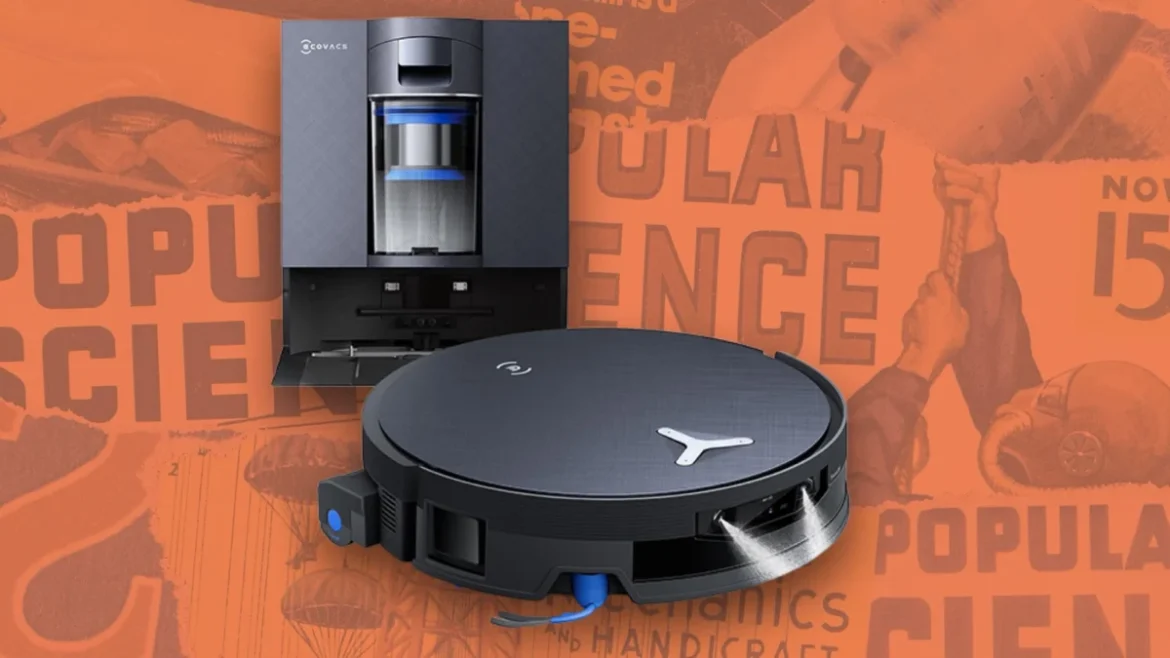
The landscape of domestic robotics is undergoing a significant pricing correction as manufacturers prepare for the annual retail surge surrounding the Cyber Monday shopping window. ECOVACS, a prominent player in the smart home sector, has initiated a series of aggressive price reductions on its portfolio, including its flagship DEEBOT vacuum series, the WINBOT window-cleaning line, and the Goat series of autonomous lawn mowers. These discounts, which range as high as 50 percent off MSRP, reflect a broader industry trend of commoditizing high-end smart home appliances as consumers increasingly prioritize automated maintenance over manual labor.
The Evolution of Domestic Robotics
The current sales event serves as a bellwether for the smart home industry’s trajectory heading into 2027. Over the last decade, robotic vacuum cleaners have evolved from simple "bump-and-go" navigation devices into sophisticated, AI-driven platforms capable of multi-stage floor care. The integration of artificial intelligence and advanced spatial mapping—such as the Win-SLAM 5.0 navigation utilized in the WINBOT W3 Omni—marks a departure from basic sensor arrays.
Market analysts have observed that as the hardware for these devices has matured, the competitive focus has shifted toward maintenance-free operation. Features such as self-emptying dustbins, hot-water mop washing, and auto-drying capabilities are no longer premium "nice-to-haves" but are becoming industry standards. ECOVACS’ decision to heavily discount these high-end models suggests an strategic push to capture market share among homeowners who have previously been deterred by the high entry cost of fully autonomous cleaning stations.
Chronology of the 2026 Promotional Cycle
The current retail landscape is defined by an elongated promotional season. Historically, Cyber Monday was a singular 24-hour digital event. However, the 2026 retail cycle has seen a distinct shift toward "early-access" promotions, with major manufacturers like ECOVACS launching their campaigns as early as mid-November.
By decompressing the sales window, manufacturers aim to mitigate the logistical pressures of the holiday shipping rush while gathering more precise data on consumer demand. The current wave of discounts is scheduled to remain active through November 30, creating a two-week window that allows for comparative analysis by consumers. This shift in the retail calendar has fundamentally altered consumer expectations, as the "Black Friday/Cyber Monday" period is now effectively a month-long exploration of price floors for consumer electronics.
Technical Specifications and Performance Metrics
The price cuts cover a wide spectrum of technical capabilities, necessitating a nuanced look at the hardware being offered. For instance, the ECOVACS DEEBOT X12 OMNICYCLONE, which has been reduced from $1,499.99 to $749, represents a significant investment in specialized hard-floor maintenance. The device distinguishes itself through a bagless dock system and the FocusJet nozzle, which targets dried-on debris—a persistent challenge for traditional mop-vac hybrids.
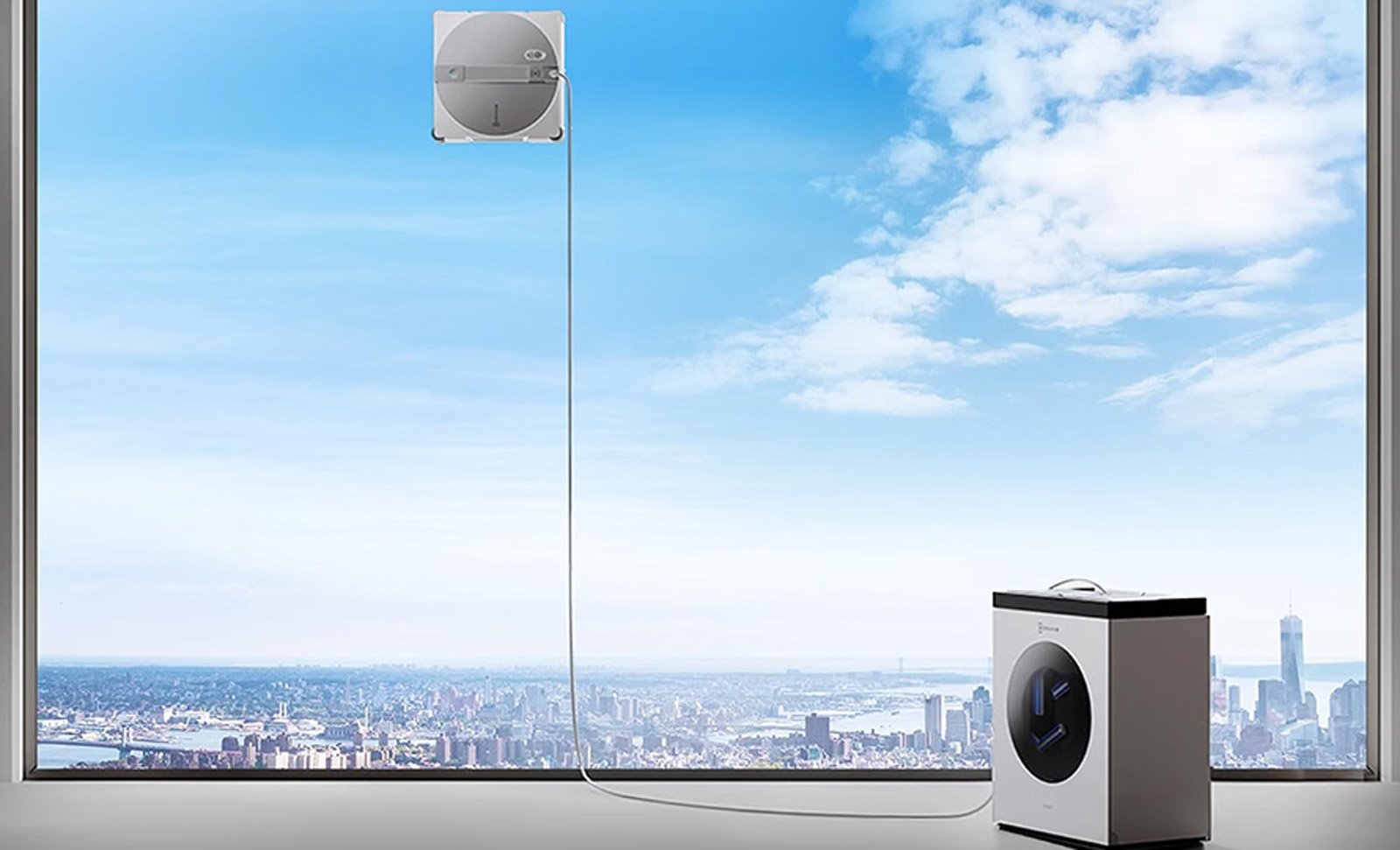
In the window-cleaning segment, the WINBOT W3 Omni ($521, down from $699.99) addresses a specific pain point in home maintenance: the labor-intensive nature of cleaning high-reaching or difficult-to-access exterior glass. By automating the application of cleaning solution and utilizing a multi-layered protection system—consisting of 12 distinct safety mechanisms—the device targets a segment of the market that prioritizes safety and convenience over the traditional manual approach.
The lawn-care sector, represented by the Goat O1000 RTK ($664, down from $999.99), highlights the industry’s transition away from perimeter-wire installation. By utilizing Real-Time Kinematic (RTK) satellite positioning coupled with onboard camera vision, these mowers can define their own boundaries, a process that significantly lowers the barrier to entry for robotic yard maintenance.
Comparative Market Analysis
Data regarding the robotic appliance sector indicates that consumer adoption is highly correlated with the "set-it-and-forget-it" factor. Products that require frequent manual intervention—such as rinsing pads or cleaning out brushes—historically see higher return rates. Consequently, the current emphasis on self-cleaning stations, such as the T90 MAX, is a direct response to consumer feedback.
The T90 MAX, currently priced at $449, offers a suction rating of 30,000Pa, a figure that is becoming standard for mid-range models. However, the T90 MAX PLUS pushes that envelope to 40,000Pa, illustrating the incremental improvements in motor efficiency that are occurring on an almost annual basis. For the consumer, the challenge lies in distinguishing between these iterative upgrades. While a jump from 30,000Pa to 40,000Pa may be negligible for standard residential use, the inclusion of hot-water mop washing at 212°F provides a quantifiable sanitary benefit that justifies the price delta for families with pets or young children.
Broader Implications for the Smart Home Ecosystem
The increasing affordability of these robots has broader implications for the design of future residential spaces. Architects and interior designers are beginning to account for "robot-friendly" floor plans, including hidden docking stations, threshold-free transitions between rooms, and power outlets located in non-obtrusive areas specifically to accommodate charging bases.
Furthermore, the data collection capabilities of these devices—specifically the mapping of residential layouts—have raised important questions regarding data privacy. As these devices map the interiors of homes to optimize cleaning routes, the security of that data remains a critical point of focus for regulators and privacy advocates. While manufacturers often emphasize local processing and encrypted storage, the ubiquity of these devices ensures that home robotics will remain a central topic in the ongoing debate over the "Internet of Things" (IoT) and personal digital sovereignty.
Strategic Outlook for Consumers
For the prospective buyer, the current ECOVACS promotional period presents an opportunity to acquire hardware that was considered enterprise-level just two years ago. However, experts advise that the purchase should be based on the specific architectural requirements of the home. For example, a home with significant carpeting requires different performance characteristics than a home with hardwood and tile. The "mop-first" design of the X12 OMNICYCLONE is arguably overkill for a carpet-heavy residence, while the high-suction T90S PRO would be more appropriate.
The transition from manual to robotic maintenance is not merely a convenience upgrade; it is a fundamental shift in how residential maintenance is managed. By offloading these tasks to autonomous systems, households can reclaim time that was previously occupied by repetitive, physically demanding chores. As the technology continues to mature, the focus will likely shift from basic navigation and cleaning efficiency to more advanced areas like multi-device coordination, where a robot vacuum, a window cleaner, and a lawn mower operate as a synchronized, unified fleet managed from a single interface.
In conclusion, the current early Cyber Monday deals represent more than just a seasonal price drop; they are a sign of a maturing industry that is rapidly moving toward universal adoption. With prices reaching their lowest levels for these specific models, the market is signaling that the era of the "smart home" has transitioned from an experimental phase into a period of mainstream utility. Whether for the convenience of automated floor care or the safety benefits of robotic window cleaning, the current promotions provide a compelling entry point for consumers looking to integrate advanced robotics into their daily lives.
