
Modern mobile devices have evolved far beyond simple communication tools, becoming sophisticated life-safety platforms integrated with global emergency infrastructure. With the rapid advancement of mobile operating systems—specifically Android 17 and iOS 27—the integration of hardware sensors and software-driven emergency protocols has created a robust safety net for users in distress. Understanding the deployment and configuration of these features is no longer merely a matter of technical literacy, but a critical component of personal safety planning.
The Evolution of Mobile Emergency Technology
The integration of emergency response features into smartphones began in earnest during the early 2010s, primarily through basic location-sharing services. However, the last decade has seen a technological leap characterized by the shift from passive tools to active, sensor-driven life-saving systems.
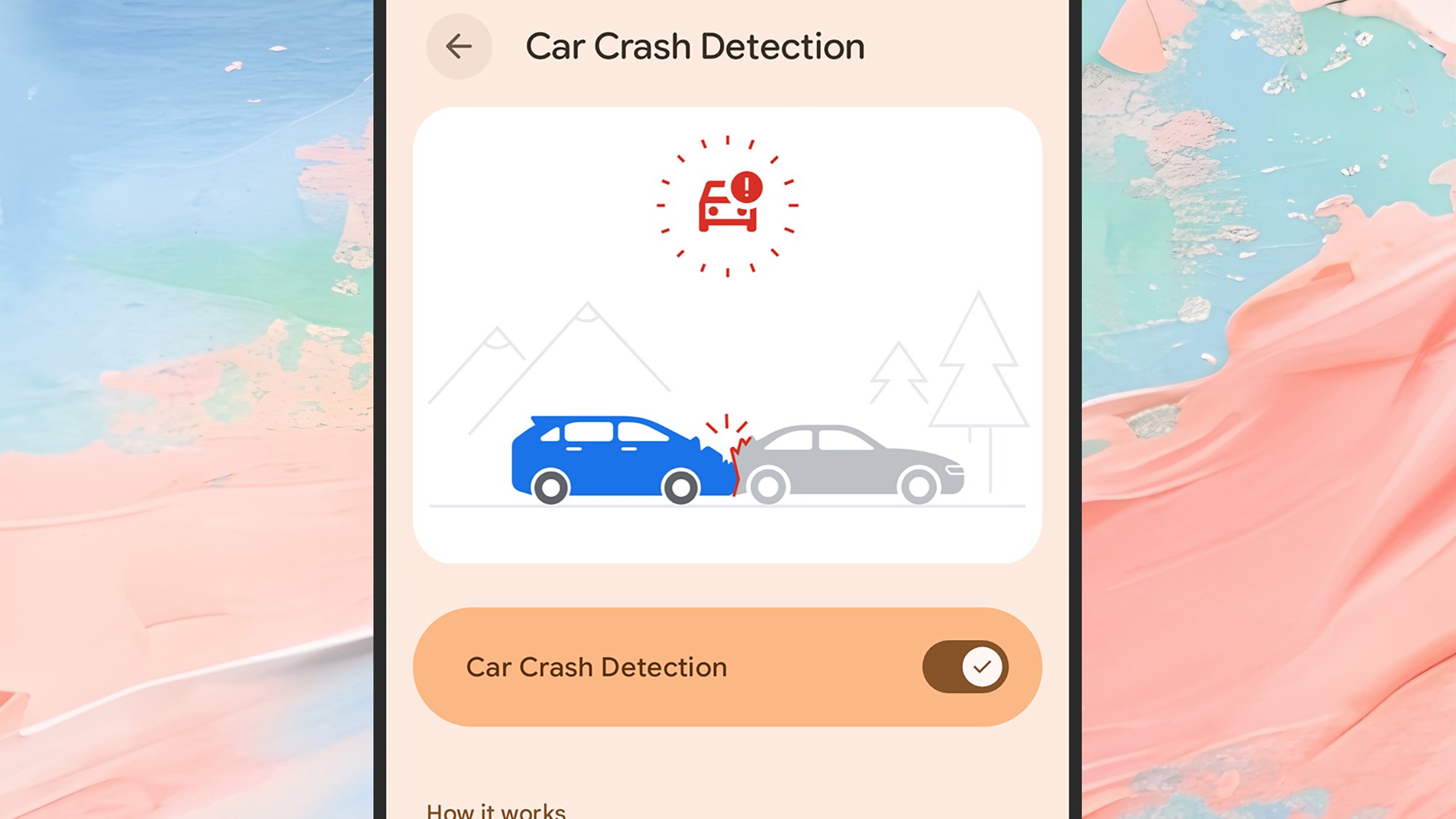
Chronologically, the industry moved from manual "Emergency SOS" triggers to automated incident detection. Apple pioneered widespread adoption of high-G-force crash detection with the iPhone 14 in 2022, leveraging advanced accelerometers and gyroscopes. Google followed suit with its own implementation across the Pixel series. By 2026, with the widespread adoption of Android 17 and iOS 27, these features have become standardized, utilizing machine learning algorithms to distinguish between high-impact collisions and minor drops or vibrations. This refinement has significantly reduced the rate of false positives, which plagued earlier iterations of the technology.
Android 17: A Proactive Safety Ecosystem
Android 17, as deployed on current-generation handsets like the Google Pixel, offers a centralized "Safety and Emergency" management hub. The architecture of this system is designed for high-stress, low-latency utility.
One of the most vital, yet often overlooked, components is the Medical Information and Emergency Contact registry. By configuring these details, a user ensures that first responders can access critical health data—such as blood type, severe allergies, or chronic medication dependencies—directly from a locked device. This bypasses the need for biometric or PIN authentication, saving crucial seconds during a medical emergency.
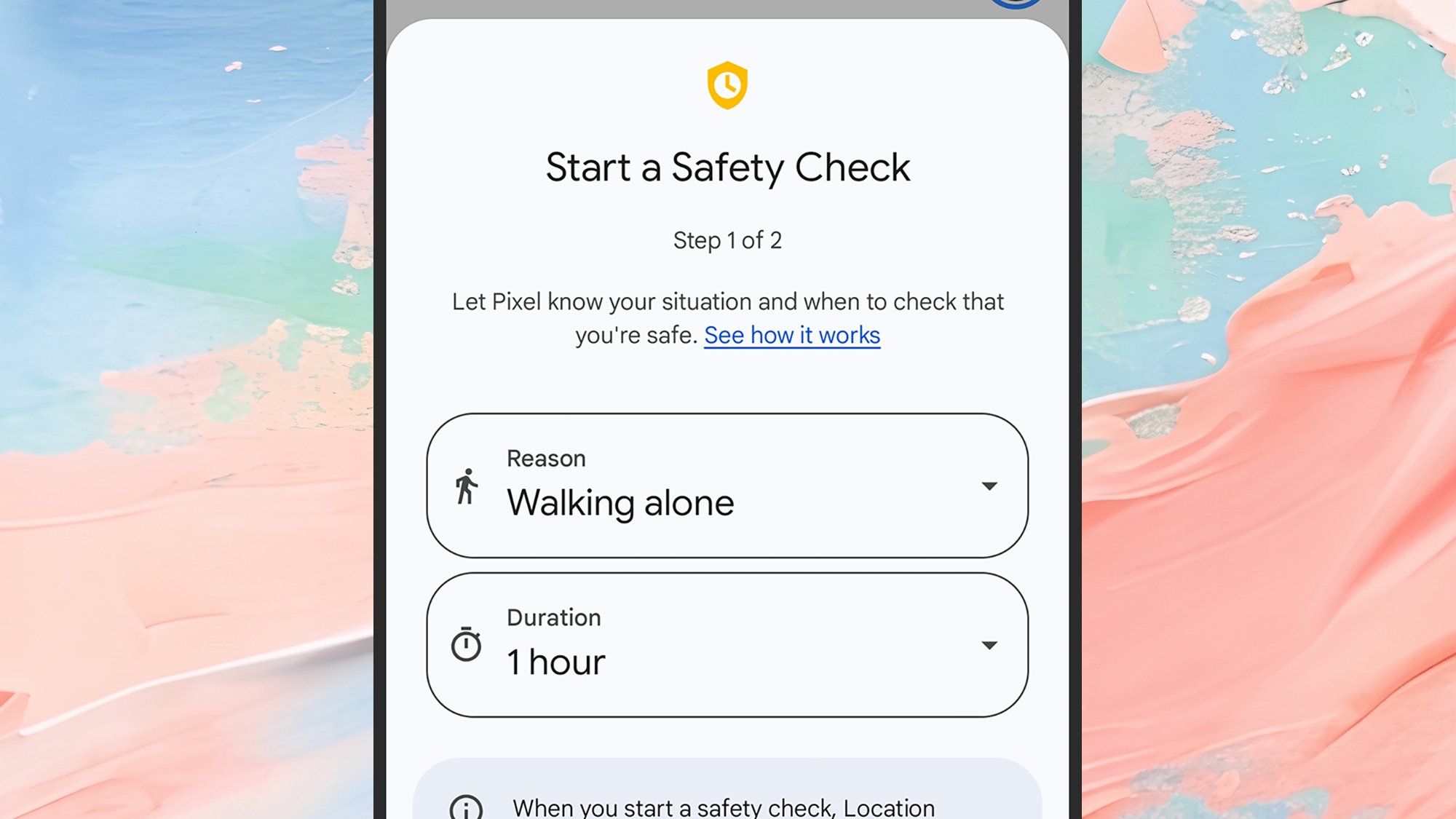
Furthermore, the "Personal Safety" application serves as a comprehensive suite for proactive monitoring. The "Safety Check" feature represents a shift toward situational awareness; by allowing users to set a timer for specific activities—such as traveling through an unfamiliar area—the phone creates a digital tether. If the user fails to check in before the timer expires, the device automatically notifies designated contacts, providing them with the user’s last known location and a status update.
iOS 27: Sophisticated Crisis Response
Apple’s ecosystem, under the latest iOS 27 framework, emphasizes seamless integration between the Health app and hardware-level emergency triggers. The "Medical ID" within the Health app functions as the cornerstone of this approach. Data entry is straightforward, but its impact is profound: it allows emergency personnel to view a summary of a user’s health history instantaneously.
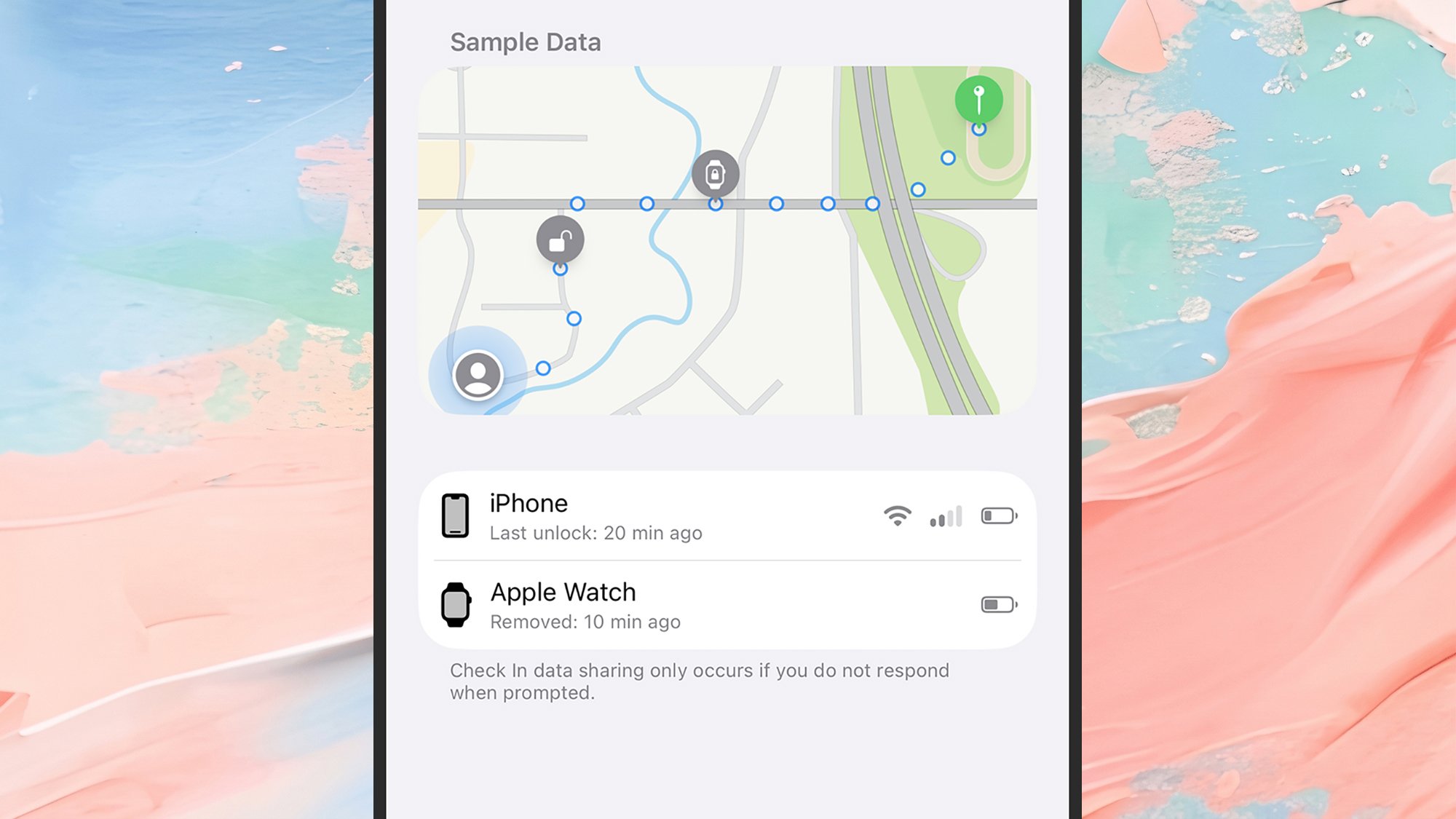
A key development in the iOS 27 release is the refined "Check In" feature within the Messages app. This function has been enhanced to include more granular data sharing, such as battery level, cell service status, and precise GPS coordinates, which are transmitted to a trusted contact upon a missed check-in. This feature is particularly valuable for vulnerable populations, including students and solo travelers, providing a reliable digital audit trail.
Satellite Connectivity: Bridging the Coverage Gap
Perhaps the most significant advancement in mobile safety is the democratization of satellite-based emergency messaging. Historically, mobile safety was strictly tethered to terrestrial cell towers. The introduction of satellite connectivity—standardized across the latest Pixel and iPhone models—has effectively eliminated "dead zones" for 911 calls.
In instances where a user has no cellular or Wi-Fi signal, the devices automatically trigger a satellite link. This is not for standard web browsing, but for short-burst, high-priority data transmission. The technology utilizes low-earth orbit (LEO) satellite constellations to relay distress signals and coordinates to emergency dispatch centers. Industry analysts note that this capability has already been credited with numerous rescues in remote wilderness areas, shifting the burden of search-and-rescue operations from hours of searching to minutes of precise location tracking.
Data Privacy and Ethical Implications
The rise of automated emergency services brings to the forefront complex discussions regarding data privacy and the role of private corporations in public safety. Both Google and Apple have implemented strict privacy protocols, ensuring that sensitive data like medical records and real-time location tracking remain encrypted and accessible only during explicitly defined emergency states.
Government agencies have responded positively to these advancements. In many jurisdictions, emergency dispatch centers have upgraded their own systems to ingest the data packets sent by these devices. When an iPhone or Android phone triggers an emergency call, it now routinely passes along high-fidelity location data and, in some cases, a brief health summary, directly to the 911 operator’s screen. This integration reduces the "interrogation time" required during a call, allowing dispatchers to send the correct resources—police, fire, or ambulance—with greater speed and accuracy.
Strategic Recommendations for Users
Security experts and emergency responders consistently provide three core recommendations for all smartphone users:
- Periodic Audits: Review your emergency settings every six months. Software updates can occasionally reset preferences or introduce new features that require manual opt-in.
- Emergency Contact Verification: Ensure that the individuals listed as your emergency contacts are aware of their status and understand how to interpret notifications they might receive from your device.
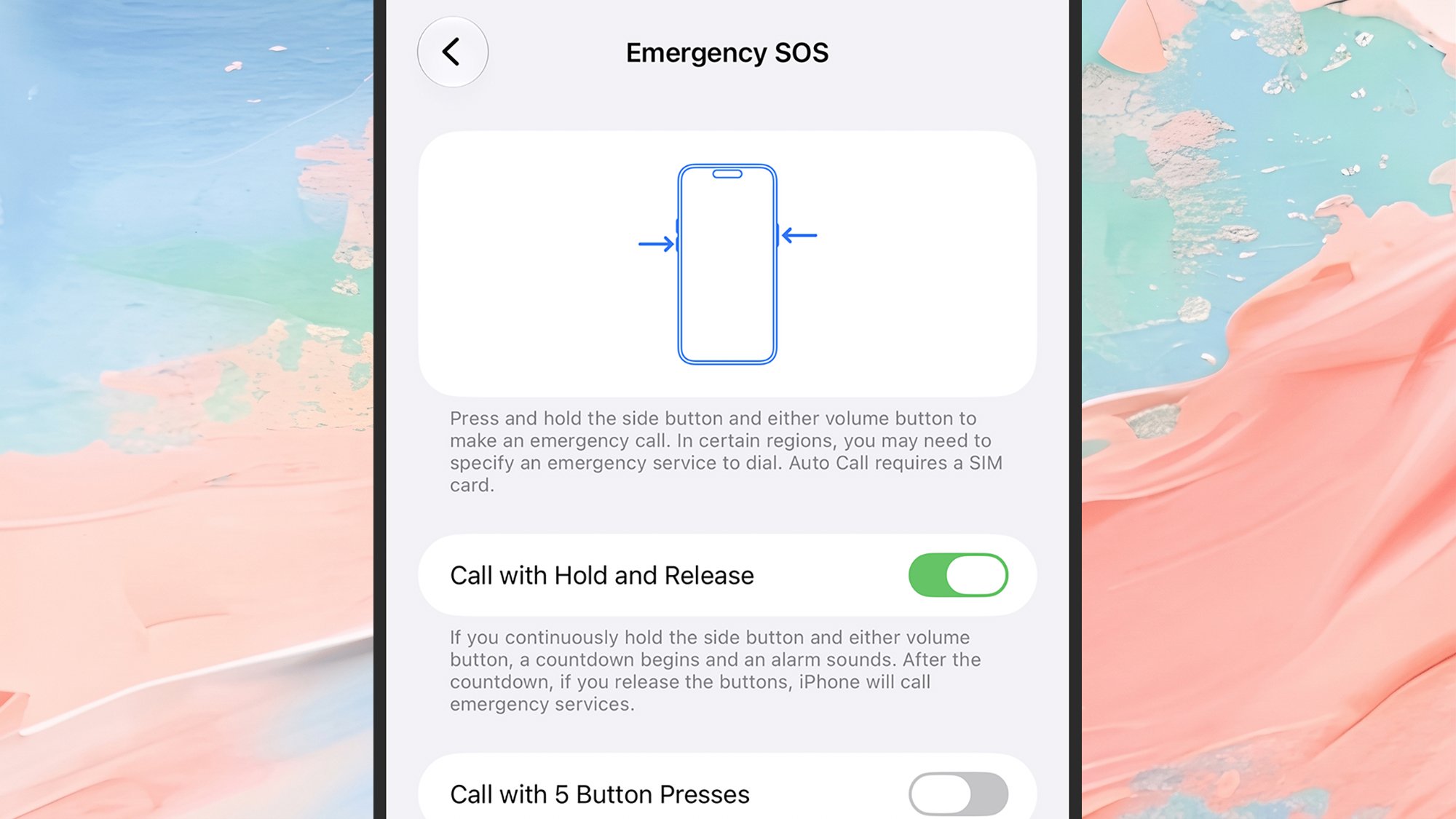
- Hardware Familiarity: Practice the physical sequence required to trigger an emergency call on your device. Whether it is pressing the side button five times on an Android or holding the combination of buttons on an iPhone, muscle memory is essential when an individual is under physical or emotional duress.
Broader Societal Impact
The widespread adoption of these technologies is fundamentally altering the landscape of public safety. By turning every citizen into a potential source of real-time, high-accuracy emergency data, we are moving toward a model of "crowdsourced" public safety. For example, the use of Android phones as a global seismic sensor network—whereby millions of devices act as mini-seismometers to detect the P-waves of an earthquake—allows for an early warning system that can precede the arrival of destructive shaking by several seconds. While seconds may seem negligible, they provide enough time for automated systems to shut down gas lines, stop trains, or allow individuals to seek cover.
Conclusion
The smartphone has transitioned from a tool of convenience to an essential component of modern survival. As we move further into the era of connected safety, the responsibility lies with the user to ensure these systems are correctly configured. By bridging the gap between personal awareness and the capabilities of current hardware, individuals can significantly improve their odds in the event of an accident, natural disaster, or personal crisis. While technology cannot prevent every emergency, its current iteration provides a powerful, often life-saving, interface for navigating the most critical moments of human experience.
