
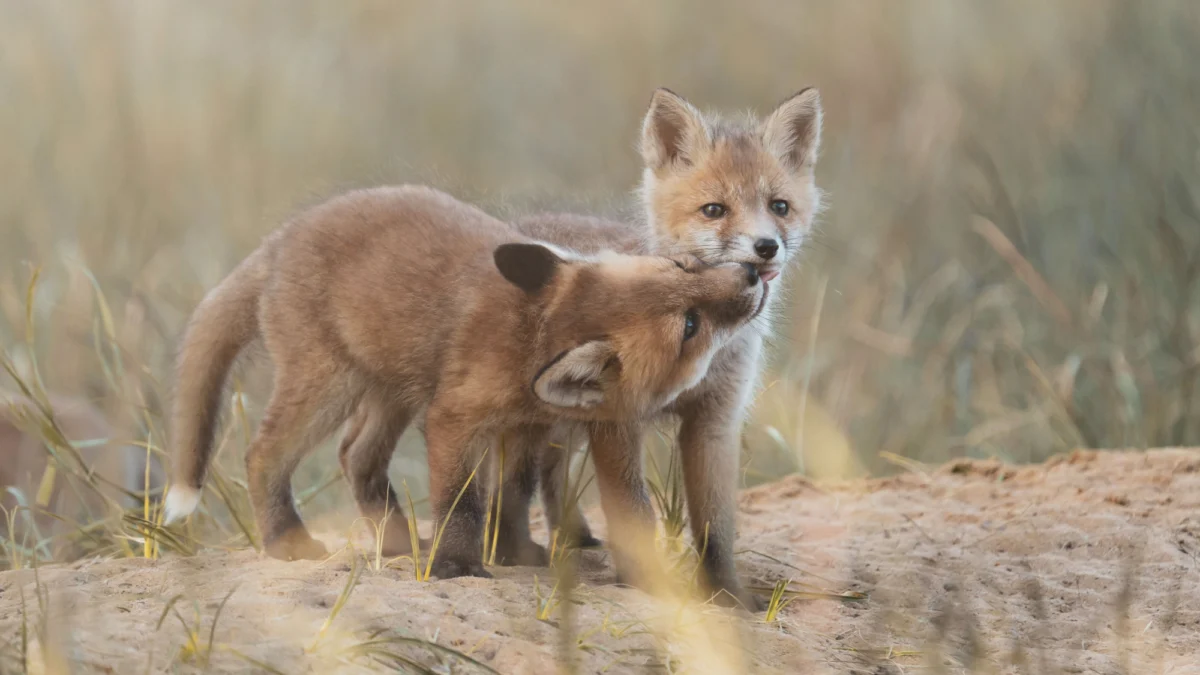
In the remote, windswept plains of the Texas Panhandle, a novel conservation experiment is unfolding that pits traditional agricultural practices against the encroaching threats of habitat degradation and predator imbalance. At the heart of this effort are livestock guardian dogs (LGDs), which are being deployed not merely to protect cattle, but to serve as a biological shield for the swift fox (Vulpes velox), the smallest and perhaps most vulnerable fox species in the Lone Star State. As populations of this elusive mammal dwindle, researchers at Texas A&M University are testing whether the presence of these canine protectors can reshape the local ecosystem and provide a refuge for a species clinging to survival.
The Plight of the Swift Fox
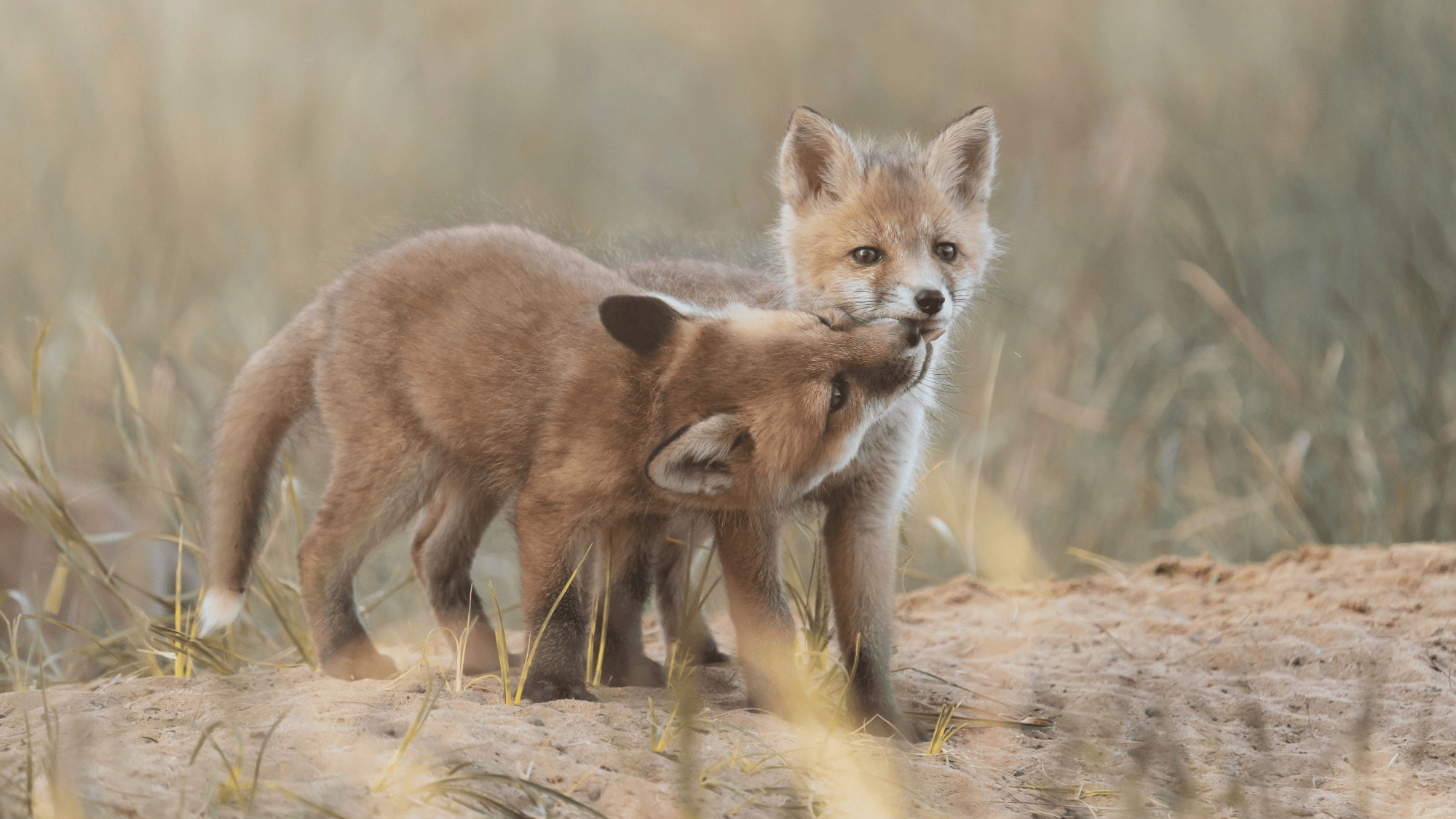
The swift fox, named for its ability to reach speeds of up to 30 miles per hour, is a diminutive creature, roughly the size of a common house cat. Historically, these foxes roamed the shortgrass prairies stretching from the Texas Panhandle all the way north to Alberta, Canada. However, extensive land-use changes, the fragmentation of their native prairie habitat, and the expansion of taller vegetation—which provides cover for their primary predator, the coyote—have decimated their numbers.
Current estimates suggest that fewer than 250 swift foxes remain in Texas, restricted primarily to Dallam County. With the species now occupying only 40 percent of its historic range across North America, conservationists are under pressure to find innovative ways to stem the decline. The primary threat, according to wildlife biologists, is the rise of coyote predation. As the landscape has shifted, coyotes have become increasingly adept at utilizing taller grasses to stalk and ambush the smaller foxes, leading to high mortality rates that the current swift fox population cannot sustain.
A Three-Year Strategic Initiative
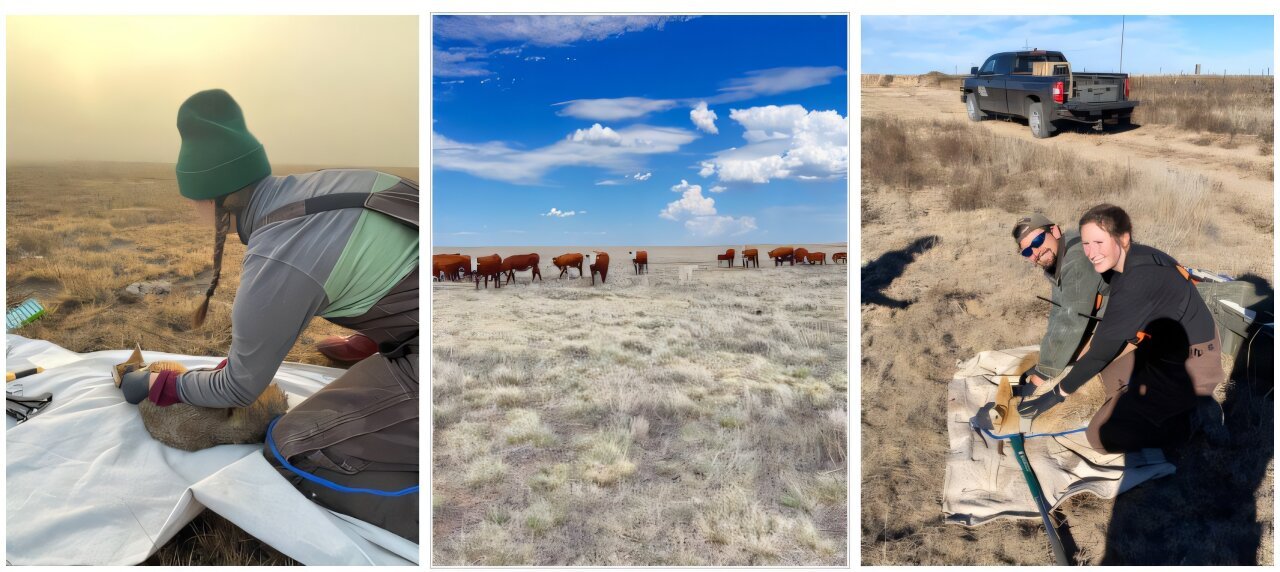
The project, spearheaded by Haley Sloan, a doctoral student at Texas A&M University, represents a multidisciplinary approach to wildlife management. By integrating livestock guardian dogs into cattle grazing operations within the Rita Blanca National Grasslands, the team aims to utilize the territorial nature of these dogs to create a "predator-free" buffer zone.
The chronology of this initiative began long before the dogs were introduced to the fields. Researchers spent months conducting baseline studies to understand the spatial distribution of both coyotes and swift foxes. Prior to the project’s launch, the team outfitted local coyote and swift fox populations with advanced GPS collars. This tracking data provided a comprehensive map of how both species traversed the landscape and where their territories overlapped.
The introduction of the livestock guardian dogs occurred during the summer of 2026. These dogs, bred specifically for their protective instincts and calm temperament around livestock, were integrated into existing cattle herds. The hypothesis is that the LGDs will establish a perimeter that discourages coyotes from entering the area, thereby creating a safer corridor for the swift foxes to hunt and breed without the constant threat of predation.
Ecological Mechanics: How LGDs Alter the Landscape
The core mechanism behind this study is the concept of the "landscape of fear." In behavioral ecology, predators alter their movement patterns based on the perceived risk of danger. By introducing a larger, more aggressive canine presence—the livestock guardian dog—researchers hope to manipulate the coyote’s perception of safety.
If the coyotes perceive the dogs as a superior territorial threat, they are likely to avoid the grazing zones occupied by the cattle and the dogs. This spatial exclusion would essentially "open up" the habitat for the swift foxes, which, unlike coyotes, do not pose a threat to livestock. Swift foxes are omnivores, feeding primarily on insects, wild plants, and small rodents. Because they do not predate on calves or sheep, their presence is compatible with cattle ranching, making them an ideal candidate for this type of habitat-sharing program.
Implications for Agricultural Producers
For the ranchers of the Texas Panhandle, the benefits of this project extend beyond wildlife conservation. Predation during the calving season is a significant financial burden for producers, as coyotes are known to target young or vulnerable calves. By utilizing LGDs, ranchers can effectively reduce these losses while simultaneously contributing to the recovery of a state-endangered species.
Haley Sloan notes that the preliminary results are promising. Producers involved in the study have reported a complete absence of calf predation since the dogs were introduced. "The producer involved in the project hasn’t lost any calves to predation," Sloan stated in recent updates. This anecdotal success provides a compelling economic incentive for other ranchers to adopt similar methods, potentially scaling the conservation effort across the remaining swift fox habitat.
Data Collection and Long-Term Monitoring
The study is designed to run for three years, a duration deemed necessary to account for environmental variables such as seasonal changes in vegetation height and prey availability. The GPS data collected from the collared animals will be analyzed at the end of each season to determine if there is a statistically significant shift in coyote movement.
Researchers are looking for specific indicators of success:
- Spatial Avoidance: A measurable decrease in the time coyotes spend within the territory occupied by the livestock guardian dogs.
- Range Expansion: Evidence that swift foxes are venturing into areas that were previously dominated by coyotes.
- Survival Rates: A stabilization or increase in the number of adult swift foxes within the study area.
This data-driven approach ensures that the project is not merely based on assumptions but on empirical evidence that can be peer-reviewed and replicated in other regions facing similar predator-prey conflicts.
Broader Impact and Wildlife Management
If this study proves successful, it could serve as a template for "predator-friendly" ranching throughout the American West. The model of using domesticated animals to protect both livestock and native wildlife addresses one of the most contentious issues in rural conservation: the conflict between agricultural productivity and the preservation of native biodiversity.
Historically, the response to coyote predation has been lethal control—trapping, poisoning, or shooting. However, these methods are often controversial, expensive, and largely ineffective, as they frequently lead to a "vacuum effect" where new coyotes quickly move into the territory of the removed ones. The livestock guardian dog approach offers a non-lethal alternative that relies on the natural behavior of the dogs to maintain a stable, predictable barrier.
Moreover, the conservation of the swift fox has broader ecological implications. As a mid-sized predator, the swift fox plays a crucial role in controlling insect and rodent populations, which in turn benefits the health of the grassland ecosystem. The loss of the swift fox would represent a significant decline in the biodiversity of the Texas Panhandle, potentially leading to unforeseen imbalances in the prairie food web.
Challenges and Future Outlook
Despite the early success, the research team remains cautious. The behavior of wildlife is complex and subject to change based on weather, climate, and the presence of other predators, such as bobcats or eagles. Furthermore, maintaining the health and effectiveness of the livestock guardian dogs requires significant commitment from the ranchers, including proper training and veterinary care.
The project also highlights the importance of partnerships between academic institutions and private landowners. Without the cooperation of the ranchers who own the land where these foxes live, such large-scale conservation efforts would be impossible. By demonstrating that conservation can be compatible with, and even beneficial to, the bottom line of a ranching operation, the Texas A&M team is bridging the gap between environmental advocacy and economic reality.
As the study progresses into its second year, the scientific community is watching closely. If the presence of livestock guardian dogs can indeed foster a resurgence of the swift fox, it may offer a path forward for other imperiled species that struggle to coexist with more dominant predators. For now, the small, agile foxes of the Texas plains remain a symbol of the fragile balance of the shortgrass prairie, and for the first time in many years, there is a tangible reason for optimism regarding their future.

