
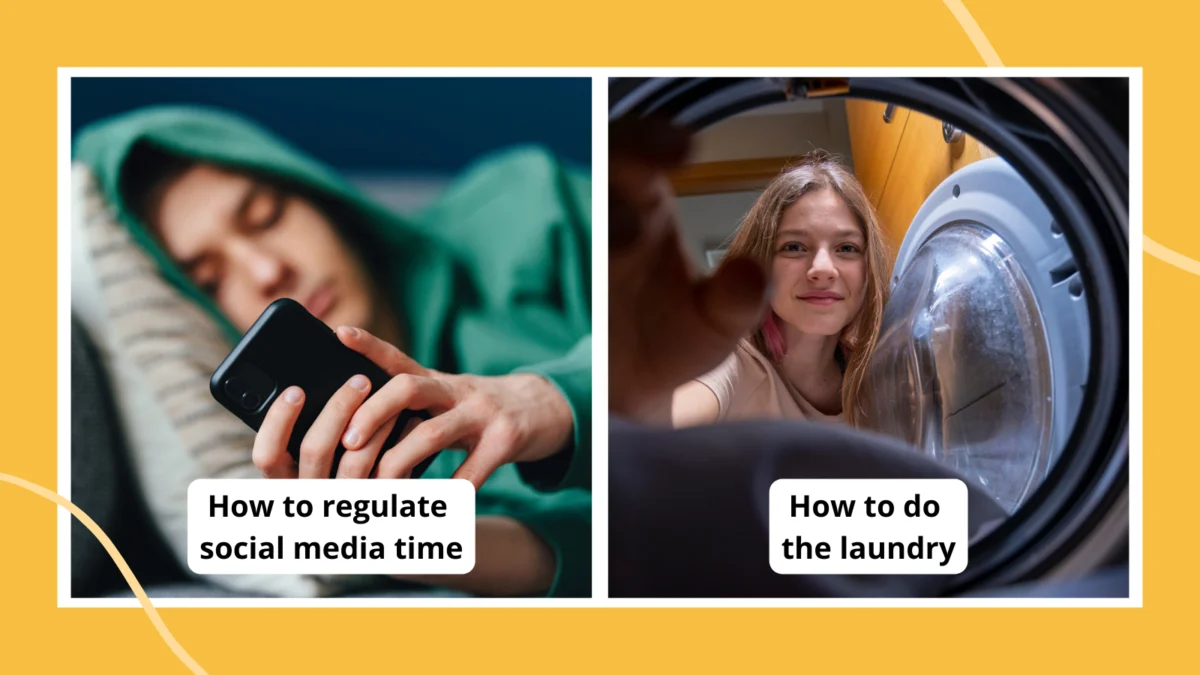
As the landscape of modern life becomes increasingly complex, the transition from adolescence to independent adulthood has shifted. For decades, the path to maturity involved an observational apprenticeship where teenagers witnessed parents navigating the logistical hurdles of daily existence. Today, however, the digital revolution has rendered many of these processes invisible. Financial transactions occur via encrypted apps, professional communication happens through asynchronous messaging, and logistical errands are managed through automated services. This shift has created a "competency gap," where teens often lack the hands-on experience necessary to manage the fundamental tasks of independent living. Educational experts and school counselors are now emphasizing that the mastery of "adulting" skills is not merely a convenience, but a critical component of building the psychological resilience required for the modern world.
The Changing Context of Adolescent Development
Historically, teenagers acquired life skills through incidental exposure. They watched a parent balance a checkbook, heard them negotiate a service contract over a landline, or accompanied them to physical bank branches. Modern research suggests that as these tasks have migrated to the digital sphere, the pedagogical value of observation has diminished. According to school counselor Lissett Bohannon, M.Ed., the next generation faces a unique paradox: while they have unprecedented access to information, they have fewer opportunities to practice the nuanced, real-world application of that information. Bohannon notes that the inherent volatility of the 21st-century economy necessitates a higher degree of self-sufficiency and emotional regulation than was required of previous generations.
Chronology of Skill Acquisition
Developmental psychologists suggest that life skills are most effectively learned in a phased approach. While there is no rigid timeline, the following progression is generally recommended to ensure students are prepared by the time they reach age 18:
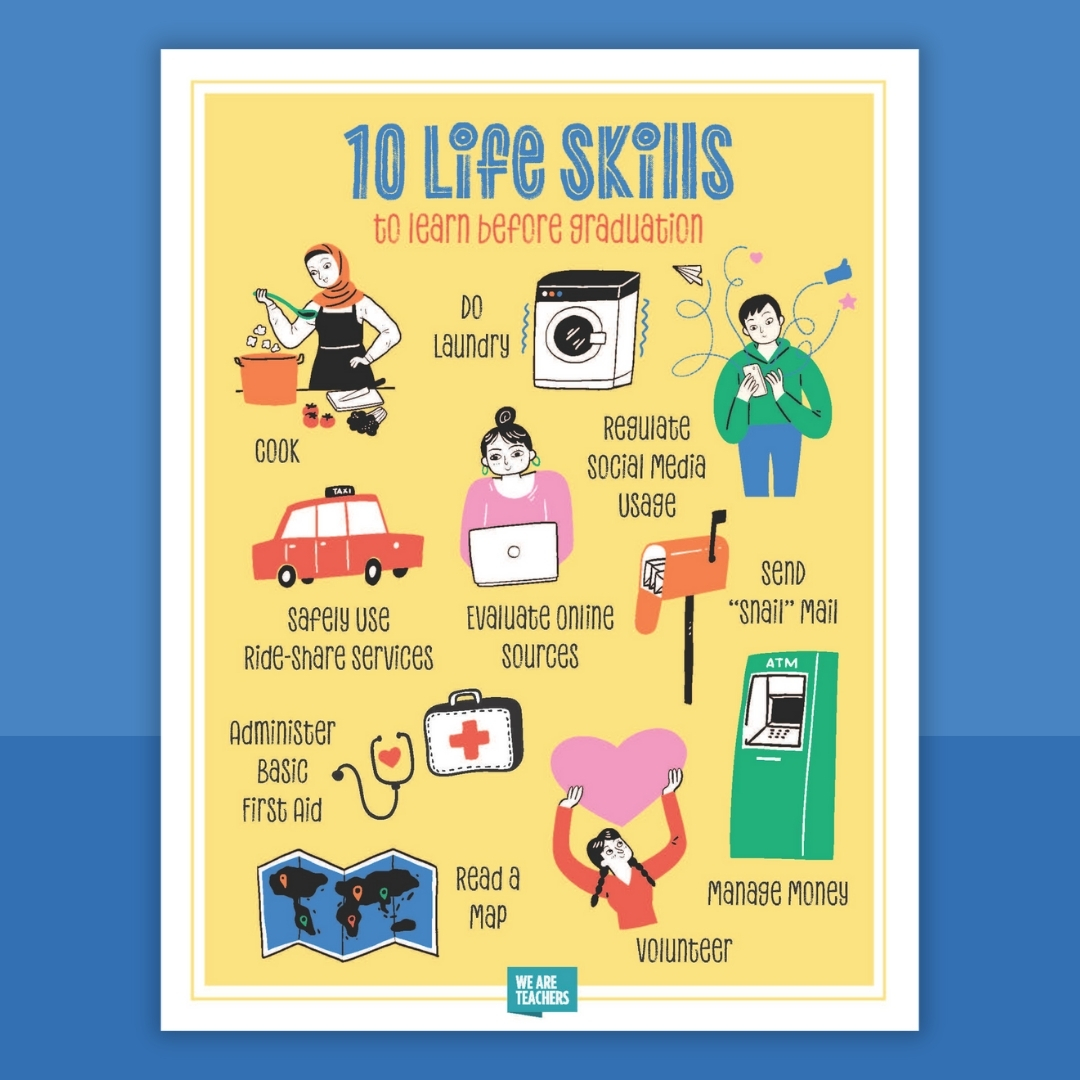
- Early Adolescence (Ages 11–13): Focus shifts to personal responsibility, including basic laundry, personal hygiene management, and rudimentary kitchen safety.
- Mid-Adolescence (Ages 14–16): Development of financial literacy, including basic budgeting of allowance or earnings, and the beginning of career exploration through internships or volunteer work.
- Late Adolescence (Ages 17–18): Advanced transition skills, such as navigating public transportation, understanding legal and contractual basics (like reading a lease), and managing complex health-related responsibilities.
Essential Pillars of Daily Living
The foundation of independence rests upon the ability to maintain one’s environment and health. These skills, often categorized as "daily living," serve as the bedrock for professional and personal stability.
Financial Literacy and Economic Independence
Financial mismanagement is a leading cause of stress for young adults entering the workforce or higher education. Experts advocate for a transition from abstract monetary concepts to concrete management. This involves more than just saving; it requires an understanding of credit, the mechanics of interest, and the distinction between assets and liabilities. Data from financial literacy organizations consistently show that students who engage in simulated budgeting exercises—such as tracking a monthly income against fixed expenses—are significantly less likely to encounter predatory lending or credit card debt in their early twenties.
Domestic Management and Maintenance
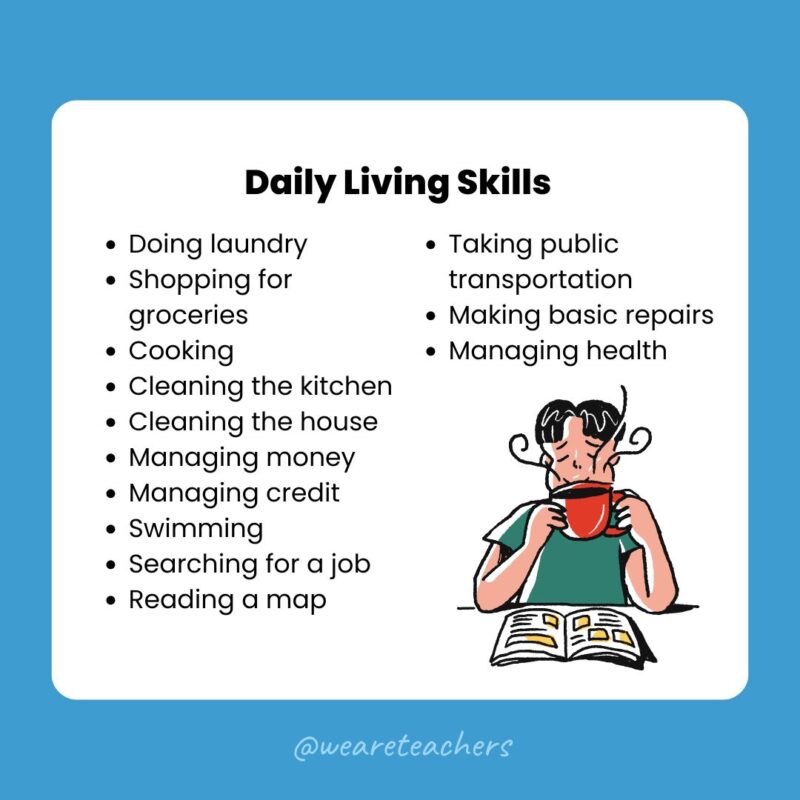
While domestic chores are often viewed as menial, they are in fact training grounds for organizational efficiency. Learning to manage laundry, meal planning, and basic household repairs teaches a teen the relationship between effort and outcome. For instance, the systematic process of cooking—from grocery shopping to food preparation and final cleanup—mirrors the project management cycles found in corporate environments.
The Rise of Executive Functioning
Executive function refers to a set of mental processes that enable individuals to plan, focus attention, remember instructions, and juggle multiple tasks. It is the "control center" of the brain, and it is arguably the most vital set of skills for a successful transition to university or the workforce.
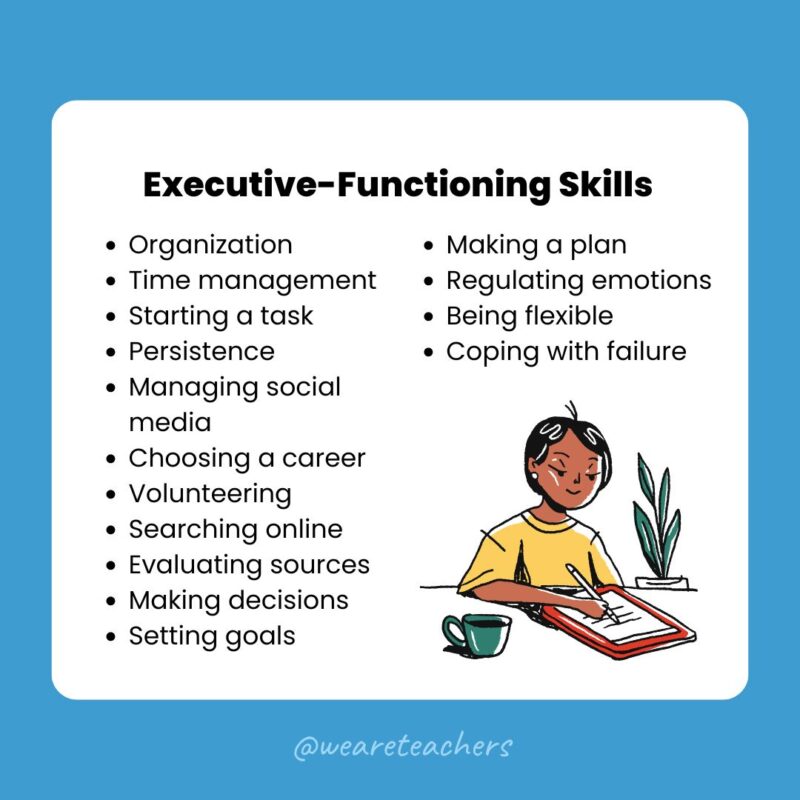
- Task Initiation: Many teens struggle with the psychological barrier of starting a project. Breaking down large, daunting goals into micro-tasks is a strategy that aids in preventing procrastination.
- Emotional Regulation: The ability to navigate frustration during failure is a critical predictor of long-term success. Educators argue that when parents intervene too quickly to "fix" a teen’s mistake, they deprive the student of the opportunity to develop coping mechanisms.
- Flexibility and Adaptability: The ability to pivot when plans change is a hallmark of professional maturity. Encouraging teens to adapt to schedule shifts or unexpected setbacks in a controlled environment builds the neural pathways necessary for resilience.
Communication and Self-Advocacy
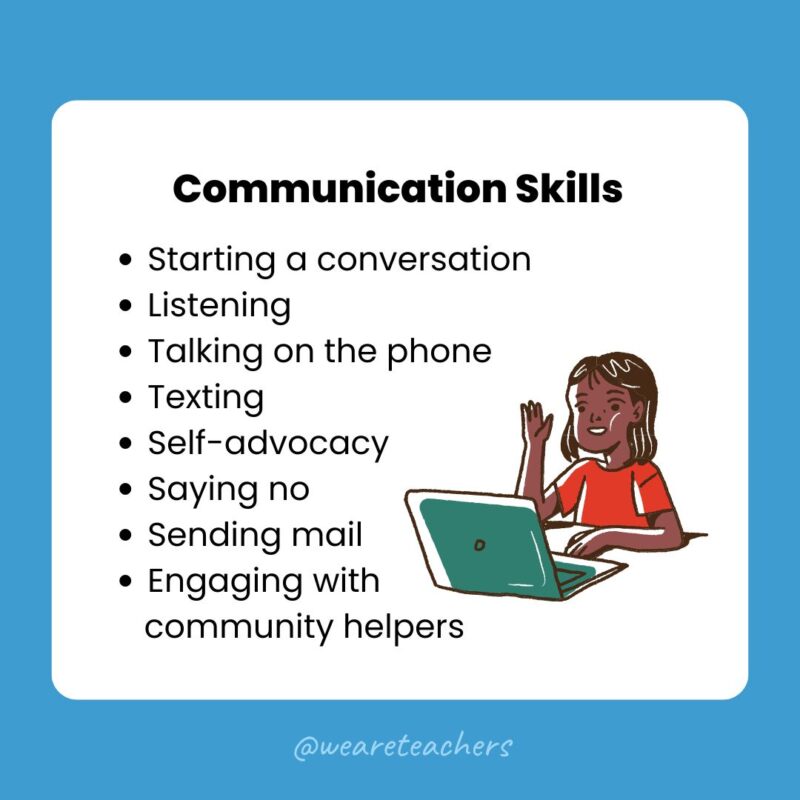
In an era dominated by text-based communication, the ability to engage in professional verbal discourse is becoming a specialized skill. Teens are increasingly expected to handle their own interactions with authority figures, whether they are school administrators, potential employers, or medical professionals.
Professional Communication Standards
Self-advocacy requires a student to clearly articulate their needs, values, and boundaries. This is particularly important for students with specific needs, such as medical conditions or learning accommodations. Developing the ability to speak firmly and respectfully to a supervisor or a teacher is a skill that directly influences career trajectory. Furthermore, distinguishing between formal and informal registers of language—knowing when to use a professional email format versus a casual text message—is essential for social and professional integration.
Digital Citizenship
The online world requires a specific set of evaluative skills. Beyond the technical ability to use software, teens must develop the capacity to critically assess the credibility of online sources. In the context of the emerging AI landscape, students must learn to use these tools as aids for productivity rather than replacements for critical thinking. The ability to verify information and recognize algorithmic bias is a requisite for navigating the modern information economy.
Safety and Public Responsibility
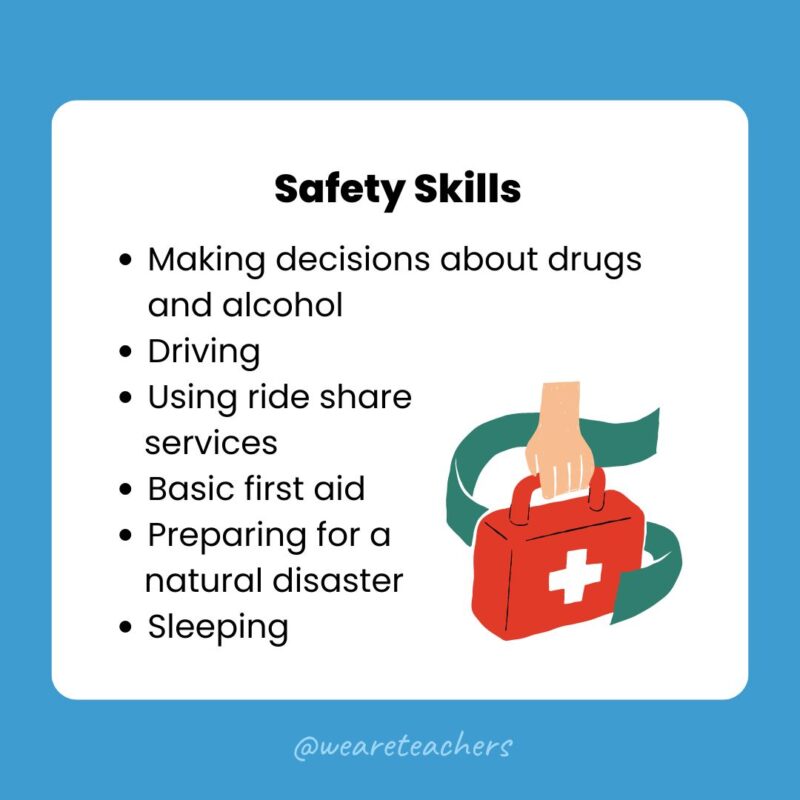
Safety skills extend beyond basic first aid. They include the capacity to make informed decisions regarding substance use, the maturity to operate a vehicle responsibly, and the awareness of how to interact with community services such as law enforcement or emergency responders. Preparedness for emergencies—such as knowing the protocol for natural disasters or managing personal health stats—instills a sense of agency. When a teen understands that they are responsible for their own well-being, they are more likely to adopt the healthy habits that prevent long-term complications.
Broader Implications and Societal Impact
The push to formalize life-skills training is a reaction to the shifting demands of the global economy. As automation and artificial intelligence reshape the workforce, the "soft skills"—creativity, emotional intelligence, organization, and self-regulation—are becoming the primary differentiators between employees.
A report from the World Economic Forum on the future of work suggests that the skills identified here, such as complex problem-solving and critical thinking, are precisely what organizations are seeking. By intentionally teaching these skills, parents and educators are not just helping teens survive their first year of college or their first job; they are equipping them with a framework for lifelong adaptability.
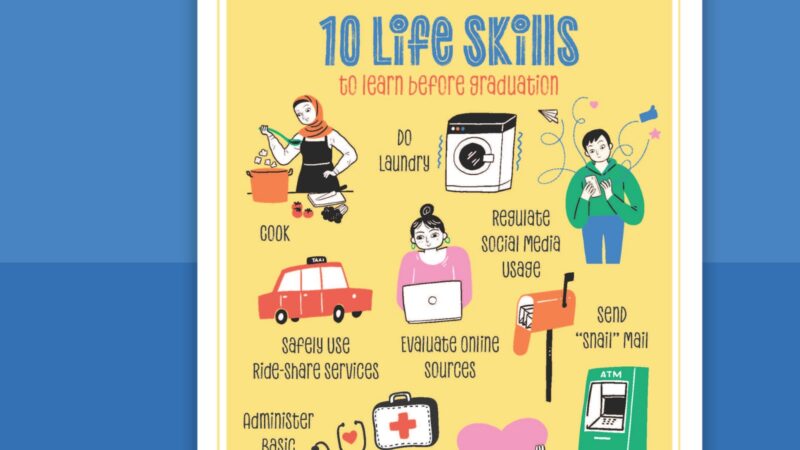
Ultimately, the goal of teaching these skills is to foster a sense of autonomy. A young adult who understands how to manage their time, money, and environment is less likely to feel overwhelmed by the inherent stresses of adulthood. While the process of learning these skills involves trial, error, and occasional failure, it is precisely this experience that builds the foundation for a productive and independent life. As the transition to adulthood becomes more demanding, the proactive development of these competencies is no longer optional—it is a necessity for the next generation of citizens.

