
The terrorist attacks of September 11, 2001, serve as a definitive historical inflection point, marking the moment when the geopolitical landscape shifted from the post-Cold War era into a period defined by the global "War on Terror." As the twin towers of the World Trade Center in New York collapsed in a plume of ash and fire, the world watched in stunned silence. For Germany, the tragedy was not merely a distant event witnessed on television; it was a traumatic awakening that revealed the presence of a lethal, homegrown extremist cell operating within its own borders.
A Chronology of a Global Crisis
The morning of September 11 began with the hijacking of four commercial airliners. American Airlines Flight 11 and United Airlines Flight 175 were flown into the North and South Towers of the World Trade Center, respectively. American Airlines Flight 77 struck the Pentagon, while United Airlines Flight 93 crashed in a field in Shanksville, Pennsylvania, after passengers fought back against the hijackers.
The human toll was staggering: 2,977 victims perished in the attacks, representing 92 different nations. Among those lost were 11 German citizens, whose deaths bridged the geographical divide between Berlin and New York, anchoring Germany’s involvement in the subsequent international response. Within 24 hours, the narrative shifted from mourning to investigation. Intelligence reports began to circulate, linking the hijackers to a radical cell in Hamburg, Germany.
The Hamburg Connection: From Academia to Extremism
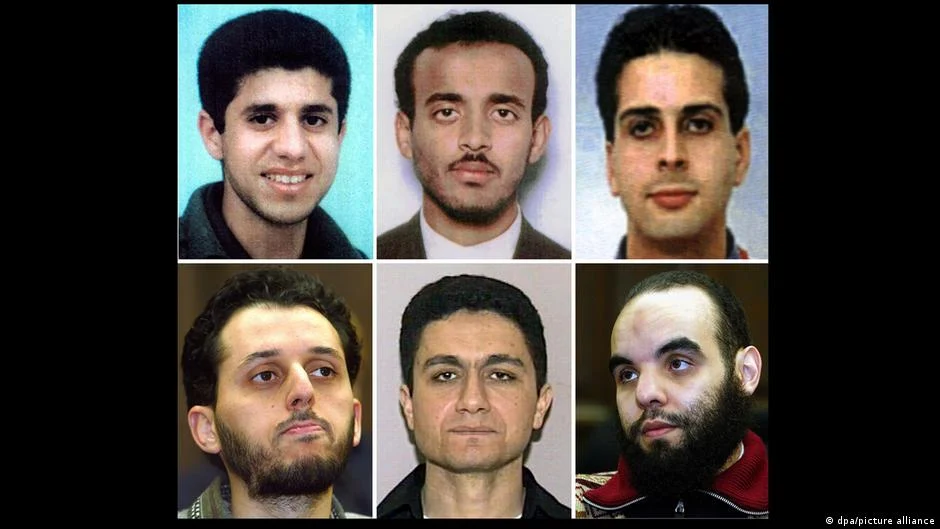
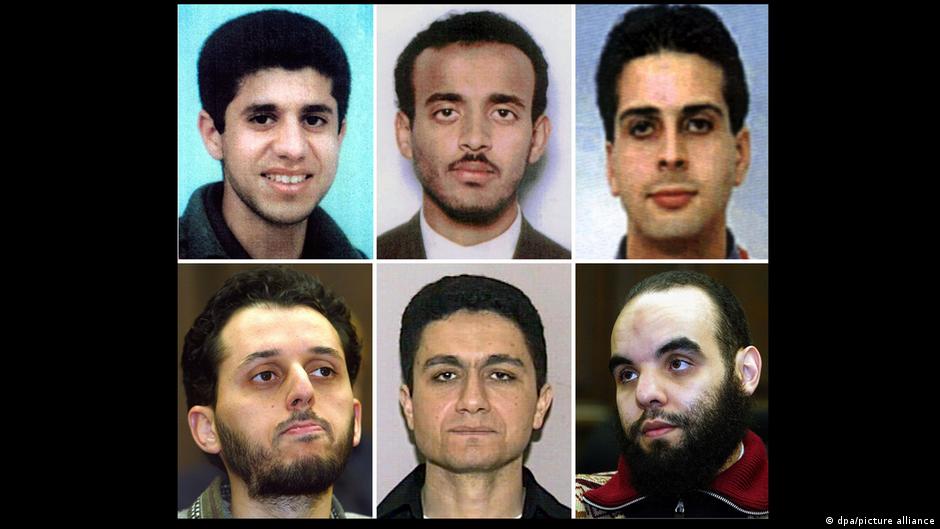
The discovery that the "Hamburg cell" was the operational heart of the September 11 attacks remains one of the most significant intelligence failures of the early 21st century. Mohammed Atta, an Egyptian national who had moved to Hamburg in 1992 to pursue studies in urban planning, emerged as the lead hijacker.
Atta and his associates, including Marwan al-Shehhi and Ziad Jarrah, lived in the Harburg district of Hamburg, sharing an apartment while frequenting the Al-Quds Mosque. This location became a nexus for radicalization, where the men were indoctrinated into the ideology of al-Qaeda. The German authorities eventually shuttered the mosque, but the damage was irreversible. The cell’s ability to operate undetected within a European democracy highlighted profound gaps in domestic surveillance and international information sharing.
The judicial aftermath in Germany saw the prosecution of Mounir al-Motassadeq, a member of the cell. In 2003, the Hanseatic Higher Regional Court sentenced him to 15 years for his role as an accomplice in the murder of thousands. His conviction marked the world’s first legal ruling directly linked to the 9/11 attacks, establishing a precedent for holding facilitators accountable for international terrorism.
The Geopolitical Pivot: Solidarity and Security
On September 12, 2001, German Chancellor Gerhard Schröder delivered a landmark address to the Bundestag, declaring "unconditional solidarity" with the United States. This statement was more than a diplomatic gesture; it was a radical departure from Germany’s traditional post-war military reticence.
Schröder’s promise of support facilitated Germany’s entry into the war in Afghanistan in December 2001. Over the next two decades, the conflict would claim the lives of 59 Bundeswehr soldiers and three German police officers. The mission in Afghanistan, which concluded with the chaotic withdrawal of Western forces in August 2021, remains a subject of intense debate regarding the efficacy of military intervention in nation-building.
Domestic Policy and the Surveillance State
The shock of the attacks triggered a legislative overhaul in Germany. The governing coalition of Social Democrats and Greens pushed through a series of "security packages" that significantly expanded the powers of the Federal Criminal Police Office (BKA) and domestic intelligence services.
Key legislative shifts included:
- The Anti-Terrorism Act (2002): This allowed for the monitoring of bank accounts, flight manifests, and telecommunications data without the previous threshold of specific suspicion.
- Expansion of Ban Powers: Religious organizations were brought under the same legal scrutiny as other associations, allowing for the dissolution of groups found to be operating against the Basic Law.
- Data Mining: Authorities utilized broad, automated data cross-referencing to identify potential "sleeper agents."
However, these measures faced significant pushback from the judiciary. In 2006, the Federal Constitutional Court ruled that mass, suspicionless data mining was unconstitutional, asserting that surveillance must be tied to a concrete threat. This ruling underscored the ongoing tension between the state’s duty to provide security and the preservation of individual civil liberties in a post-9/11 world.
The Guantanamo Controversy and Human Rights
The pursuit of suspected terrorists led to the creation of the detention facility at Guantanamo Bay, where the United States held hundreds of individuals without formal charge. The detention of Murat Kurnaz, a German-born Turkish national, became a focal point of public and political contention.
Kurnaz was held for five years before being released in 2006 without evidence of involvement in terrorism. The case prompted an investigation by the Bundestag, during which Frank-Walter Steinmeier, the Foreign Minister at the time, was forced to defend the government’s refusal to facilitate Kurnaz’s earlier return. Steinmeier’s testimony reflected the agonizing balancing act performed by German officials: the desire to uphold the rule of law while maintaining the integrity of the trans-Atlantic security alliance during a period of heightened existential anxiety.
Analysis: Long-term Implications
The legacy of September 11 in Germany is characterized by a permanent expansion of the security apparatus and a more assertive, albeit often conflicted, foreign policy. The attacks ended the era of "strategic innocence" for the Federal Republic.
Data from the Federal Office for the Protection of the Constitution (BfV) in subsequent years showed a marked increase in the tracking of Islamist networks, but this focus also created challenges regarding the integration of Muslim communities and the rise of right-wing populism. The surveillance tools created to catch the next Mohammed Atta have since been repurposed, debated, and legally challenged, illustrating that the "state of exception" declared in 2001 has largely become the standard operating procedure for modern governance.
Furthermore, the 20-year commitment to the war in Afghanistan forced Germany to confront the limits of its military power. The eventual return of the Taliban in 2021 cast a long shadow over the original 2001 mandate, leading many policymakers to question whether the military response to terrorism truly solved the structural issues of instability that al-Qaeda and its successors thrived upon.
Conclusion
As German President Johannes Rau noted on that fateful September day, the world had indeed changed. The events of 9/11 did not merely destroy buildings; they dismantled the established order of international relations and domestic policing. Germany’s journey from a safe haven for terrorist cells to a central player in the global intelligence and military apparatus remains a testament to the enduring impact of that single morning. The lessons of the past two decades—regarding the fragility of civil rights, the dangers of unchecked surveillance, and the complexities of foreign intervention—continue to shape the German political identity as the nation navigates an increasingly volatile international landscape. The tragedy of 9/11 remains a somber reminder of the vulnerabilities inherent in open societies and the high price paid for the preservation of security.

