
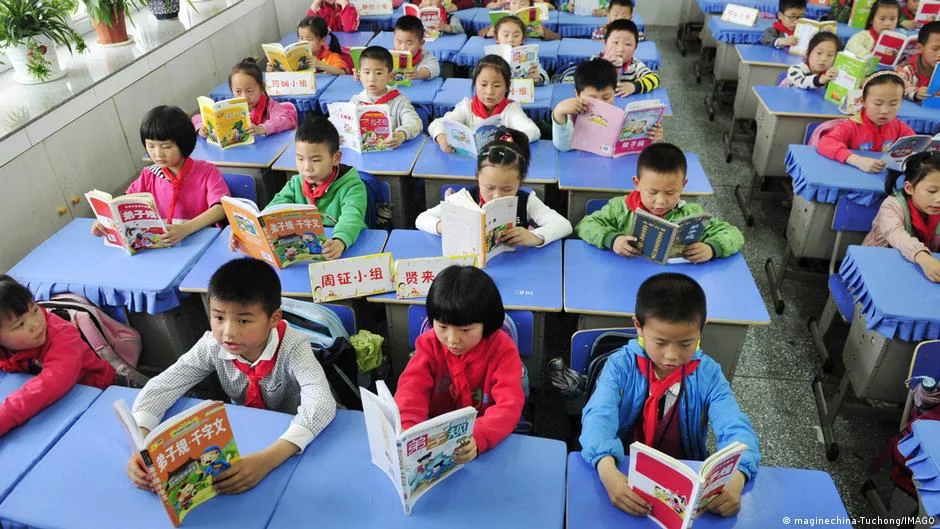
For decades, English has functioned as the primary window to the outside world for the Chinese education system, serving as a mandatory pillar of academic progression. However, a growing movement, championed by influential figures such as mathematics professor Tang Jiafeng, is calling for a radical restructuring of this paradigm. Tang’s assertion—that English should be stripped of its status as a core subject in primary, secondary, and tertiary education—has sparked a national discourse that touches upon pedagogical efficiency, national identity, and China’s strategic positioning in an era of rapid technological advancement.
A Historical Trajectory of Language Policy
To understand the current tension, one must examine the evolution of foreign language education in China. Following the "Reform and Opening-up" policies of the late 1970s, English was positioned as a vital gateway for economic integration and scientific exchange. By the 1990s and early 2000s, the state solidified this stance, making English a mandatory subject starting as early as the third grade.
The current examination structure remains rigid: English is weighted equally with Chinese and mathematics in the Zhongkao (the high school entrance exam) and the Gaokao (the university entrance exam). In the latter, the subject carries a maximum of 150 points, a standard that has defined the academic trajectory of millions of students for generations. Critics like Tang argue that this institutionalized focus creates an "English fever" that diverts immense cognitive and financial resources away from indigenous subjects and professional skill-building.
The Argument for Reform: Efficiency and AI
The modern critique of this system is fueled by two primary factors: the perceived irrelevance of advanced English proficiency for the average citizen and the rapid maturation of artificial intelligence. Proponents of reducing the English curriculum argue that the time and capital invested in years of language tutoring—often characterized by rote memorization of grammar and vocabulary—are increasingly misaligned with the professional needs of a modern economy.
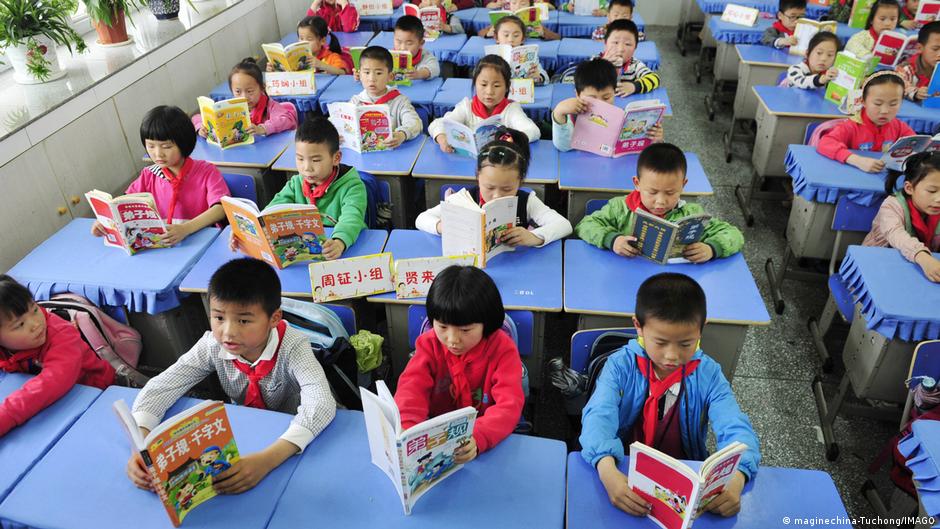
Social media discourse in major hubs like Beijing and Guangdong reflects a growing public sentiment that real-time translation tools, powered by large language models, render the exhaustive study of a foreign language unnecessary for many career paths. "Why force children to spend thousands of hours mastering a language that AI can now interpret in milliseconds?" asked one commentator on a popular microblogging platform. This sentiment is echoed by those who believe that the intensity of English testing prevents top-tier students—particularly in STEM fields—from focusing on the specialized research that will drive China’s future economic growth.
The Counter-Perspective: Globalization and Connectivity
Despite the push for reform, the institutional defense of English remains robust. Hu Xijin, a prominent media figure and former editor-in-chief of the Global Times, represents the faction that views foreign language proficiency as an indispensable trait of a "global citizen." For Hu and his supporters, the push to demote English is a form of isolationism that ignores the realities of a globalized, interconnected world.
From this viewpoint, language is more than a communication tool; it is a lens through which the global scientific, cultural, and political landscape is interpreted. Hu has argued that the effort to contrast "traditional Chinese culture" with "foreign language study" is a false dichotomy that politicizes education unnecessarily. Furthermore, proponents of the status quo emphasize the "equal opportunity" aspect of the current system. They argue that access to English provides students in rural or underprivileged areas with a critical tool for upward mobility, enabling them to engage with global information networks that are, for the time being, overwhelmingly English-centric.
The Evolution of Higher Education
The pressure to change is already manifesting in the university sector. Institutions such as the Beijing Foreign Studies University have begun shifting their curricula to adopt a "foreign language plus major" model. This approach acknowledges that while the pure study of a foreign language may have declining market utility, the ability to apply that language within the context of law, international economics, or information technology remains highly sought after.
Simultaneously, the demand for traditional language degrees, such as German or French, has seen a noted decline. University administrators report that students are increasingly pragmatic, favoring hybrid degrees that promise immediate employability. This shift mirrors the late 19th-century "Self-Strengthening Movement," where Chinese scholars debated how to adopt Western technical "superior skills" while maintaining the core integrity of Chinese civilization. Today, that debate has shifted from industrial technology to digital and linguistic agility.

Economic and Strategic Implications
The debate is not merely academic; it has profound implications for China’s international competitiveness. In the realm of scientific research, English remains the lingua franca. If the next generation of Chinese researchers is less proficient in the language, they may face barriers in publishing in top-tier international journals, participating in global collaborative research, or contributing to international technical standards.
Conversely, some observers note that the world is beginning to look toward China as a model for growth, particularly in sectors such as battery technology, electric vehicles, and humanoid robotics. In these fields, the flow of information is increasingly moving toward, rather than away from, China. The rise of Mandarin courses in nations across Africa and parts of Southeast Asia suggests that China’s cultural and linguistic influence is expanding, potentially creating a future where the necessity of English is mitigated by the increasing global utility of Chinese.
Future Outlook and Policy Trends
Looking ahead, it is likely that the government will continue to walk a fine line between maintaining international engagement and fostering a more nationalistic educational focus. Some provinces have already begun experimenting with lowering the weight of English in examinations or adjusting the intensity of instruction.
The trajectory of this debate suggests that while English will not be abolished, it will likely be "de-centered." The future of language education in China may involve a transition from a mandatory, high-stakes testing model to a more flexible, elective-based system that allows students to focus on linguistic skills that directly complement their technical or professional specializations.
As China continues to assert its identity as a global leader in innovation, the role of foreign languages will remain a key indicator of its strategy. Whether the nation chooses to double down on international linguistic integration or focus on indigenous educational dominance remains a central question that will shape the next generation of the Chinese workforce. The challenge for policymakers will be to ensure that in their quest to prioritize local tradition and efficiency, they do not inadvertently cut the lines of communication that have historically fueled the country’s rapid rise to the forefront of the global economy.

