
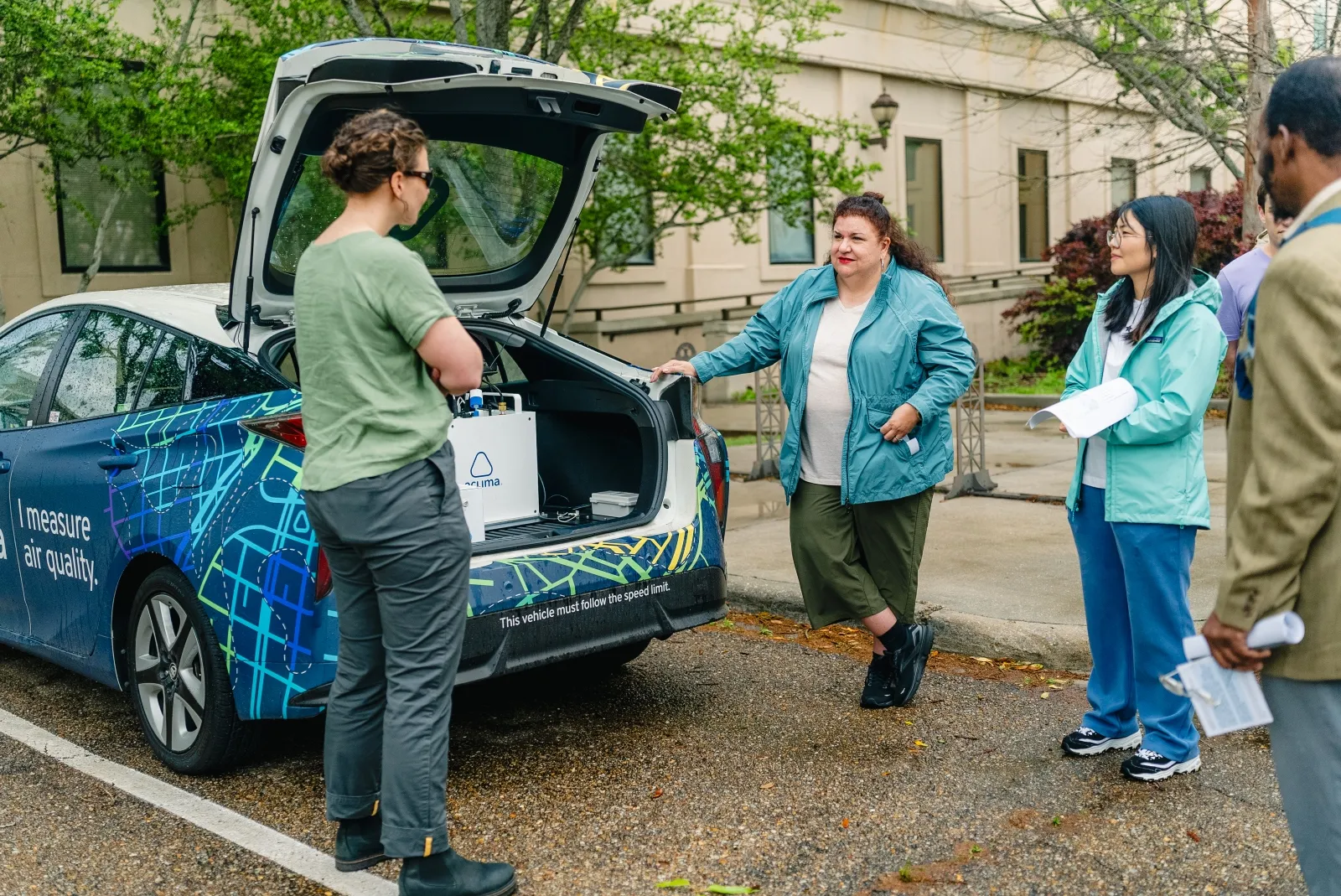
Across the United States, millions of residents living in the shadow of chemical plants, refineries, and industrial hubs are finding themselves in a state of enforced ignorance regarding the quality of the air they breathe. A disturbing trend has emerged in recent years: as the federal network of public air monitoring stations continues to age and shrink, the industrial sector is moving aggressively to invalidate the only remaining alternative—community-led, low-cost sensor networks. This legislative campaign, which has successfully curtailed data usage in several states, represents a significant shift in how environmental accountability is measured, monitored, and ultimately enforced.
The federal air monitoring system, established in the wake of the 1963 Clean Air Act, once served as the gold standard for public health protection. These stations, often housed in specialized shelters or mounted on rooftops, provided the objective data necessary for regulators to hold major polluters accountable. However, data from the EPA and independent analysts indicate that this infrastructure is failing. Not only is the number of monitoring sites declining, but many of the remaining stations are located far from the actual sources of pollution. When these stations do exist, they frequently fail to test for the most toxic chemicals, including carcinogens like vinyl chloride, benzene, and chloroprene.
A Chronology of Legislative Restriction
The effort to strip citizens of their ability to use independent data began gaining significant momentum around 2024. This was not a localized phenomenon but a coordinated legislative push across several states with heavy industrial concentrations.
In Louisiana, the epicenter of the petrochemical industry, lawmakers passed the Community Air Monitoring Reliability Act (CAMRA) in 2024. This legislation, which received vocal backing from the Louisiana Chemistry Association, created a legal barrier preventing the use of any air quality data that did not meet rigorous, EPA-approved standards. Because these official-grade monitors often cost tens of thousands of dollars, the law effectively rendered the inexpensive, portable sensors used by community activists useless for legal or regulatory enforcement.
Following Louisiana’s lead, Kentucky moved to pass House Bill 137 in March 2025. Mirroring the language used by trade groups in Louisiana, the bill required that all air data used for enforcement be generated through "scientifically defensible" methods. The Kentucky Chemical Council, alongside industry giants like Dow Chemical and Chemours, were instrumental in lobbying for the bill’s passage.
Ohio followed suit with a budget provision that similarly blocked regulators from acting on data collected by community groups. The legislation went a step further by threatening the state’s long-standing "air nuisance rule," which had previously empowered residents to pursue legal remedies against companies whose emissions caused demonstrable harm to public health or property.
The Data Gap: A Statistical Reality
The disparity between what industries report releasing and what government monitors detect is profound. An analysis conducted by Floodlight highlights the extent of this surveillance void. In Kentucky, Louisiana, Ohio, and West Virginia, researchers examined the 100 largest industrial polluters and compared their self-reported emissions against the capabilities of nearby government monitors. The findings were stark: for 71 of these 100 facilities, the primary toxic chemical released by the plant is not monitored by any government station within the state.
Toxic substances such as hydrochloric acid, sulfuric acid, and methanol—chemicals with well-documented health impacts—frequently go unmeasured by the public network. This is particularly concerning given that nearly 60 percent of all U.S. counties currently have no public air monitor at all. As noted by Dr. Nelson Roque, an assistant professor at Penn State, this represents a fundamental failure of public infrastructure. When critical monitoring systems are absent, the health burden falls disproportionately on marginalized communities, specifically Black and low-income populations, who are statistically more likely to reside in high-risk zones near industrial clusters.
The Role of Industry Lobbying and Internal Strategy
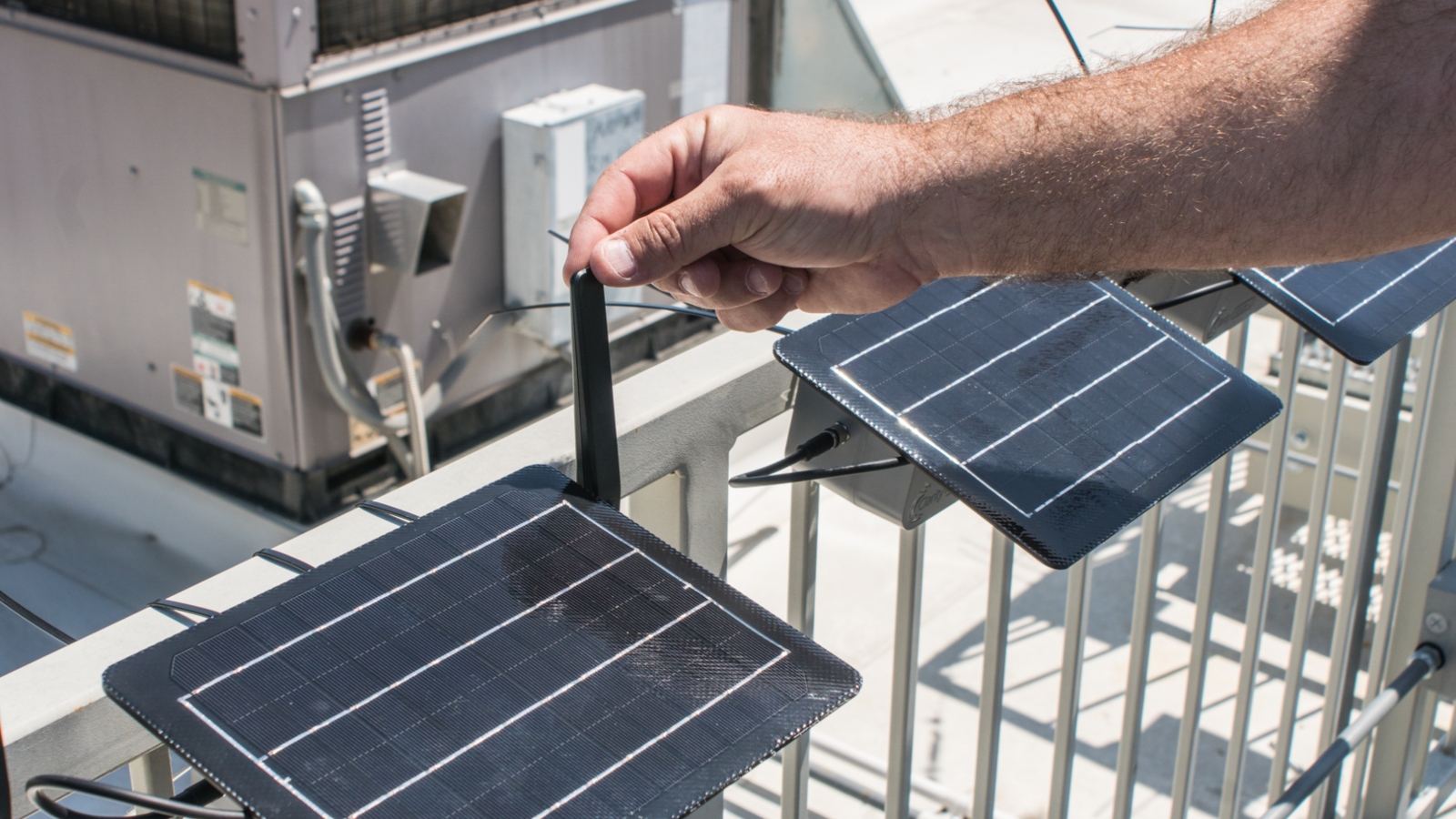
The industry’s push to restrict monitoring is often framed under the guise of "data reliability." Trade organizations, including the American Chemistry Council (ACC), argue that uncalibrated, low-cost sensors can lead to the spread of misinformation and unfairly expose companies to litigation based on inaccurate readings.
However, internal communications suggest that the motivation may be more strategic than purely scientific. In West Virginia, when legislators attempted to craft a compromise bill that would have allowed for the use of community data provided it met manufacturer-specified standards, the industry balked. Emails obtained from representatives at the chemical giant Chemours revealed a concern that such a compromise would "essentially codify" the very oversight they were attempting to prevent. Industry leaders described the compromised legislation as "toothless" and expressed clear intent to avoid any regulatory framework that empowered community-collected data.
The financial influence behind these efforts is substantial. The American Chemistry Council, for instance, spent over $22 million on lobbying efforts in 2024 alone. These resources have been deployed to secure exemptions from EPA regulations, including those intended to reduce toxic emissions at chemical plants. Following the change in presidential administrations, the EPA has granted dozens of exemptions to petrochemical facilities, further weakening the regulatory environment that had previously forced companies to implement fenceline monitoring.
The Human Cost: Case Studies in Exposure
The consequences of this monitoring decline are not merely theoretical; they are reflected in the lives of residents like Donna Ballinger in Middletown, Ohio. Living hundreds of feet from a steel manufacturing plant, Ballinger has experienced firsthand the accumulation of industrial pollutants on her property. Despite her efforts to document the air quality in her yard using a private monitor, the recent legislative changes in Ohio have made it impossible for that data to be used as evidence in nuisance claims.
Similarly, in the corridor between Baton Rouge and New Orleans, residents like Reonda Victor face an uncertain future. Living in a region where industrial flares are a nightly fixture and cancer rates are a persistent cause for alarm, Victor describes a profound sense of helplessness. The closest public monitor to her residence tests only for lead, ignoring the complex cocktail of volatile organic compounds that permeate the local air. For families grappling with clusters of illnesses, the lack of data is not just an administrative oversight—it is a barrier to understanding the origins of their health crises.
Broader Implications and Future Outlook
The systemic dismantling of independent air monitoring capabilities has broad implications for environmental justice and public health. When state and federal regulators prioritize industry-friendly standards over the inclusion of community-based data, they create a "blind spot" in the regulatory process.
The success of past initiatives, such as the EPA’s 2018 requirement for refineries to monitor benzene at their fencelines, demonstrates that transparency is a powerful tool for pollution reduction. Following the implementation of that rule, benzene levels at those facilities dropped by half in just five years. Conversely, by restricting the use of data, states are essentially removing the "early-warning system" that allowed for such improvements.
As the climate changes, the necessity for robust air monitoring is only increasing. More frequent wildfire smoke events, the expansion of energy-intensive data centers, and the rise of heat waves—which exacerbate ground-level ozone—all demand more data, not less. Without a concerted effort to expand public monitoring and protect the rights of communities to collect their own data, the United States risks creating a permanent underclass of citizens whose exposure to toxins is invisible, unmeasured, and legally defensible by those causing it.
The battle over air monitoring is fundamentally a battle over the right to know. As the legislative trend favoring industry continues, the gap between the air people breathe and the air that is reported by officials continues to widen, leaving many to wonder if the protections afforded by the Clean Air Act have been effectively hollowed out in favor of corporate shielding.

