
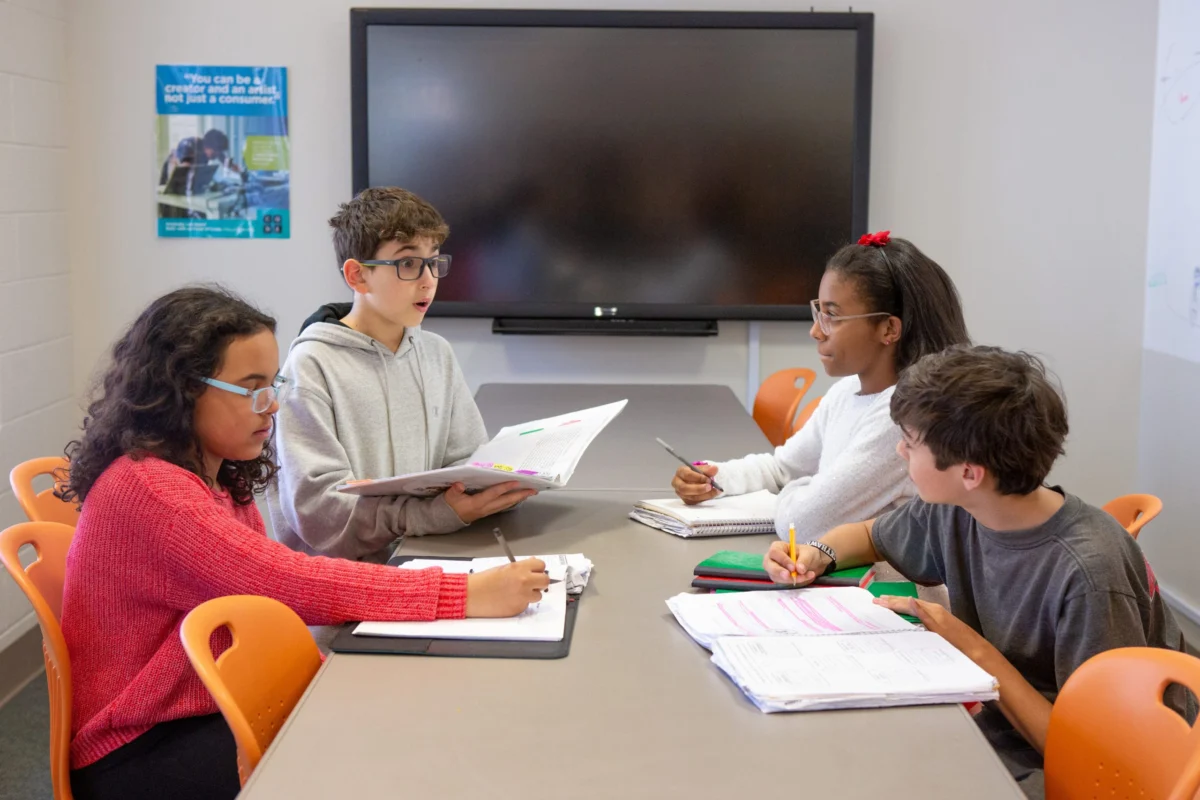
The discourse surrounding artificial intelligence and the future of the workforce has undergone a fundamental transformation. For years, the prevailing narrative focused almost exclusively on the threat of displacement—a zero-sum game where machines inevitably replaced human labor. However, as generative AI and automated systems become deeply embedded in the professional landscape, the conversation has pivoted. Today, the most effective strategy for "AI-proofing" the next generation of workers is not to compete with machines on processing power, but to double down on the uniquely human competencies that technology cannot replicate.
The Evolution of the Skills Gap
The shift in employer demand is no longer theoretical; it is reflected in the most recent hiring data. A comprehensive study by PwC examining the impact of AI on various sectors revealed that when organizations integrate AI tools into their workflows, the resulting job descriptions are more than twice as likely to prioritize human-centric strengths—specifically empathy, complex judgment, and creative problem-solving.
This trend is particularly pronounced at the entry level. Contrary to the assumption that junior employees are the most vulnerable to automation, the data suggests that these roles are evolving to require higher-order cognitive skills. Junior positions with high AI exposure are seven times more likely than their less-exposed counterparts to mandate proficiency in strategic thinking and leadership. Historically, these attributes were reserved for senior management; now, they are becoming essential baseline requirements for those just beginning their careers.
This transition marks a departure from the "soft skills" label that has historically trivialized communication, critical thinking, and collaboration. In the current economic climate, these are better defined as "durable skills"—capabilities that retain their utility regardless of technological advancements or changes in job titles.
Chronology of a Shifting Labor Market
The urgency of this transition can be traced through the following timeline:
- 2015–2018 (The Dawn of Automation Anxiety): Public discourse was dominated by fears of mass unemployment due to robotics and rudimentary machine learning. Education systems began discussing STEM literacy as the sole solution.
- 2019–2022 (The Integration Phase): As AI tools moved from research labs into the enterprise, employers began to notice that while AI could produce output, it frequently lacked accuracy and nuance. The "AI tax" on productivity—the time spent correcting AI errors—became a significant operational cost.
- 2023–2024 (The Recognition of Durable Skills): Major research firms, including Lightcast and America Succeeds, began publishing findings highlighting that 76% of job postings now require at least one durable skill. Eight of the top ten requested skills were identified as human-centric rather than technical.
- 2025 (The Strategic Pivot): Educational frameworks, such as "Portrait of a Graduate" initiatives, began gaining traction in over 20 states, signaling a shift in policy to integrate non-cognitive skills into K-12 curricula.
The Hidden Cost of AI: The Productivity Tax
The promise of AI to save time is frequently tempered by the reality of human oversight. Recent research conducted by Workday found that while employees successfully use AI to accelerate workflows, they lose nearly 40% of those time savings to the "AI tax"—a process of auditing, verifying, and refining low-quality or hallucinated content generated by automated systems.
This "tax" highlights a critical flaw in the assumption that AI eliminates the need for human thought. In practice, technology has merely shifted the burden of cognitive labor downstream. The person tasked with catching an AI’s mistake must possess the very skills—critical thinking, domain knowledge, and skepticism—that schools are currently struggling to teach effectively. Consequently, the ability to act as an editor and ethical auditor of AI output is becoming a primary job requirement for the modern knowledge worker.
Bridging the Classroom-to-Career Divide
For students currently navigating the K-12 system, the disconnect between algebra, literature, and the abstract requirements of the future workforce can be disorienting. Educators are tasked with the challenge of moving beyond static curriculum standards to incorporate dynamic, durable skill development.

"Durable skills should not be treated as a competitive initiative that takes time away from math or science," says Sari Factor, vice chair and chief strategy officer at Imagine Learning. "Rather, they are the medium through which academic knowledge is transformed into genuine understanding. You cannot master a complex scientific experiment without the ability to collaborate on a team, communicate your findings, or critically evaluate competing data sets."
Policy and Institutional Responses
In response to these findings, more than 20 states have adopted "Portrait of a Graduate" frameworks. These initiatives are designed to codify the specific human skills—such as resilience, civic engagement, and cross-functional communication—that students must demonstrate before graduation.
However, the implementation of these frameworks remains uneven. Educators note that while the strategic plans exist, the structural constraints of the classroom—standardized testing, rigid scheduling, and traditional grading—often act as barriers to teaching these competencies.
To bridge this gap, experts suggest several systemic adjustments:
- Curricular Integration: Instead of adding new subjects, schools should embed durable skill demonstrations into existing coursework. For example, history assignments should require students to debate competing primary source evidence, thereby practicing critical thinking.
- Visible Assessment: Schools should move toward evaluating curated portfolios of student work. By comparing and calibrating evidence of "critical thinking" or "collaboration" across grade levels, teachers can provide students with a clear roadmap of their own progress.
- Community-School Partnerships: Local employers are urged to engage with schools to demystify the skills required in the modern workplace. By providing mentorships and hands-on programs, companies can help students visualize how their classroom efforts map onto future career opportunities.
Analysis: The Imperative for Educational Equity
The implications of this shift are profound for educational equity. If durable skills become the gatekeepers to high-quality employment, it is imperative that they are taught in every classroom, not just those in well-resourced districts. Failing to provide students with the ability to navigate an AI-driven economy will only exacerbate existing socioeconomic disparities.
The demand for these skills is not a passing trend but a structural evolution of the labor market. As AI continues to commoditize technical output, the value of human judgment, empathy, and collaborative intelligence will continue to rise.
Conclusion: The Future of Work
The goal of modern education is no longer to provide students with a static set of facts that will be obsolete within a decade. Instead, it is to provide them with the cognitive architecture to navigate uncertainty. We cannot predict the specific software or AI models that will be in use ten years from now. We can, however, predict that the ability to think clearly, communicate persuasively, and work effectively with others will remain the fundamental building blocks of professional success.
AI did not create the need for these human skills; it merely made the absence of them impossible to ignore. As the workforce continues to evolve, the distinction between a successful candidate and one left behind will be defined by their ability to master the human element in an increasingly automated world. The onus is now on educators, policymakers, and business leaders to align their efforts to ensure that the next generation is not just AI-literate, but human-capable.

