

Climate activists across the United States entered this month’s midterm elections with significant momentum, successfully backing progressive candidates who centered their platforms on the escalating cost of living and the burden of high utility bills. From congressional races to local mayoral contests, candidates who promised relief from the rising expenses associated with investor-owned utilities (IOUs) saw a wave of support. Yet, despite this broader trend of economic populism, two specific community-led initiatives aimed at fundamentally restructuring the power sector—Ann Arbor, Michigan, and Kitsap County, Washington—failed to gain the necessary approval from voters. These twin defeats offer a sobering look at the 21st-century reality of municipalization, where the dream of local energy control faces a billion-dollar wall of corporate opposition and complex logistical hurdles.
The core of both campaigns was a simple, yet ambitious, proposition: replace for-profit, shareholder-beholden utility companies with publicly owned, community-run agencies. Proponents argued that public utilities, which are traditionally accountable to local elected boards rather than distant stockholders, would prioritize grid reliability and the rapid transition to renewable energy over corporate profit margins. Historically, data supports the assertion that public power districts often provide lower rates and more consistent service. However, in both Kitsap and Ann Arbor, the initiatives collapsed under the weight of well-funded, highly coordinated opposition campaigns that successfully framed the transitions as fiscally irresponsible and technically unfeasible.
A Changing Landscape: The 21st-Century Hurdle
The movement for public power is not new; it is deeply rooted in the American experience of the 1930s. During the New Deal era, the federal government actively encouraged the creation of public utility districts (PUDs) to electrify rural and underserved communities. At that time, establishing a public utility often meant building a new electrical grid from scratch to bring light to the dark corners of the nation.
Today, the challenge is fundamentally different and significantly more combative. Modern municipalization requires a city or county to purchase existing infrastructure—poles, wires, transformers, and substations—from the incumbent for-profit utility. This process is rarely a voluntary sale; it is often a protracted, hostile negotiation that can lead to years of litigation. Private utilities, such as Puget Sound Energy (PSE) in Washington and DTE Energy in Michigan, have a fiduciary responsibility to their shareholders to defend their assets, leading to massive campaign spending against any effort to dismantle their local monopolies.
Chronology of the 2026 Ballot Fights
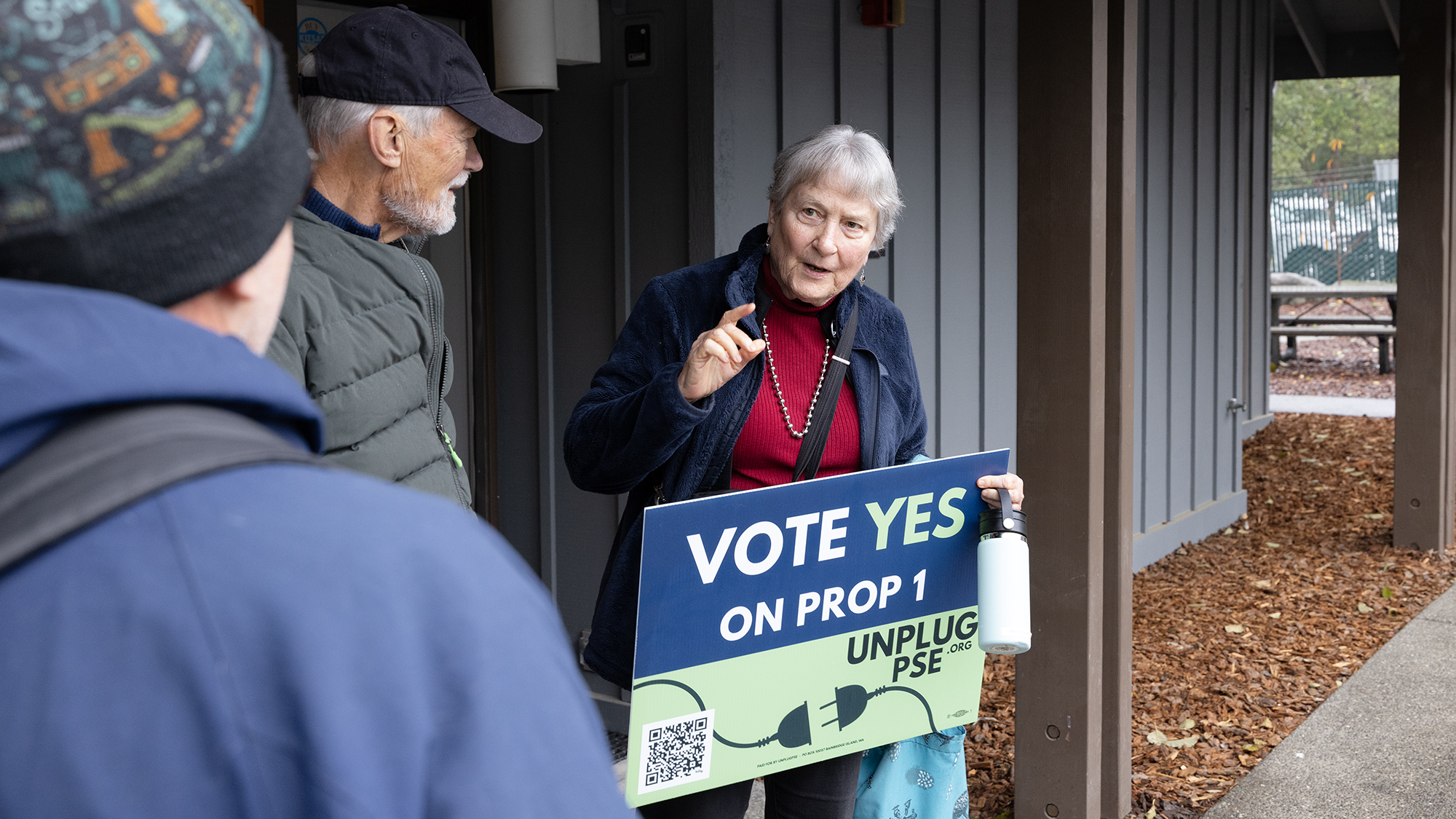
The path to the recent ballot box was paved with years of frustration. In Kitsap County, Washington, the push for public power has been dormant since the 1940s, when a WWII-era effort to establish a PUD expired. The modern movement gained steam as residents witnessed their power bills nearly double over the last five years. By early 2026, as Puget Sound Energy filed for additional rate hikes totaling 32 percent by 2029, local commissioners began hearing from constituents who were struggling to choose between basic necessities and keeping the lights on. The Kitsap Public Utility District ultimately proposed a ballot measure to take over power services, though the initiative contained a critical "Achilles’ heel": it asked voters for authorization without providing a finalized, comprehensive feasibility study.
Simultaneously, in Ann Arbor, the city’s ambitious goal of reaching 100 percent renewable energy by 2030 was clashing with the slow pace of infrastructure upgrades by DTE Energy. After an initial 2024 vote to create a municipal renewable power utility—which allowed residents to opt into local solar and battery projects—advocates pushed for a more radical step: total municipalization. The proposal sought to establish a board to oversee the eventual buyout of the local grid. In both cases, the opposition was fierce. PSE and DTE Energy poured a combined $4.1 million into their respective local opposition campaigns, utilizing nearly identical messaging. Terms like "too costly," "too risky," and "no plan" saturated the airwaves, yard signs, and digital advertisements, successfully planting seeds of doubt among undecided voters.
Economic Data and the Cost of Transition
The financial arguments presented by both sides highlight the volatility inherent in utility takeovers. In the Ann Arbor case, the Ann Arbor Responsible Energy Coalition argued that the city would be saddled with "a billion dollars of debt." This figure was extrapolated from the city’s own 2023 feasibility study, which estimated a total buyout cost ranging from $281 million to $1.15 billion. Without a clear plan for financing—such as the issuance of municipal bonds—voters were left to speculate on the tax implications of such a massive capital expenditure.
The precedent of Jefferson County, Washington, serves as both an inspiration and a cautionary tale. In 2008, the county successfully voted to form its own PUD. The transition, however, was marred by a contentious valuation dispute. Puget Sound Energy initially demanded $109 million for its assets—more than double their assessed value. It took years of regulatory and legal intervention before the company was eventually ordered to return $53 million in overcharged proceeds to ratepayers. This history of high-cost litigation served as a potent weapon for the opposition in Kitsap County, who warned voters that a similar "eminent domain fight" was inevitable.
Official Responses and Stakeholder Perspectives
Representatives from the incumbent utilities maintain that their rates are justified by the rising demand for electricity, the high cost of maintaining aging infrastructure, and the immense pressure of meeting state-mandated carbon-neutrality goals. Puget Sound Energy, which currently derives roughly half of its energy from fossil fuels, noted that its transition to clean energy is a complex, capital-intensive process that requires the financial stability provided by a large-scale, for-profit model.
Conversely, advocates argue that the profit motive is the primary barrier to progress. "We could make electricity more affordable and reliable, and we could take real steps toward good climate policies," said Fiona Dunlop, a field organizer for Ann Arbor for Public Power. However, even some supporters acknowledge that the "no plan" argument resonated with the electorate. Mike Shriberg, a professor at the University of Michigan’s School for Environment and Sustainability, observed that the defeat was likely not a rejection of public power as a concept, but rather a reaction to the lack of granular, actionable detail regarding the financial and operational transition.
Broader Implications and Future Outlook
The defeat of these measures does not necessarily signal the end of the public power movement. In fact, it may be shifting toward a more tactical approach. The City Council in Milwaukee, Wisconsin, recently voted unanimously to allocate $1.35 million toward a comprehensive feasibility study regarding the takeover of We Energies. This indicates a growing trend among local governments to conduct the "due diligence" that was arguably missing from the Kitsap and Ann Arbor initiatives.

Furthermore, the political landscape is shifting in ways that may favor future attempts. In Michigan, voters overwhelmingly approved a statewide ballot measure to curb the influence of utility companies in elections, potentially limiting the ability of private firms to spend millions on local counter-campaigns in the future. Additionally, the election of municipal leaders who are openly supportive of public power suggests that the legislative groundwork for future feasibility studies is being laid.
The "Herculean" nature of modern municipalization cannot be overstated. As regional power grids become more interconnected and the demand for electricity grows due to the electrification of transportation and heating, the risks associated with grid management are escalating. Proponents of public power argue that the inherent instability of the current, profit-driven model will eventually force a reckoning, making the transition to public control an inevitability rather than a choice.
As of late 2026, the status quo remains, but the underlying tensions—high rates, climate urgency, and the desire for local control—remain unresolved. Whether through better-planned ballot initiatives or increased regulatory oversight, the debate over who should own and operate the infrastructure that powers American life is likely to intensify in the coming years. The lessons from Kitsap and Ann Arbor are clear: while public sentiment may be moving in favor of community-led energy, success will require more than ideological support—it will require a level of financial and operational certainty that can withstand the intense scrutiny of a well-funded opposition.

