
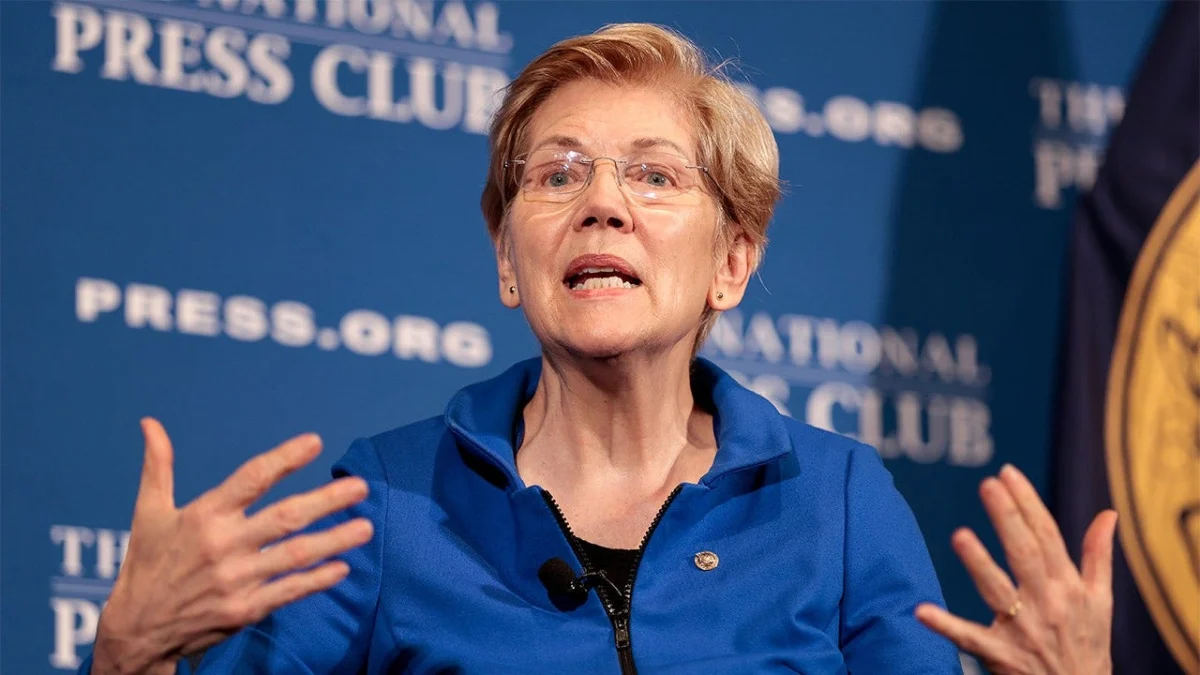
Senator Elizabeth Warren (D-Mass.), a prominent figure on the progressive left, is facing renewed conservative criticism following her endorsement of Abdul El-Sayed, a Michigan Senate candidate, ahead of the state’s August Democratic primary. This latest endorsement, championed by Warren as a vote for a candidate committed to fundamental campaign finance and healthcare reform, has reignited a broader debate within the Democratic Party regarding electability versus ideological purity, while drawing fierce condemnation from Republican quarters who view her choices as detrimental to the party’s electoral prospects.
The El-Sayed Endorsement and Immediate Conservative Reactions
Senator Warren publicly backed Abdul El-Sayed, a physician and former director of the Detroit Health Department, in the Michigan Senate race. El-Sayed is campaigning on a platform that emphasizes universal healthcare, environmental justice, and a strong stance against corporate money in politics. Warren articulated her support on X (formerly Twitter), stating, "Abdul is the only candidate in this race not taking corporate money, and he’s fighting to get money out of politics altogether. Abdul’s studied to be a doctor, and he is fighting for every single American to have affordable, high-quality healthcare." This endorsement aligns with Warren’s long-standing advocacy for progressive economic policies and campaign finance reform, hallmarks of her political identity.
However, the endorsement was met with immediate and sharp criticism from conservative voices. Natalie Baldassarre, National Press Secretary for the Republican National Committee (RNC), launched a scathing critique, telling Fox News Digital, "After Graham Platner’s implosion, Warren’s endorsement should be viewed as a kiss of death by any Democrat who actually wants to win. Pocahontas clearly has not learned her lesson with toxic socialist candidates and by shamelessly endorsing El-Sayed continues to drag her party straight into electoral oblivion." Baldassarre’s use of the derogatory nickname "Pocahontas" references historical controversies surrounding Warren’s claims of Native American ancestry, a point of contention often used by conservative critics. The RNC’s strong language underscores a perceived vulnerability of the Democratic Party when it aligns with candidates advocating for policies deemed "socialist" by the right, particularly in competitive races.
A Pattern of Controversy: The Graham Platner Precedent
The RNC’s criticism explicitly linked the El-Sayed endorsement to a prior, highly controversial endorsement by Senator Warren: Graham Platner. Platner, a candidate for an unspecified race (implied to be a Senate race based on other endorsements in the article), had previously received Warren’s enthusiastic backing, with the Massachusetts Democrat calling him "my kind of man" during his campaign. This endorsement, however, quickly unraveled amid a series of damaging revelations. Platner faced a serious rape allegation, which he denied. Concurrently, he drew widespread condemnation for a chest tattoo that bore a resemblance to a Nazi-era symbol. While Platner later apologized for the tattoo and had it covered, the dual controversies proved insurmountable, leading to his withdrawal from the race.
The Platner saga serves as a critical backdrop to the current criticism surrounding El-Sayed. For conservatives, it exemplifies a perceived lack of judgment or an ideological blind spot on Warren’s part, suggesting that her progressive principles lead her to endorse candidates who are ultimately unviable or deeply flawed. The Republican Jewish Coalition (RJC) echoed this sentiment, posting on X, "From the same person who said Nazi Tattoo-wearing Graham Platner was ‘My kind of man’ before dropping out in disgrace. Elizabeth Warren is a complete and total joke." This public record provides ammunition for critics to argue that Warren’s endorsements carry a significant political risk, potentially undermining the broader Democratic effort to secure key electoral victories.
Warren’s Progressive Stance and Ideological Context
Senator Elizabeth Warren has consistently positioned herself as one of the most progressive voices in the U.S. Senate since her election in 2012. Her career has been defined by a relentless focus on consumer protection, economic inequality, and holding corporate power accountable. She rose to national prominence as a critic of the financial industry and played a key role in establishing the Consumer Financial Protection Bureau (CFPB). Her policy proposals often include wealth taxes, universal healthcare, free college tuition, and aggressive climate action – policies frequently labeled as "socialist" or "democratic socialist" by conservatives.
The growing traction of democratic socialist ideas within some segments of the Democratic electorate, particularly among younger voters and urban progressives, reflects a broader shift in the party’s ideological center of gravity since figures like Bernie Sanders gained prominence. While these ideas resonate with Warren’s base and invigorate the left flank of the party, they simultaneously present a challenge for the party’s overall electability in more moderate or swing districts. Critics argue that embracing such candidates, especially in crucial statewide races like Michigan, could alienate centrist voters and independents who are wary of radical policy shifts. Warren’s consistent championing of these policies and candidates underscores her commitment to pushing the Democratic Party further left, even if it entails internal friction and external conservative attacks.
Broader Track Record of Endorsements and Perceived "Kiss of Death"
The criticism leveled against Warren’s endorsement of El-Sayed extends beyond the Platner incident to a broader pattern of unsuccessful primary endorsements in the current election cycle. Critics point to several other candidates Warren has backed who ultimately failed to secure their party’s nomination or withdrew from their races. These include:
- Katie Porter: Endorsed by Warren in California’s gubernatorial race, Porter ultimately lost her primary. While Porter herself is a prominent progressive, her inability to advance to the general election is cited as another example of a Warren-backed candidate falling short.
- Mallory McMorrow: Warren endorsed McMorrow in another Michigan Senate race. However, McMorrow suspended her campaign before Michigan voters even cast their primary ballots, making her endorsement effectively moot.
- Zach Wahls: In Iowa’s Senate race, Wahls, another progressive candidate supported by Warren, also lost his primary bid.
This string of primary defeats and withdrawals for Warren-endorsed candidates lends credence to the conservative assertion that her backing might be a "kiss of death" rather than a significant boost. Robby Soave, a conservative commentator, bluntly stated, "The kiss of death. Now he’s doomed," reflecting a common sentiment among Warren’s critics. While endorsements from national figures are not always determinative in local or state primary races, a consistent pattern of losses among endorsed candidates can diminish the perceived influence of the endorser and fuel narratives of political misjudgment.
Deepening the Criticisms: Israel, Campaign Finance, and Law Enforcement
Beyond the general "socialist" label and the track record of endorsements, specific criticisms have been leveled against Abdul El-Sayed that further fuel the conservative backlash. His views on Israel and past statements regarding law enforcement have become particular flashpoints. While the article does not detail El-Sayed’s specific stances on Israel, conservative critics have frequently scrutinized progressive candidates for what they perceive as anti-Israel positions or sympathies towards Palestinian causes, particularly in the context of broader U.S. foreign policy debates.
Former U.S. Ambassador to Israel David Friedman directly challenged Warren’s rationale for endorsing El-Sayed based on his rejection of corporate money. Friedman posted on X, "You say that taking ‘corporate money’ is forbidden but you are OK with him taking Super PAC contributions from radical Islamists." This accusation, while requiring specific evidence not provided in the original article, highlights a critical line of attack: questioning the source of El-Sayed’s campaign funds and attempting to link them to "radical" elements, particularly in the context of foreign policy. Such criticisms aim to paint El-Sayed as outside the mainstream and politically dangerous.
Furthermore, El-Sayed has faced scrutiny over his past positions on "defunding the police." The Fox News Digital article highlighted that he "dodges question on whether he still supports defunding the police," indicating that this issue remains a point of vulnerability. The "defund the police" movement, which gained traction after racial justice protests, has been a significant political liability for many Democrats, particularly in general elections, as Republicans successfully frame it as an extreme and unsafe policy. For conservatives, a candidate’s perceived ambiguity or past support for such policies is another reason to attack both the candidate and their high-profile endorsers like Warren. Fox News Contributor Paul Mauro encapsulated this sentiment, writing, "The hate America Red/Green alliance, embodied," a phrase that seeks to conflate progressive domestic policies with foreign policy positions deemed hostile to American interests by conservative critics.
The Internal Democratic Divide: Electability vs. Ideology
The controversy surrounding Warren’s endorsements underscores a persistent tension within the Democratic Party between its progressive and moderate wings. While Warren and her allies believe that embracing bold progressive policies and candidates is essential to energize the base and address systemic issues, many centrist Democrats and party strategists prioritize electability, especially in competitive "must-win" races. The implied tension with Senator Chuck Schumer, the Senate Majority Leader, highlighted by the Fox News headline "WARREN DEFIES SCHUMER AS DEM CIVIL WAR EXPLODES OVER MUST-WIN SENATE RACE," suggests a broader concern within the party leadership about the viability of some progressive candidates in general elections.
Moderate Democrats often express worries that candidates who are too far to the left on issues like "socialism," defunding the police, or foreign policy might struggle to win over independent and swing voters, particularly in states like Michigan. They fear that supporting ideologically pure candidates in primaries could lead to losing winnable seats to Republicans in the general election. Warren’s continued backing of such candidates, despite their controversial pasts or perceived electability challenges, can be interpreted as a defiance of this more cautious, pragmatic approach, further exacerbating internal "civil war" dynamics within the party. This ongoing debate reflects a fundamental strategic disagreement about the best path forward for the Democratic Party to build and maintain power.
Implications for the Michigan Senate Race and Beyond
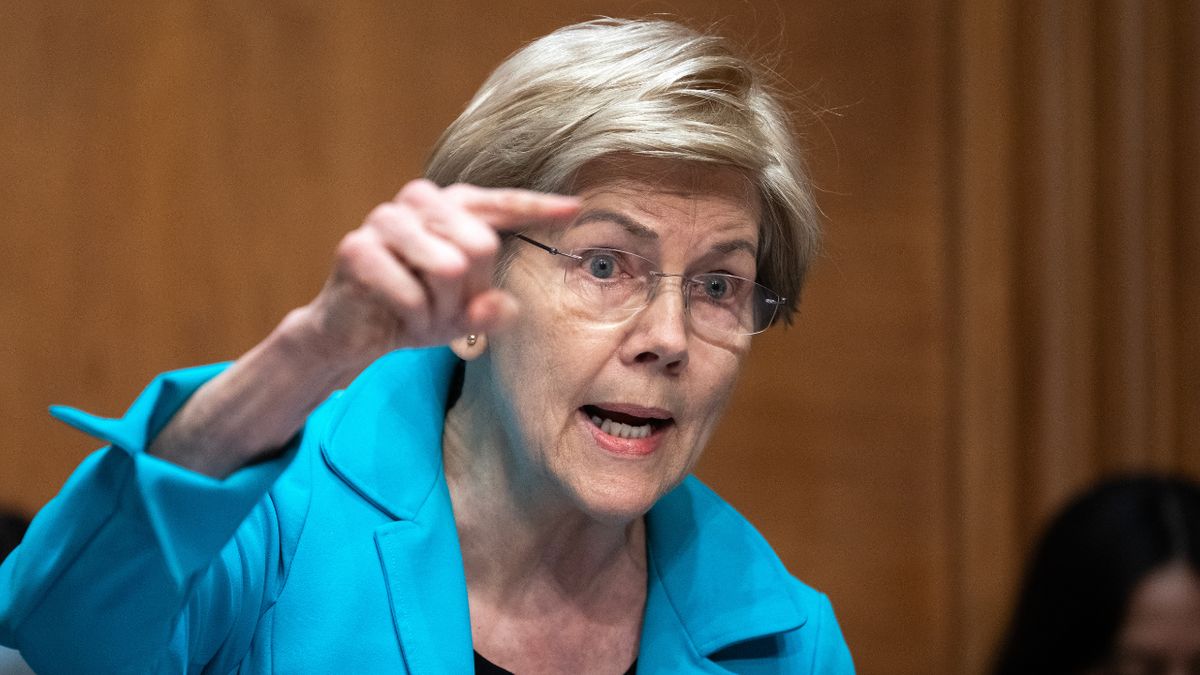
The immediate implication of this controversy is its potential impact on Abdul El-Sayed’s primary campaign in Michigan. While an endorsement from a national figure like Elizabeth Warren can bring national attention and fundraising opportunities, the accompanying conservative backlash can also galvanize opposition and provide negative talking points for his primary opponents and, if he wins, his general election rival. The intense scrutiny over his policy positions and campaign funding will likely continue, potentially forcing him to clarify or defend his stances more vigorously.
Looking beyond the Michigan primary, this situation has broader implications for the progressive movement and its electoral strategy. If El-Sayed, or other Warren-backed candidates, continue to face challenges, it could intensify the debate about the effectiveness of highly ideological endorsements in securing electoral victories. It may lead to a re-evaluation of whether a focus on "purity tests" for progressive candidates is ultimately beneficial or detrimental to the party’s overall goal of winning elections. Conversely, if a progressive candidate endorsed by Warren were to achieve a significant victory, it could empower the progressive wing and validate their strategy, despite the conservative attacks.
The ongoing public discourse, heavily amplified by social media platforms like X, plays a crucial role in shaping perceptions. The swift, often vitriolic, reactions from conservative commentators and organizations underscore how quickly political narratives can be formed and disseminated, making it challenging for candidates and their endorsers to control the messaging. This environment ensures that the debate over Senator Warren’s endorsements, and the broader ideological direction of the Democratic Party, will remain a focal point of political discussion as the election cycle progresses.
Conclusion
Senator Elizabeth Warren’s latest endorsement of Abdul El-Sayed for the Michigan Senate race has once again placed her at the center of a contentious political debate. While Warren champions candidates who embody her progressive ideals and push for significant reforms, conservative critics are quick to seize upon these endorsements, leveraging past controversies and ideological differences to paint her choices as politically toxic and ultimately detrimental to the Democratic Party’s electoral success. The "kiss of death" narrative, fueled by a track record of unsuccessful endorsements and highly publicized gaffes like the Graham Platner incident, highlights the deep partisan divide and the ongoing internal struggle within the Democratic Party regarding its identity and strategic path forward. As the Michigan primary approaches and the broader election cycle unfolds, the impact of such high-profile progressive endorsements will continue to be a closely watched indicator of the Democratic Party’s direction and its ability to balance ideological fervor with the imperative of electability.

