
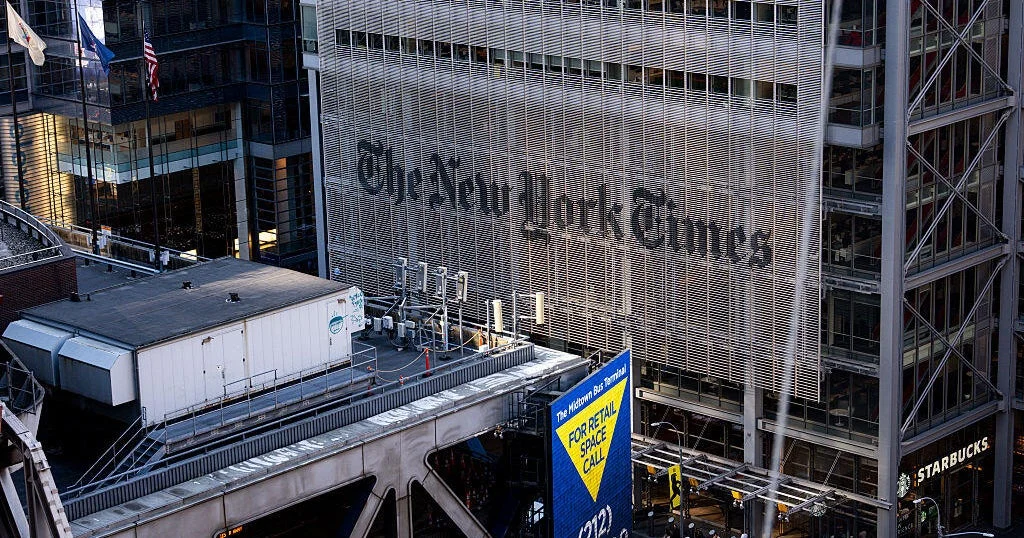
The U.S. Justice Department, in an aggressive bid to unmask confidential sources who provided information to The New York Times for its reporting on the security systems of a Qatar-donated Air Force One plane, extended its investigative reach to include the phone records of several Times journalists and their immediate family members. This unprecedented expansion of a grand jury subpoena campaign has ignited a fierce legal battle, with the venerable news organization accusing the government of "abusive and improper" tactics aimed at intimidating reporters and chilling essential investigative journalism.
The Genesis of the Controversy: Air Force One Security Concerns
The core of the dispute centers on The New York Times’ reporting earlier this month concerning the new presidential aircraft, a Boeing 747-8, which was gifted to the U.S. by Qatar’s royal family last year. After approximately ten months of modifications, President Trump first flew on the new plane on July 1. However, during a NATO summit in Ankara, Turkey, questions reportedly arose regarding the jet’s defensive military capabilities. The Times and CBS News both reported that the Secret Service had advised President Trump to use the older presidential aircraft for his departure from Turkey, citing concerns about the new plane’s security features.
U.S. officials, speaking anonymously due to the sensitive nature of the information, indicated that the new plane had been rushed into service and lacked certain desired security protocols. A former U.S. government official further articulated concerns to CBS News, suggesting that insufficient time and resources had been allocated to fully equip the aircraft with the necessary defensive capabilities required for its role as Air Force One. This revelation sparked a national debate about presidential safety, national security, and the transparency of government operations.
Initially, President Trump and the White House vehemently denied any security deficiencies with the new jet. President Trump himself dismissed questions about credible threats from Iran, stating, "I have a threat all the time. I’m No. 1 on their list." White House spokesman Steven Cheung affirmed in a statement that the new plane "is a state-of-the-art aircraft that has been fitted with high-level security protocols that ensure the safety of the President and his staff." However, this narrative shifted significantly. On Monday morning, White House press secretary Karoline Leavitt confirmed that President Trump would temporarily revert to using the older Air Force One while the new plane underwent "additional upgrades and enhancements" projected to take approximately one month to complete. This concession implicitly acknowledged the underlying security concerns that the administration had previously downplayed. On Sunday, President Trump elaborated, stating the plane would be "maxed out" after the upgrades.
The circumstances surrounding the plane’s acquisition and subsequent security questions also drew criticism from lawmakers, who raised both security and ethics concerns about accepting such a significant gift from a foreign entity. The precise details of the modifications and the full extent of the initial security gaps remain classified, fueling the controversy and the government’s apparent determination to uncover the sources of the leaks.
Escalating Legal Pressure: The DOJ’s Subpoena Campaign
The Justice Department’s efforts to identify the confidential sources intensified dramatically following The New York Times’ initial reporting. The newspaper disclosed earlier this month that several of its journalists received grand jury subpoenas on the same day it first published its findings regarding the Secret Service’s advice on the presidential aircraft. These initial subpoenas were broad, not alleging specific wrongdoing but merely stating that the reporters were required to testify "in regard to an alleged violation of federal criminal law" before a federal grand jury in Manhattan. The subpoenas sought to compel the journalists to appear last week.
Adding another layer of political sensitivity, The Times identified Jay Clayton as the signatory on these subpoenas. Clayton, at the time, was President Trump’s nominee to serve as director of national intelligence, having previously served as the U.S. attorney in the Southern District of New York. The involvement of a high-profile presidential nominee in a politically charged investigation targeting the press immediately raised concerns about potential conflicts of interest and the appearance of political motivation behind the subpoenas.
The situation escalated further on Wednesday when David McCraw, The New York Times’ senior vice president and deputy general counsel, publicly announced the company’s move to quash these initial subpoenas, labeling them "abusive and improper." However, the full extent of the government’s investigative ambition became clear with subsequent court filings published by The Times on Monday. These filings revealed that the Justice Department had pursued new subpoenas directed at third-party phone service providers, seeking the phone records of the targeted journalists, and, alarmingly, their relatives. This included the spouses of two reporters and even the mother of one of the journalists.
The scope of these new subpoenas was particularly troubling to The Times‘ legal team. Lawyers for the newspaper pointed out in their filings that two of the subpoenas sought phone records dating back to January 1, months before the Times or any other news organization began reporting on the security concerns surrounding the new presidential plane. This temporal discrepancy, the lawyers argued in their letter to U.S. District Judge Arun Subramanian, strongly suggested that "the department is using this investigation not to focus on any purported concerns arising from the July 8 and 9 articles, but instead to forage for information about the journalists’ source relationships more broadly." This assertion paints a picture of an investigation potentially aimed at general intelligence gathering on journalistic sources rather than a specific national security breach.
The New York Times’ Vigorous Defense and Judicial Intervention
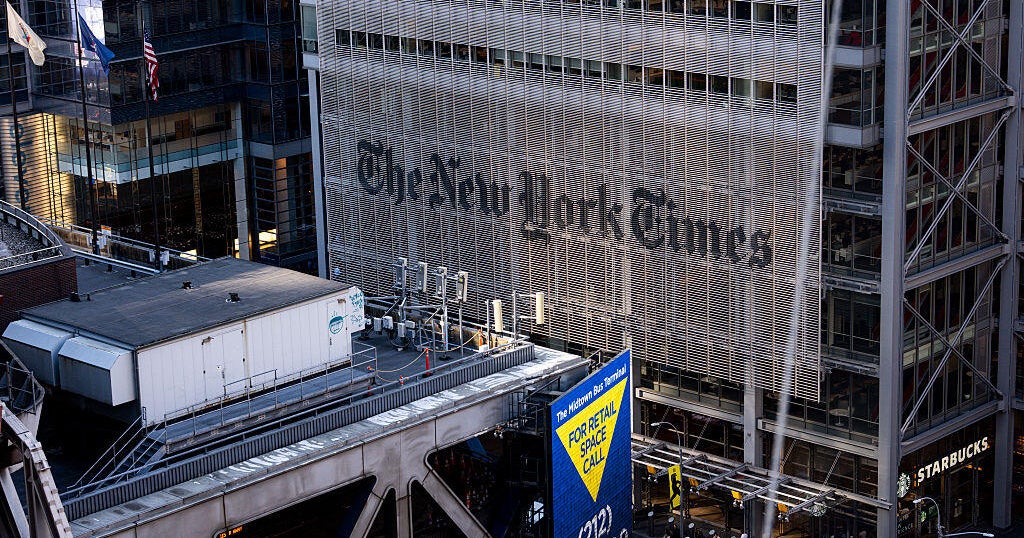
The New York Times has mounted a robust legal challenge against the Justice Department’s actions. Their lawyers contended that the government’s disclosures in the case were "deeply troubling for obvious reasons" and represented part of the Justice Department’s "bad-faith efforts to intimidate the Journalists and chill their ability to report" on President Trump’s second term. This language underscores the newspaper’s belief that the subpoenas are not merely an investigative tool but a punitive measure designed to deter future leaks and critical reporting.
A key point of contention for The Times‘ legal team is the Justice Department’s alleged violation of its own internal policies regarding subpoenas to news organizations. Federal regulations and internal DOJ guidelines, established to protect press freedom, typically require the department to notify news organizations promptly about any subpoenas seeking their records or those of their employees. The Times asserted that the Justice Department waited a full week to notify the newspaper about the phone record subpoenas, a delay that directly contravenes these established protocols. A Justice Department spokesperson, in response, issued a brief statement asserting that the DOJ subpoenas are "in full compliance with federal law and internal department policy," without elaborating on the specific allegations of delayed notification.
The legal challenge found an initial victory when U.S. District Judge Arun Subramanian, who was assigned the case, ordered the enforcement of all subpoenas to be paused. This temporary injunction will remain in effect until Judge Subramanian rules on The New York Times’ motions to quash. A hearing on the matter was scheduled for Thursday, indicating the rapid progression of this high-stakes legal confrontation. The judge’s intervention offers a crucial breathing room for The Times to argue its case against what it perceives as an overreach of government power.
DOJ Guidelines and Press Freedom Precedent
The Justice Department’s actions are being scrutinized against a backdrop of long-standing internal policies designed to balance national security interests with First Amendment protections for a free press. These guidelines, often revised after periods of controversy, typically stipulate that subpoenas for journalists’ records should be a last resort, pursued only when all other reasonable investigative avenues have been exhausted. They usually require high-level approval within the department, often from the Attorney General himself, and mandate prompt notification to the news organization, unless there are extraordinary circumstances involving imminent threats to national security that necessitate a delay.
The targeting of journalists’ family members for their phone records, as seen in this case, is particularly alarming to press freedom advocates. This tactic is rare and seen as a significant escalation that could create a chilling effect far beyond the immediate targets. It raises fears that sources, and even their indirect contacts, could be exposed, making it exceedingly difficult for journalists to cultivate the confidential relationships essential for investigative reporting, particularly on sensitive national security matters.
Historically, administrations have grappled with the tension between prosecuting leaks and upholding press freedom. The Obama administration, for instance, faced criticism for its aggressive pursuit of leak investigations, which included the subpoena of Associated Press phone records. The Trump administration similarly engaged in numerous leak investigations, often expressing hostility towards news organizations perceived as critical. This latest action against The New York Times marks a significant new chapter, pushing the boundaries of government surveillance into the personal lives of journalists’ families, a move that legal experts and civil liberties advocates view as a direct assault on the principles of a free and independent press. Organizations such as the Reporters Committee for Freedom of the Press and the Committee to Protect Journalists are expected to issue strong condemnations, emphasizing the precedent this could set for future government interactions with the media.
Broader Implications and Reactions
The ongoing legal battle carries profound implications for the future of investigative journalism and government accountability. If the Justice Department succeeds in enforcing these subpoenas, it could set a dangerous precedent, making it easier for future administrations to circumvent press freedom protections by targeting the extended networks of journalists. This "chilling effect" could deter potential whistleblowers from coming forward with information critical to the public interest, fearing not only for their own safety but also for the privacy and security of their families.
Beyond the immediate legal fight, the controversy surrounding the Air Force One security also highlights broader issues of government transparency and public trust. The initial denials by the White House regarding the new plane’s security, followed by the subsequent admission of needed "upgrades," could erode public confidence in official statements, especially on matters of national security. The Secret Service, an agency typically lauded for its impeccable protection of the President, finds itself in an unusual public spotlight regarding its advice and the adequacy of presidential transport.
Congressional reaction, though not explicitly detailed in the original reporting, would likely be divided along partisan lines. Democrats would likely voice concerns over press freedom and potential abuses of power, while Republicans might emphasize national security imperatives and the need to protect classified information. Legal scholars and constitutional experts will undoubtedly weigh in on the delicate balance between the government’s need to prevent leaks and the press’s constitutional role in informing the public, particularly when the government’s own actions appear to contradict its initial assurances.
The resolution of The New York Times’ motion before Judge Subramanian will be closely watched by news organizations, civil liberties advocates, and the public. It will serve as a critical test of the judiciary’s role in safeguarding press freedom against government overreach and will help define the boundaries of investigative power in an era of heightened political polarization and rapid information dissemination. The outcome will undoubtedly shape the landscape for how journalists protect their sources and how the government pursues leaks for years to come.

