

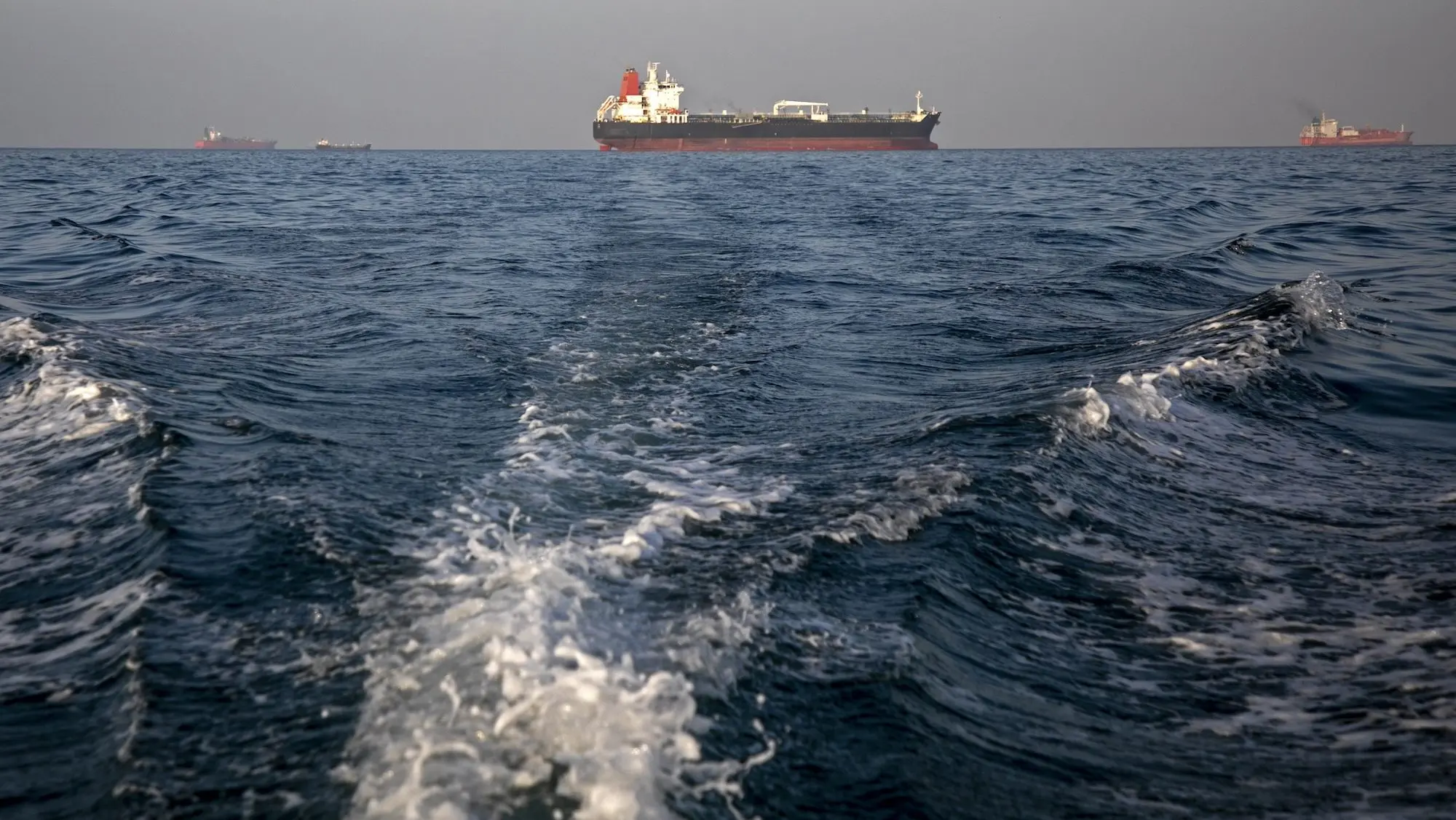
When the Strait of Hormuz first closed at the onset of the 2026 Iran war, the international community braced for what many analysts termed the largest energy crisis in human history. Before the eruption of hostilities between a joint U.S.-Israeli coalition and the Islamic Republic of Iran, the narrow waterway served as the primary artery for global commerce, with nearly 20 percent of the world’s traded oil passing through the 21-mile-wide passage between the Persian Gulf and the Gulf of Oman. Iran’s strategic blockade of the strait effectively removed 15 million barrels per day (mb/d) from global circulation overnight, creating a supply vacuum of unprecedented proportions.
In the initial weeks of the conflict, market volatility triggered a wave of dire prognostications. Financial institutions and international bodies warned of a systemic collapse of the global economy. Australia prepared for the immediate implementation of fuel rationing, while the European aviation sector signaled that mass flight cancellations were inevitable due to a lack of affordable jet fuel. Goldman Sachs cautioned that widespread oil shortages could paralyze industrial production, and the International Monetary Fund (IMF) issued a briefing suggesting a global recession was all but certain if prices reached the projected $200-per-barrel mark.
However, four months into the conflict, the catastrophic total collapse envisioned by many has yet to materialize. While the global economy remains under significant duress, a combination of aggressive strategic reserve releases, unprecedented demand-side conservation measures, and a shift in global production logistics has provided a temporary buffer. Analysts now suggest that while "Round 1" of the energy shock was mitigated by policy intervention, the recent breakdown of a June ceasefire and the onset of "Hormuz 2.0" presents a new, more precarious phase for the global market.
Chronology of the 2026 Energy Crisis
The progression of the current crisis can be categorized into distinct phases of escalation, mitigation, and renewed volatility.
Phase I: The Initial Strike and Blockade (March 2026)
The conflict began with a coordinated military operation by the United States and Israel targeting Iranian nuclear and military infrastructure. In immediate retaliation, Tehran announced the total closure of the Strait of Hormuz to all commercial traffic. Global benchmark oil prices, including Brent Crude, surged past $100 a barrel within hours.
Phase II: The International Response (Late March – April 2026)
The International Energy Agency (IEA) orchestrated a historic, coordinated release of strategic petroleum reserves (SPR). Over 30 countries participated, injecting approximately 400 million barrels into the market to offset the Iranian blockade. Simultaneously, governments across the Asia-Pacific region implemented emergency energy-saving mandates, including remote work requirements and vehicle usage restrictions.
Phase III: Supply Realignment (May 2026)
Non-OPEC+ producers, led by the United States, Norway, and Venezuela, ramped up domestic crude production to record levels. High prices incentivized a rapid shift in export destinations, with American crude flowing in record volumes to South Korean and Japanese refineries that were previously dependent on Middle Eastern grades.
Phase IV: The Failed Ceasefire (June 2026)
A brief diplomatic breakthrough occurred on June 17, when a tentative ceasefire allowed for the resumption of limited commercial shipping. Brent crude prices stabilized near $70 per barrel. However, the agreement collapsed within weeks following allegations of maritime sabotage. By July, Iran reinstated transit requirements and blockades, pushing prices back toward the $85–$95 range.
Supply-Side Mitigation: Finding Alternative Barrels
The primary reason the global economy avoided an immediate $200-per-barrel scenario was the rapid mobilization of alternative oil sources. The IEA’s release of 400 million barrels provided a critical 20-day bridge, allowing refiners time to reconfigure supply chains.
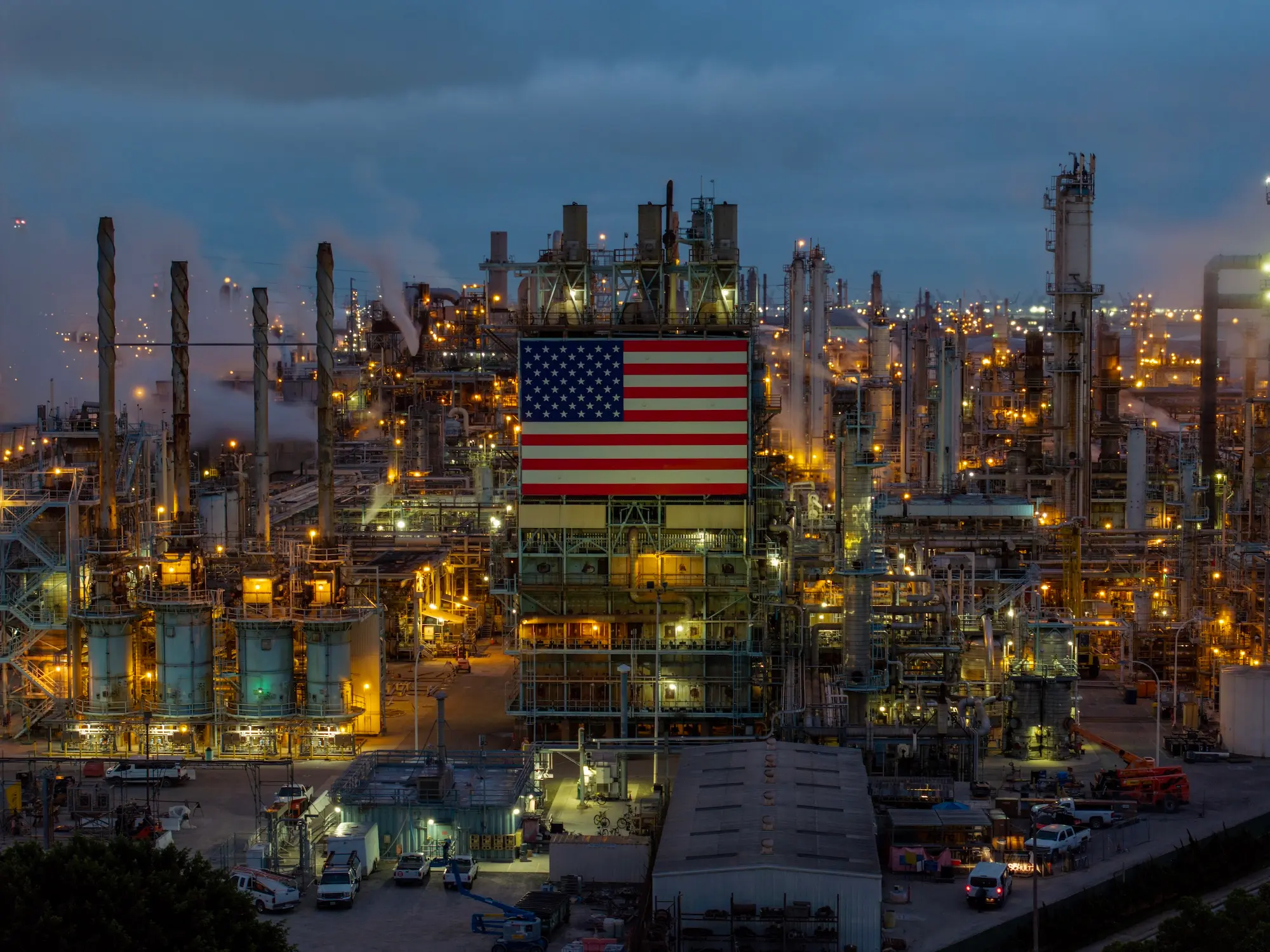
Beyond the use of reserves, the crisis forced a logistical revolution in the Middle East. Iraq and Saudi Arabia, seeking to maintain export revenues despite the closure of their primary maritime route, diverted over 6 million barrels per day through overland pipelines. These conduits, including the East-West Pipeline in Saudi Arabia, were operated at maximum capacity to deliver crude to Red Sea terminals, effectively skirting the Strait of Hormuz.
Furthermore, the United States emerged as the world’s "swing producer." Between February and April 2026, South Korea doubled its imports of U.S. crude, illustrating a massive shift in energy geopolitics. Even Venezuela, despite years of infrastructure decay, managed to increase output to capitalize on the elevated global price environment, providing heavy crude grades essential for complex refineries in the Gulf of Mexico.
China’s role in stabilizing the market was equally significant, albeit driven by domestic necessity. As the world’s largest oil importer, China responded to the war by initiating a "crash diet." Beijing halted purchases for its own strategic reserves and shuttered several domestic refineries for extended maintenance. By pivoting its power generation toward coal and domestic solar capacity, China effectively freed up an additional 5 million barrels per day for the global market, acting as a de facto cooling mechanism for international prices.
Demand-Side Strategies: The Conservation Mandate
While supply-side measures addressed the "top line" of the crisis, the most visible changes occurred in consumer behavior, particularly in Asia and Europe. More than 100 nations enacted policy steps to reduce petroleum consumption, ranging from voluntary conservation to mandatory restrictions.
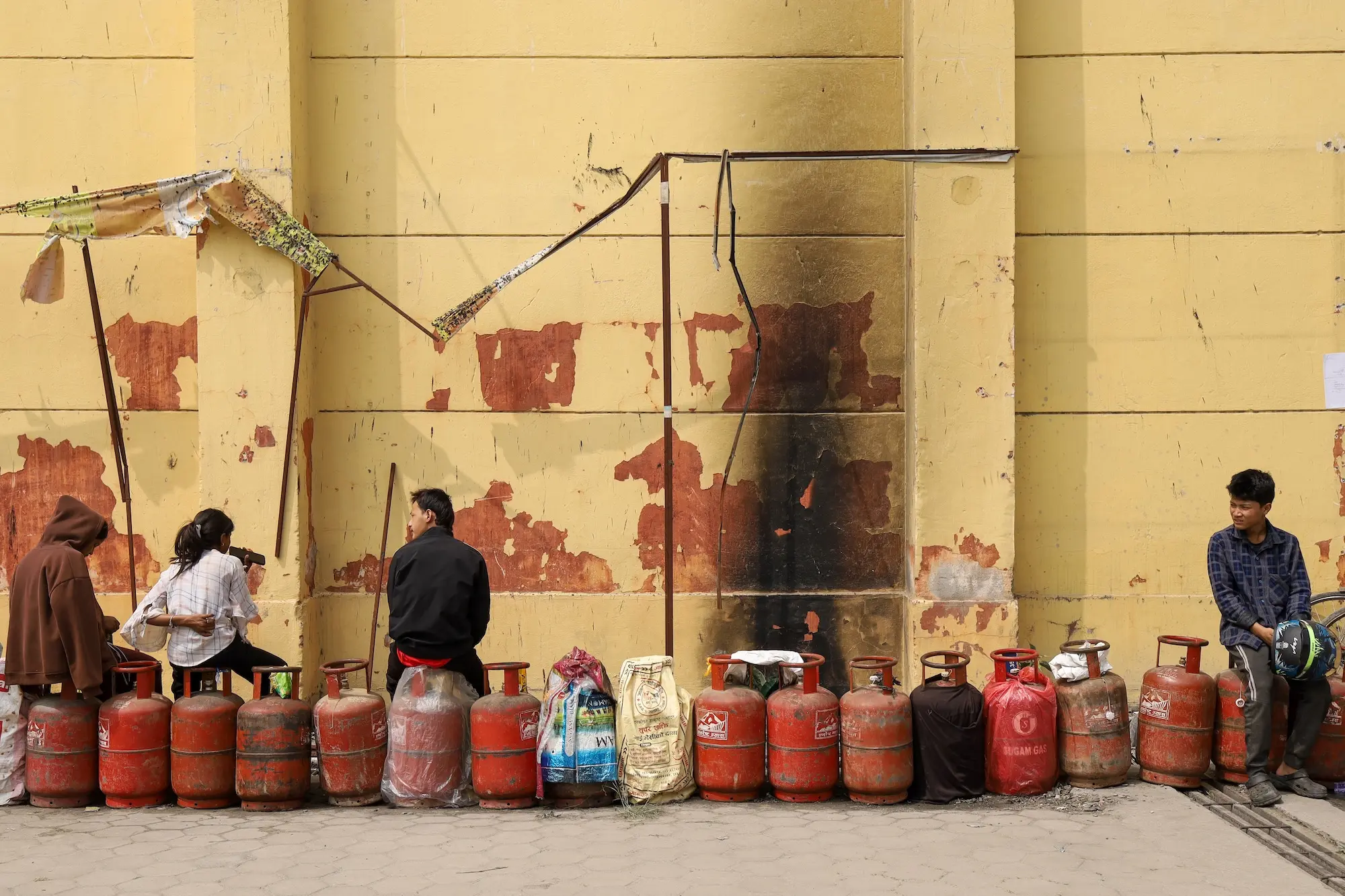
In developing nations across South and Southeast Asia, the response was swift and austere. The Philippines, Pakistan, and Sri Lanka transitioned to a four-day work week to reduce commuting demand. Myanmar implemented an "even-odd" license plate system, restricting private vehicle usage to alternating days. Bangladesh took even more drastic steps, limiting air conditioning temperatures in public buildings to 77 degrees Fahrenheit and closing university campuses to preserve the fuel required for the national power grid.
Wealthier European nations adopted market-incentive strategies. The Netherlands launched a national "Gas-for-EV" trade-in program, providing subsidies for citizens to replace internal combustion vehicles with electric alternatives. Sweden implemented a 50 percent reduction in public transit fares to discourage private car use. These measures, while costly, prevented the "demand-pull" inflation that typically follows a supply shock, allowing importers to manage the transition without the social unrest often associated with fuel rationing.
Human and Economic Consequences
Despite the success in averting a total global recession, the cost of the conflict has been unevenly distributed. In many parts of the developing world, the "oil shock" has already arrived.
In Myanmar, the spike in diesel prices effectively ended the livelihoods of thousands of taxi and delivery drivers. Reports from the region indicate that even essential services, such as funeral cremations, were suspended in some provinces due to a lack of affordable fuel.
Perhaps more concerning is the long-term impact on global food security. The production of synthetic fertilizers is highly energy-intensive, and the disruption of natural gas and sulfur shipments through Hormuz has caused fertilizer prices to skyrocket. Agricultural experts warn that the lack of affordable nutrients during the 2026 rice-planting season in Asia will lead to significantly lower harvests, potentially plunging millions into food insecurity by early 2027.
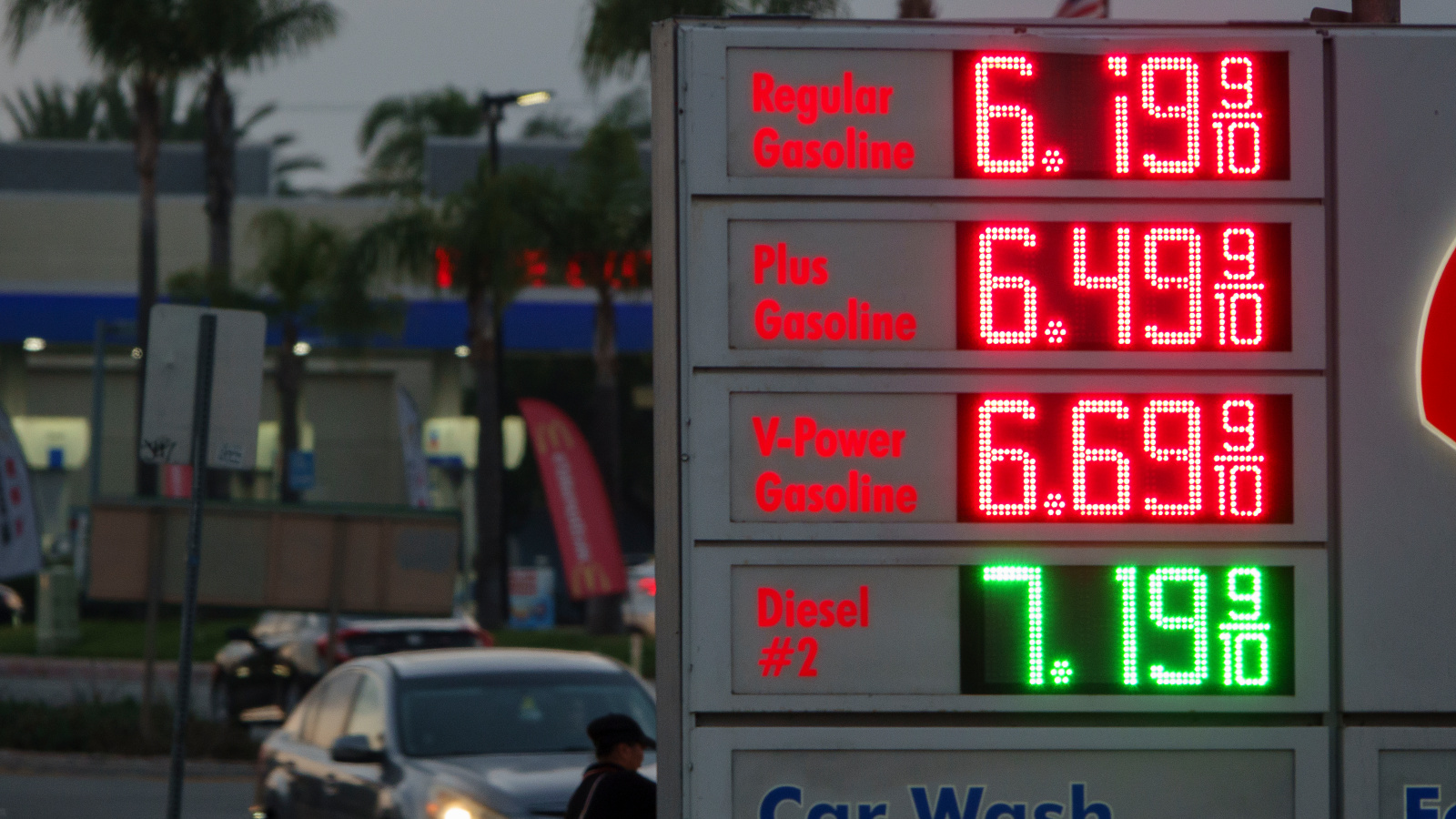
In the West, the impact has been felt through "refined product" shortages. While crude oil supply was bolstered by the SPR, global refinery capacity remained a bottleneck. To meet the urgent demand for jet fuel—essential for maintaining global logistics and military mobility—refiners reduced the production of gasoline. This shift has left U.S. gasoline inventories at a ten-year low as the country enters the peak summer driving season.
Analysis: The Threat of "Hormuz 2.0"
As the conflict enters its fifth month, energy analysts warn that the "tricks" used to stabilize the market in the first round are largely exhausted. The primary concern among experts, including Bob McNally of the Rapidan Energy Group, is that the global "buffer" has been depleted.
The U.S. Strategic Petroleum Reserve is currently at its lowest level in decades, with engineers warning that frequent draws are straining the structural integrity of the salt caverns used for storage. Simultaneously, China’s "crash diet" appears to be ending. Recent data suggests that Beijing has resumed purchasing crude for its refineries, signaling that the demand-side relief provided by China in the spring is unlikely to continue through the autumn.
"The market decided at the end of Round 1 to price for perfection," McNally noted in a recent briefing. "Instead, we’re getting Round 2. Hormuz 1.0 was about supply and inventory. In Hormuz 2.0, prices will have to do more of the work."
In economic terms, because demand for energy is "inelastic"—meaning people must consume a certain amount to survive regardless of price—the lack of a supply buffer means that any further disruptions will result in exponential price increases. If the Strait of Hormuz remains contested or closed through the end of 2026, the world may finally face the $200-per-barrel reality that it narrowly avoided in the spring.
The coming months will test whether the structural shifts toward renewable energy and the emergency conservation measures adopted by dozens of nations are enough to offset a permanent change in Middle Eastern energy logistics. For now, the global economy remains in a state of fragile equilibrium, waiting to see if diplomacy can succeed where the markets have merely managed to endure.

