
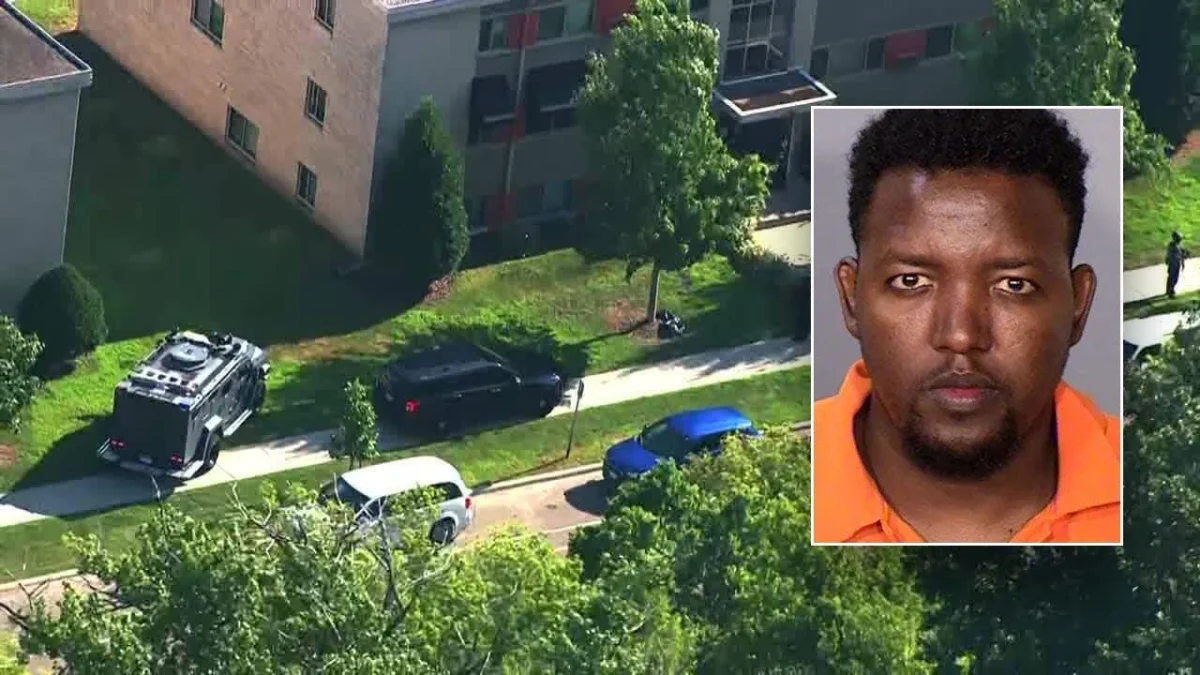
A routine dispute over a $65 monthly parking garage contract tragically escalated into a horrific triple homicide at an apartment building in St. Paul, Minnesota, authorities reported. Tsegaab Ademassu Binessu, a 30-year-old African migrant from Ethiopia, stands accused of fatally shooting three property managers after being informed he could not cancel his recently renewed parking agreement. The incident, which has sent shockwaves through the local community, highlights the devastating consequences when unresolved frustrations boil over into extreme violence, compounded by the suspect’s alleged grievances concerning his immigration status and perceived discrimination.
The Tragic Incident Unfolds
The devastating events transpired on a Monday, when Binessu reportedly initiated contact with the management office of his St. Paul apartment complex. His intention was to cancel his $65 monthly parking contract, a necessity he felt had dissolved after he sold his vehicle. However, he was informed by the apartment staffers that, having recently renewed the agreement, cancellation was not possible under the existing terms. This contractual inflexibility, according to prosecutors, became the immediate flashpoint for the subsequent violence. Despite the clear communication regarding the impossibility of cancellation, Binessu, expressing his discontent, announced his intention to visit the management office in person.
Upon his arrival at the leasing office, the situation rapidly deteriorated. Surveillance footage reviewed by investigators provided a chilling account of the rampage. Binessu was seen engaging with two of the victims, Dena M. Silcox, 56, and Adam J. Wilwerding, 43. At a critical juncture, Binessu allegedly lifted his shirt, retrieved a handgun from his waistband, and aimed it directly at Wilwerding. Wilwerding, in a desperate and futile attempt to defend himself, raised his hands in front of his body before Binessu reportedly fired three shots. As Wilwerding collapsed to the floor, Binessu allegedly discharged his weapon three more times, ensuring the victim’s death.
The horrifying scene continued as Silcox, witnessing the brutal attack on her colleague, reportedly screamed in terror and covered her ears, repeatedly uttering, "No, no—no, no, no." Binessu then allegedly turned his firearm on Silcox, shooting her five times in rapid succession. As she attempted to wheel her chair away from her desk, he fired a sixth and final shot. After these two initial killings, Binessu was observed pacing around the office, reportedly uttering an expletive. He then moved towards a hallway, out of the camera’s view, where the screams of a woman were heard, followed by four more gunshots. This sequence of events marked the death of the third victim, Nansi G. Fuentes Zambrano, 25. In total, police later recovered 21 9mm shell casings from the leasing office, indicating the sustained and deliberate nature of the attack.
Victims Remembered
The St. Paul community and the families of Nansi G. Fuentes Zambrano, Dena M. Silcox, and Adam J. Wilwerding have been left grappling with unimaginable grief and shock. These three individuals were dedicated property managers, professionals who served their residential community, and, more importantly, cherished family members and friends. Nansi G. Fuentes Zambrano, at just 25 years old, was at the beginning of her career, full of potential and life. Dena M. Silcox, 56, and Adam J. Wilwerding, 43, were experienced individuals in their field, likely providing stability and guidance within the apartment complex’s operations. Their sudden and violent deaths are a profound loss, not only to their immediate families but also to their colleagues and the wider community they served. While details about their personal lives remain private during this sensitive time, the impact of their absence is deeply felt, leaving an indelible mark of sorrow and a stark reminder of the fragility of life. Local residents and colleagues have expressed condolences, highlighting the senselessness of such an extreme act of violence over a seemingly minor dispute.
The Suspect and His Stated Motives
Tsegaab Ademassu Binessu, 30, a native of Ethiopia, quickly became the central figure in the investigation. Following the shooting, a man who identified himself as Binessu’s roommate since 2018 contacted the police. The roommate relayed a chilling confession: Binessu had called him, admitting to having "argued with apartment management and ended up killing three people," and stated he was walking to the police station to surrender. This confession provided immediate and crucial evidence for law enforcement.
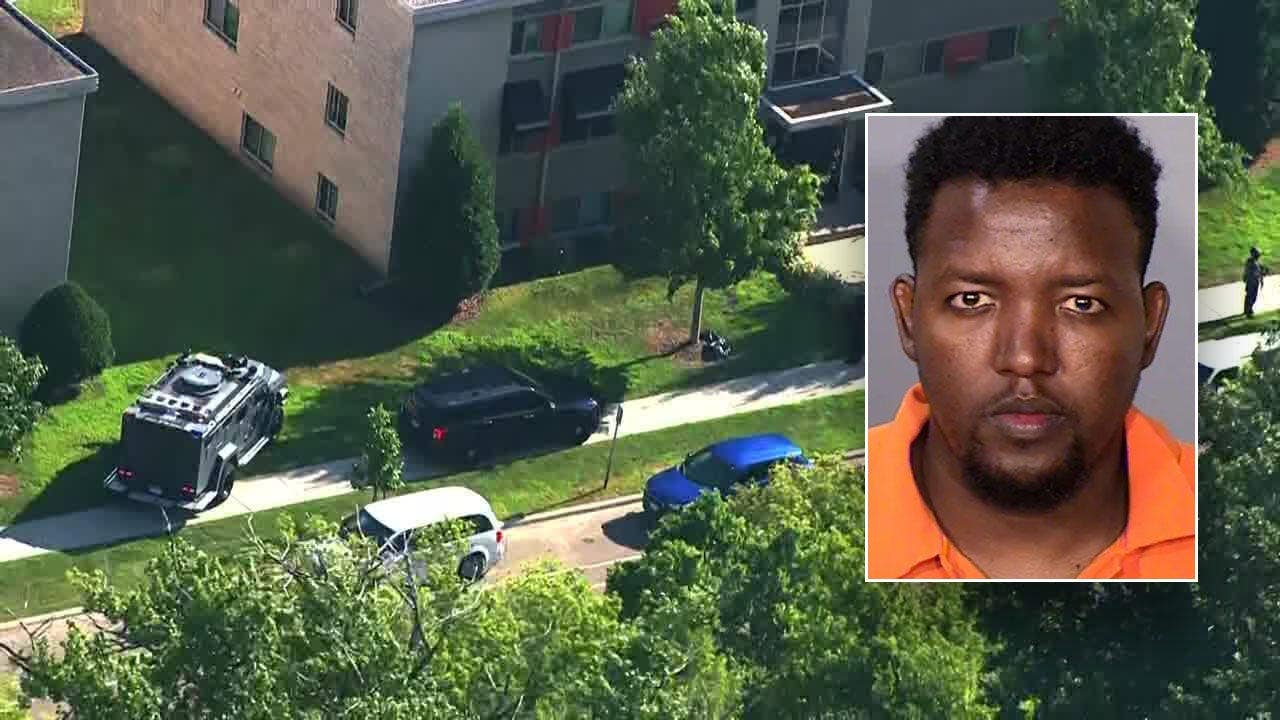
Further details about Binessu’s background and state of mind emerged from the roommate’s statements and Binessu’s subsequent interview with investigators. The roommate informed authorities that Binessu, who had been working as a trucker, had quit his job approximately two months prior to the incident. He harbored aspirations of joining the U.S. Navy and had sold his car on the very day of the shooting, which precipitated the parking contract dispute. These details paint a picture of a man undergoing significant life changes and potential stressors.
During his interview with investigators, Binessu reportedly articulated a complex web of frustrations that he claimed contributed to his actions. Beyond the immediate catalyst of the parking contract, he voiced profound discontent with what he described as a "prolonged immigration process." He stated that he had been unable to bring his wife and children to the United States for seven years, a situation he claimed led to his divorce and separation from his children. This prolonged family separation, a common and often agonizing experience for many immigrants, appears to have taken a severe emotional toll on Binessu. He also expressed a belief that he had been treated unfairly because he is Black and an immigrant, suggesting a deep-seated feeling of marginalization and injustice. According to court documents, Binessu repeatedly told investigators that he had "lost everything he cared about: his wife, his children, his business, his peace of mind," concluding that "life without his family no longer made sense." These statements, while not absolving him of responsibility for his actions, offer a glimpse into the alleged psychological landscape that may have contributed to the tragic outburst.
Investigation and Apprehension
The St. Paul Police Department, alongside other law enforcement agencies, acted swiftly in response to the reported shootings. The critical call from Binessu’s roommate proved instrumental, providing investigators with the suspect’s identity and a lead on his movements. Within a short time, authorities located and arrested Binessu. He was apprehended while driving Nansi G. Fuentes Zambrano’s car, a detail that further underscored the severity of the crime and his alleged connection to the victims.
Inside the stolen vehicle, investigators discovered several items that shed additional light on Binessu’s potential intentions and circumstances. These included what appeared to be newly purchased camping gear, which could suggest an attempt to flee or establish a new life away from the scene. Authorities also found his U.S. passport, his Social Security card, an empty handgun magazine, and his firearm permit. The presence of an empty magazine is particularly telling, corroborating the evidence of 21 spent shell casings found at the crime scene and indicating that a significant number of rounds had been fired. The discovery of his official identification documents and firearm permit implies that Binessu was legally permitted to possess the weapon at some point, raising questions about the mental state and circumstances that led to its use in such a devastating manner. The meticulous collection of these items by investigators forms a crucial part of the prosecution’s case.
Legal Ramifications
Following his arrest and preliminary interview, Tsegaab Ademassu Binessu was formally charged with three counts of second-degree murder with intent. In Minnesota, second-degree murder with intent, but without premeditation, carries a significant penalty, potentially including decades in prison. The Ramsey County Attorney’s Office will be responsible for prosecuting the case, aiming to secure justice for the victims and their families.
The legal process for Binessu will involve several key stages. He will undergo an arraignment, where he will formally enter a plea. Given the severity of the charges and the evidence, including his alleged confession and surveillance footage, it is highly probable that he will be held without bail or with an extremely high bail amount. The defense may explore various avenues, including challenging the evidence, questioning his mental state at the time of the incident, or attempting to mitigate the charges. However, the explicit detail from surveillance footage and the number of shots fired suggest a deliberate act, strengthening the prosecution’s case for intentional murder. The legal proceedings are expected to be lengthy and complex, attracting considerable public attention due to the shocking nature of the crime and the underlying stated motives.
Community Impact and Official Response
The triple murder has profoundly shaken the St. Paul community, particularly those residing in the apartment complex where the tragedy occurred. Residents are left grappling with feelings of insecurity, fear, and grief for the victims who were part of their daily lives. The incident serves as a stark reminder of how quickly routine interactions can turn violent, impacting the sense of safety within residential and professional environments. Local law enforcement, including the St. Paul Police Department, has expressed its commitment to a thorough investigation and ensuring that justice is served. Police officials have likely provided assurances to the community regarding ongoing safety measures and support for those affected.
Beyond the immediate vicinity, the broader St. Paul metropolitan area is also processing the implications of such a violent act stemming from a seemingly minor dispute. Public safety remains a paramount concern, and authorities will likely engage in community outreach to address anxieties and reinforce trust in law enforcement’s ability to maintain order. The incident also casts a shadow over landlord-tenant relations, prompting discussions about conflict resolution mechanisms and the support available for property management staff who often navigate challenging interactions with residents.
Broader Societal Context: Workplace Violence, Immigration, and Mental Health
This tragic event in St. Paul touches upon several critical societal issues, including workplace violence, the complexities of the immigration system, and the often-overlooked role of mental health crises.
Workplace Violence: The killing of three property managers within their office space is a stark example of workplace violence. Such incidents underscore the vulnerabilities faced by employees in service industries who interact directly with the public, sometimes in emotionally charged situations. According to the Bureau of Labor Statistics, workplace homicides, while relatively rare, are a persistent concern, particularly in sectors involving customer service or handling money. Property management, like many service roles, often involves navigating difficult conversations, enforcing policies, and managing conflicts, which can, in extreme cases, expose staff to risks. This incident may prompt apartment management companies to review and enhance their security protocols, staff training in de-escalation, and support systems for employees.
Immigration System and Family Separation: Binessu’s stated frustrations regarding the "prolonged immigration process" and his inability to reunite with his wife and children for seven years highlight a significant humanitarian and systemic challenge within the U.S. immigration framework. While these frustrations in no way justify or excuse his violent actions, they shed light on the immense psychological distress that prolonged family separation can inflict on individuals. The U.S. immigration system is notoriously complex, with lengthy processing times, backlogs, and strict criteria that can keep families apart for years, leading to despair, isolation, and mental health deterioration among those affected. This aspect of the case, while distinct from the criminal act itself, may inadvertently bring renewed attention to the emotional toll of immigration policies and the need for more humane and efficient processes.
Mental Health and Despair: Binessu’s alleged statements about losing everything and life no longer making sense point towards a severe crisis of despair. While it is crucial not to diagnose or speculate on his mental state without professional evaluation, the extreme nature of his response to a contractual dispute suggests a profound internal struggle. Such violent outbursts are often, though not exclusively, linked to underlying mental health issues, unaddressed trauma, or an inability to cope with overwhelming stress. This tragedy serves as a grim reminder of the importance of mental health awareness, accessible support systems, and early intervention to prevent individuals from reaching such critical breaking points. The confluence of personal stressors, perceived injustices, and systemic challenges can, for some, create an environment where extreme acts of violence become a tragically misguided outlet for their pain.
Moving Forward
As Tsegaab Ademassu Binessu remains in police custody, awaiting the full course of legal proceedings, the St. Paul community and the nation grapple with the implications of this senseless violence. The case will undoubtedly proceed through the courts, seeking accountability for the deaths of Nansi G. Fuentes Zambrano, Dena M. Silcox, and Adam J. Wilwerding. Beyond the courtroom, the incident prompts a broader societal reflection on how communities address conflict, support vulnerable individuals, ensure workplace safety, and navigate the complex human dimensions of immigration. The memory of the three victims will serve as a somber reminder of the need for empathy, effective communication, and robust support systems to prevent such tragedies from recurring.

