
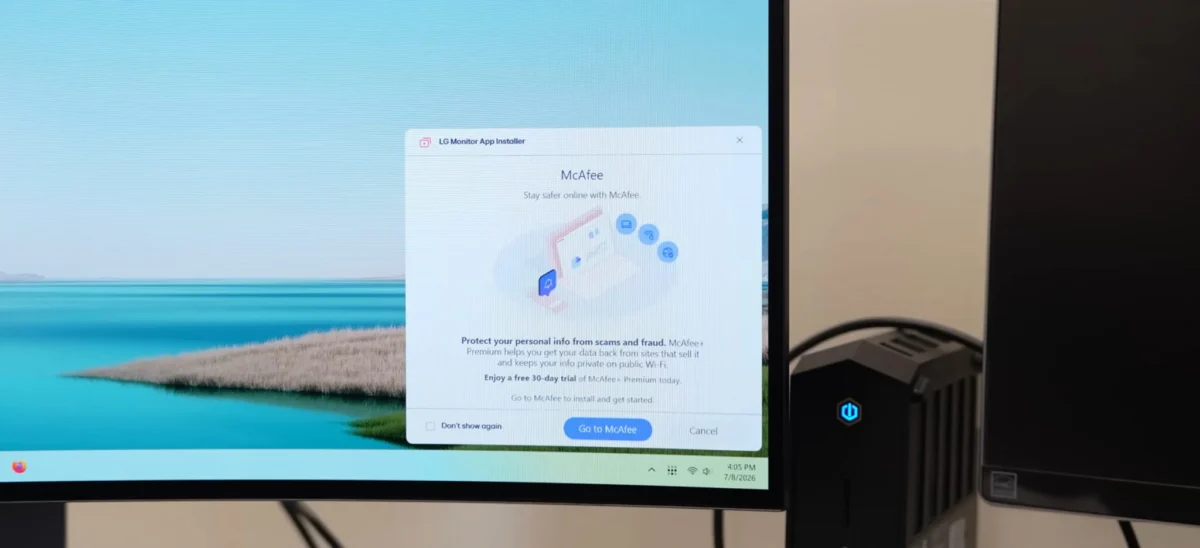
Users are voicing significant unease and outrage over the unsolicited installation of LG’s "LG Monitor App Installer" software on their Windows systems, often accompanied by intrusive advertisements. This practice, which appears to bypass explicit user consent and prompts, is particularly alarming given that LG manufactures some of the most premium and expensive computer monitors on the market, with prices frequently exceeding $1,000. The unexpected and unrequested appearance of advertising software on high-cost hardware is not only disruptive to user workflow but also raises substantial privacy red flags.
The core of the controversy lies in the automatic nature of the LG Monitor App Installer’s deployment. Reports indicate that the application can install itself via Windows Update without any prior notification or explicit permission sought from the user. Once installed, the software purportedly gains extensive access to a user’s system. According to security researcher Burke, as quoted in the original report, the app "technically possesses permission to use ‘all system resources’," and furthermore, to "collect geolocation, device data, online activity, contacts, user credentials, transactions, and more." This broad scope of data collection, especially without clear user consent, is a significant breach of privacy expectations.
A Pattern of Unsolicited Software Installation
This incident is not an isolated event. The practice of hardware manufacturers bundling or automatically installing companion software, sometimes perceived as bloatware, has become a recurring point of contention within the tech community. For years, consumers have reported similar experiences with other prominent brands. For instance, Razer, known for its gaming peripherals, has faced criticism for unsolicited software installations. Logitech, another major player in gaming and productivity peripherals, has also been a target of user complaints regarding forced software installs. Asus and Gigabyte, primarily manufacturers of motherboards, have likewise been accused of installing unwanted software onto user systems, often without clear opt-in mechanisms.
What makes the LG situation particularly concerning is the context of high-end monitors. While some peripherals, like gaming mice or keyboards, might justify companion software for advanced customization or feature enablement, the necessity of such an app for a monitor, especially one costing upwards of $1,000, is questionable. Users are paying a premium for hardware and expect a streamlined, controlled experience, not one that is unexpectedly infiltrated by advertising or data-collecting software.
The Role of Windows and Universal Windows Platform Apps
Further complicating the issue is the underlying mechanism that may enable such automatic installations. Microsoft’s Universal Windows Platform (UWP) device apps have a feature that allows them to "automatically install when the user connects their device to the PC." This feature is active by default unless a user specifically opts out of "Recommended Settings" during the Windows installation process, is connected to the internet, and is signed into the Microsoft Store.
A Microsoft support page for Windows developers explicitly acknowledges the potential for user dissatisfaction with this automatic installation feature: "The automatic installation feature does not provide a notification to the user when the app is installed. Some users may find this experience confusing and frustrating and give your app a bad rating." This statement from Microsoft itself highlights a design choice that prioritizes convenience for developers and potentially the vendor, over explicit user control and transparency, creating a fertile ground for user frustration and privacy concerns.
Chronology of Concern and Escalation
While the current surge in complaints about the LG Monitor App Installer appears to be recent, the underlying issue of unsolicited software from hardware manufacturers is not new. However, the problem seems to have intensified or broadened in its reach. Security researcher Burke noted that he began seeing the pop-up ad on LG monitors he had purchased as far back as three years ago, suggesting that the practice has been ongoing and perhaps evolving in its deployment methods. The fact that the app is now appearing via Windows Update points to a potentially more aggressive or widespread distribution strategy.
The description of the LG Monitor App Installer on the Microsoft Store states its purpose is for users to "easily install and use apps supported by your monitor through LG Monitor App Installer." Notably, McAfee is listed as one of the applications that can be installed through this utility, raising questions about whether the primary intent is user benefit or the promotion of third-party software.
Impact on Consumers and Broader Implications
The immediate impact on consumers is clear: a compromised sense of control over their computing environment and potential privacy violations. Paying a significant sum for a premium product only to have it serve as a vector for unwanted software and data collection is a betrayal of trust. The ability of the LG Monitor App Installer to access "all system resources" and collect a wide array of personal data, including sensitive information like credentials and online activity, presents a significant security and privacy risk.
Beyond individual users, this incident raises broader questions about the responsibilities of hardware manufacturers in their software practices and the adequacy of current operating system controls regarding automatic app installations. It prompts an examination of the ecosystem where peripheral device apps can be pushed onto users’ systems without their active and informed consent.
The implications for the tech industry are also considerable. Such practices can erode consumer trust, leading to a backlash against brands perceived as prioritizing profit over user privacy and experience. It could also spur increased regulatory scrutiny regarding data privacy and software installation practices. For consumers, it necessitates a heightened level of vigilance when setting up new hardware and installing software, actively seeking out and disabling any automatic installation features.
LG’s Response and Ongoing Investigation
Ars Technica, a technology news outlet that reported on this issue, reached out to LG for clarification on the purpose of the LG Monitor App Installer, which specific monitors are affected, and their stance on the privacy concerns raised. As of the publication of the original report, a company representative acknowledged receipt of these inquiries but had not yet provided a response. This lack of immediate comment leaves many questions unanswered and fuels further speculation and concern among users.
Gamers Nexus, a tech-focused YouTube channel that brought significant attention to this issue, has identified several LG monitor models that are reportedly auto-installing the LG Monitor App Installer onto PCs. These include:
- LG 27GN950
- LG 34GN850
- LG 27GP950
- LG 38GN950
- LG 27GP850
- LG 32GQ950
- LG 32GQ850
However, given Microsoft’s platform architecture that allows for such automatic installations, it is plausible that the list of affected monitors could be more extensive. The lack of a clear and transparent communication from LG exacerbates the situation, leaving users uncertain about the extent of the problem and the potential risks associated with their LG hardware. The ongoing silence from the company only amplifies the need for transparency and a clear explanation of their software deployment policies and the data collection practices of their applications. The tech industry’s evolving landscape demands that manufacturers prioritize user trust and privacy, especially when dealing with premium products and sensitive personal data.

