
The technology landscape shifted significantly on September 9, 2026, as Apple Inc. hosted its highly anticipated annual fall showcase at the Steve Jobs Theater in Cupertino, California. The event marked a historic transition for the world’s most valuable technology company, serving as the inaugural keynote for newly appointed CEO John Ternus. Stepping into the role following the tenure of Tim Cook, Ternus utilized the stage to unveil a robust hardware refresh, headlined by the flagship iPhone 18 series and the long-rumored entry into the foldable smartphone segment: the iPhone Duo.
The New Era: A Strategic Pivot
John Ternus, formerly the Senior Vice President of Hardware Engineering, took the helm of Apple earlier this month. His debut performance was characterized by a focus on "personal intelligence"—Apple’s proprietary AI framework—and a bold expansion of the company’s hardware portfolio. The event, which drew industry analysts and global press, was viewed as a litmus test for Apple’s ability to maintain its premium market positioning while navigating a complex macroeconomic environment defined by persistent memory chip shortages and shifting consumer demand.
The iPhone 18 Series: Refinement and Performance
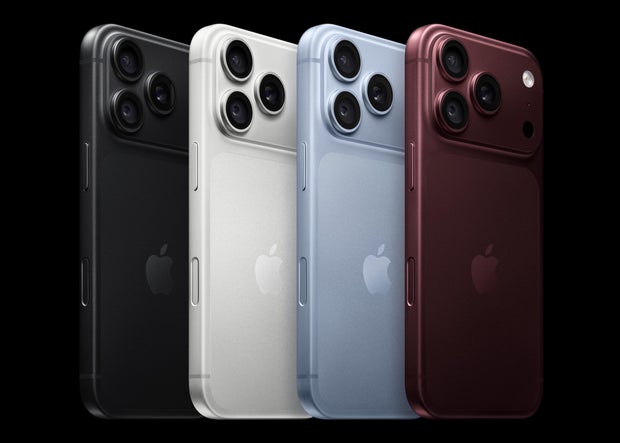
The core of the announcement centered on the iPhone 18, which Apple positions as the most sophisticated device in its history. The lineup includes the base iPhone 18 and the high-end iPhone 18 Pro and Pro Max. While the aesthetic retains the familiar sleek profile of its predecessors, the internal architecture has undergone a radical transformation.
At the heart of the new devices is the A20 Bionic chip. Utilizing a cutting-edge six-core CPU design, the A20 incorporates two "super cores" engineered for intensive generative AI workloads. Apple claims the silicon provides a 20% increase in raw processing speed compared to the A19, alongside significant improvements in thermal management.
The camera system has also been overhauled to cater to the professional creator economy. New "cinematic effects" allow for real-time computational photography adjustments, while "smart focus tracking" utilizes machine learning to maintain crisp, lock-on focus for moving subjects. Battery efficiency remains a priority, with the Pro Max model now capable of reaching 45 hours of video playback—a notable leap in hardware endurance.
The iPhone Duo: Apple’s Foldable Ambition
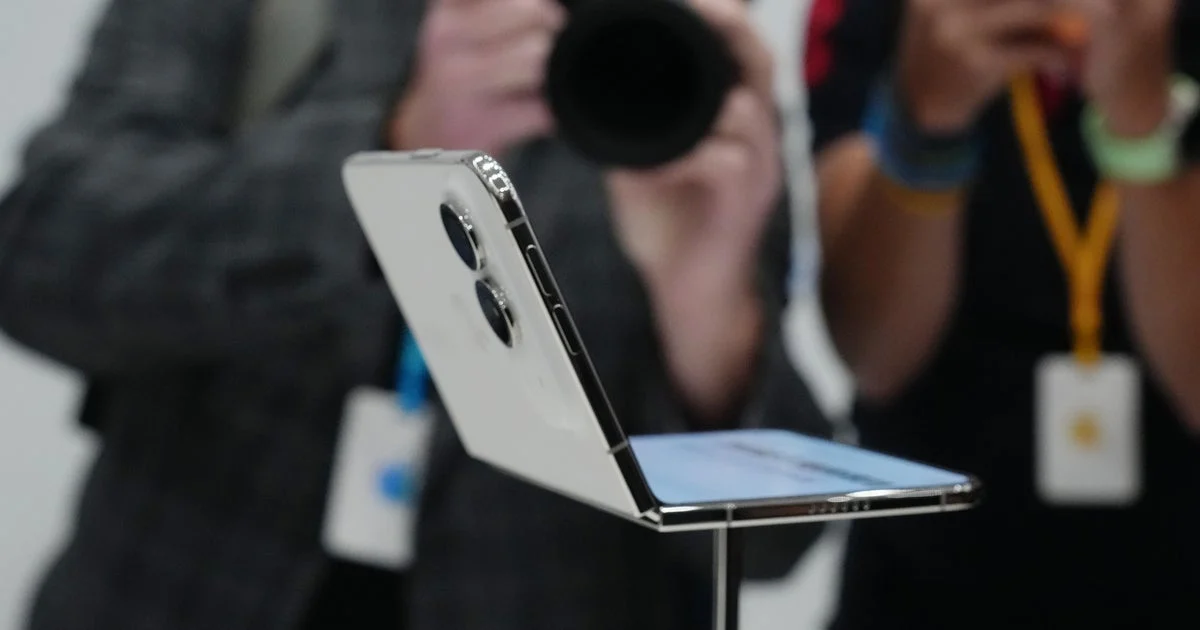
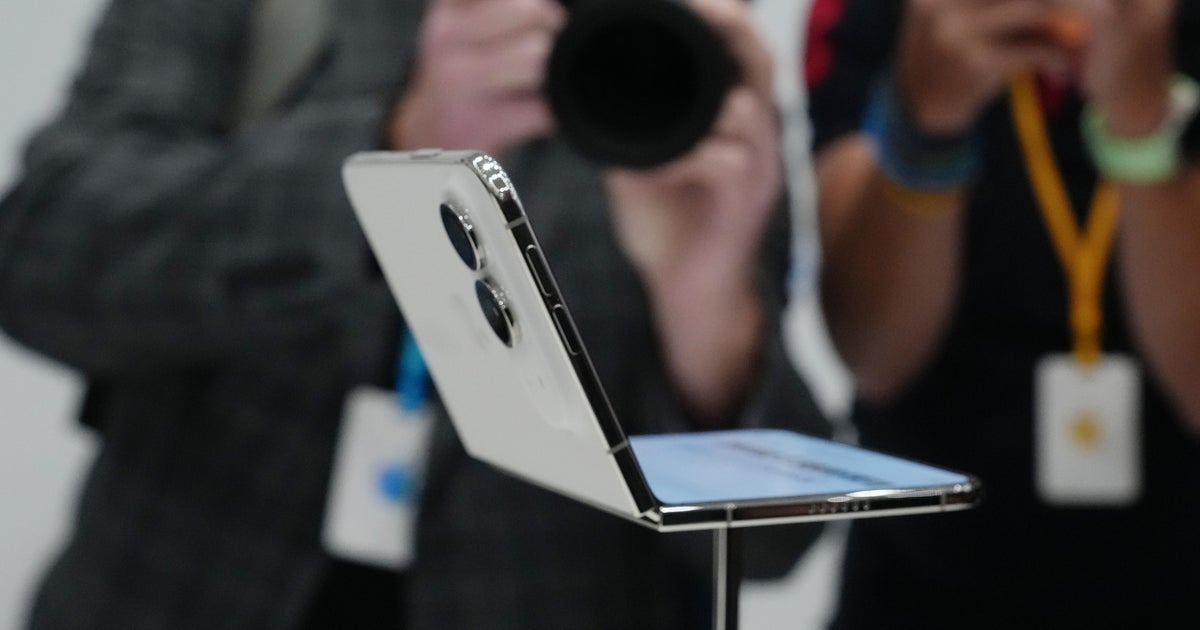
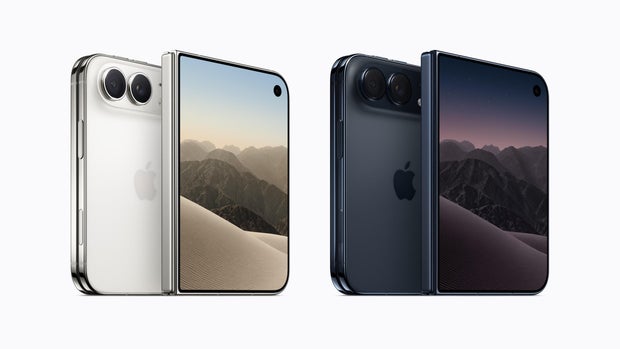
Perhaps the most significant announcement of the afternoon was the introduction of the iPhone Duo, Apple’s first foldable smartphone. Priced at a starting point of $1,999, the device is aimed at the ultra-premium tier of the market. Available in "star white" and "night sky," the Duo features a hinge mechanism that Apple claims is the result of years of breakthrough engineering.
The device’s primary utility lies in its dual-screen functionality, allowing users to run two distinct applications simultaneously or expand a single application across the full surface area. When folded, the device occupies a footprint similar to a standard passport, addressing the primary consumer complaint regarding the portability of large-screen smartphones. Pre-orders are scheduled to commence on October 16, with a retail release set for October 23.
Integration of Apple Intelligence
Throughout the presentation, Ternus emphasized that privacy remains the cornerstone of Apple’s AI strategy. "It’s personal intelligence that’s actually personal," Ternus stated, addressing concerns regarding data harvesting prevalent in the broader tech industry. Apple Intelligence will process the vast majority of tasks locally on the device’s Neural Engine. For more computationally intensive tasks, the company has introduced "Private Cloud Compute," an architecture designed to ensure that data processed in the cloud remains encrypted and inaccessible even to Apple’s own engineers.
Ecosystem Expansion: AirPods and Apple Watch
Beyond the smartphone lineup, Apple updated its secondary hardware offerings. The AirPods 5, priced at $129, feature advanced noise-cancellation algorithms that adapt to environmental sounds in real-time. The new Apple Watch, starting at $399, introduces a suite of enhanced health sensors, including upgraded optical heart rate monitors and advanced biometric tracking, aimed at maintaining Apple’s lead in the wearable health sector. Both products are scheduled for market availability on September 18.
Economic and Market Implications
Analysts have responded with cautious optimism regarding the pricing strategy. Despite the global shortage of memory chips, which has inflated production costs across the semiconductor industry, Apple has opted for a measured pricing increase. The iPhone 18 starts at $1,199, while the Pro Max starts at $1,299.
Gerrit Schneemann, a principal analyst at Counterpoint Research, noted that the relatively modest price hike is a calculated move to retain the brand’s "golden installed base." The industry is watching to see if the foldable form factor will trigger a significant upgrade cycle. Historically, early adopters gravitate toward first-generation foldable technology; however, the $1,999 price tag places the iPhone Duo in direct competition with high-end luxury goods, potentially limiting its initial adoption to power users and enterprise clients.
Analyst Perspectives: The Burden of Leadership
The transition from Tim Cook to John Ternus is arguably the most significant executive shift in Silicon Valley in a decade. Dipanjan Chatterjee, an analyst at Forrester, described the transition as both a "boon and a burden." Cook’s legacy of operational perfection and service-based monetization has set an exceptionally high bar. For Ternus, the challenge lies in proving that Apple can continue to innovate at scale without losing the consumer trust that has defined its market dominance.
"The foldable phone is a compelling addition," said Melissa Otto, head of research at S&P Global Visible Alpha. "It aligns with the competitive landscape set by Samsung, but the real question remains whether these incremental and structural updates are sufficient to drive the massive upgrade cycles seen in previous years."
A Chronology of the 2026 Product Launch
- September 9, 2026: Official keynote at Apple Park. Announcement of iPhone 18, iPhone Duo, AirPods 5, and new Apple Watch.
- September 12, 2026: Pre-orders begin for the iPhone 18 series.
- September 18, 2026: Retail availability for AirPods 5 and the latest Apple Watch.
- October 16, 2026: Pre-orders begin for the iPhone Duo.
- October 23, 2026: Shipping and retail availability for the iPhone Duo.
Future Outlook and Repairability Concerns
As Apple enters the foldable market, analysts have pointed toward the long-term cost of ownership. Varun Mishra of Counterpoint Research highlighted that the complexity of folding screens typically correlates with higher repair costs. This creates an opportunity for Apple to bolster its services revenue through AppleCare+ and insurance plans, which are expected to see a higher "attach rate" for the Duo compared to traditional slab-style smartphones.
As the tech industry digests these announcements, the focus shifts to the quarterly earnings reports due in the coming months. The success of the iPhone 18 and the Duo will provide the first real data on how the market perceives Apple under its new leadership. With its emphasis on privacy-focused AI and the debut of its first foldable, Apple is attempting to balance the preservation of its legacy with the necessity of bold, forward-looking hardware innovation. For John Ternus, the path forward is clear: continue the iterative excellence that made Apple a trillion-dollar entity, while simultaneously proving that the company can still define the next generation of mobile computing.

