
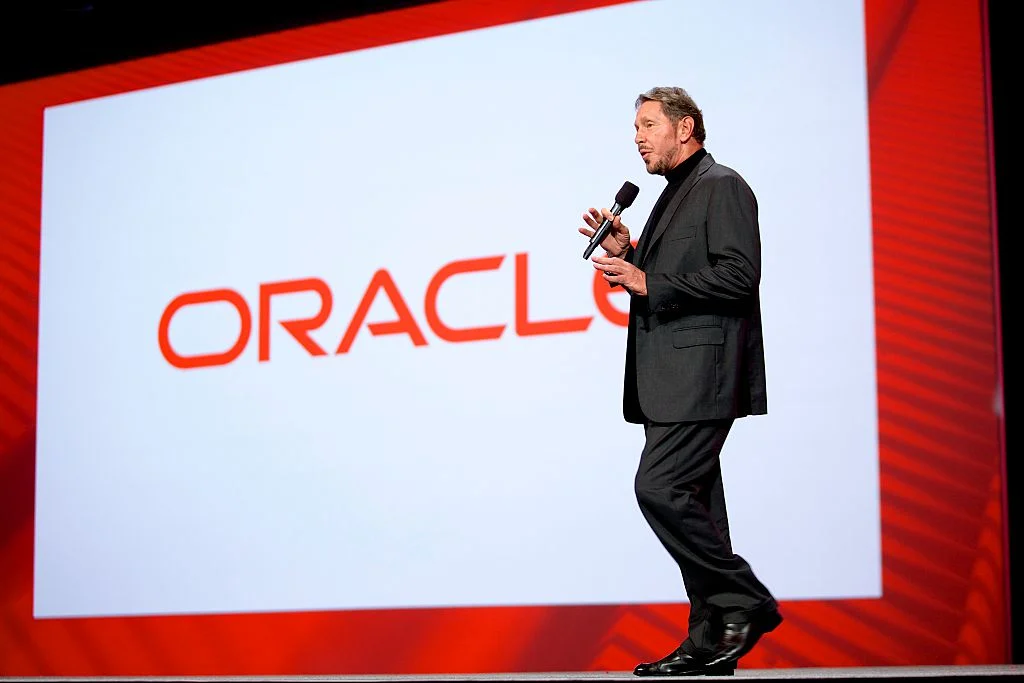
Oracle executive chairman and co-founder Larry Ellison has officially canceled his previously disclosed plan to sell 50 million shares of Oracle Corporation stock, a move that terminates a potential $7.5 billion liquidity event that had been closely watched by institutional investors and market analysts. The company confirmed the decision in a brief regulatory statement released this past Saturday, noting that no shares were sold under the trading plan and that Ellison currently holds no intentions to divest from his significant equity position in the enterprise software giant.
The cancellation arrives during a challenging fiscal period for Oracle, which has seen its share price decline by approximately 22% since the start of 2026. This downward pressure on the company’s valuation, coupled with Ellison’s decision to retain his massive stake, has sparked renewed discussions regarding the billionaire’s long-term confidence in the firm’s aggressive pivot toward artificial intelligence and large-scale cloud infrastructure.
The Chronology of a Planned Divestiture
The original plan to sell the 50 million shares was structured under a Rule 10b5-1 trading plan. These plans are commonly used by corporate executives to sell a predetermined number of shares at specific times to avoid allegations of insider trading. Ellison’s filing had signaled to the market that a significant block of equity would be hitting the open market, an event that typically results in a short-term softening of share prices due to the increased supply of stock.
The timeline of this development is critical for understanding the market’s reaction:
- Late 2025: Speculation mounts regarding Ellison’s personal capital requirements, particularly as he expands his influence into the media and entertainment sectors.
- Early 2026: Oracle takes on a heightened profile as a security and infrastructure partner for TikTok’s U.S. operations, placing the company at the center of a complex geopolitical and regulatory landscape.
- Mid-2026: Oracle accelerates its capital expenditure program, pouring billions into the construction of massive, AI-optimized data centers to compete with hyperscale cloud providers like Amazon Web Services, Microsoft Azure, and Google Cloud.
- September 12, 2026: The official notification of the cancellation is issued, catching market participants off guard and effectively removing the "overhang" of the $7.5 billion sale from the company’s near-term outlook.
Strategic Capital Allocation and the AI Pivot
Oracle’s current financial strategy is defined by an unprecedented level of capital investment. Under the leadership of CEO Safra Catz and the visionary direction of Ellison, the company has transitioned from a traditional database software provider to a dominant force in cloud computing infrastructure. This transition, however, has been expensive.
Data centers are the new engines of the digital economy, and Oracle has been aggressively expanding its global footprint to meet the insatiable demand for AI compute power. In the most recent quarterly reports, analysts noted that Oracle’s capital expenditures (CapEx) have risen significantly compared to previous years. While these investments are necessary to maintain competitiveness in the era of generative AI, they have also compressed the company’s free cash flow, contributing to the volatility observed in its share price.
The company’s decision to maintain its current trajectory suggests that Ellison believes the market has mispriced Oracle’s long-term utility. By canceling the sale, he is signaling that he does not want to reduce his exposure to the company at a time when he expects these massive data center investments to begin yielding significant returns in the form of cloud services revenue.
The Broader Ecosystem: TikTok and Media Holdings
Beyond the software business, Ellison’s financial profile is increasingly intertwined with high-stakes ventures in media and telecommunications. Oracle’s involvement in TikTok’s U.S. operations is perhaps the most high-profile example of the firm’s diversification. By providing the cloud infrastructure and security protocols that allow the platform to operate within U.S. regulatory frameworks, Oracle has secured a unique and lucrative position in the global tech hierarchy.
However, the scrutiny surrounding these arrangements is intense. The company’s role as a "security partner" has placed it in the crosshairs of federal regulators, and any shift in the legal status of TikTok could have material consequences for Oracle’s bottom line.
Simultaneously, Ellison has directed significant personal wealth toward the media industry. His backing of his son, David Ellison, in the high-profile acquisition of Warner Bros. represents a massive bet on the future of entertainment content. This deal, which has been subject to ongoing legal challenges and antitrust concerns, illustrates the scale at which the Ellison family operates. The cancellation of the $7.5 billion Oracle stock sale might suggest that Ellison has found alternative funding sources for his media ventures or that he prefers to use his Oracle shares as collateral for loans rather than liquidating them, thereby maintaining his voting power and influence within the company.
Market Implications and Investor Sentiment
The cancellation of a stock sale of this magnitude is a strong signal to the institutional investor community. When a founder of Ellison’s stature opts not to sell, it is frequently interpreted as a "bullish" indicator. It implies that the insider believes the current share price is undervalued and that the stock is poised for a rebound.
However, the market remains cautious. Oracle’s 22% decline year-to-date reflects broader concerns about the company’s ability to scale its cloud business fast enough to compete with established giants. Furthermore, the interest rate environment continues to play a role in how investors value high-growth tech stocks. With capital becoming more expensive, the market has become less tolerant of companies that burn through cash at high rates, even if those investments are intended to capture future market share.
From a corporate governance perspective, the move also simplifies the narrative surrounding Oracle’s leadership. By removing the distraction of a massive share liquidation, the company can refocus the attention of analysts and shareholders on its quarterly earnings, its data center expansion, and its ability to integrate the various business units under the Oracle umbrella.
Expert Analysis: Why Now?
Financial analysts note that the decision to halt the sale is likely a combination of strategic signaling and tactical financial planning. "When an executive cancels a massive 10b5-1 plan, it is rarely a spur-of-the-moment decision," says one market strategist who tracks Oracle. "It is a deliberate move to stabilize the stock. By publicly declaring that there are no further plans to sell, Ellison is attempting to put a floor under the share price and discourage short-sellers who may have been positioning themselves to profit from the expected $7.5 billion supply influx."
The lack of an official reason for the cancellation is standard practice in corporate finance, as executives are not required to justify personal financial decisions. However, the timing is almost certainly tied to the volatility of the tech sector in the latter half of 2026. As the industry faces cooling demand in some segments and hyper-growth in others, Oracle is trying to project an image of stability and unwavering commitment from its founder.
Looking Ahead
As Oracle moves into the final quarter of the year, all eyes will be on its earnings reports and the performance of its cloud infrastructure projects. The company has successfully navigated massive technological shifts in the past, transitioning from a legacy software firm to a cloud-native power player. Whether this current phase of heavy capital investment will pay off remains the defining question for Oracle’s valuation.
For investors, the cancellation of the sale provides a reprieve from the expected dilution and market pressure. However, it does not solve the underlying challenges posed by the competitive landscape, the regulatory hurdles surrounding its partnerships, and the ongoing legal battles regarding its media investments. Larry Ellison’s decision to retain his shares is a clear message of faith, but in the fast-paced world of technology and global finance, that faith will be put to the test as Oracle continues to build its vision for the future of enterprise computing.
With no further stock sales planned, the focus now shifts entirely to the fundamentals: can Oracle’s data centers generate the revenue necessary to justify its current investment levels? The coming months will be critical in determining whether this strategic pause by the company’s founder provides the stability needed for a recovery in Oracle’s market standing.

