
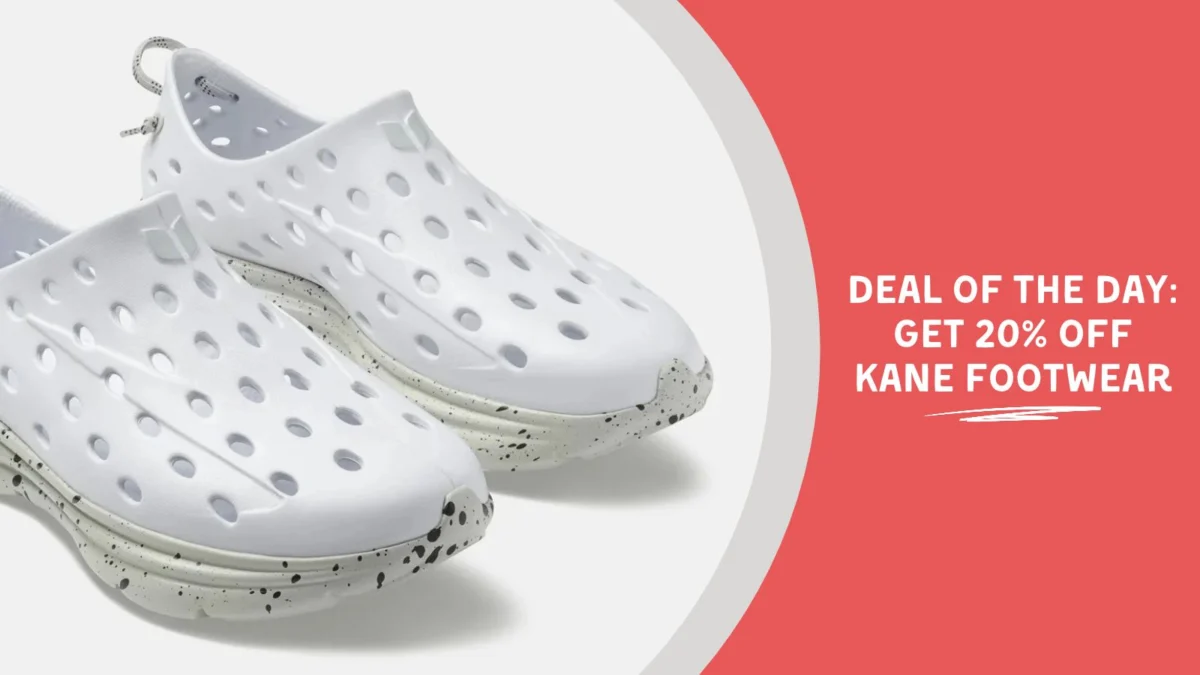
The physical demands of the modern classroom have long been recognized as a significant occupational challenge for educators, leading to increased interest in ergonomic solutions and recovery-focused footwear. A recent initiative by KANE Footwear, which offers a 20% discount for teachers verified through ID.me and GovX, underscores a growing trend of private-sector companies acknowledging the specific physiological toll that standing for extended periods takes on school staff. By targeting this demographic with specialized active recovery technology, the footwear industry is responding to a well-documented need for improved workplace health support for professionals in the education sector.
The Evolution of Occupational Health in Education
To understand the necessity of specialized footwear for teachers, one must first examine the physical reality of the profession. Research from the National Center for Education Statistics (NCES) indicates that the average teacher spends upwards of six to seven hours per day standing, walking between classrooms, or navigating hallways. Unlike office-based professions that allow for ergonomic desk configurations, the classroom environment is inherently dynamic. Educators are rarely stationary; they are constantly shifting weight, pivoting, and traversing hard surfaces—often concrete or thin linoleum over subflooring—which provide minimal shock absorption.
Occupational health studies conducted by physical therapy associations have noted that prolonged standing on non-resilient surfaces can lead to plantar fasciitis, chronic lower back pain, and venous insufficiency. Over the last decade, as teacher burnout rates have surged, school districts and health advocates have begun to emphasize the importance of "preventative wellness." This involves not only mental health support but also physical interventions, such as improved flooring in schools and, increasingly, the use of supportive, recovery-oriented footwear.
The Technology Behind Active Recovery Footwear
The shift toward active recovery footwear, such as the KANE Revive model, represents a departure from traditional athletic shoes. While standard sneakers are designed for forward momentum and high-impact sports, recovery footwear is engineered to facilitate blood flow and minimize foot fatigue after the activity has ceased—or during periods of low-intensity, high-duration movement.
KANE Footwear’s design philosophy centers on the use of sugar-cane-based EVA (ethylene-vinyl acetate) foam. This material is significant for two reasons: its environmental sustainability and its structural properties. EVA foam is known for its high energy return and cushioning capabilities, which help distribute pressure more evenly across the sole of the foot. By incorporating anatomical support features, such as deep heel cups and arch support, these shoes are designed to stabilize the foot, reducing the strain on the musculoskeletal system.
For teachers, the primary benefit is the reduction of "static load." When an educator stands in front of a whiteboard for forty-five minutes, the muscles in the lower leg and foot remain in a state of constant, low-level contraction. The design of recovery footwear aims to allow these muscles to relax while maintaining proper alignment, which can theoretically reduce the onset of post-shift fatigue.
Chronology of Wellness Initiatives in Education
The introduction of specialized discounts for educators is part of a broader chronology of professional recognition that has accelerated since the COVID-19 pandemic.
Prior to 2020, teacher discounts were largely concentrated in the retail and stationery sectors, focusing on classroom supplies. However, the pandemic shifted the focus of corporate social responsibility (CSR) programs toward the personal well-being of essential workers, a category that many districts and unions successfully campaigned to include for educators.
In 2021 and 2022, major brands in the athletic apparel and medical supply industries began expanding their "First Responder" discount tiers to include teachers. This shift marked a recognition that educators were performing a critical service under extreme stress. KANE Footwear’s decision to align with ID.me and GovX—platforms typically used to verify military and healthcare personnel—formalizes this status, placing teachers within a protected class of professionals who receive institutionalized support for their physical health.
Economic Implications and Data-Driven Support
The economic burden of foot-related ailments among educators is not insignificant. While exact figures on the total cost of foot care for teachers are difficult to isolate, the Bureau of Labor Statistics (BLS) reports that musculoskeletal disorders (MSDs) are the leading cause of lost workdays among service-oriented professions. By providing a 20% discount, companies like KANE are essentially subsidizing a portion of the healthcare burden that teachers might otherwise face in the form of physical therapy or orthopedic footwear costs.
Furthermore, the integration of verification services like GovX and ID.me suggests a sophisticated approach to retail strategy. These platforms ensure that the discount is exclusive to verified school employees, maintaining the value of the brand while providing a seamless user experience. This data-driven approach to discounting allows brands to capture a loyal customer base. Teachers, often characterized as a high-trust, high-engagement demographic, have shown a strong preference for brands that provide tangible, health-focused benefits.
Industry Analysis: Why Now?
Market analysts suggest that the rise of the "recovery" footwear category is part of a larger trend toward functional fashion. Consumers, particularly those in high-stress jobs, are prioritizing comfort over aesthetic trends. For educators, who are often subject to strict professional dress codes, the emergence of stylish yet functional recovery shoes allows them to maintain a professional appearance while benefiting from the engineering of a recovery slide or clog.
The inclusion of teachers in these programs is also a strategic move in terms of brand advocacy. Because teachers are influential members of their communities, their endorsement—or simply their habit of wearing specific gear in schools—acts as a powerful form of organic marketing. When a teacher finds relief from chronic pain through a specific brand, they are statistically more likely to share that information with colleagues, leading to a "word-of-mouth" effect that is highly valued in the footwear industry.
Official Stances and Future Outlook
While KANE Footwear has not released specific internal sales data regarding their educator program, spokespeople for the company have noted in public forums that the response from the public sector has been overwhelmingly positive. The emphasis on "active recovery" aligns with a growing movement toward holistic health in the workplace.
The broader implication of this trend is the potential for future partnerships between educational institutions and private wellness providers. As schools continue to struggle with teacher retention and recruitment, the "perks" associated with the profession are being re-evaluated. If companies continue to provide specialized equipment and financial incentives, it may eventually force a policy shift where school districts consider wellness benefits—such as ergonomic footwear stipends—as part of their standard human resources packages.
Conclusion: A Necessary Shift in Professional Support
The recognition that teachers are high-performance professionals whose work requires significant physical maintenance is a positive development in the corporate landscape. By utilizing technology and verified discount platforms, companies are moving beyond simple classroom-supply discounts to address the fundamental physical challenges faced by educators.
Whether the long-term impact of such initiatives will result in a decrease in occupational injury rates remains to be seen, but the trend is clear: the support systems for teachers are diversifying. As the distinction between "work life" and "home life" continues to blur, and as the physical toll of teaching remains a constant, the adoption of recovery-focused footwear is likely to become a standard practice rather than an optional perk. For the educator, the simple act of choosing the right footwear has become a vital component of the daily mission to stay energized, comfortable, and prepared for the classroom environment. As brands continue to refine these offers, the dialogue between the footwear industry and the education sector will undoubtedly grow, fostering a healthier, more supported workforce.

