
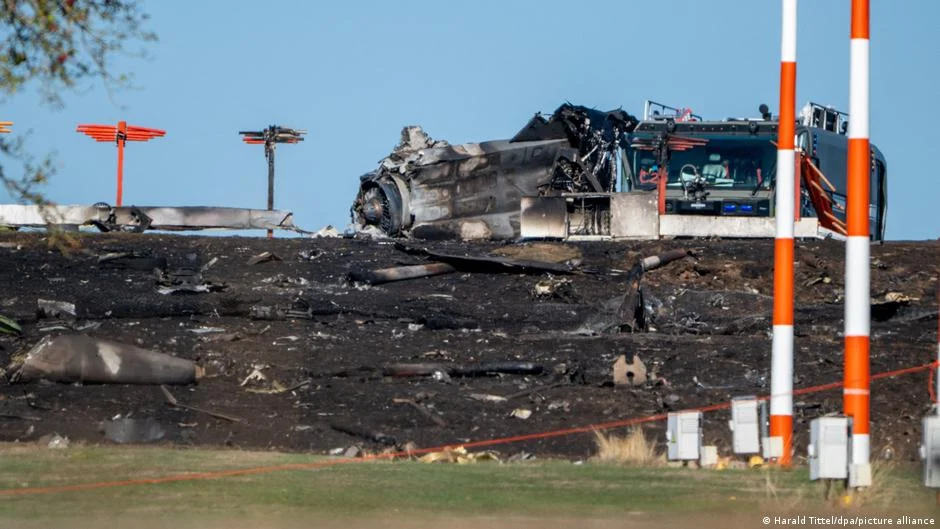
The quiet skies over the Eifel region of southwestern Germany were shattered on Tuesday afternoon when a United States Air Force F-16 Fighting Falcon crashed during a routine training exercise in the vicinity of Spangdahlem Air Base. The incident, which occurred at approximately 2:30 p.m. local time (12:30 UTC), triggered an immediate emergency response from both American military personnel and local German civil authorities. While the aircraft was lost, officials have confirmed that the pilot successfully ejected from the cockpit before the crash, averting what could have been a far more catastrophic event.
Chronology of the Incident
The sequence of events began in the early afternoon as the F-16, assigned to the 52nd Fighter Wing, was engaged in scheduled flight operations over the Eifel district of Bitburg-Prüm. Eyewitnesses in the area reported hearing a loud noise followed by the sight of smoke rising from a remote, sparsely populated section of the region.
Emergency protocols were activated almost instantaneously. By 2:45 p.m., fire and rescue units from the Eifel district were dispatched to the crash site to secure the perimeter and extinguish fires resulting from the impact. Simultaneously, the 52nd Fighter Wing mobilized its own recovery teams to the scene. The pilot was located shortly after the ejection and was transported to a medical facility for evaluation. While the specific nature of the pilot’s injuries has not been disclosed, official statements suggest that their condition is stable and they remain under medical care.
The 52nd Fighter Wing and Spangdahlem Air Base
Spangdahlem Air Base is one of the most critical components of the United States’ military infrastructure in Europe. Established in the early 1950s at the height of the Cold War, the base serves as a strategic hub for NATO operations. It is currently the permanent home of the 52nd Fighter Wing, which provides a rapid-response capability for the United States Air Forces in Europe (USAFE).
The base is specifically known for its squadron of F-16 Fighting Falcons, a versatile multi-role aircraft that has been the backbone of the US Air Force’s fighter fleet for decades. The 52nd Fighter Wing manages approximately 20 of these aircraft at the facility. Beyond the flight line, the base is a significant economic and social anchor for the surrounding Rhineland-Palatinate region. With a population of roughly 5,000 military and civilian personnel—including families—and an additional workforce of 700 to 800 German nationals, the base operates as a small city, deeply integrated into the local economy.
The facility’s strategic importance is often compared to the Ramstein Air Base near Kaiserslautern. While Ramstein functions as a massive logistics and transport hub for the US military, Spangdahlem is primarily a combat-ready installation, tasked with suppressing enemy air defenses and providing air superiority.
Official Responses and Preliminary Investigations
In the hours following the crash, the 52nd Fighter Wing released a formal statement confirming the loss of the aircraft and the safety of the pilot. "The pilot ejected safely and is receiving medical care," the statement read, emphasizing that the primary concern of the base command is the welfare of the individual involved.
Local German authorities have maintained a supportive but measured role in the aftermath. The Eifel District of Bitburg-Prüm issued a brief statement via their official portal, confirming their involvement in the emergency response. "Following a plane crash in the vicinity of US Air Base Spangdahlem, fire and emergency response teams were dispatched to the scene," the district stated, noting that further details regarding the cause or the specific site coordinates would remain restricted while the investigation is underway.
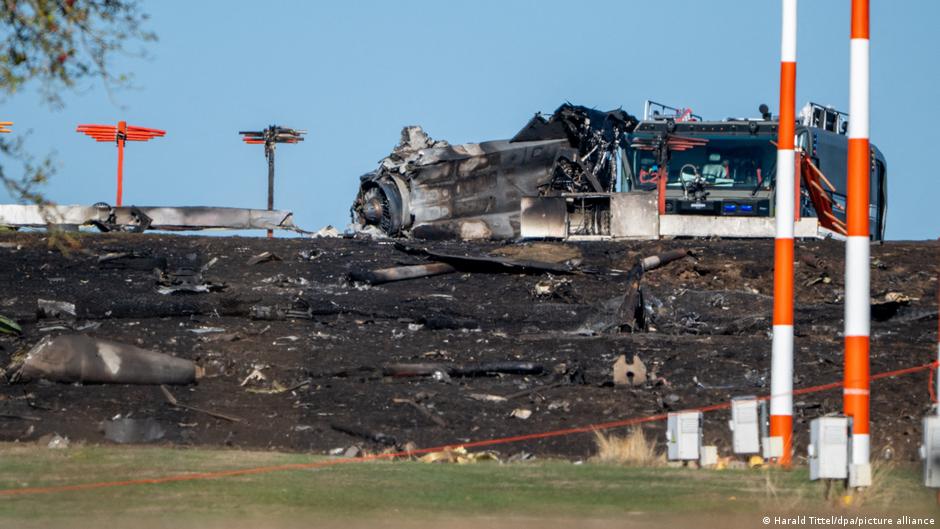
The investigation into the crash is expected to be comprehensive. When a US military aircraft is involved in an accident, the Air Force typically appoints an Accident Investigation Board (AIB). This board is tasked with determining the "proximate cause" of the incident, whether it was mechanical failure, pilot error, environmental factors, or a combination of variables. The process often takes several months, and the resulting report is eventually released to the public, though sensitive technical data is frequently redacted to protect military security protocols.
The F-16: A History of Reliability and Risk
The F-16 Fighting Falcon, manufactured by Lockheed Martin (originally General Dynamics), has been in service since the late 1970s. Known for its agility and advanced avionics, the platform is widely regarded as one of the most successful fighter aircraft in history. However, the high-performance nature of the aircraft, combined with the rigorous training schedules required to maintain combat readiness, inherently carries risk.
Statistical data on military aviation suggests that accidents involving F-16s, while relatively rare in recent years due to upgrades in maintenance and training, remain a statistical reality for any active-duty squadron. Modern flight data recorders—often referred to as "black boxes"—and the sophisticated diagnostic software embedded in the F-16’s systems will play a pivotal role in the ongoing investigation. Investigators will likely examine engine performance logs, hydraulic systems, and flight control software to determine if there was a precursor event that forced the pilot to eject.
Broader Implications and Strategic Impact
This incident occurs at a time of heightened sensitivity regarding NATO military readiness. In the context of the ongoing security landscape in Europe, the operational status of bases like Spangdahlem is under constant scrutiny. The loss of a single airframe, while not debilitating to the mission of the 52nd Fighter Wing, prompts an immediate review of the entire fleet. It is standard procedure for the Air Force to issue a "safety stand-down" or a temporary pause in flight operations for similar airframes following a crash to ensure that no systemic mechanical flaws are present across the squadron.
Beyond the tactical implications, the crash serves as a reminder of the inherent dangers faced by personnel stationed at these installations. For the local population in the Eifel region, the presence of low-flying fighter jets is a routine part of daily life, but events of this nature inevitably stir public discourse regarding safety regulations and the environmental impact of military training maneuvers over populated areas.
Politically, the event underscores the enduring strength of the US-Germany alliance. The swift, collaborative response between the American military and German emergency services is a testament to the decades of cooperation that have characterized the relationship between the two nations. As the investigation progresses, the local government and military command are expected to maintain close communication to ensure transparency, particularly regarding any environmental remediation or debris recovery required at the crash site.
Looking Ahead
As the sun set on Tuesday, the focus shifted from emergency response to site security and forensic analysis. The wreckage, while a loss of significant military hardware, is secondary to the successful survival of the pilot. For the military aviation community, the primary objective now is to ensure that the findings of the AIB report are utilized to prevent future occurrences.
The 52nd Fighter Wing has requested that the public respect the privacy of the base personnel and the investigation process. As further details emerge regarding the condition of the pilot and the preliminary findings of the recovery teams, the military is expected to provide updates through official channels. For the time being, the skies over the Eifel will remain a little quieter as the squadron undergoes its mandated safety review, reflecting on the thin margin between a routine training flight and a day that will be remembered for the safe return of a pilot who survived a high-stakes emergency.

