
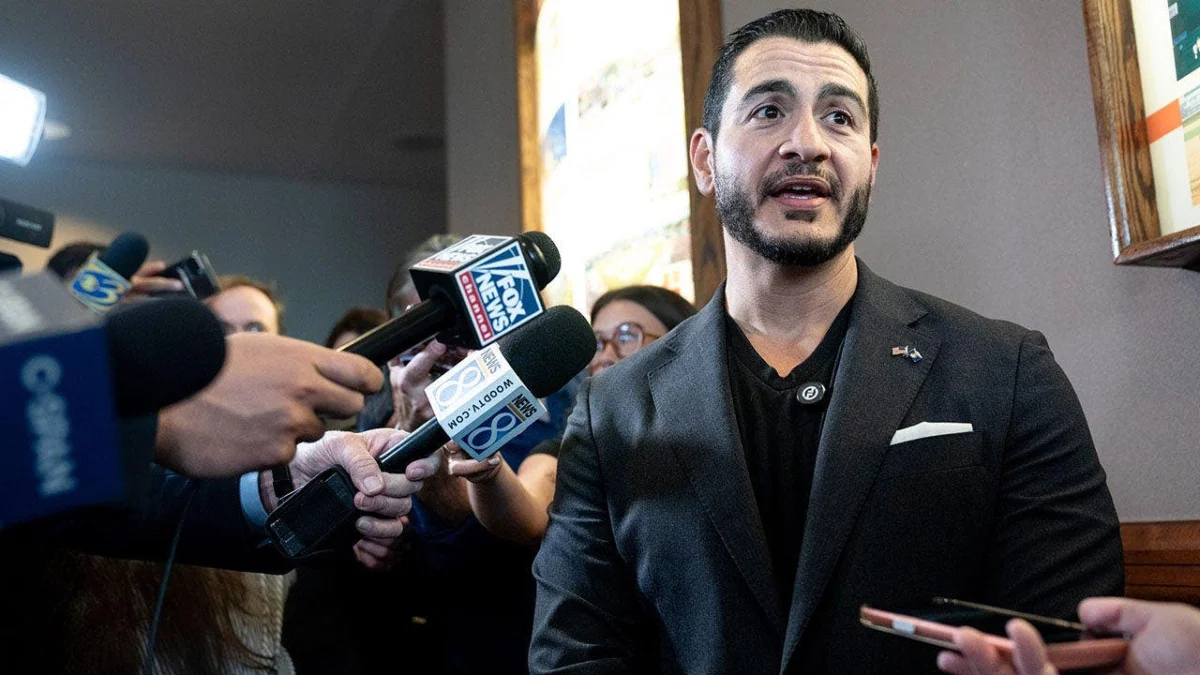
The Michigan U.S. Senate race has brought renewed attention to the political history of Democratic nominee Abdul El-Sayed, specifically regarding controversial comments made during his 2018 gubernatorial campaign. As El-Sayed seeks to secure a seat in the upper chamber of Congress, opponents and critics have pointed to a heated 2018 exchange where he addressed inquiries concerning his religious faith and allegations of ideological alignment with groups like the Muslim Brotherhood. The discourse surrounding his candidacy highlights broader national anxieties regarding the intersection of religious practice and public policy in the American legislative landscape.
A Chronology of the Controversy
The tension surrounding El-Sayed’s background traces back to his 2018 bid for governor of Michigan. During a high-profile forum, then-candidate Patrick Colbeck—a Republican lawmaker—challenged El-Sayed on his past leadership role within the Muslim Students Association (MSA) at the University of Michigan. Colbeck, who served as a state senator at the time, alleged that the MSA was identified in a 1991 internal document written by a Muslim Brotherhood operative as one of several organizations involved in a strategy for "civilization jihad" in North America.
El-Sayed, who served as vice president of the university’s MSA chapter in 2007, faced direct questioning about his religious affiliations. During the panel, a moderator pressed him on whether the implementation of Sharia law—a legal framework derived from Islamic religious precepts—was a realistic concern for the state of Michigan.
In response, El-Sayed rejected the premise of the inquiry. He emphasized his commitment to the U.S. Constitution and the Michigan Constitution, stating, "I solemnly swear to uphold the Constitution of the United States and the Constitution of this state—that’s the oath that if any one of us is elected, we will swear. I take that oath particularly seriously because it guarantees me the right to pray as I choose to pray." He definitively concluded the exchange by declaring that "Sharia law is not in question in this state."
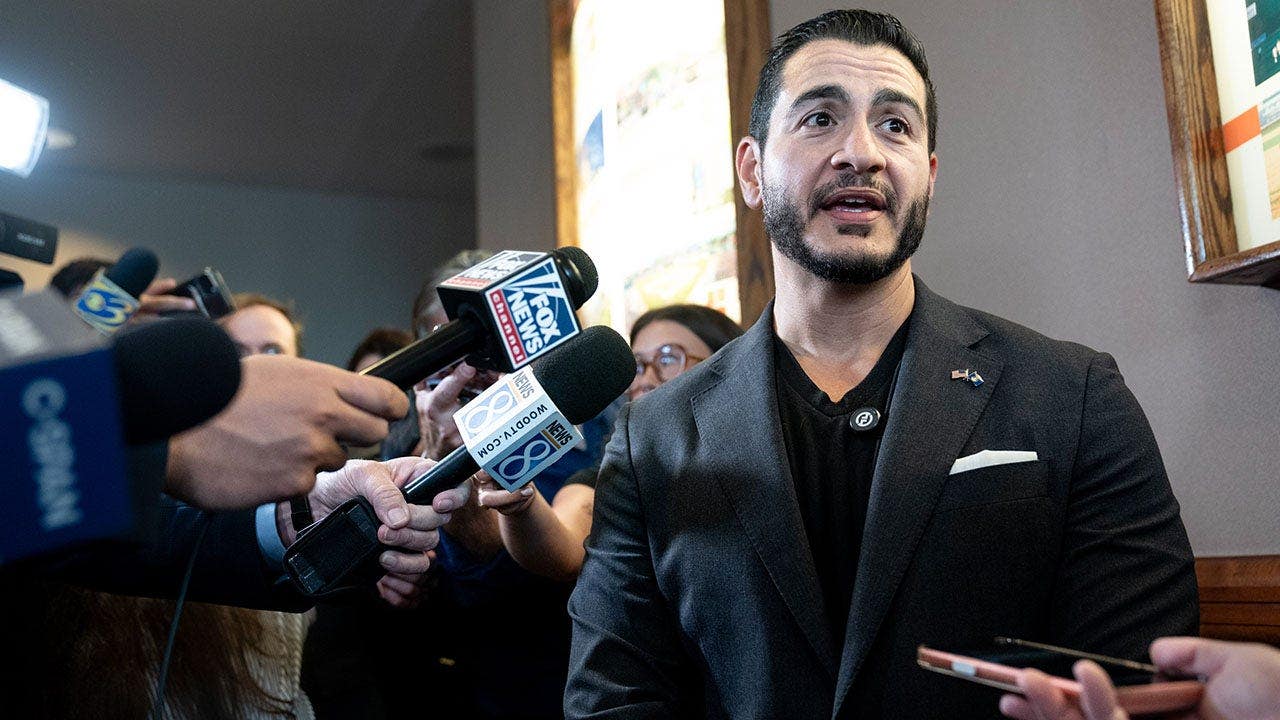
However, during that same 2018 forum, El-Sayed also made a remark that would later haunt his political trajectory. In a tense moment of pushback against his critics, he stated, "Now, you may not hate Muslims, but I’ll tell you, Muslims definitely hate you." This comment, meant to illustrate the atmosphere of distrust he felt was being cultivated by his opponents, has been cited by critics as evidence of a divisive approach to his constituency.
Contextualizing the Muslim Brotherhood Allegations
The Muslim Brotherhood, an international organization founded in Egypt in 1928, has long been a subject of intense geopolitical scrutiny. While the group is not designated as a terrorist organization by the United States government, it faces such bans in nations including Egypt, Saudi Arabia, the United Arab Emirates, Bahrain, and Russia. These governments often point to the group’s historical association with revolutionary activity and its ultimate goal of establishing Islamic governance.
The group officially renounced violence in the 1970s; however, it remains committed to the integration of Islamic law into the social and political fabric of the countries where it operates. In a 2012 document, the organization reaffirmed that the establishment of Sharia is an "integral part" of its mission.
Critics of El-Sayed argue that even if no formal ties exist between the candidate and the organization, his past leadership in campus groups listed in historical memoranda warrants scrutiny. Conversely, defenders and independent observers note that the memorandum cited by critics—the 1991 document—lists dozens of organizations, ranging from professional engineering associations to academic groups, many of which have no formal or operational connection to the Muslim Brotherhood. Fact-checkers and independent investigative bodies have repeatedly found no evidence linking El-Sayed to the group, nor any evidence that he has ever advocated for the implementation of religious law within the American legal system.
The Broader Debate on Sharia and Public Life
The unease surrounding El-Sayed’s candidacy is part of a larger national conversation regarding the influence of Sharia law in the United States. Prominent political figures, including Rep. Chip Roy (R-Texas), have frequently warned that the codification of religious law is fundamentally incompatible with the American constitutional order.
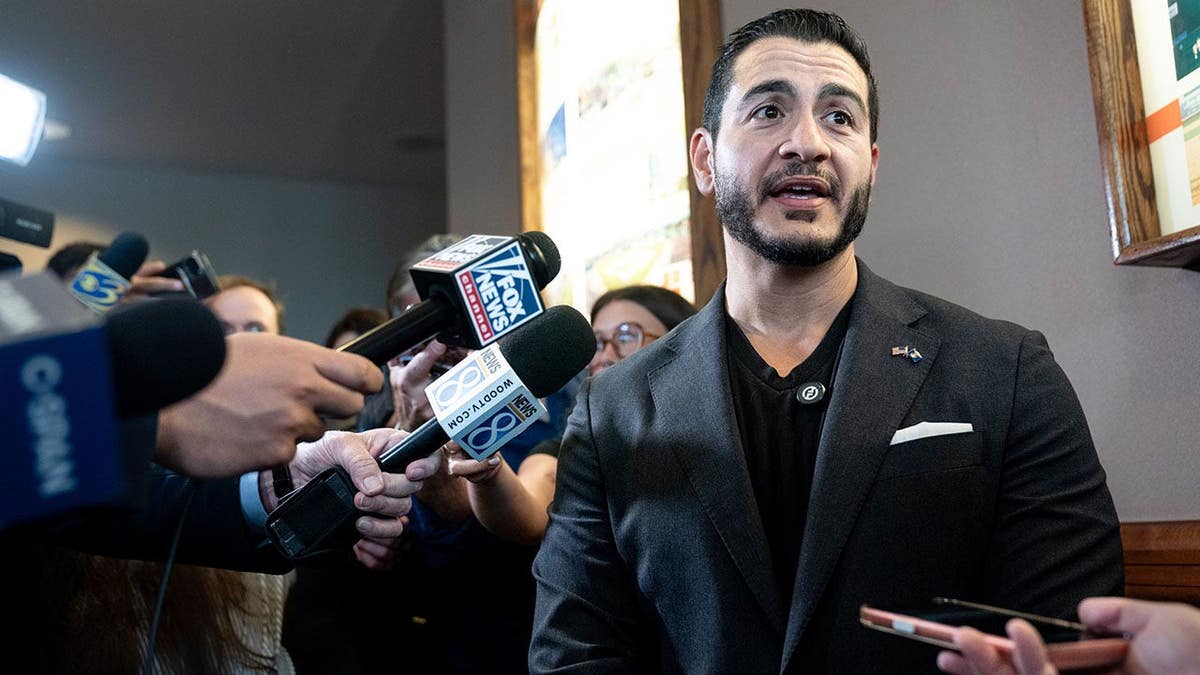
"America is facing a threat that directly attacks our Constitution and our Western values: the spread of Sharia law," Roy stated in a 2025 press release. Supporters of this view argue that any religious movement aiming to supplant civil law with theological dictates poses a threat to established protections for women, religious minorities, and freedom of speech.
In Michigan, this concern has been amplified by demographic shifts. According to 2020 U.S. Census data, over 54% of residents in Dearborn, Michigan, report Middle Eastern or North African ancestry. This concentration has led to heightened scrutiny of local governance and community sentiment. Pastor Lorenzo Sewell of the 180 Church recently made headlines during a town council meeting in Dearborn, where he claimed that the city had begun to operate under "Sharia law" and called for the council to explicitly denounce such practices. These localized tensions provide the backdrop against which El-Sayed’s current Senate campaign is playing out.
Official Campaign Stance and Responses
In response to the recurring questions about his ideology, the El-Sayed campaign has maintained a consistent stance: he is a secular public servant committed to the separation of church and state. Addressing concerns raised by the Washington Free Beacon and other outlets earlier this year, a spokesperson for the campaign clarified his position.
"Abdul believes in the separation of church and state," the campaign stated. "While he personally lives by the rules of his faith, as many Americans of various faiths do, Abdul opposes any effort by any religious community to write their faith laws into the laws of our country."
The campaign emphasizes that El-Sayed’s legislative record and proposed policy platform—which centers on healthcare, economic reform, and environmental protection—do not include any proposals related to religious law. His team argues that the continued focus on his faith is a distraction tactic employed by political rivals to avoid debating substantive policy issues.
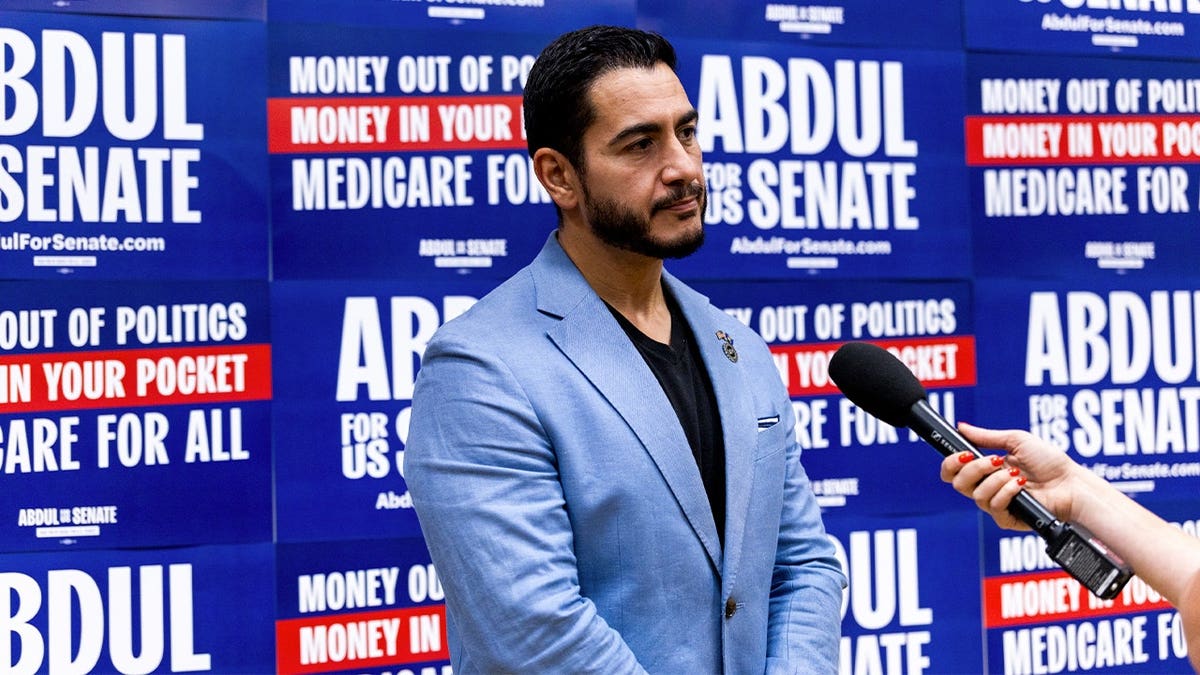
Implications for the 2026 Senate Race
As the 2026 election approaches, the debate over El-Sayed’s past remarks is likely to continue to influence voter perception. For some, his 2018 comments regarding "hatred" and his past organizational ties represent a fundamental incompatibility with traditional American political values. For others, these attacks are viewed as a form of Islamophobia that unfairly targets a candidate based on his faith rather than his actual policy platform.
The implications for the race are significant. Michigan is a critical battleground state, and success depends on mobilizing a broad coalition of voters. If the campaign remains focused on personal controversies, it may struggle to gain traction with moderate, undecided voters who are primarily concerned with inflation, employment, and the cost of living. Conversely, if El-Sayed can successfully pivot the conversation back to his stated policy goals, he may neutralize the impact of the ongoing criticisms.
The political environment in 2026 is markedly different from 2018. The rise of new social tensions, the increased influence of social media on political narratives, and a more polarized electorate have heightened the stakes. The scrutiny directed at El-Sayed underscores the reality that, in modern American politics, personal history and ideological perception can carry as much weight as policy substance.
Ultimately, the electorate will have to weigh the candidate’s explicit denials and his stated commitment to the Constitution against the warnings raised by his critics. As the campaign enters its final stages, the ability of both the El-Sayed campaign and his Republican opponents to control the narrative surrounding these questions will likely play a decisive role in the outcome of the race. The intersection of faith, law, and national identity remains a potent and sensitive topic, and it is clear that for the foreseeable future, it will remain central to the dialogue surrounding Michigan’s representation in the U.S. Senate.

