
Persuasive writing stands as one of the most essential academic and professional competencies, serving as the cornerstone for effective communication in democratic societies and competitive workplaces. By synthesizing logical reasoning, empirical evidence, and strategic rhetorical devices, students learn to influence perspectives and advocate for meaningful change. Recent pedagogical research indicates that integrating persuasive writing into curricula not only bolsters critical thinking but also enhances student engagement across diverse subjects. This article examines current best practices for teaching this skill, featuring insights from veteran educators Stacey Lloyd and Krista Barbour, alongside a framework for implementing persuasive writing exercises in the modern classroom.
The Evolution of Argumentative Pedagogy
The shift in modern English Language Arts (ELA) instruction has moved away from rigid, formulaic essay structures toward more dynamic, authentic writing experiences. Historically, students were often asked to write for a generic audience—usually a teacher grading a rubric. However, contemporary educational standards, such as the Common Core, emphasize the importance of audience awareness, the integration of counterarguments, and the distinction between logical argumentation and emotional persuasion.
According to data from the National Center for Education Statistics (NCES), proficiency in writing remains a significant hurdle for students transitioning to higher education. The ability to craft a coherent argument is directly correlated with success in post-secondary writing-intensive courses. Consequently, teachers like Stacey Lloyd, who has spent 15 years in curriculum design, and Krista Barbour, with 17 years of classroom experience, have pioneered methods that bridge the gap between abstract academic requirements and real-world application.
Core Methodologies for Classroom Instruction
To effectively teach persuasive writing, educators are increasingly adopting a tiered approach that begins with observation and ends with high-stakes, purposeful composition.
Analytical Observation
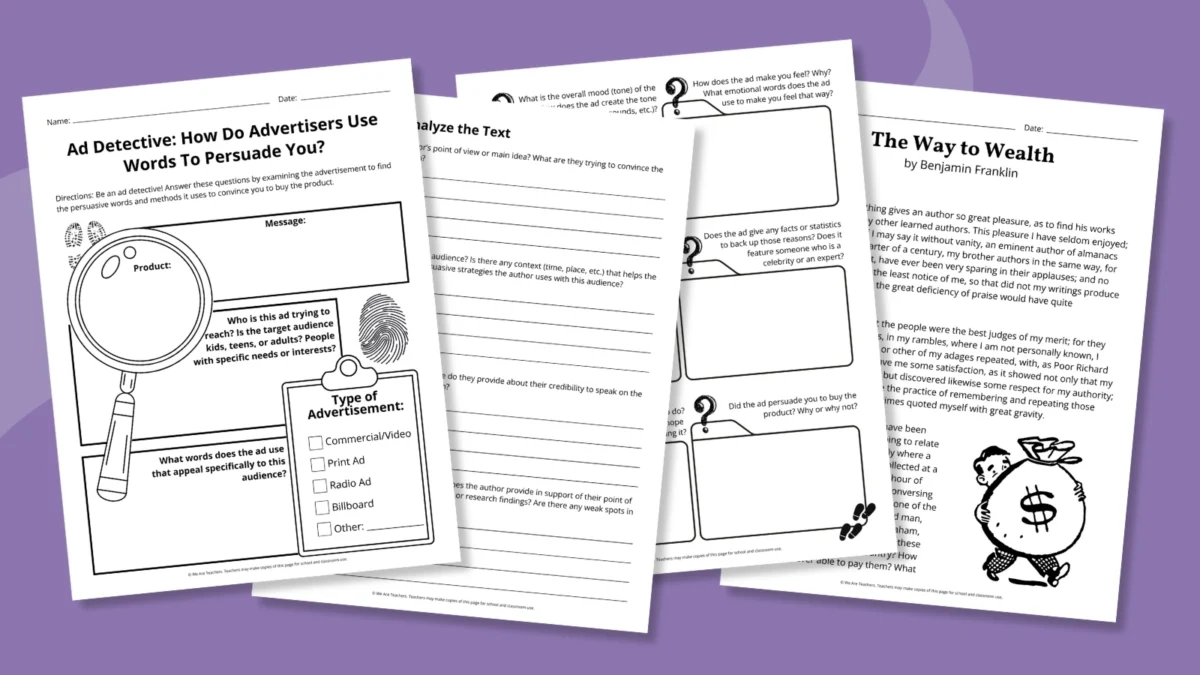
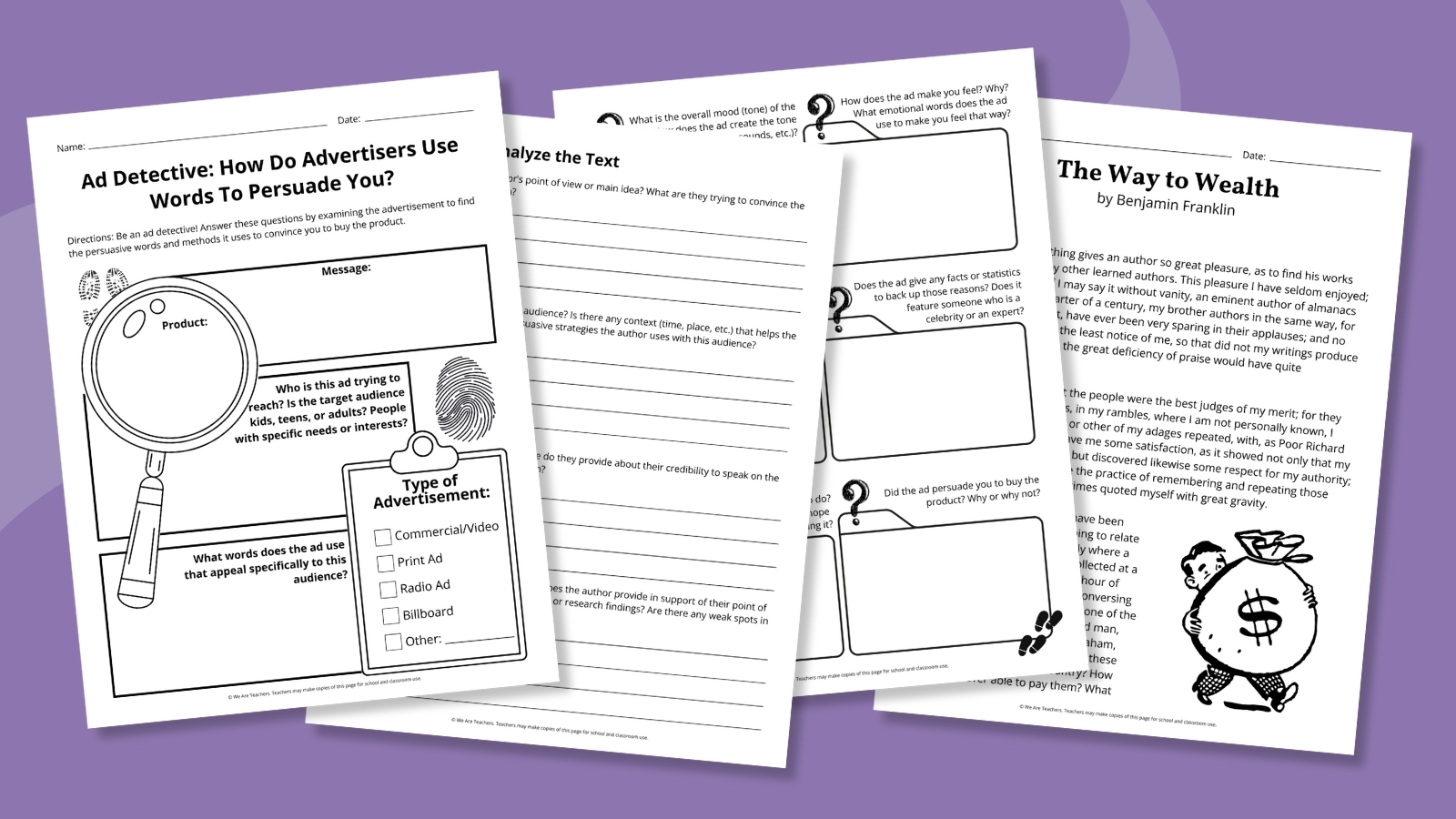
Before students can produce persuasive content, they must become astute consumers of media. Educators recommend "rhetorical hunting," where students analyze Super Bowl commercials, magazine advertisements, and political speeches for specific techniques. By identifying the use of the "rule of three," rhetorical questions, and emotive language, students build a cognitive library of tools. This process demystifies the mechanics of influence, allowing students to adopt these strategies organically rather than through rote memorization.
The Role of Low-Stakes Debate
Verbal communication serves as a vital precursor to written expression. By carving out time for "low-stakes" debates—discussions centered on subjective or trivial topics such as the merits of specific doughnut flavors or the definition of the "greatest of all time" (GOAT) in sports—teachers provide a safe space for students to test their reasoning. Data suggests that students who verbally workshop their arguments before drafting are more likely to identify gaps in their logic, resulting in more robust written submissions.
Authenticity and Purpose
Perhaps the most significant development in persuasive writing instruction is the shift toward authentic audiences. When students write a petition to a school board, a letter to a corporate customer support line, or an advocacy piece for a local animal shelter, the nature of their writing changes. The "void" of the academic assignment is replaced by a concrete, real-world target. This shift necessitates a deeper understanding of the audience’s values, requiring students to pivot from merely stating an opinion to strategically framing their evidence to address the concerns of the person they seek to persuade.
Distinguishing Persuasion from Argumentation
A critical distinction currently emphasized in professional development workshops is the difference between argumentative and persuasive writing. Argumentative writing relies heavily on logos—logical appeal and verifiable evidence. In contrast, persuasive writing incorporates elements of pathos, or emotional appeal, to connect with the reader.

Educators argue that failing to teach this distinction can lead to "emotionally inert" writing that, while logically sound, fails to compel the reader to action. Effective instruction requires teaching students how to make a reader feel something, and subsequently providing the evidence to justify that emotion.
Integrating Persuasion Across Disciplines
The interdisciplinary potential of persuasive writing is vast. Teachers are increasingly coordinating with colleagues in history, science, and mathematics to create assignments that leverage existing content knowledge. For instance:
- Science: Students can argue for or against the funding of specific environmental policies, using data from climate studies to support their claims.
- History: Students can debate the justification of historical military actions, requiring them to synthesize primary sources and historical context.
- Mathematics: Students can propose changes to school policies, such as the implementation of late-start schedules, using statistical analysis of student sleep patterns and performance data.
This cross-pollination ensures that writing becomes a tool for synthesis rather than a disconnected, standalone exercise. It also reduces the "blank page" syndrome, as students enter the writing phase already equipped with the necessary factual foundation.
Strategic Selection of Topics
The effectiveness of a persuasive essay often hinges on the student’s level of investment in the prompt. Adolescence is a period characterized by a heightened sense of justice and a desire for independence, making it an ideal time to introduce controversial or provocative topics.
School and Education
Prompting students to evaluate their own learning environment—such as the efficacy of letter grades or the potential for students to provide feedback on teacher performance—taps into their lived experience. These topics allow for rigorous debate regarding the fairness and utility of institutional structures.
Ethics and Morality
Ethical dilemmas, such as the obligation to return lost property or the moral implications of emerging technologies, serve as excellent vehicles for practicing pathos. These topics do not have "clean" answers, forcing students to navigate complex moral landscapes and refine their ability to build a case that transcends mere factual recitation.

Science and Technology
Topics like the minimum age for smartphone ownership or the ethics of nuclear armament provide opportunities for students to engage with global issues. These prompts require extensive research and the anticipation of counterarguments, providing essential training for real-world civic participation.
The Impact of Student Agency
Research consistently shows that student choice is a primary driver of academic motivation. By offering a curated range of topics that allow students to explore their own passions, teachers can significantly increase the depth and quality of the final product. When a student chooses to argue against the ban of contact sports because they are an athlete, or advocates for a change in school lunch policy because they are passionate about nutrition, the writing process becomes a personal mission.
Tools and Resources for Implementation
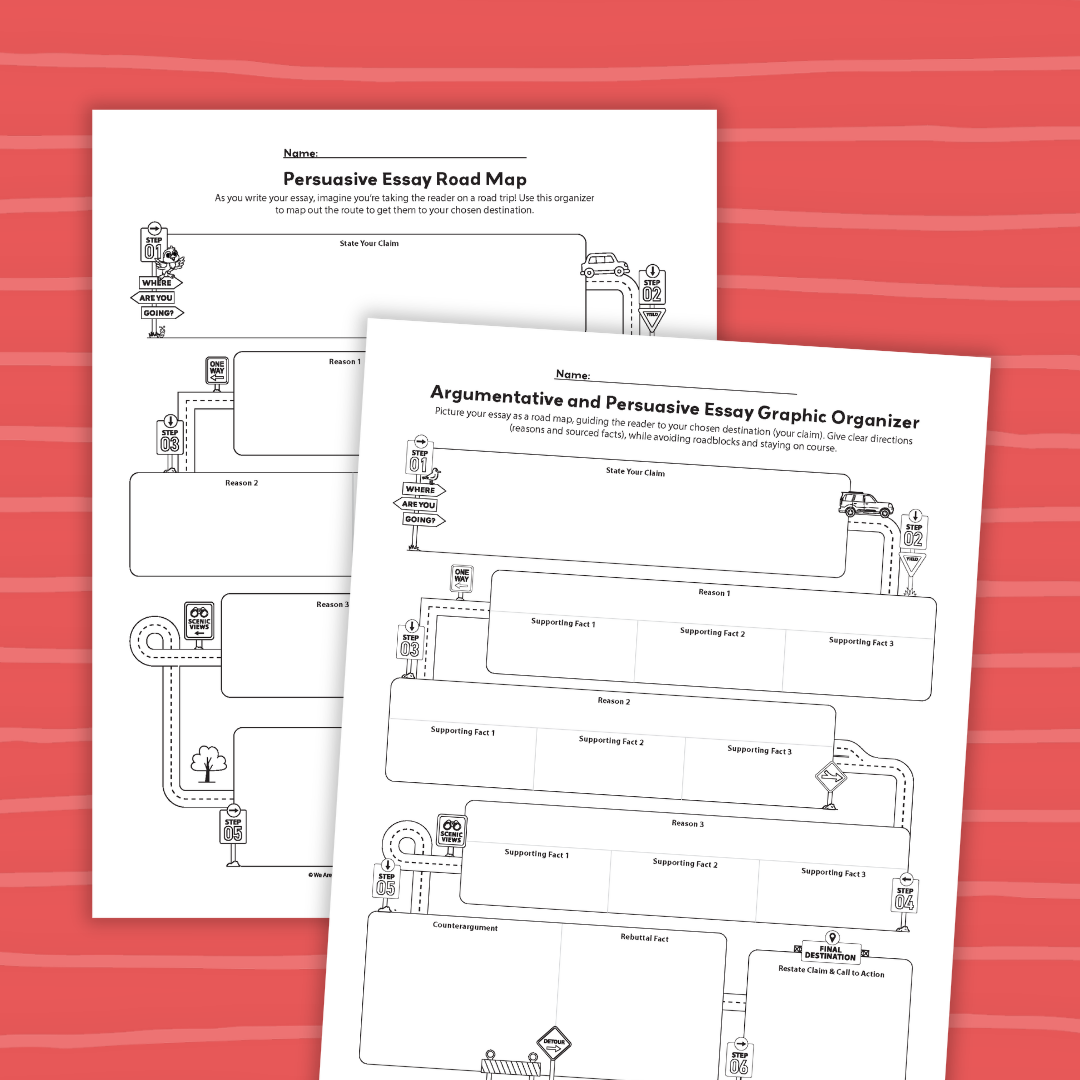
To assist educators in structuring these complex assignments, various pedagogical tools, such as graphic organizers, have been developed. A standard persuasive essay road map includes:
- The Hook: Grabbing the reader’s attention.
- The Claim: A clear, arguable thesis statement.
- Supporting Evidence: Data, anecdotes, and logical premises.
- Counterargument: Acknowledging and refuting the opposition.
- The Call to Action: A concluding statement that prompts the reader to take a specific step.
These visual aids are particularly effective for younger students or those who struggle with the organizational demands of longer essays. By providing a structural blueprint, teachers allow students to focus their cognitive resources on the quality of their arguments rather than the logistics of paragraph structure.
Conclusion and Future Implications
As the demand for strong communication skills continues to rise in the global economy, the role of persuasive writing in K-12 education becomes increasingly vital. By moving beyond traditional essay formats and embracing real-world audiences, interdisciplinary collaboration, and student-driven topics, educators are preparing the next generation to navigate a complex, information-saturated world.
The success of these methods rests on the teacher’s ability to create an environment where logic is celebrated, emotional intelligence is fostered, and curiosity is the primary driver of inquiry. As students master the ability to articulate their views with clarity and conviction, they gain not only a foundational academic skill but also the agency to participate meaningfully in the social and political conversations of their time. The integration of these techniques ensures that the classroom remains a vibrant, evolving space for the development of articulate and principled citizens.

