
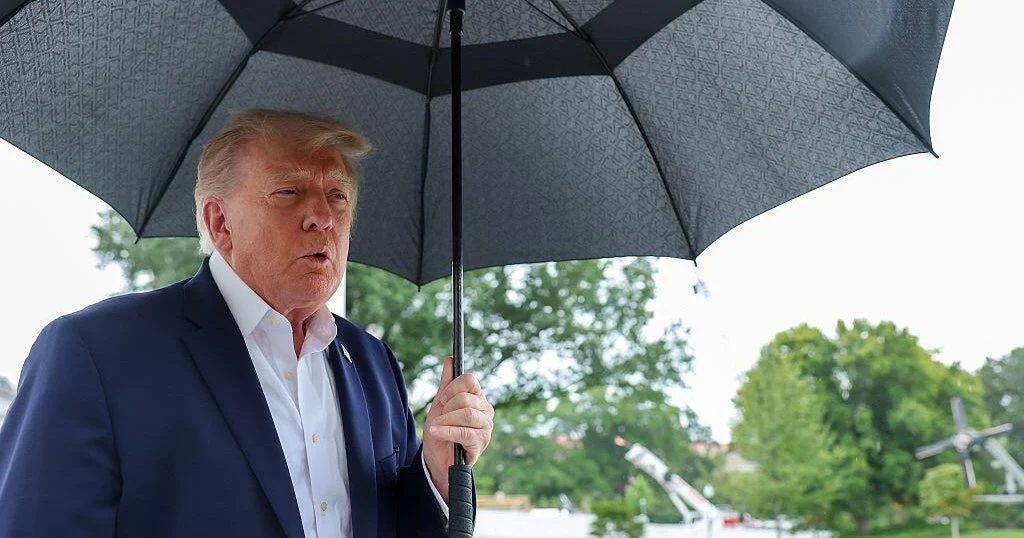
President Trump stated on Sunday that he has not ruled out ordering further military strikes against Iran prior to the upcoming United States midterm elections in November, even as indirect diplomatic channels and negotiations continue over the fate of the strategic Strait of Hormuz.
During an interview with Fox News, Trump declined to take future military action off the table when asked about potential strikes in the coming weeks. "I don’t want to say that. I don’t want to say that. I mean, it’s possible, but I just don’t want to say that," Trump replied. The president repeatedly expressed confidence that the ongoing regional conflict would soon draw to a close, asserting that global oil prices would eventually recede to prewar levels and emphasizing that preventing Tehran from acquiring a nuclear weapon remains the central objective of U.S. strategy.
The remarks follow a busy week of high-stakes diplomacy on the sidelines of the United Nations General Assembly in New York, where U.S. and Iranian delegations engaged in indirect talks mediated by regional partners such as Qatar and Oman. Despite these discussions, tensions remain near a boiling point as the broader Middle East conflict continues to disrupt global energy markets, strain international alliances, and trigger severe economic shocks.
Diplomatic Maneuvering and Rejection of Tehran’s Proposal
The diplomatic push reached a critical juncture on Friday when Iranian Foreign Minister Abbas Araghchi presented U.S. mediators with a proposed seven-day plan. According to Iranian officials, the framework aimed to reopen the Strait of Hormuz and restart comprehensive negotiations toward a permanent ceasefire, provided the United States lifts its naval blockade, removes restrictions on Iranian oil sales, halts hostilities across all Middle East theaters—including Lebanon—and honors conditions similar to a memorandum of understanding previously discussed in Islamabad earlier this year.
However, President Trump swiftly rejected the proposal over the weekend, telling Axios and other outlets that Tehran’s terms were unacceptable and that Iranian leaders were merely attempting to cut a deal because "they are losing so badly" and "overplayed their hand." Trump maintained that the U.S. holds a dominant position in the Persian Gulf, noting that U.S. naval escorts have successfully guided dozens of commercial tankers through the narrow waterway, moving millions of barrels of crude oil to international markets.
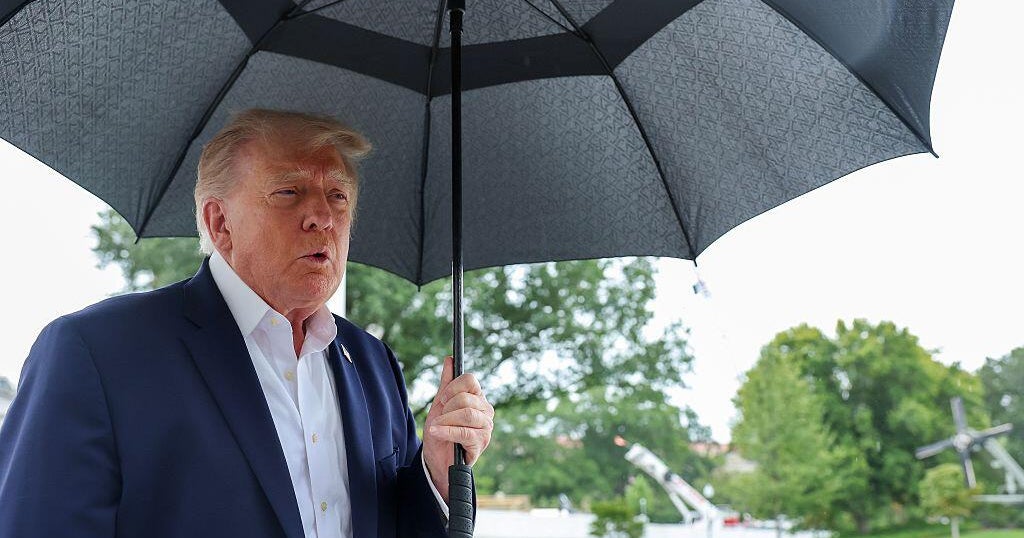
Despite the rejection, Iranian officials indicated they remain open to diplomatic engagement. Araghchi told NBC News from New York that Tehran is fully prepared for a resumption of hostilities if necessary, but stands equally ready to pursue a political settlement, leaving the final choice to Washington.
The Standoff in the Strait of Hormuz and Global Energy Shocks
The focal point of the crisis remains the Strait of Hormuz, a vital maritime chokepoint through which a significant portion of the world’s petroleum passes. Following months of naval conflict, trade disruptions, and blockades, the U.S. military has maintained a heavy presence in the region to escort commercial vessels. U.S. Central Command reported that the ongoing maritime blockade of ships entering or exiting Iranian ports has resulted in dozens of commercial vessels being redirected, while U.S. naval escorts have helped stabilize export volumes from other regional producers.
Concurrently, tensions have spilled over into the Bab el-Mandeb Strait and the Red Sea, where Iran-backed Houthi forces in Yemen have intensified attacks against Saudi energy infrastructure and shipping lanes. These developments have severely squeezed global energy supplies, sending international benchmark Brent crude hovering near elevated levels around $103 to $104 per barrel. The prolonged disruption has rippled through the global economy, forcing the European Union to warn of an escalating energy price crisis and prompting Saudi authorities to implement temporary remote learning measures in Riyadh amid rising security concerns.
Domestic Political Fallout and Congressional Reactions
Back in Washington, the intersection of foreign policy and domestic politics has intensified ahead of the November midterm elections. Lawmakers from both sides of the aisle have expressed starkly divergent views on the administration’s handling of the conflict and its potential economic fallout.
Democratic Representative Jim Himes of Connecticut, the ranking member on the House Intelligence Committee, criticized the administration’s hardline approach during an appearance on Face the Nation, calling threats to completely annihilate Iran nonsensical. Himes warned that Tehran retains significant leverage over the midterm elections through its ability to influence global oil prices. He argued that even minor disruptions by Iran or its proxies targeting maritime shipping could spike fuel costs, directly impacting vulnerable congressional candidates at the ballot box.
Conversely, Republican Senator John Kennedy of Louisiana defended the administration’s posture, dismissing Iran’s recent proposal as an unserious offer. Kennedy supported the ongoing use of economic sanctions and naval blockades to pressure the Iranian regime, acknowledging the heavy economic pain caused by high energy prices while insisting that neutralizing the threat posed by Tehran remains paramount.
Economic Warfare and Broader International Repercussions
The economic campaign against Iran has escalated aggressively on multiple fronts. Treasury Secretary Scott Bessent announced expansive new measures under what has been dubbed "Operation Economic Outcast," aimed at systematically isolating Iran’s financial and aviation sectors. Washington has pressured international partners to cut ties with Iranian commercial carriers, warning that nations or entities facilitating transactions for blacklisted airlines or banks face expulsion from the U.S. dollar financial system. Consequently, several countries, including the United Arab Emirates, Turkey, and Iraq, have moved to restrict or suspend flights by Iranian airlines, though nations like Iraq have sought humanitarian exemptions for religious pilgrimages and medical travel.
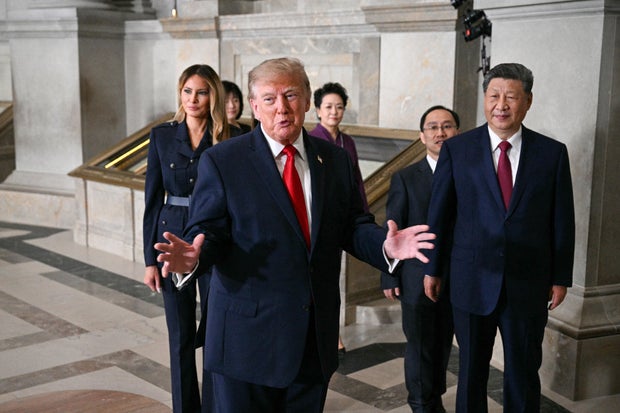
Meanwhile, major global powers have sought to navigate the crisis. During a high-profile state visit to Washington, Chinese President Xi Jinping discussed the regional conflict with President Trump. While Washington warned Beijing against providing direct or indirect support to Tehran—such as intelligence sharing or military hardware—China used its platform at the United Nations General Assembly to emphasize the necessity of respecting the sovereignty of Gulf states and upholding international law. Similarly, Russian Foreign Minister Sergey Lavrov met with his Iranian counterpart in New York, reiterating Moscow’s willingness to contribute constructively to regional stabilization architecture.
Looking Ahead
As the conflict stretches past its initial months, the path toward a sustainable resolution remains narrow. While backchannel negotiations facilitated by regional intermediaries like Qatar and Oman continue to explore frameworks for de-escalation, the fundamental gaps between Washington’s demands for complete disarmament and Tehran’s conditions for sanctions relief and maritime access persist. With President Trump refusing to rule out additional military action before the November midterms and Iran signaling readiness for either protracted conflict or diplomatic compromise, the stability of the Middle East and global energy markets hangs in a precarious balance.

