
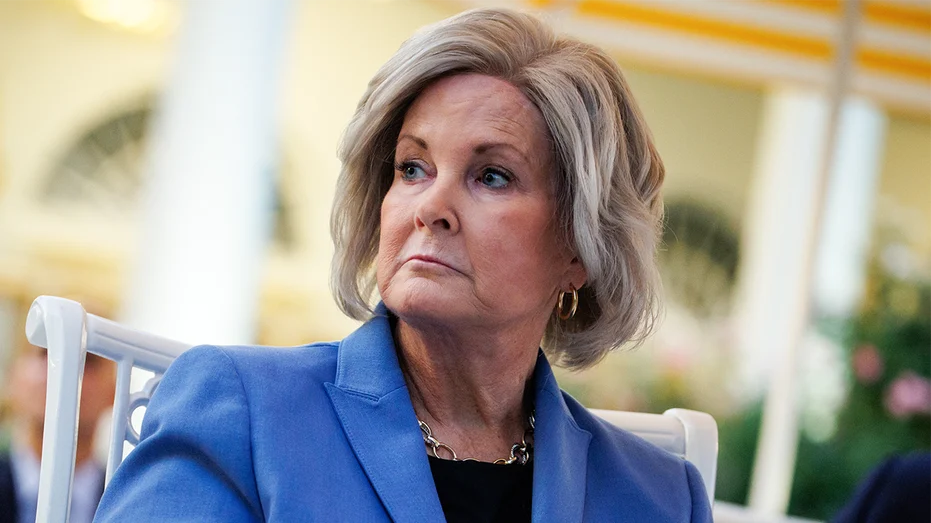
The role of White House chief of staff is widely considered one of the most demanding positions in the American political apparatus, requiring round-the-clock vigilance, strategic acumen, and the physical stamina to navigate the high-pressure environment of the West Wing. For Susie Wiles, the current occupant of that office, the challenge of managing the nation’s executive agenda was compounded by a personal crisis: a diagnosis of early-stage breast cancer. In a candid op-ed published this past Sunday in USA Today, Wiles provided a rare, behind-the-scenes look at the intersection of public service and private health struggles, detailing how she navigated the grueling regimen of chemotherapy while maintaining her leadership responsibilities under President Donald Trump.
The disclosure offers a window into the reality faced by millions of working professionals who must balance the professional demands of high-level careers with the profound physical and mental toll of cancer treatment. Wiles described a life where the disease was an ever-present shadow, occupying her thoughts from the early morning hours until she fell into a restless sleep. She characterized the experience as “brutal and unrelenting,” noting that the persistent barrage of medical appointments, diagnostic scans, and the emotional weight of an uncertain prognosis often threatened to overwhelm her professional focus.
A Chronology of the Struggle
Wiles’s journey into the public eye regarding her diagnosis began in March 2026, when she first disclosed her early-stage breast cancer. The announcement came during a period of intense political activity, yet she remained largely present, continuing her duties as the gatekeeper for the president. Throughout the spring and summer of 2026, Wiles balanced the delicate, high-stakes negotiations required of her position with a rigorous medical schedule.
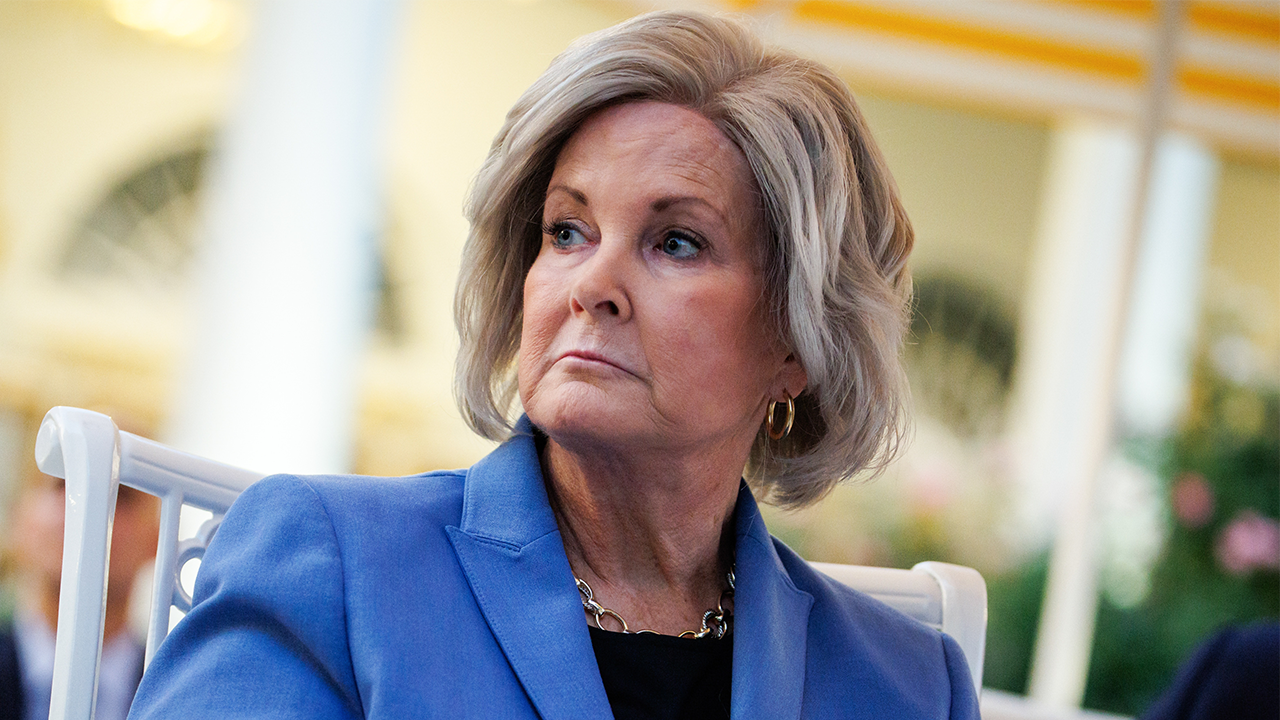
By May 2026, her battle had reached the attention of the president himself. In a prerecorded tribute video, President Trump offered a public show of support, praising Wiles for her resilience and noting that she was “winning her cancer battle.” This public acknowledgment signaled the significance of her role within the administration, as the president explicitly recognized the adversity she was facing while steering the ship of state.
The culmination of this period arrived in September 2026. On September 16, Wiles announced that she was officially cancer-free, following a successful surgical procedure and subsequent medical clearance from the Mayo Clinic. Her recent op-ed serves as a reflection on that journey, marking the transition from active treatment to the long-term process of recovery and the rebuilding of the stamina that chemotherapy had diminished.
The Physical and Psychological Toll
In her writing, Wiles was transparent about the limitations the treatment imposed. She noted that “chemotherapy is, in a word, a b—-,” highlighting the severe side effects that often impede a patient’s ability to function in a standard professional capacity. For Wiles, the struggle was often internal; while she maintained the outward appearance of the composed, strategic operative known to Washington, internally she was fighting to simply "get out of bed."
The psychological impact was equally profound. Wiles wrote that cancer has a tendency to make a person’s world “very small,” narrowing one’s focus to the immediate survival of the next treatment or the results of the next blood panel. By choosing to continue working, Wiles found a sense of purpose that acted as an anchor, preventing the diagnosis from consuming her entire identity. She acknowledged, however, that her ability to remain in the post was not a universal standard, and that the physical toll—affecting her focus, mobility, and energy levels—was a constant hurdle that required the support of her colleagues, her medical team, and her family.
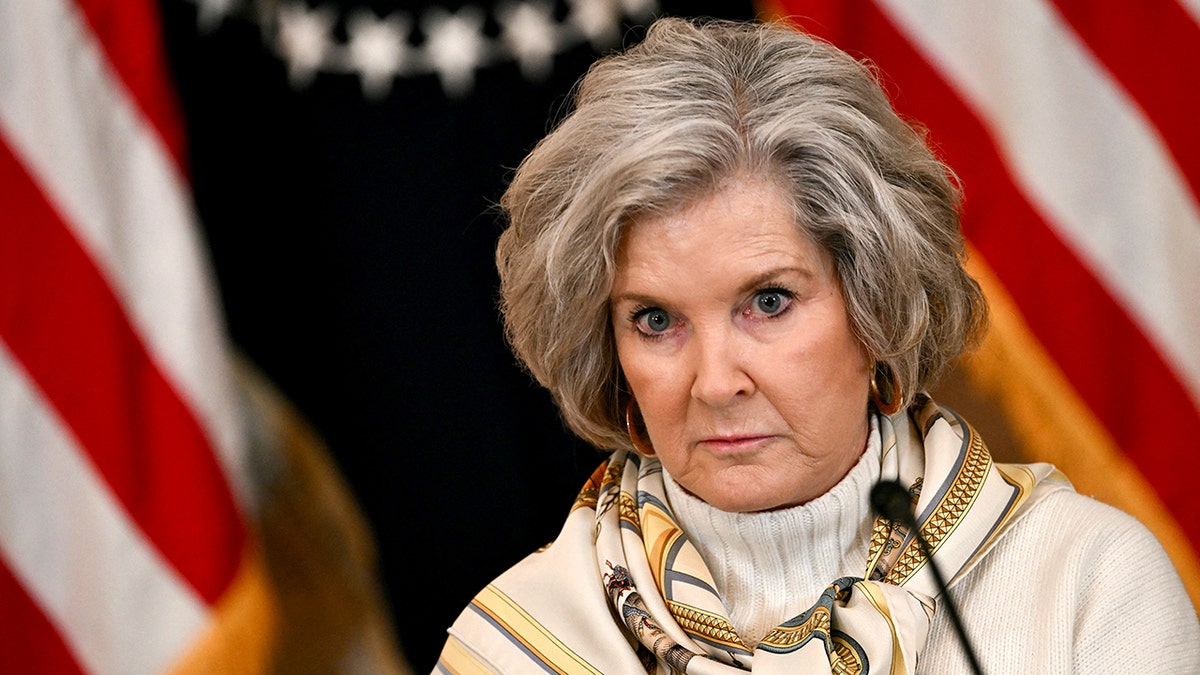
Supporting Data and Medical Context
Breast cancer remains one of the most common diagnoses among women in the United States. According to data from the American Cancer Society, an estimated 300,000 new cases of invasive breast cancer are diagnosed annually. The management of these cases in high-stress professional environments is a subject of growing interest in medical sociology.
Medical experts note that "cancer-related brain fog"—a common cognitive side effect of chemotherapy—can significantly impact executive functioning. Wiles’s admission that her focus was occasionally compromised aligns with clinical research suggesting that even when patients remain highly productive, they are often operating under significant cognitive and physiological deficits. Studies, such as those recently cited in clinical literature, indicate that simple, structured lifestyle interventions and targeted rehabilitation can assist in mitigating these effects. Wiles’s experience underscores the importance of a strong support system, which she credited as a vital component of her ability to navigate the transition between the Situation Room and the oncology clinic.
Official and Personal Responses
The response to Wiles’s disclosure has been marked by both professional admiration and personal warmth. Her daughter, Katie Wiles, took to the social media platform X to offer a public tribute to her mother’s character. "A strong woman isn’t loud in her strength; she’s steady and unshakable," she wrote, echoing the sentiments of many who have watched Wiles navigate the public glare during her illness.
The White House has maintained a supportive posture throughout the ordeal. By integrating her recovery with her administrative duties, Wiles has sparked a quiet but meaningful conversation within the Beltway about the expectations placed on public servants. While political figures are often expected to project an image of invulnerability, Wiles’s decision to share her experience has humanized the office of the chief of staff, reminding observers that those in the highest echelons of government are not immune to the universal challenges of human health.
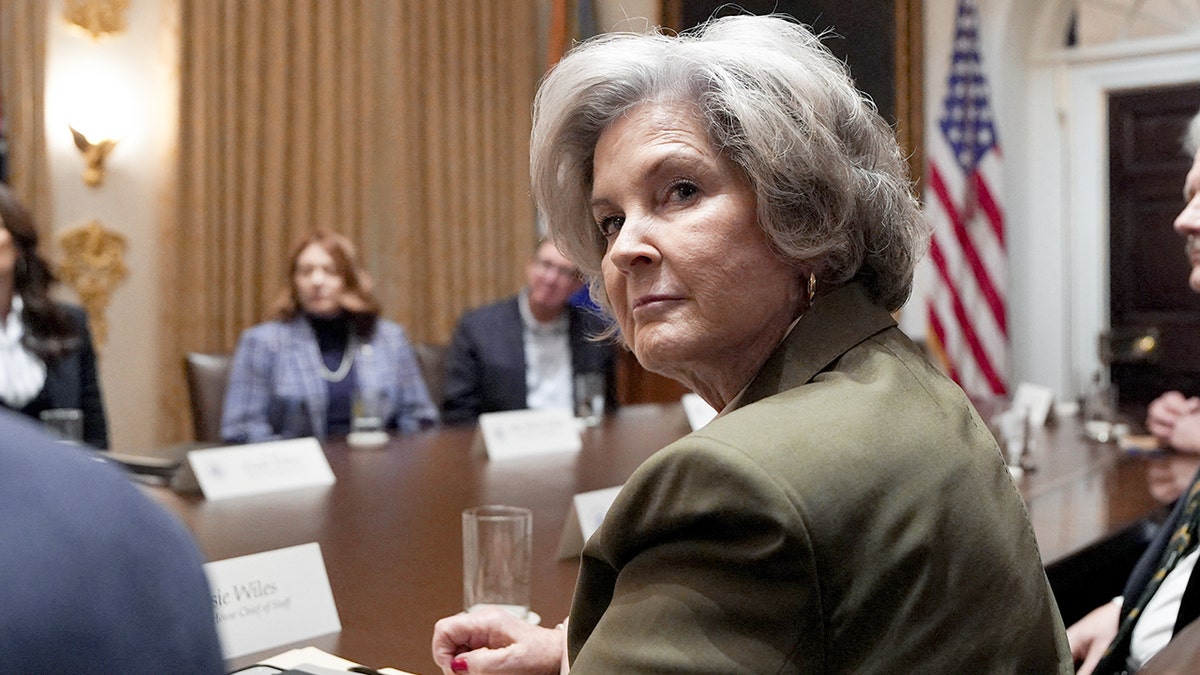
Broader Implications and Public Impact
The implications of Wiles’s narrative extend beyond the personal. By documenting her journey, she has contributed to a broader discourse regarding the destigmatization of illness in the workplace. In the context of American politics, where the "toughness" of an official is often used as a metric for their capability, Wiles’s account provides a nuanced counter-narrative: that strength is not the absence of struggle, but the capacity to continue one’s responsibilities in spite of it.
Furthermore, her account serves as a resource for other patients currently undergoing treatment. By explicitly stating that her path was not a roadmap for everyone, she avoided the common pitfall of toxic positivity, instead offering a realistic appraisal of the difficulties involved. Her focus on maintaining her identity outside of the "patient" label—as a mother, a grandmother, a friend, and a public servant—provides a blueprint for how individuals can maintain their sense of self when facing life-altering diagnoses.
As Wiles looks toward the future, the primary challenge remains the process of rebuilding. Having received the "all-clear" from her medical team, she is now tasked with the physical recovery that follows the conclusion of intensive treatment. For the White House, the return of a fully recovered chief of staff marks the end of a period of uncertainty, yet for Wiles, the experience has likely permanently altered her perspective on the balance between professional ambition and the necessity of personal resilience.
In her concluding remarks on the matter, Wiles reiterated her commitment to her role, emphasizing that her service to the country remains a core pillar of her life. Her story stands as a testament to the fact that while a medical diagnosis may attempt to redefine the boundaries of a life, it does not necessarily dictate the outcome, nor does it have to define the person behind the title. As the political calendar moves toward the next cycle of challenges, Wiles remains at her desk, having navigated one of the most difficult trials a person can face, providing a template of endurance for those who find themselves in similar, daunting circumstances.

