
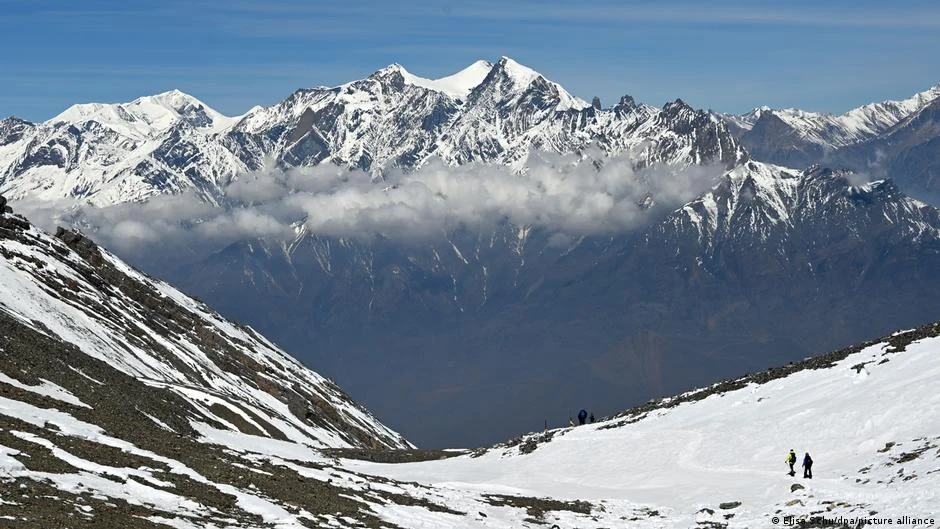
A catastrophic avalanche struck the base camp of the 7,126-meter Himlung Himal in Nepal on Sunday morning, resulting in at least two confirmed fatalities and triggering a complex, high-altitude search and rescue operation for a group of missing support staff. The disaster occurred in a remote region near the Tibetan border, where several days of relentless rain and heavy snowfall had already compromised the structural integrity of the high-altitude terrain. The victims and those currently unaccounted for were primarily kitchen staff and mountain guides employed by local expedition companies, who were stationed at the base camp to establish infrastructure ahead of the autumn climbing season.
The Nepal National Mountain Guide Association (NNMGA) confirmed that of the 16 individuals initially identified as missing, the bodies of two climbing guides have been recovered. The remaining 14 individuals—all of whom are members of the essential kitchen support teams—remain missing, prompting an urgent, though logistically fraught, rescue mission.
Chronology of the Disaster
The tragedy unfolded against a backdrop of severe meteorological instability that had been battering the Himalayan region for several days. According to meteorological reports, heavy, unseasonal precipitation began across Nepal on the preceding Thursday, causing widespread disruption. In the higher-altitude zones, this rain transitioned into intense snowfall, creating dangerous conditions for the personnel stationed at the Himlung Himal base camp.
By early Sunday morning, the accumulation of fresh snow on the steep slopes surrounding the base camp reached a critical threshold. The resulting avalanche descended with immense force, striking the camp where support staff were busy preparing for the arrival of international climbing parties. Local police reports suggest that at least 22 people were present at the site when the disaster occurred, though the lack of stable telecommunications in the remote sector has led to conflicting figures regarding the exact number of individuals affected.
As of Monday, the search and rescue operation remains in its early stages. Despite the inherent dangers of secondary avalanches, ground crews and local trekking companies are working to reach the site. Bibhuti Chand Thakur, head of Himalayan Holidays Nepal, expressed a cautious optimism regarding the possibility of finding survivors, noting that the depth and softness of the fresh, powdery snow may have provided some cushioning for those caught in the slide. However, he acknowledged that the lack of communication remains the primary obstacle to obtaining a verified headcount.
The Geography and Risk Profile of Himlung Himal
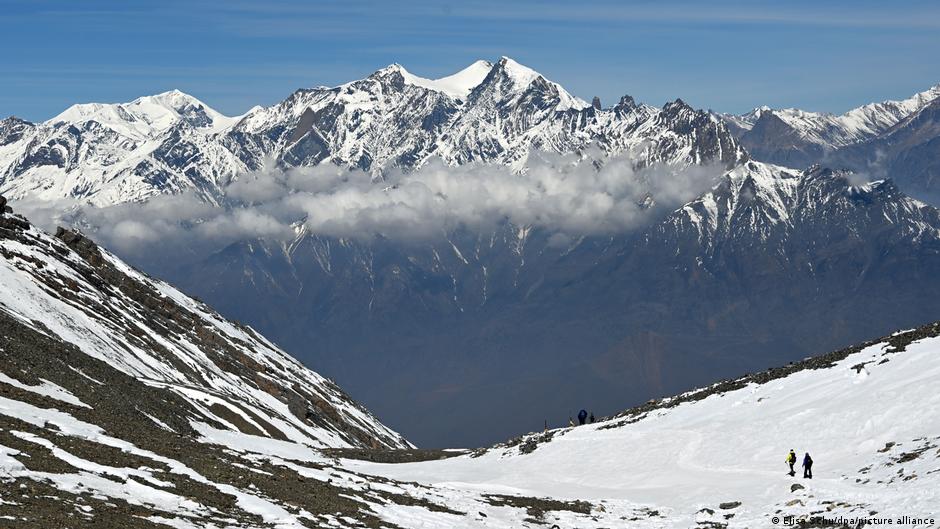
Himlung Himal is situated in the Gandaki Province, nestled between the Annapurna and Manaslu ranges. While it does not command the global fame of Mount Everest or Kanchenjunga, it is a highly regarded objective for mountaineers seeking technical challenges and high-altitude experience. Standing at 7,126 meters, the peak is notoriously susceptible to rapid weather shifts.
The base camp is located at a high altitude where the environment is unforgiving. For local support staff—the backbone of the Nepalese climbing industry—the work is essential but perilous. These teams arrive weeks before the paying clients to transport equipment, set up tents, manage food supplies, and establish fixed lines. Their presence is a prerequisite for the safety of the mountaineers who follow, yet they are often the most exposed to environmental hazards before proper risk assessments can be finalized by lead guides.
Broader Impact of Unseasonal Weather
This incident is the latest in a series of climate-related disasters to strike Nepal. The country has been grappling with an unusually volatile monsoon season and extreme weather events that experts increasingly link to broader patterns of global climate change.
In August of this year, Nepal experienced catastrophic flooding and landslides that claimed more than 1,400 lives and left thousands displaced or missing. The persistent rainfall that preceded the Himlung Himal avalanche is part of this same volatile weather pattern, which has resulted in the degradation of infrastructure, the disruption of critical trekking routes, and the forced suspension of climbing activities on various peaks across the country.
The economic implications for Nepal are profound. Mountaineering and trekking tourism account for a significant portion of the nation’s gross domestic product (GDP). When major incidents occur, they lead to the immediate closure of climbing windows, causing ripple effects that hurt local guides, porters, tea-house owners, and transport companies. The industry is currently facing a period of intense scrutiny regarding safety protocols and the timing of climbing seasons in an era of unpredictable mountain weather.
Official Response and Safety Concerns
Government authorities have been quick to warn of the dangers posed by the current weather system. The Department of Tourism, which oversees climbing permits, has been in constant communication with regional authorities to monitor the safety of various expeditions. However, the remoteness of the Himlung Himal region complicates centralized command and control, leaving much of the immediate response to the private sector and local mountaineering associations.
The Nepal National Mountain Guide Association has emphasized the need for a comprehensive review of base camp safety standards. "Our priority is to locate the missing and support the families of the victims," a spokesperson noted in a brief statement. "However, once this phase concludes, we must look at how we manage risk during these periods of severe weather warnings."
Experts in glaciology and mountain safety point out that the Himalayan region is seeing an increase in the frequency of "wet" avalanches—slides triggered by rain-on-snow events, which are becoming more common as temperatures rise. These avalanches are often heavier, faster, and more unpredictable than traditional dry snow avalanches.
Analysis: A Changing Landscape for Mountaineers
The tragedy at Himlung Himal serves as a stark reminder of the human cost associated with the commercialization of high-altitude mountaineering. While clients pay for the experience of reaching the summit, the labor force that facilitates these achievements faces disproportionate risks.
The reliance on manual labor for logistics in high-altitude environments, combined with the increasing unpredictability of the Himalayan climate, creates a situation where traditional safety metrics may no longer be sufficient. Modern forecasting technology is available, but the "last-mile" communication and decision-making processes in remote base camps often lag behind.
Furthermore, the environmental degradation caused by climate change—such as the thawing of permafrost and the expansion of glacial lakes—is altering the stability of the slopes upon which base camps are situated. For the Nepalese government, the challenge lies in balancing the economic necessity of the climbing industry with the urgent requirement to implement stricter, more scientifically grounded safety regulations that account for the new, harsher reality of the mountain climate.
As the search for the 14 missing staff continues, the mountaineering community, both in Nepal and abroad, waits for updates. For many, this event is not merely a tragedy but a clarion call to re-evaluate the resilience of the industry. The loss of life in the mountains is an inherent risk of the trade, but when coupled with extreme, unseasonal weather, it highlights a systemic vulnerability that requires immediate attention from policymakers and mountaineering stakeholders alike.
The rescue efforts are expected to continue as long as weather conditions permit, though the window for a successful recovery operation is narrowing. Authorities have urged all trekking and climbing teams in the region to remain at lower elevations until the current weather system fully dissipates and the snowpack stabilizes. Whether this disaster will result in a fundamental shift in how Nepal manages its climbing seasons remains to be seen, but for now, the focus remains firmly on the slopes of Himlung Himal and the families awaiting news of their loved ones.

