
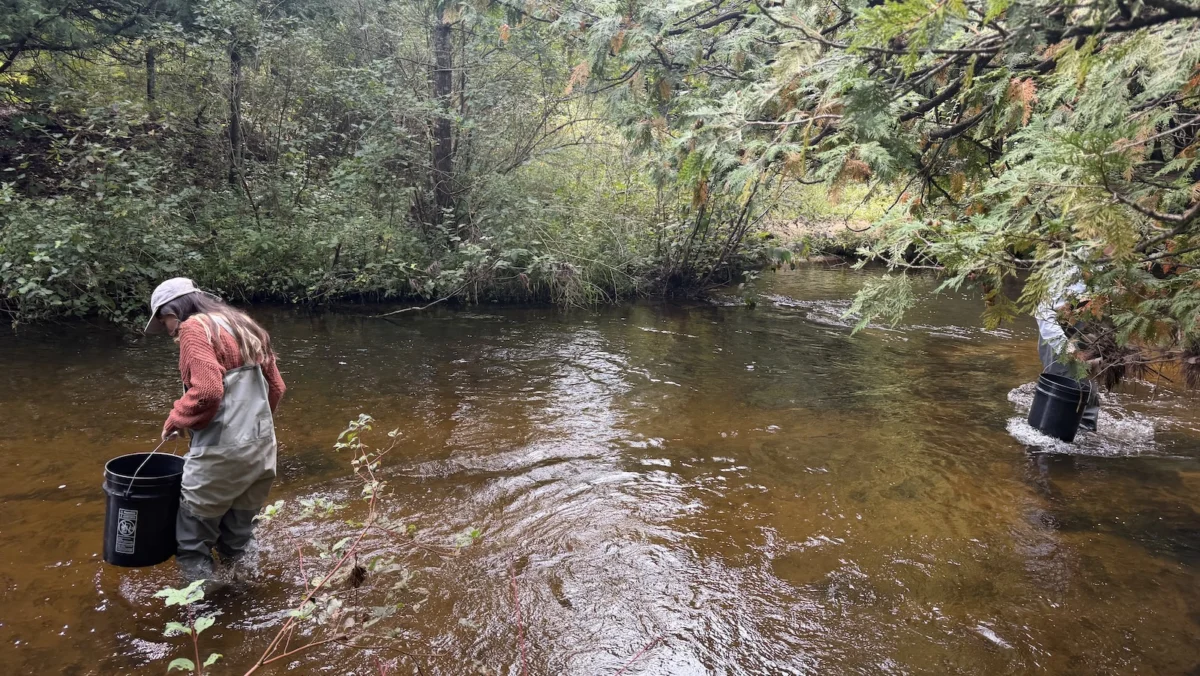
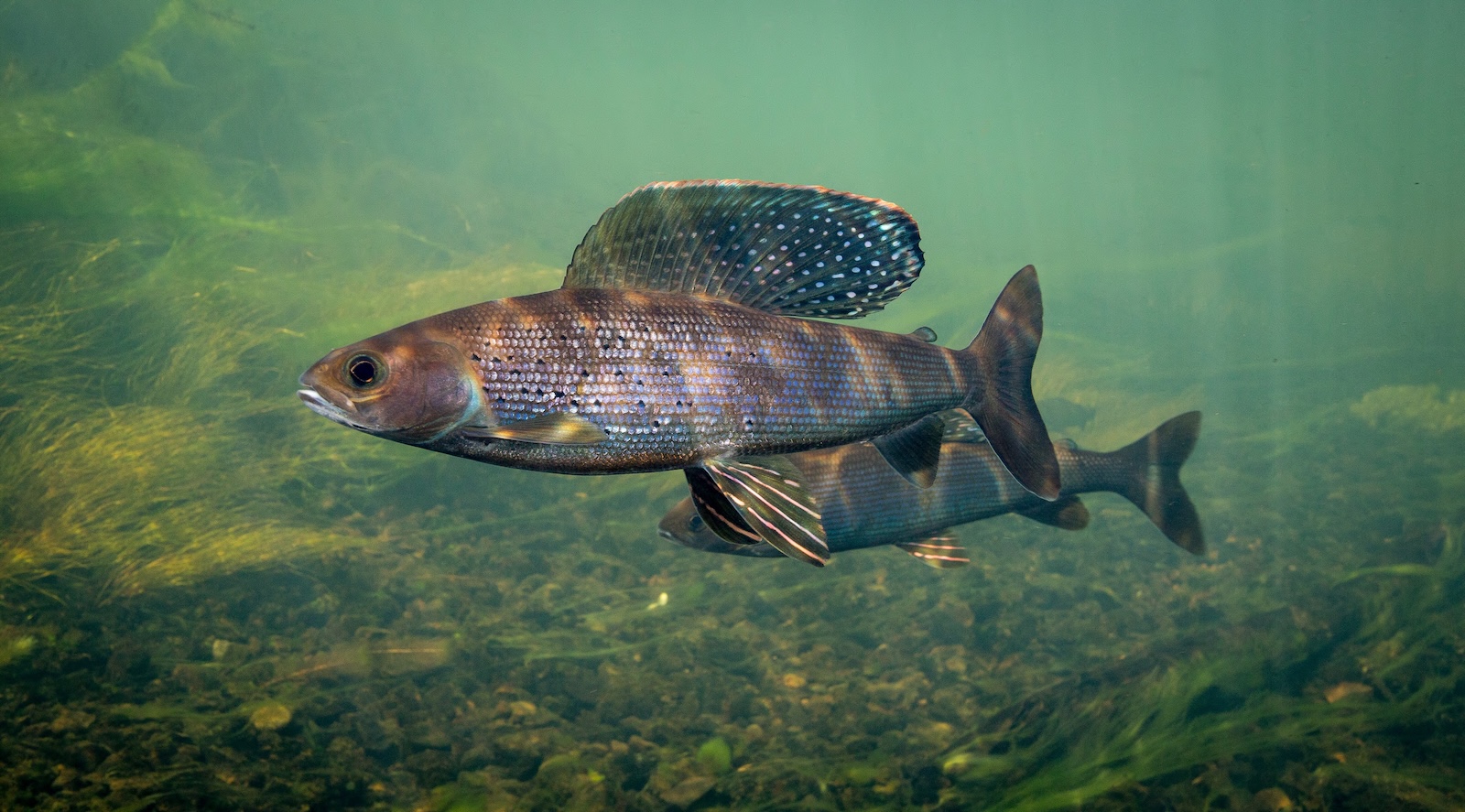
In the cold, clear currents of northern Michigan’s rivers, a quiet, ambitious, and deeply cultural experiment is underway to bring back a species that has been absent from the Great Lakes region for nearly a century. The Arctic grayling, a fish defined by its striking iridescent dorsal fin and historical significance to both the ecology and the Anishinaabe people, is the subject of an intensive, multi-year reintroduction effort led by three Michigan tribes. This project, which combines traditional ecological knowledge with modern conservation science, represents a significant push to restore native biodiversity while grappling with the unpredictable realities of a changing climate.
A Historical Void: The Rise and Fall of the Michigan Grayling
The Arctic grayling was once the iconic game fish of Michigan’s cold-water streams, particularly in the northern reaches of the Lower Peninsula. During the mid-to-late 19th century, they were so abundant that they were often referred to as the "sailfish of the north." However, the species faced a catastrophic decline starting in the late 1800s. The rapid expansion of the logging industry during this period decimated the state’s forests, leading to massive siltation of riverbeds. The removal of canopy cover increased water temperatures, while the introduction of non-native species like brown and brook trout created intense competition for limited resources. By the 1930s, the Arctic grayling was officially extirpated from Michigan waters.
For decades, the loss of the grayling was viewed as a permanent ecological scar. However, the current restoration initiative, spearheaded by the Grand Traverse Band of Ottawa and Chippewa Indians, the Little River Band of Ottawa Indians, and the Little Traverse Bay Bands of Odawa Indians, seeks to reverse this historical injustice. The effort is more than just a biological recovery; it is an act of cultural reclamation. For the tribes, the fish represents a link to ancestral traditions, and their return is viewed as a vital step in restoring the overall health of the river ecosystems that have sustained these communities for generations.
The Logistics of Restoration: From Alaska to the Boardman-Ottaway
The reintroduction project is a complex logistical undertaking. To ensure genetic health and resilience, the tribes chose to source their fish from the Chena River in Alaska. Unlike the remnant, isolated population of Arctic grayling found in Montana’s Big Hole River, the Alaskan stock is robust, plentiful, and genetically diverse—traits that biologists hope will help the fish adapt to the specific environmental pressures of the Great Lakes basin.
The process begins in state-run hatcheries, where the Alaskan eggs are incubated and monitored. Once ready, the eggs are transferred to the tribal streamside rearing facilities. In 2025, these three tribes successfully received their first shipment of eggs, marking the culmination of years of federal, state, and private funding collaborations. Millions of dollars have been directed toward habitat improvement, fish passage projects, and the construction of specialized in-stream incubators.
The rearing process is fraught with technical challenges. In 2025, for instance, the Grand Traverse Band suffered a significant setback when a power failure at their facility resulted in the loss of a large portion of their stock. However, lessons were quickly learned. By the following year, the tribe had refined its infrastructure, resulting in a four-fold increase in the number of surviving fish and a higher ratio of larger, more mature grayling being released. Larger fish are generally more capable of navigating current, avoiding predators, and finding sustenance, which increases their overall probability of survival in the wild.
The "Needle in a Haystack": Surveying for Success
Tracking the success of the release is perhaps the most daunting aspect of the project. Because the rivers are vast and the fish are small and elusive, finding evidence of the grayling is an exercise in patience. To date, none of the tribal biologists have confirmed a self-sustaining, naturally reproducing population in the wild.
"It’s like looking for a needle in a haystack, and the haystack is the size of a river," explains Alex Ontkos, an inland fisheries biologist with the Little River Band of Ottawa Indians. The Little River Band has taken a distinct approach, utilizing in-stream incubators that allow larvae to hatch directly into the river environment. While this mimics natural migration patterns, it makes monitoring nearly impossible, as the tiny fry disperse quickly into the complex structure of the riverbed.
In the Boardman-Ottaway River, the Grand Traverse Band has employed acoustic tagging for a subset of their fish. While these tags have occasionally sent signals that could indicate a live grayling, biologists remain cautious. These signals can also be generated by predators—such as brown trout or otters—that have consumed a tagged fish. To better understand these interactions, the tribe is preparing for comprehensive predation studies, aiming to identify the specific environmental pressures that might be limiting the grayling’s initial establishment.
Climate Change and Future Resilience
While the immediate goal is to establish a viable population, the long-term outlook is increasingly dictated by climate change. Arctic grayling are stenothermic, meaning they require cold, well-oxygenated water to survive. As northern Michigan experiences shorter winters, warmer summers, and more frequent, high-intensity precipitation events, the suitability of current habitats is in flux.
Extreme weather, such as the ice storms and flooding events that have plagued the region over the past two years, has hindered the tribes’ ability to conduct regular surveys. These events do more than just make field work difficult; they alter the physical structure of the rivers. Increased runoff carries sediment that can suffocate spawning beds, and the physical force of flash floods can displace the very fish the biologists are trying to protect.
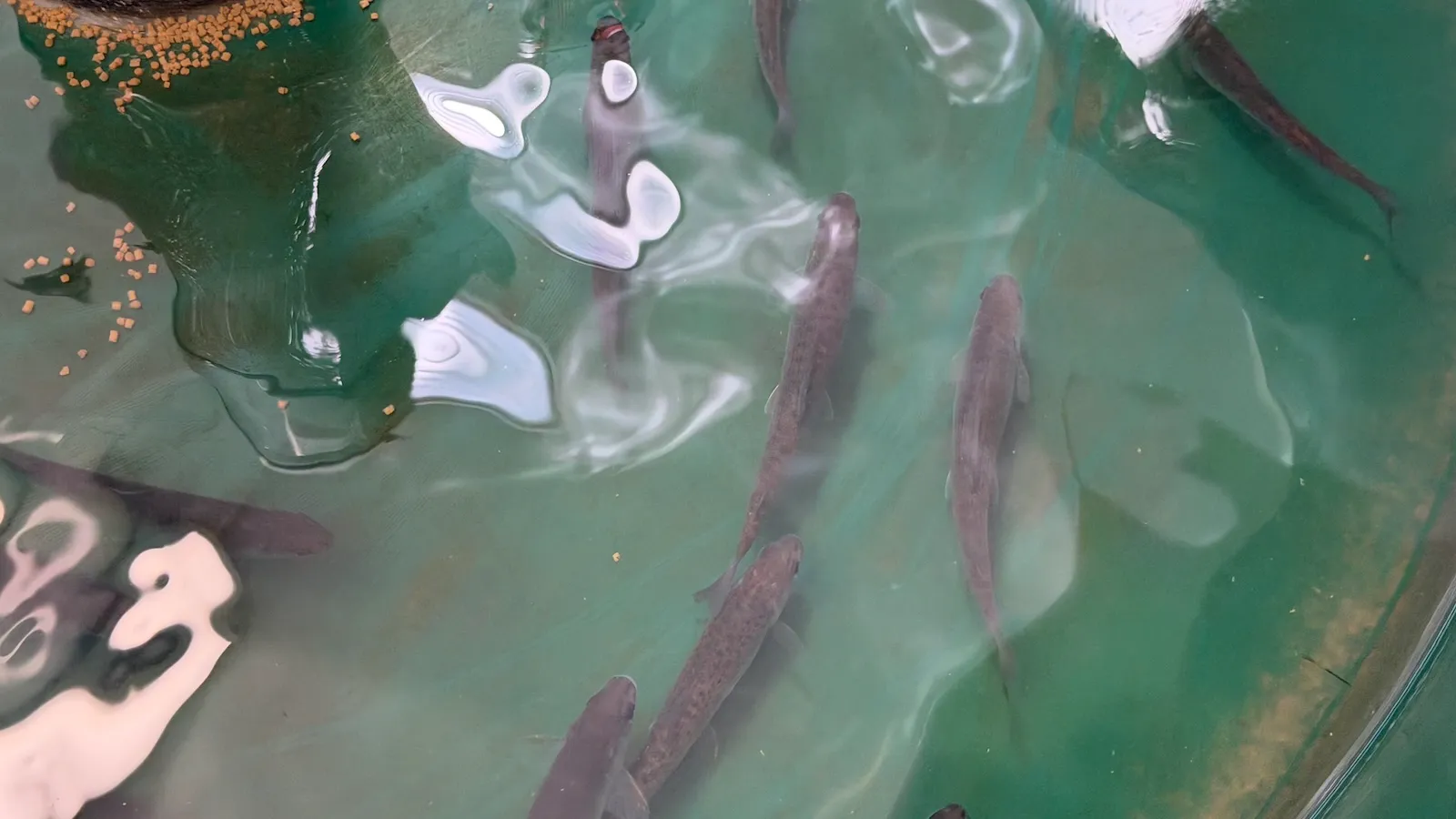
Kris Dey, hatchery manager for the Little Traverse Bay Bands of Odawa Indians, acknowledges the difficulty of planning for a future that is fundamentally shifting. "Climate change and the dramatic weather that we’re having may make us do things in a different way," Dey noted. The tribes are currently considering upgrades to their incubation systems that would hold the fish longer, allowing them to reach a more robust size before they are introduced to the volatile conditions of the open river.
The Cultural and Ecological Significance
Despite the scientific hurdles, the motivation behind the project remains steadfast. For the tribal communities involved, the restoration of the Arctic grayling is a profound commitment to the stewardship of the land and water. The practice of placing tobacco in the water during the release is a reminder that this is not merely a government-sanctioned environmental program; it is a spiritual and cultural obligation.
From an ecological perspective, the success of this project could have far-reaching implications. By restoring a native predator and prey species, the tribes are working to rebalance the ecosystem, potentially mitigating some of the dominance of non-native species. Furthermore, the data collected during this experiment will be invaluable for conservationists elsewhere who are working to restore native species under the shadow of a changing climate.
Looking Toward the Future
Biologists estimate that it will take six to eight years before they can definitively determine whether the reintroduction has been successful. This timeframe accounts for the time it takes for the fish to reach sexual maturity and, ideally, begin spawning in the wild. The coming years will be marked by more rigorous data collection, refined hatchery techniques, and a continued, watchful presence on the riverbanks.
As the Grand Traverse Band’s Dan Mays noted, "This is an experiment. We’re trying our best." The humility in that statement reflects the reality of ecological restoration: it is a slow, iterative process that requires constant adaptation. Whether or not the grayling return to their former glory, the process has already succeeded in bringing together indigenous knowledge and modern scientific inquiry, creating a model for collaborative conservation that prioritizes the resilience of the natural world.
The reintroduction of the Arctic grayling stands as a testament to the perseverance of the Michigan tribes. They are not merely looking at the past; they are actively shaping the future of the state’s waterways, ensuring that the legacy of the rivers remains intact for the generations to come. Through every bucket released into the river, the hope is that a lost piece of Michigan’s natural heritage will once again call these waters home.

