
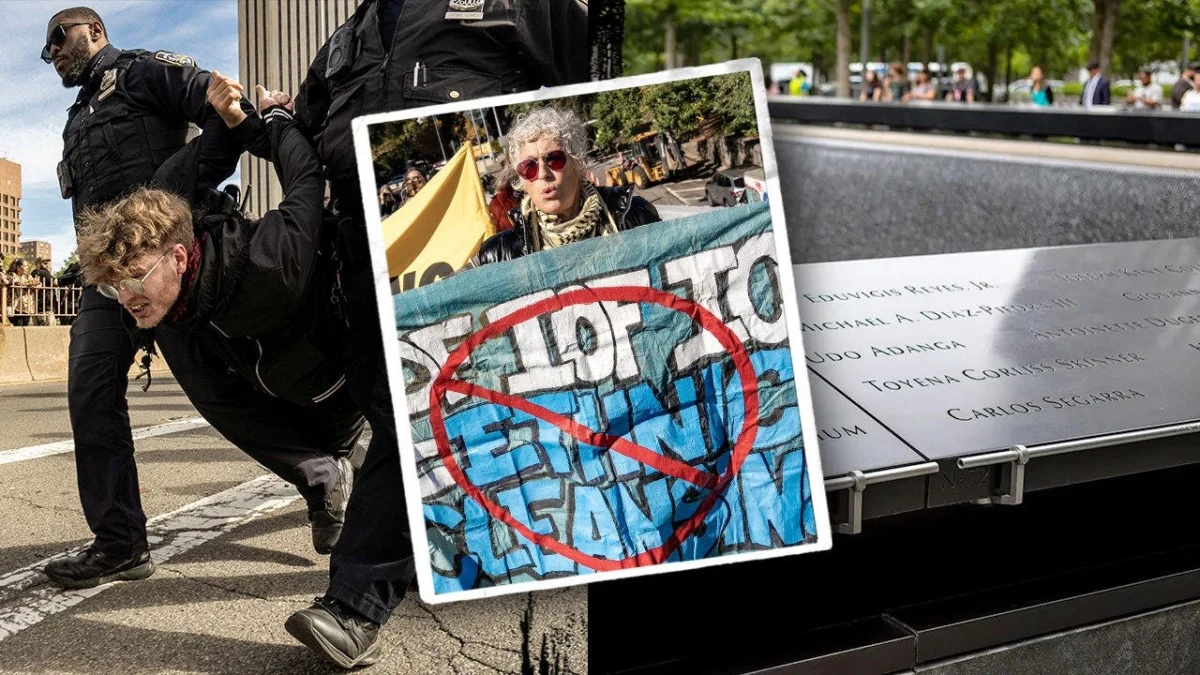
New York City experienced a tumultuous week characterized by escalating civil unrest, high-profile arrests, and significant disruptions to public infrastructure and sacred sites. Within a 48-hour window, local authorities were forced to manage a massive anti-Immigration and Customs Enforcement (ICE) demonstration that paralyzed traffic on the Brooklyn Bridge, alongside an act of vandalism targeting the National September 11 Memorial and Museum. The dual incidents have once again thrust the metropolis into national debates concerning public safety, the limits of political protest, the treatment of national memorials, and the ongoing flashpoints surrounding federal immigration enforcement.
The Convergence of Civil Unrest and Vandalism
The week’s turmoil began unfolding against a backdrop of heightened political tensions in New York City, driven by recent federal immigration enforcement actions and contentious local political rhetoric. The city, which has long operated under sanctuary city policies, has seen a steady rise in demonstrations following operational clashes between federal agents and undocumented residents.
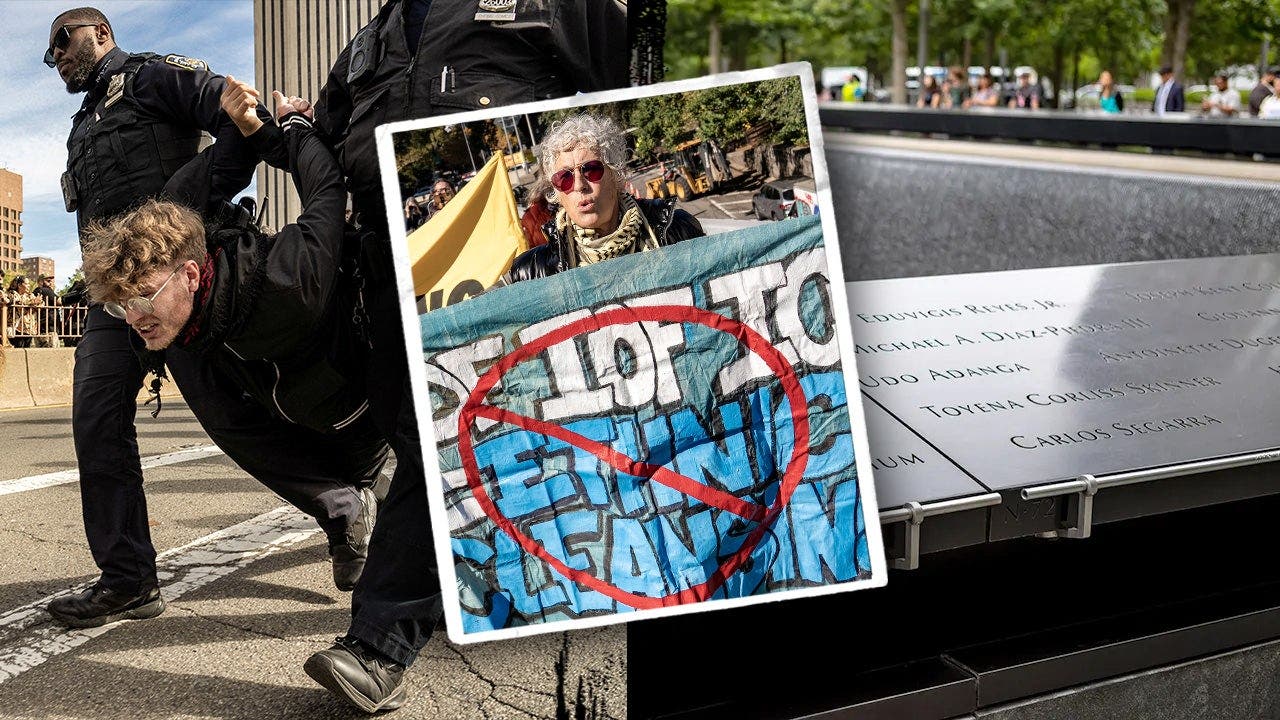
On Monday, the city’s solemn remembrance landscape was disrupted when a radical anti-gun activist allegedly defaced the sacred grounds of the World Trade Center site. Just days later, on Wednesday afternoon, traffic arteries connecting Brooklyn and Manhattan were completely severed by a coalition of demonstrators protesting federal immigration policies. While the two movements stemmed from distinct activist agendas—one focused on federal gun control legislation and the other on immigration enforcement tactics—both events converged to strain municipal resources and draw sharp criticism from commuters, public officials, and heritage preservation advocates.
Chronology of Events: The Brooklyn Bridge Gridlock
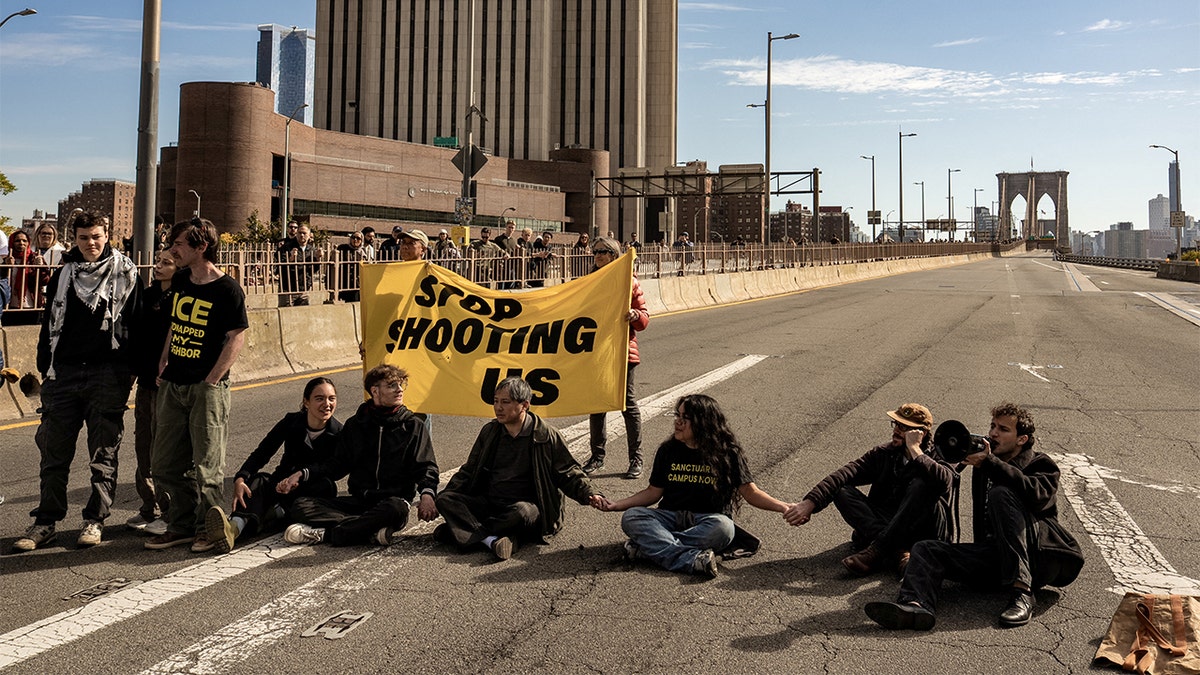
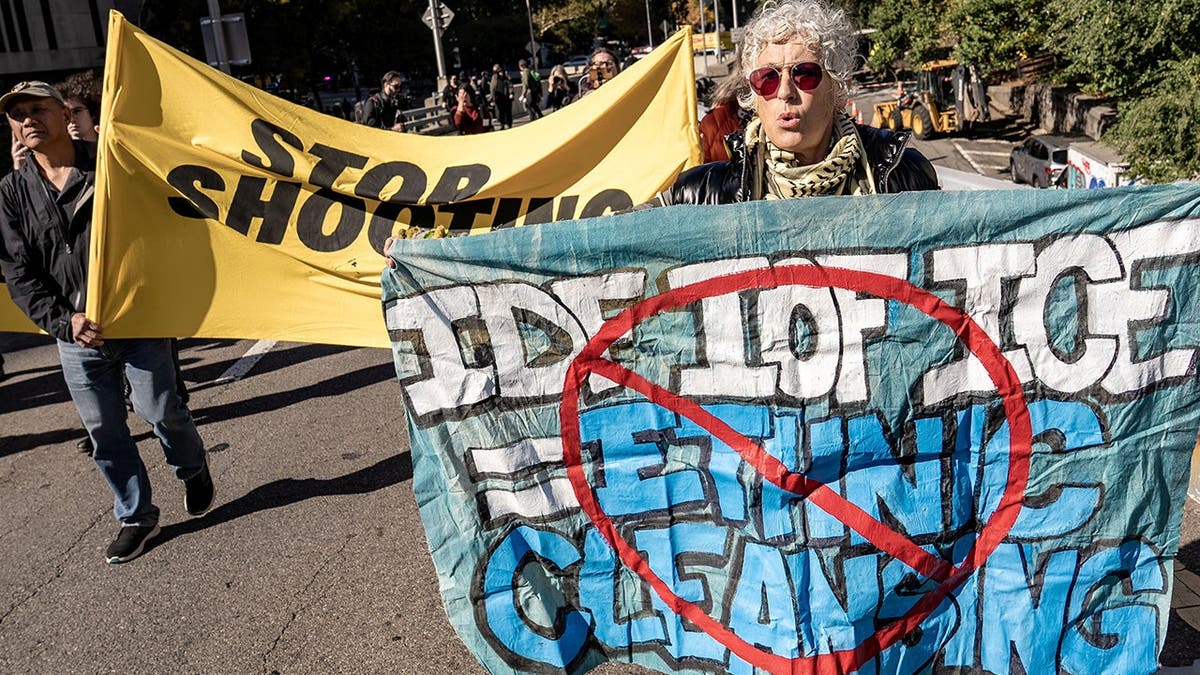
The disruption on the Brooklyn Bridge began at approximately 12:30 p.m. on Wednesday, when a group of approximately several dozen anti-ICE demonstrators marched onto the iconic span. The agitators quickly blocked the vehicular entrances and lanes, effectively bringing traffic to a complete standstill during the busy midday commuting and commercial hours.
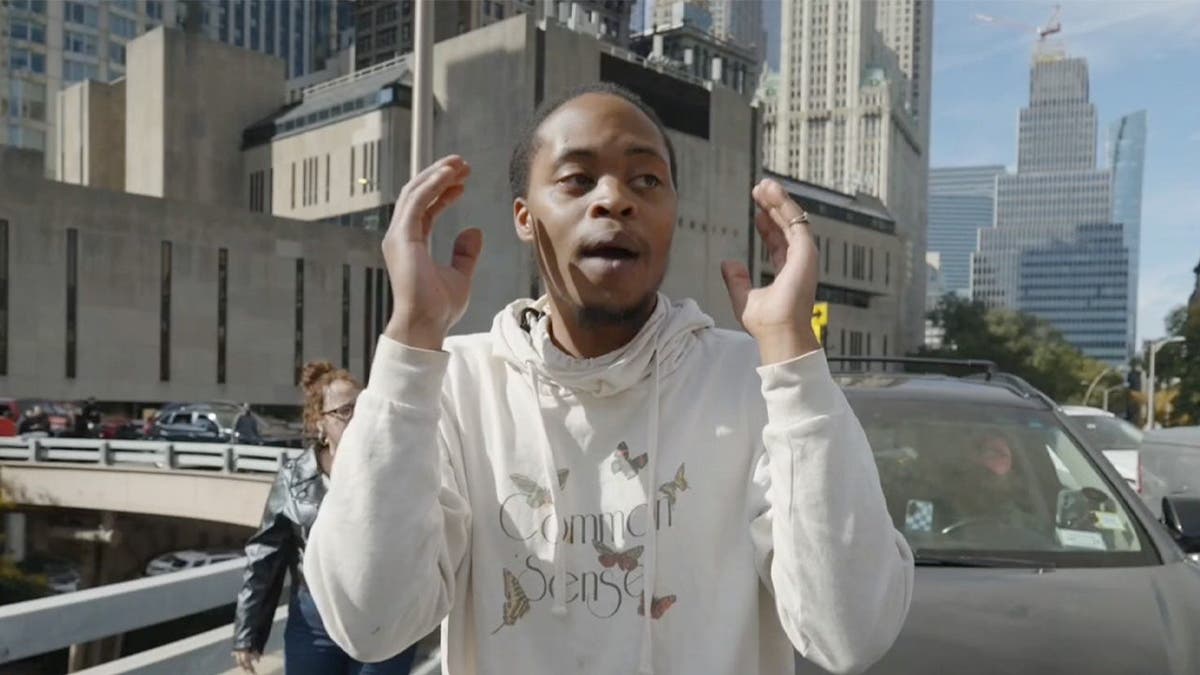
Motorists trapped in the ensuing gridlock expressed immediate frustration. Video footage from the scene captured drivers pleading with the demonstrators for passage, with one stranded commuter exclaiming, "I just want to get to work!" Activists utilized megaphones to broadcast chants condemning both the New York City Police Department (NYPD) and federal immigration authorities, drawing controversial parallels between local law enforcement and civil rights abuses. Demonstrators also used the platform to demand the release of Oscar Bergal, an undocumented Dominican national who was wounded during an ICE enforcement operation in the Marble Hill neighborhood of Manhattan earlier in the month.
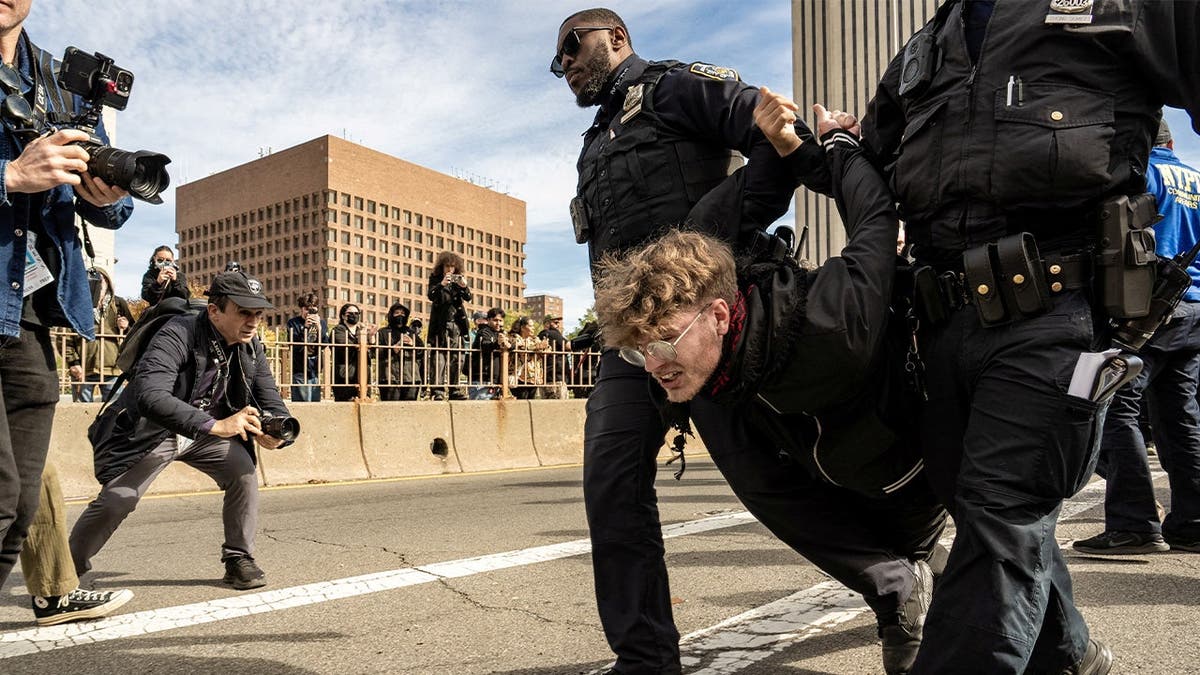
The New York City Police Department responded swiftly to the unpermitted blockade, deploying strategic arrest teams to clear the thoroughfare. According to the NYPD, officers safely removed the demonstrators, restoring full traffic flow by approximately 1:30 p.m.—roughly an hour after the blockade was initiated. A total of 14 individuals were taken into custody without major incident, and no injuries were reported among protesters, drivers, or law enforcement personnel.
Chronology of Events: Vandalism at the 9/11 Memorial
Parallel to the transportation shutdown, federal and local law enforcement agencies were dealing with a high-profile act of vandalism at the National September 11 Memorial and Museum in Lower Manhattan. On Monday, Port Authority Police arrested 31-year-old Johnathan Tijerina after he allegedly defaced the memorial grounds.
Tijerina, operating in connection with an advocacy group identifying as "Just Stop Killing Kids," recorded himself using red spray paint to deface the engraved names of victims along the memorial’s reflecting pool. The sprayed message, "just stop killing kids," was intended to draw attention to demands for stringent federal gun control measures, including universal background checks and a national gun registry. The suspect’s organization subsequently posted footage of the incident on social media platforms, publicly framing the criminal act as a form of political leverage directed at federal and local leadership.
Security personnel stationed at the World Trade Center site intervened promptly, detaining the suspect until Port Authority Police arrived to effect a formal arrest. Tijerina now faces multiple felony charges related to criminal mischief and the desecration of a monument.
Official Responses and Institutional Statements
The swift restoration of both the Brooklyn Bridge and the 9/11 Memorial highlighted the preparedness of municipal and federal security apparatuses, yet the incidents drew immediate condemnation from civic leaders and preservationists.
A spokesperson for the 9/11 Memorial & Museum issued a formal statement emphasizing the sanctity of the location. "The 9/11 Memorial is a sacred place of reflection at the heart of a rebuilt World Trade Center that honors the 2,983 victims killed in the September 11, 2001, and February 26, 1993, terrorist attacks," the spokesperson stated. "This brief incident was swiftly addressed by security staff and law enforcement, and the impacted area was immediately restored to its commemorative state."
Regarding the Brooklyn Bridge demonstration, municipal authorities faced scrutiny over their management of spontaneous protests that target critical infrastructure. The disruption highlighted the persistent challenge urban centers face in balancing the constitutional rights of assembly and free speech with the absolute necessity of maintaining public safety and the free flow of commerce. Representatives for the mayor’s office were repeatedly pressed for comment regarding both the traffic gridlock and the safety of public landmarks, as business groups and commuter associations called for harsher penalties for protesters who intentionally block major bridges and tunnels.
Broader Impact and National Implications
The events in New York City are part of a broader, nationwide uptick in aggressive political activism targeting federal facilities, infrastructure, and historical monuments. Law enforcement agencies across the country have recorded similar incidents in recent months, ranging from Molotov cocktail attacks on immigration facilities in Georgia to the vandalism of World War II memorials in the nation’s capital.
Analysts suggest that these actions reflect a deeply polarized political climate where radical factions increasingly utilize high-impact disruptions and property damage to force media attention onto specific legislative or administrative demands. In New York, the intersection of immigration policy debates and radical gun control advocacy has created a volatile environment for local law enforcement, who must manage simultaneous public safety threats across multiple boroughs.
The legal fallout from this week’s events is expected to be significant. The 14 individuals arrested at the Brooklyn Bridge face misdemeanor charges related to disorderly conduct and obstructing governmental administration, while Tijerina faces felony prosecution for his actions at the 9/11 Memorial. Legal experts note that prosecutors are increasingly treating the desecration of national monuments and the intentional blocking of emergency routes with heightened severity to deter future copycat actions. As the city moves forward, municipal leaders face mounting pressure to implement more robust preventative security measures around critical transit hubs and national shrines to prevent similar disruptions from occurring in the future.

