
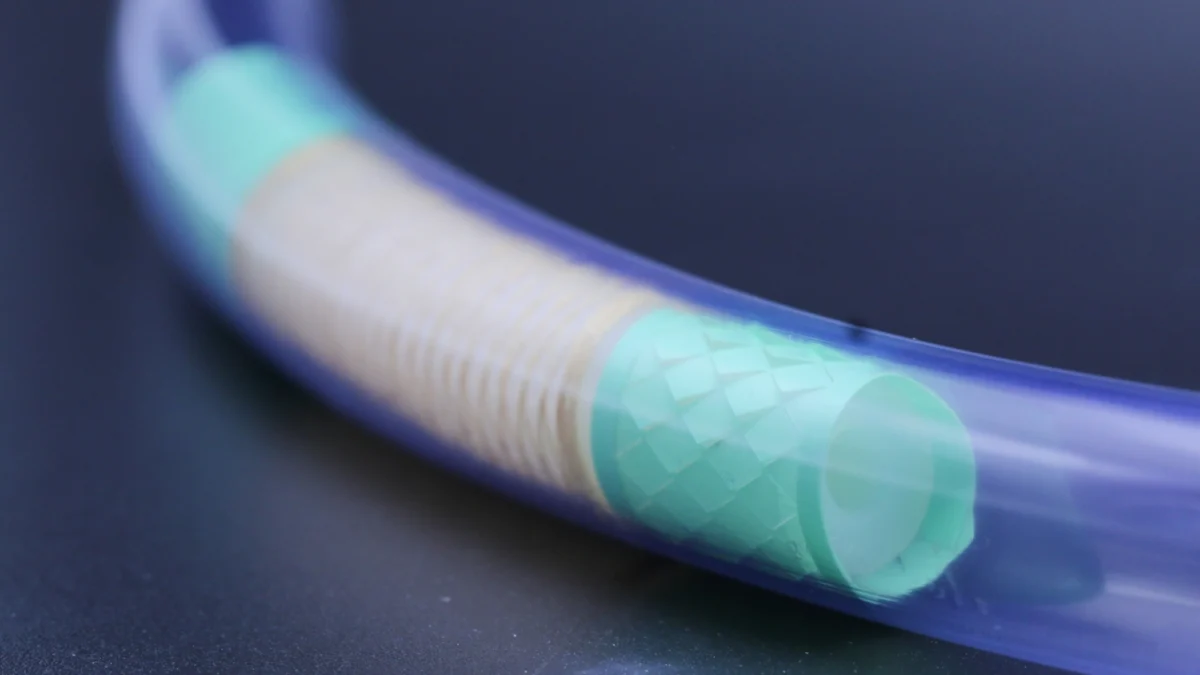
The soft robot slithers into the intestine via a person’s mouth or rear-end all by itself. This development, spearheaded by a multidisciplinary team of engineers at the Massachusetts Institute of Technology (MIT), marks a significant departure from traditional endoscopic procedures. By mimicking the movement patterns of snakes and utilizing advanced kirigami-inspired structures, the robot, dubbed BIOSENTER, offers a potential paradigm shift in how clinicians approach the diagnosis and treatment of complex gastrointestinal disorders. The findings, published this week in the journal Science Robotics, detail a technology that could alleviate the physical strain and procedural complexity currently associated with examining the roughly 20-to-25-foot length of the human small intestine.
The Clinical Challenge of the Small Intestine
The human gastrointestinal (GI) tract presents a uniquely difficult environment for medical instrumentation. While the stomach and the colon are relatively accessible through standard endoscopy and colonoscopy, the small intestine remains a "black box" in many diagnostic scenarios. Tightly coiled and situated in a cramped abdominal cavity, this segment of the digestive system is prone to a variety of conditions—including Crohn’s disease, celiac disease, polyps, and various forms of malignancy—that require precise, localized intervention.
Historically, the gold standard for visualizing this area has been double-balloon enteroscopy. This procedure is notoriously labor-intensive and time-consuming. It involves the insertion of an endoscope equipped with two balloons that are sequentially inflated and deflated to "inchworm" the device through the folds of the intestine. Despite its efficacy, the method is physically taxing for the patient, requires significant clinical expertise, and can often result in prolonged procedural times that increase the risk of complications. With the global incidence of intestinal diseases and cancers rising, the medical community has been under mounting pressure to develop autonomous, less invasive, and more efficient alternatives.
Chronology of Development and Design Principles
The genesis of BIOSENTER lies in a synthesis of biological observation and mechanical engineering. MIT researchers, including lead mechanical engineer Giovanni Traverso and graduate student Ahmad Mujtaba Jebran, sought to replicate the biomechanics of snakes. Snakes move by alternating the contraction of muscles on either side of their bodies, a process that allows them to navigate narrow, uneven terrain with high efficiency and minimal exertion.
The development phase spanned several years of iterative testing. The team focused on creating a soft, rubbery chassis approximately 3.7 inches in length with a half-inch diameter. This scale is critical, as it allows the device to navigate not only the small intestine but also the more sensitive passages of the esophagus. The robot functions through four inflatable air chambers, which, when pressurized in alternating sequences, enable the device to bend, steer, and propel itself forward.
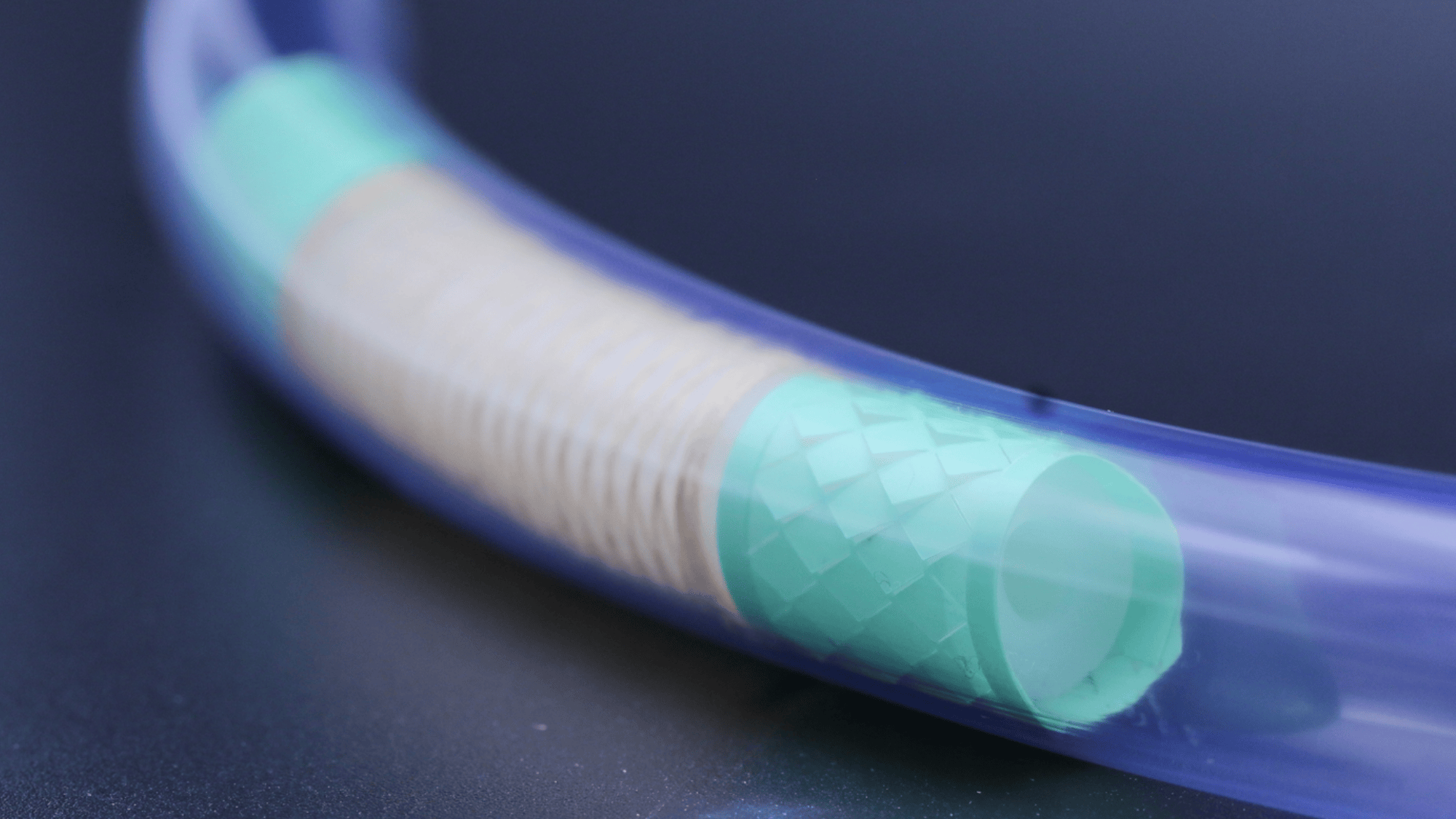
A standout feature of the BIOSENTER design is its integration of kirigami—the Japanese art of paper cutting—to create specialized sleeves. These sleeves are not merely aesthetic; they provide the mechanical traction necessary for the robot to anchor itself against the slick, muscular walls of the intestine. By using these structures to create localized friction, the robot avoids the need for excessive mechanical stretching, which could otherwise damage the delicate tissues of the GI tract.
Technical Specifications and Operational Mechanics
The robot is a sophisticated platform for both diagnostic and therapeutic tasks. Inside its hollow body, it houses a high-definition micro-camera for real-time imaging, a fluid-delivery system for the administration of targeted medications, and miniature biopsy tools. While the BIOSENTER is engineered for autonomous movement, the design includes a manual override capability, allowing physicians to guide the robot using a handheld interface similar to modern gaming controllers. This dual-mode operation ensures that the robot can handle standard navigation autonomously while allowing for human intervention during complex maneuvers or specific diagnostic tasks.
In recent trials conducted on living, sedated pigs—whose GI anatomy closely approximates that of humans—the robot demonstrated its functional utility. Over an 11-minute test window, the BIOSENTER successfully navigated the intestinal environment, captured diagnostic-grade imagery, successfully collected tissue biopsies, and delivered therapeutic fluids to pre-selected locations. These results provide a strong proof-of-concept for the viability of soft-robotics in high-stakes medical environments.
Competitive Landscape in Medical Robotics
The field of gut-crawling robotics is gaining momentum, with several institutions competing to solve the "navigation problem" of the small intestine. In 2021, a research team from the University of Macau introduced a magnetic, pill-sized robot inspired by the movement of an African spider. That device utilized a magnetic field to traverse the GI tract with a "cartwheel" motion. While innovative, the spider-bot approach requires the device to be naturally expelled by the patient after the procedure, whereas the BIOSENTER is tethered, allowing for a more controlled retrieval process.
The distinction between these technologies reflects a broader debate in medical engineering: the choice between tethered, high-control devices and untethered, ingestible capsules. Tethered devices like BIOSENTER offer the benefit of real-time control and immediate data transmission, which is essential for biopsies and surgical interventions. In contrast, untethered, capsule-based systems are often limited to passive imaging or diagnostic scanning.
Implications for Healthcare and Public Policy
The integration of soft robotics into clinical practice could have profound implications for healthcare economics and patient outcomes. By reducing the time required for enteroscopy, hospitals could increase their patient throughput for diagnostic procedures, effectively lowering the cost per scan. More importantly, the ability to conduct biopsies and drug delivery during a single, less-invasive procedure could lead to earlier detection of cancerous lesions.

According to data from recent health surveys, the rise in early-onset colorectal and intestinal cancers has become a critical public health concern. Traditional endoscopic screenings are often avoided by patients due to discomfort or perceived inconvenience. If a soft-robotics platform can reduce the "barrier to entry" for these screenings, it may lead to higher compliance rates, thereby facilitating early-stage intervention—the most effective way to improve survival rates in gastrointestinal oncology.
Ethical and Regulatory Considerations
As with any emerging medical technology, the transition from laboratory testing to human clinical trials will be subject to rigorous scrutiny. The use of soft materials in a human body raises questions regarding material biocompatibility, long-term safety, and the potential for device failure in vivo. Furthermore, as these robots become increasingly autonomous, the medical community will need to establish new protocols for "robotic accountability." If an autonomous device were to cause a perforation or other injury, current malpractice frameworks would need to be re-evaluated to account for the role of automated software and hardware design.
Regulatory bodies such as the FDA will likely require extensive multi-phase clinical trials to prove that the BIOSENTER maintains its structural integrity throughout the duration of a procedure. Additionally, the sterilization of these devices—given their complex, soft, and hollow components—presents a unique engineering challenge that must be solved before the robot can be widely adopted in hospital settings.
Future Outlook
The work presented by the MIT team represents more than just a clever engineering project; it is a signal of a broader shift toward "biological mimicry" in surgical instrumentation. By looking at how organisms move in nature, engineers are finding ways to bypass the limitations of rigid, steel-based medical tools.
Looking ahead, the researchers aim to refine the robot’s sensory feedback loops, allowing it to "feel" the stiffness of tissue, which could further aid in identifying cancerous growths that are not visible to the naked eye. As the technology matures, we may see a transition from current prototypes to a standardized, disposable, or easily sterilized diagnostic tool that fits seamlessly into the gastroenterologist’s toolkit.
For the millions of patients who suffer from chronic intestinal conditions, the prospect of a less invasive, more efficient future is no longer a distant possibility. While the technology is still in its developmental stages, the successful navigation of the porcine GI tract marks a definitive step toward a new era of medical robotics—one where the smallest of robots could lead to the biggest advancements in human health. Through a combination of kirigami design, snake-like locomotion, and autonomous control, the BIOSENTER is poised to turn a once-dreaded medical procedure into a routine, manageable, and far more accurate diagnostic experience.

