
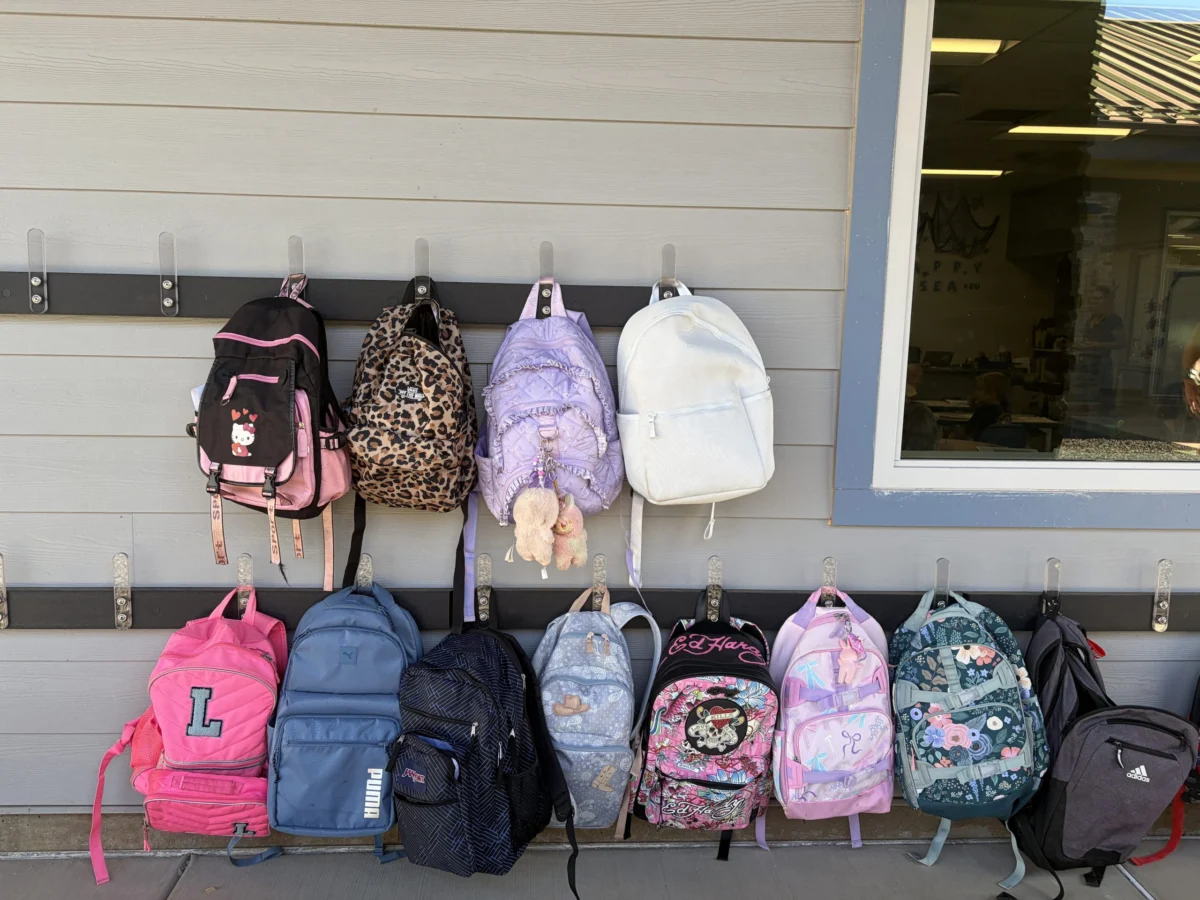
In the charred, smoldering aftermath of the 2018 Camp Fire, the future of the Paradise Unified School District seemed to vanish alongside 85 percent of the town’s buildings. For Jake Timm, the district’s director of facilities, maintenance, and operations, the prospect of restoring the Northern California community’s educational infrastructure felt like a multi-generational task. Standing amidst the ruins of a town that had effectively been erased from the map, Timm estimated that it might take two decades before enough families returned to justify the operation of a full school system. Yet, less than eight years later, the district is not only functioning but actively expanding, marking a rare and complex victory in the landscape of climate-driven disaster recovery.
The recovery of Paradise Unified serves as a poignant case study in resilience. While many rural and suburban districts across the United States are currently facing existential crises due to plummeting birth rates and shifting demographics, Paradise is experiencing an unexpected influx of younger residents. As of late 2026, enrollment has climbed to 1,817 students—a significant rebound from the post-fire nadir, though still hovering at roughly 53 percent of pre-fire levels. This growth has forced the district to accelerate its reconstruction timelines, culminating in the reopening of its final elementary campus this past fall.

A Chronology of Destruction and Resilience
The Camp Fire, which ignited on November 8, 2018, remains the deadliest wildfire in California’s history. It claimed 85 lives and decimated the town of Paradise, leaving a landscape of ash and twisted metal. The impact on the local school system was total; nearly every campus was rendered unusable. In the immediate aftermath, the district’s 3,500 students were scattered across the broader Butte County region.
The logistical nightmare that followed forced the district to operate out of unconventional spaces. The junior high school held classes in a retrofitted hardware store, while the two high schools shifted to an independent study model, utilizing storefronts in a local mall as drop-in centers. Elementary students were bused to campuses as far as 20 miles away.
Despite this, the community’s resolve was immediate. Just two days before the fire broke out, voters had passed a $61 million bond measure intended for school modernization. The irony was not lost on officials, but the funds became the bedrock of the recovery effort. By April 2020, the school board had finalized a revised master plan, prioritizing the consolidation of resources to ensure that, as families trickled back, there were high-quality facilities waiting for them.

The New Demographics of a Recovered Town
The demographic shift in Paradise has been a primary driver of the school district’s enrollment rebound. Before the fire, Paradise was often characterized as a retirement-heavy community. Today, it is attracting young families who find the town’s current landscape of "blank slate" development and relative affordability more accessible than the inflated real estate markets in nearby cities like Chico.
This influx of young families has created a unique social dynamic. The Paradise Ridge Chamber of Commerce has actively marketed the town to young professionals, emphasizing the safety of the new, fire-hardened school facilities. A 2026 survey of new residents suggests that many see the town not as a place of past trauma, but as an opportunity for homeownership and community-building. For these families, the "brand-new" schools are a central selling point, representing a commitment to the future that transcends the memory of the 2018 disaster.
The Long Shadow of Trauma: Academic and Social Challenges
While the physical infrastructure of the district has been successfully rebuilt, the psychological and academic "long tail" of the disaster remains a persistent concern. The data reveals a sobering reality: over 25 percent of students in the district are chronically absent, a rate substantially higher than the California state average.

Academic performance, particularly in mathematics, has struggled to keep pace with the physical recovery. Standardized testing data from 2026 indicates that Paradise students are currently scoring 65.9 points below proficiency levels in math, a significant gap when compared to the state’s overall average of 38.9 points below proficiency. Educators and child development experts, such as Lindsey Nenadal of California State University, Chico, argue that these metrics are directly linked to the cumulative trauma experienced by students who lost their homes, their schools, and their sense of normalcy in a single day.
For students like Kaydence Mosher, who was in the fifth grade during the fire, the recovery process has been deeply personal. "It was very difficult during a show-and-tell moment where I didn’t have anything that was of significance to me besides my pets and my family," she recalls. Her experience highlights a common hurdle: the internal struggle of students who are expected to perform academically while navigating the loss of their personal histories. The renaming of her former school from Ponderosa to Paradise Ridge served as a painful reminder that the community she once knew was permanently altered.
A National Context: Disaster Recovery as the New Normal
Paradise is not an isolated case. As climate change increases the frequency and intensity of extreme weather events, school districts across the U.S. are increasingly forced to grapple with the "rebuild or relocate" dilemma. According to research from Brown University’s SustainableED initiative, roughly 25 percent of all U.S. public schools are located in census tracts at very high risk of environmental hazards, including hurricanes, flooding, and wildfires.

The experience of other districts underscores the difficulty of these decisions. In Pasadena, California, the proposed consolidation of schools following the 2025 Eaton Fire was met with fierce public outcry from families who viewed their local schools as vital hubs of stability. In Lahaina, Maui, the search for a new location for the historic King Kamehameha III Elementary School—destroyed in the 2023 wildfires—sparked intense debate between community members wanting to stay on ancestral land and state officials concerned about flood risks and tsunami zones.
These conflicts illustrate a growing tension in public policy: the need for disaster-resilient infrastructure versus the desire to preserve the community fabric. Paradise succeeded in part because of its singular focus, but the path forward for other regions remains fraught with political and economic challenges.
Implications for Future Policy
The success of the Paradise Unified School District in attracting new residents is a testament to the power of proactive planning. By leveraging bond measures and aligning local economic development with educational facility planning, the district created a framework that allowed for a faster-than-expected recovery.

However, the lingering academic deficits suggest that physical infrastructure is only one part of the equation. To truly recover, districts impacted by disaster must invest as heavily in mental health services, trauma-informed pedagogy, and specialized academic support as they do in new buildings. The "blank slate" that attracted new families to Paradise does not exist for the students who lived through the fire; for them, the recovery is a constant, ongoing process.
As climate-related disasters continue to multiply, the lessons learned in Paradise—both the successes in rebuilding and the ongoing struggle with academic outcomes—will become essential reading for school boards and policymakers nationwide. The ability to "build back better" will ultimately be measured not by the square footage of new classrooms, but by the district’s ability to foster an environment where students can thrive despite the shadows of the past. The community of Paradise, "strong-headed" and resilient as ever, has shown that recovery is possible, but it is a journey that lasts far longer than the construction of the final school building.

