
The rapid ascent of generative artificial intelligence has fundamentally altered the discourse surrounding the future of labor. For years, the narrative focused almost exclusively on the threat of displacement—a zero-sum game where machines were expected to usurp human roles, leaving a shrinking pool of opportunities for workers. However, as AI tools integrate into the foundational workflows of industries ranging from software engineering to creative services, the conversation has shifted toward a more nuanced reality. It is becoming increasingly evident that the most effective way to "AI-proof" the next generation is not to compete with machines on processing speed or data synthesis, but to double down on the uniquely human competencies that technology cannot replicate.
The Shifting Demand in the Labor Market
Data from global consulting firms and labor market analysts confirms this transition. A comprehensive study by PwC on the AI jobs barometer highlights a paradoxical trend: while AI exposure is high in many sectors, the roles that require these tools are simultaneously demanding a greater emphasis on human-centric soft skills. According to the report, when employers augment existing job descriptions to include AI-supported tasks, the new responsibilities are more than twice as likely to prioritize empathy, nuanced judgment, and creative problem-solving.
This shift is most pronounced at the entry level. Junior positions, which have traditionally served as the training ground for technical rote tasks, are now being redefined. The PwC data indicates that junior roles with the highest AI exposure are seven times more likely to require leadership, strategic thinking, and complex interpersonal coordination than those with lower exposure. This suggests that the "automation-first" era is paradoxically making soft skills a mandatory prerequisite for early-career professionals, rather than a luxury reserved for senior management.
Chronology of the Durable Skills Movement
The realization that academic knowledge alone is insufficient for the modern economy has been building for over a decade, though AI has accelerated the urgency.
- 2015–2018: The rise of automation fears prompts initial studies by organizations like the World Economic Forum, which began identifying "durable skills" (communication, collaboration, and adaptability) as essential for the future.
- 2020: The COVID-19 pandemic forces a global shift toward remote work and digital tools, proving that technical proficiency is useless without the human ability to collaborate across distance and navigate ambiguity.
- 2023: The public release of advanced generative AI models (such as GPT-4) triggers a massive disruption in the workforce, leading to the "AI tax" phenomenon, where companies realize that AI output requires significant human oversight to avoid hallucinations and errors.
- 2025: Current analysis by America Succeeds and Lightcast—covering 76 million job postings—confirms that 76% of all jobs now require at least one "durable skill," with eight of the ten most-requested qualifications being non-technical in nature.
The "AI Tax" on Productivity
A critical factor in this transition is the diminishing return on unmonitored AI usage. Recent research from Workday reveals that companies are frequently leaving gains on the table due to what is being termed the "AI tax on productivity." In this scenario, employees use AI to generate content or code rapidly, only to spend nearly 40% of the time saved on correcting, clarifying, and rewriting low-quality output.
This phenomenon highlights the primary flaw in viewing AI as a replacement for human intellect. The technology has not eliminated the need for rigorous thinking; it has merely shifted the burden of quality control to the end-user. As a result, the worker of the future must possess high levels of "AI fluency"—the ability to use tools effectively—combined with the critical thinking skills to evaluate the validity of the results. Without the ability to detect bias, identify logical fallacies, and synthesize multiple perspectives, an AI-enabled worker becomes a liability rather than an asset.

Bridging the Education Gap: The Portrait of a Graduate
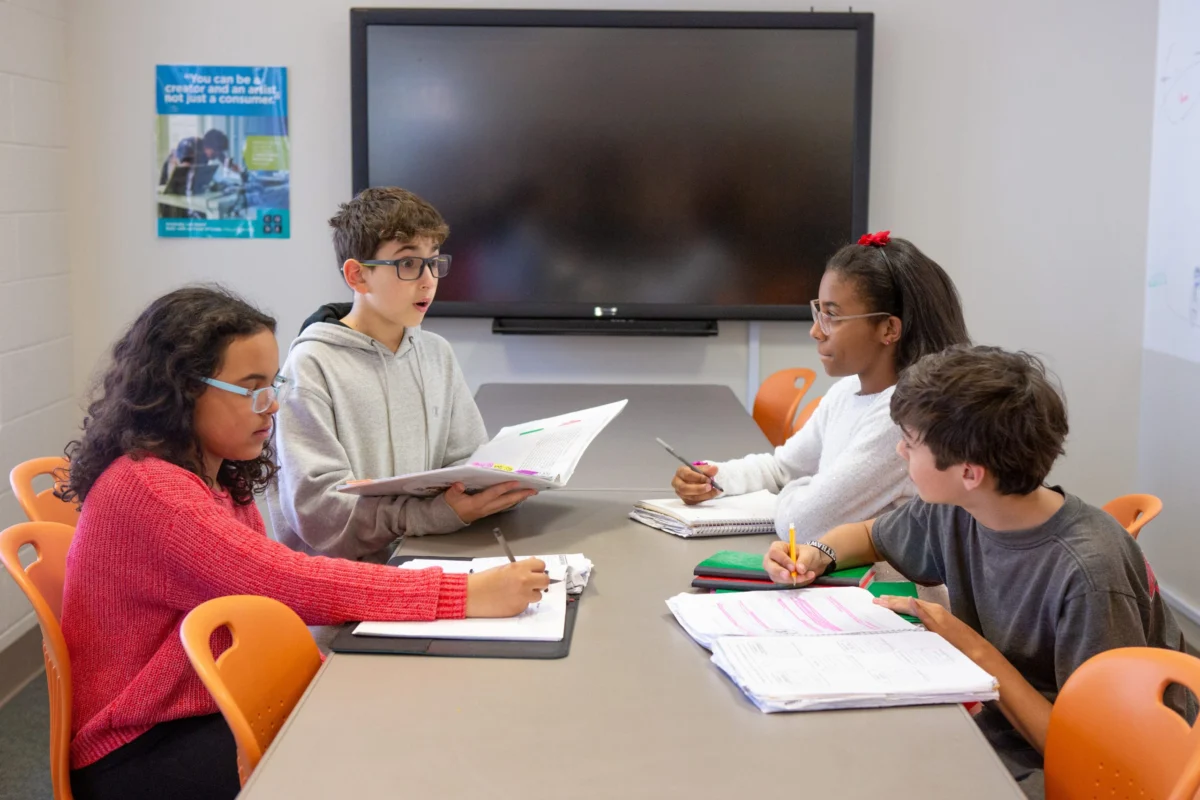
While the labor market is signaling a shift toward durable skills, the K-12 education system faces a systemic lag. Educators often struggle to move beyond the traditional focus on standardized testing and domain-specific knowledge. To address this, more than 20 U.S. states have adopted "Portrait of a Graduate" frameworks. These initiatives aim to explicitly teach capabilities like resilience, communication, and collaboration alongside traditional subjects like mathematics and science.
However, the implementation of these frameworks remains uneven. Many districts incorporate the language of "durable skills" into their strategic plans while leaving the daily mechanics of the classroom unchanged. Educational experts argue that these skills should not be treated as a separate curriculum competing for time, but as the medium through which academic knowledge is applied.
For instance, rather than simply solving an equation in algebra, a student might be asked to explain their reasoning to a peer or evaluate why a specific method is superior to another. These are not "soft" skills; they are foundational cognitive and social competencies. By requiring students to defend their decisions, revise work based on feedback, and navigate the disagreements inherent in group projects, educators can simulate the real-world environments students will encounter in the workforce.
Implications for Future Policy and Practice
To ensure the next generation is prepared, schools must focus on three actionable strategies:
- Curriculum Integration: Durable skills must be explicitly taught and assessed. This does not require additional testing; instead, it requires teachers to evaluate the process of learning, such as how a student identified a flaw in a piece of evidence or how they facilitated a productive group discussion.
- Calibration of Standards: Educators need the time and resources to compare student work across different subjects. By creating clear criteria for what "critical thinking" looks like in a history paper versus a chemistry lab, teachers can provide consistent feedback that helps students understand their own growth.
- Equity in Access: These opportunities must be universal. Currently, high-resource schools are more likely to offer project-based learning and collaborative environments, while lower-resourced schools often remain tethered to rote learning models. Ensuring every student develops these human-centric skills is an essential component of economic mobility.
The Future of Human-Machine Collaboration
The central takeaway for students, educators, and employers is that the value of human labor is not disappearing, but it is being redefined. As AI handles the synthesis of vast datasets, the human role shifts toward architecture, ethics, and orchestration. The ability to communicate complex ideas, build consensus among diverse stakeholders, and navigate the ethical dilemmas of technology will become the primary competitive advantage in the labor market.
The technology that many feared would render human workers obsolete has, in fact, made the most human aspects of our work more valuable than ever. We cannot predict with precision what specific tools or software will define the job market in the next decade. However, we can be certain that the ability to think clearly, articulate thoughts with confidence, and collaborate effectively will remain the bedrock of a productive society. AI did not create this necessity; it merely accelerated the timeline and raised the stakes, making it impossible for our educational and professional institutions to ignore the imperative for human development.

